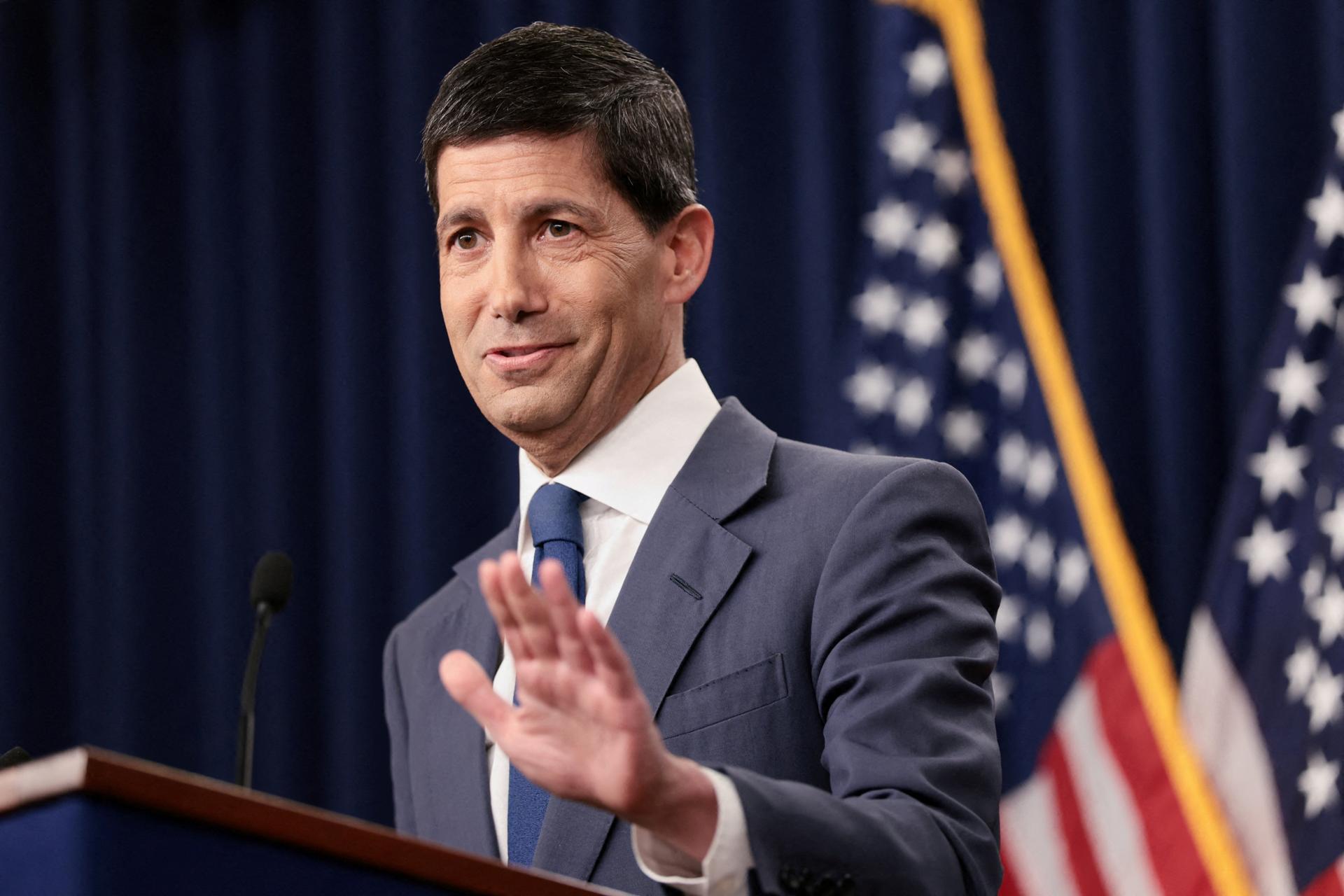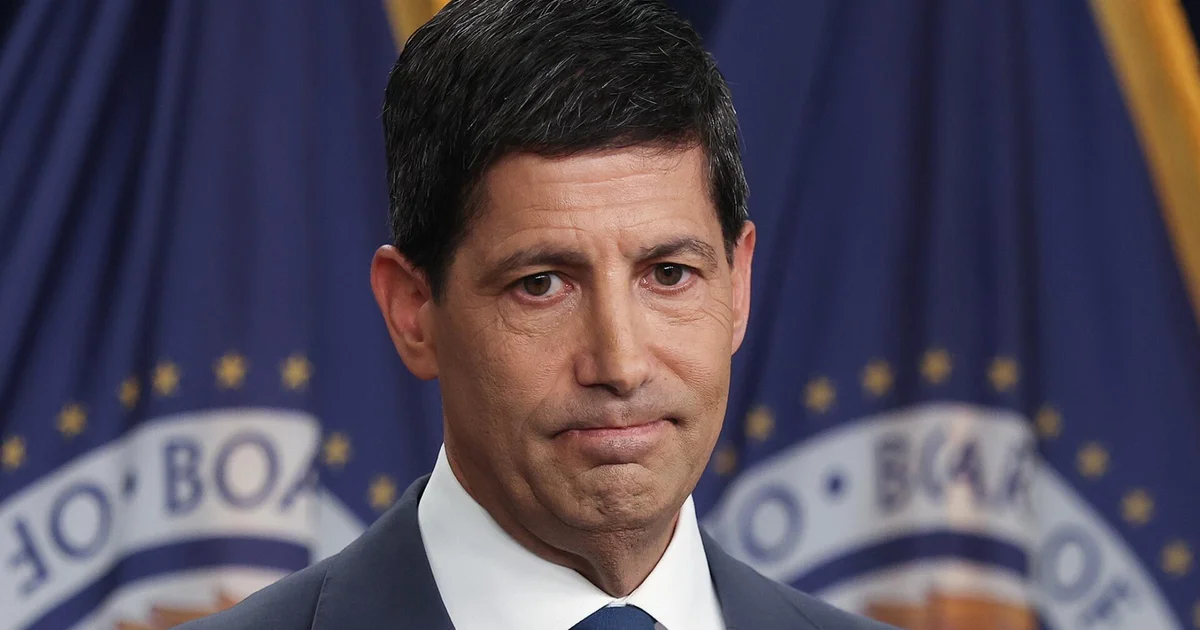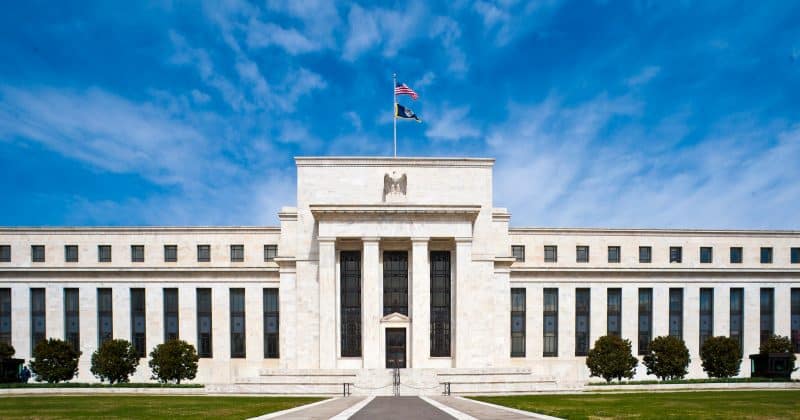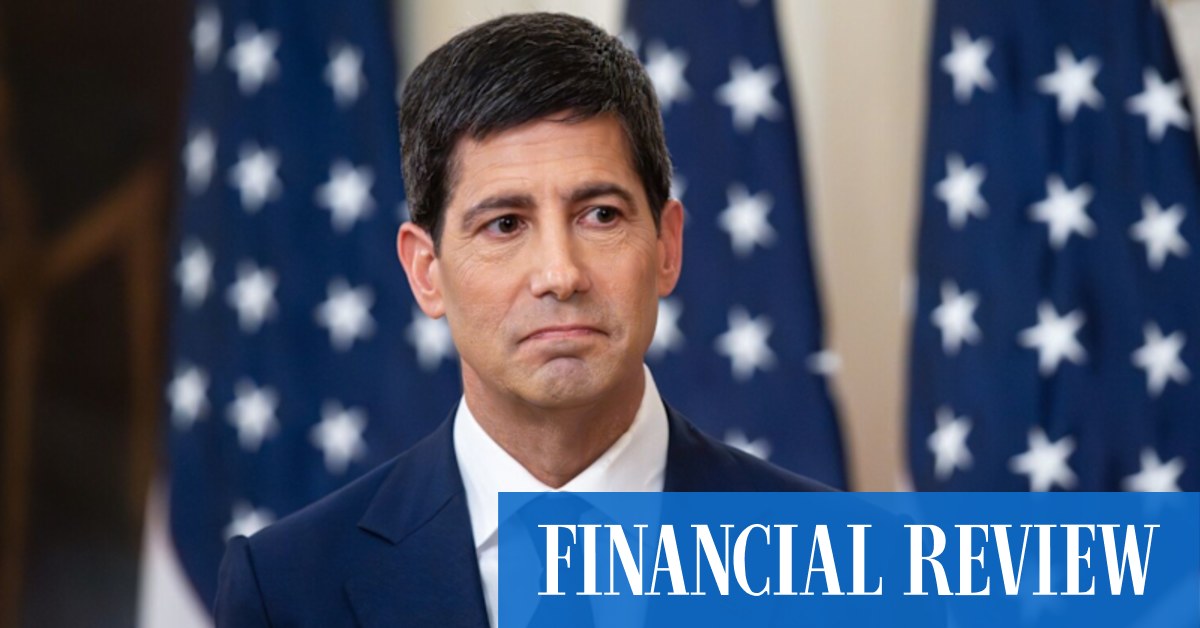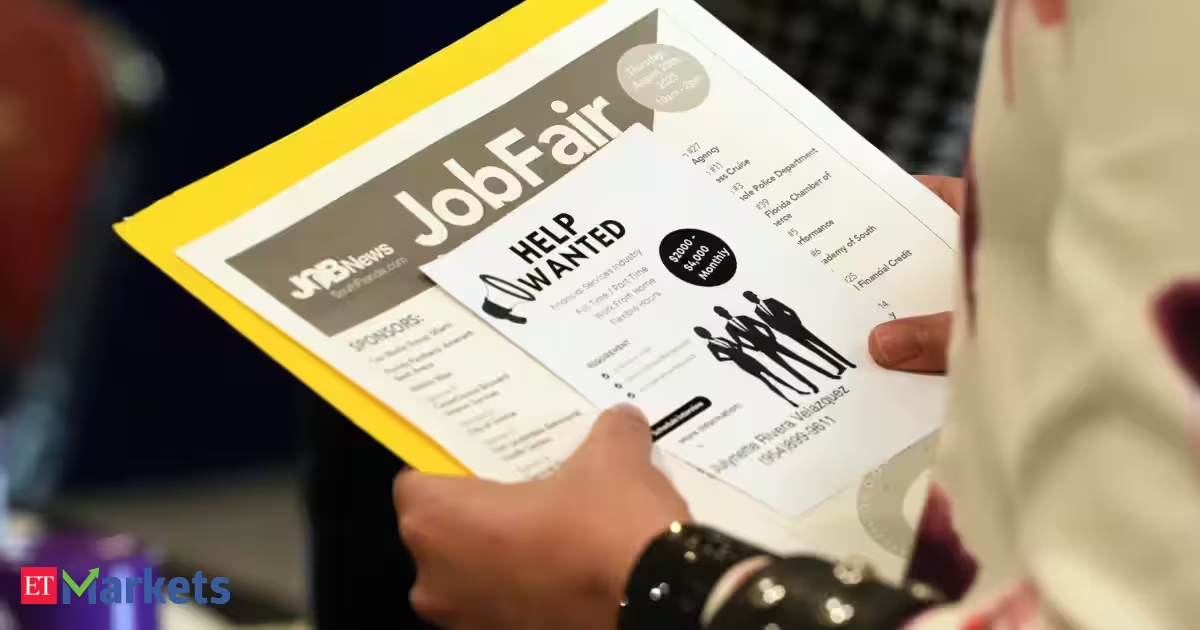
Weak July job market data on Friday drove financial markets to downgrade what had been strong expectations that the U.S. central bank will raise rates next month, after a week in which several Fed officials made the case for lifting rates to tackle stubborn inflation.Following the data release, futures markets flipped the odds of a rate hike at the September 15 to 16 Federal Open Market Committee meeting from likelier-than-not to a worse-than-even chance, and are split on where the Fed will end up by year's end.That shift happened after data showed the U.S. economy lost 23,000 jobs in July, amid a modest decline in the unemployment rate to 4.1% from June's 4.2% driven by the move of workers out of the labor force.The downward shift in hiring conditions pointed to the possibility that the relative stability of the job market may be more vulnerable than thought. That in turn puts Fed officials in a place where they may have to think more about how a rate hike aimed at lowering inflation might weigh on already low levels of hiring.Last week, the FOMC voted to keep the federal funds target rate range, its primary tool to achieve its job and inflation mandates, steady at between 3.5% and 3.75%, with three officials dissenting in favor of a rate hike. It did so as inflation continued to overshoot its target of 2%. The Fed's main inflation gauge, the personal consumption expenditures price index, was up 3.7% year-on-year in June.HAWKISH TURNIn the days since the Fed met, a number of officials have expressed strong interest in a hike, or an openness to tighter policy depending on what lies ahead for the economy.The three dissenters at the FOMC meeting argued that policy is simply not delivering the amount of restraint needed to bring price pressures back under control. In comments this week the leaders of the Kansas City and St. Louis Fed banks said they also argued in favor of higher rates at last week's gathering.Even Fed officials who voted in favor of steady rates have shown a willingness to act if needed."My forecast personally is for inflation to come down in the second half of this year and come down further next year," New York Fed President John Williams said in an interview conducted last Friday. But, "if the economy is not on a trajectory that will bring inflation back down to 2% ... it would absolutely be appropriate to act," he said.Fed Governor Lisa Cook said on Wednesday that she "would support an increase, if it becomes necessary, to bring inflation down. It may not."Meanwhile, Philadelphia Fed leader Anna Paulson, who holds an FOMC vote, said in an essay that she has an "open mind" on what the Fed will need to do, and noted in a TV interview the response "could be higher rates" or "same rates for longer."In a television appearance Friday, Richmond Fed President Thomas Barkin indicated the jobs data may not even have changed that much in Fed thinking, calling the July report "very consistent with how I've been seeing the labor market, which is: it's not loose, it's not tight."The breadth of Fed commentary directly addressing the monetary policy outlook was notable for engaging clearly on a topic new Fed Chairman Kevin Warsh shuns: guidance about the outlook for monetary policy.Warsh believes markets should form their own views on the policy outlook. But his silence, not having much to say about how he makes policy decisions, has caused consternation among many market participants.FOCUS STILL ON INFLATIONDespite the futures market shift, a number of economists still think the path toward higher rates remains."While the July report and the downward revisions to prior months put a dent in the idea that the labor market is stable, recall that Fed officials have in recent months indicated that they think the breakeven pace of job gains is fairly low," said Omair Sharif, president of forecasting firm Inflation Insights."I am not sure today's downside surprise will materially move the needle for a Committee that is looking much more closely at inflation data and seems poised to hike rates if the July and August inflation prints are firm," he added.Rick Rieder, chief investment officer of global fixed income at BlackRock, who was on a shortlist of candidates to get the Fed chair job that went to Warsh, also thinks the jobs data doesn't derail a hawkish policy outlook."While the Federal Reserve is presumably still quite attentive to labor markets, we think that nothing is radically changing in this regard, and hence, we think the Fed will continue to focus more on the inflation picture," he said in a note.Citibank analysts, meanwhile, said: "Softer labor market data and upcoming cooler inflation means Fed officials will once more need to balance upside risk to inflation with downside risk to employment.""Hikes are unlikely and we continue to think the next move is a cut-with a base case for this to be delivered in October," the Citibank economists said in a note.
Market cuts odds of Fed hike after jobs data, but economists still see case for tightening
The weak job report for July has tempered expectations surrounding a Federal Reserve rate increase. Consequently, futures markets now indicate a diminished probability of a rise in interest rates next month. Despite calls from several Fed officials for tighter monetary policy to counteract inflation, the economic community remains split on what lies ahead in rate decisions. The Federal Reserve is actively tracking inflation trends to shape its future policies.
835 words~4 min read