Share to FacebookShare to XArticle printing is available to subscribers onlyPrint in a simple, ad-free formatSubscribeComments: Zen reading is available to subscribers onlyAd-free and in a comfortable reading formatSubscribe07:14 PM • August 07 2026 IDTThe script for the latest episode of the economic thriller "The Strait of Hormuz – How Did We Get Here and Where Are We Going?" is apparently about to be finished. A little more polishing, another period or comma, another visit to Pakistan by Iranian Foreign Minister Abbas Araghchi, and maybe, on Saturday or Sunday, the opening of this bottleneck full of mines can be announced.In the NewsIran Is Getting Closer to Controlling Hormuz Without Curbing Its Nuclear ProgramSaudi Arabia, Turkey and Pakistan Sign Defense Pact Amid Regional TensionsPolice Close Probe Into Fatal West Bank Shooting Despite 'Mistaken' KillingIsraeli Lawmaker Quits Centrist Party Amid Talks to Join United Arab ListIsraeli Forces Withdraw From Palestinian Refugee Camp After Two-day OperationRemembering and rebuilding two years laterICYMIHow Israel's Elbit Armed the United Arab EmiratesIsrael Captured 230 Square Miles of Lebanon, Razed Villages and Built New Bases'I Tried, I Got Crushed by AIPAC': Andy Levin Is All-in for El-SayedIt's No Wonder Israelis Want War. Violence Has Become a Source of JoyHow a Teen, Not a Journalist, Debunked Israel's Gaza 'Voluntary Emigration' PlanFormer Mossad Chief Appointed to Lead U.S. Defense Technology Company
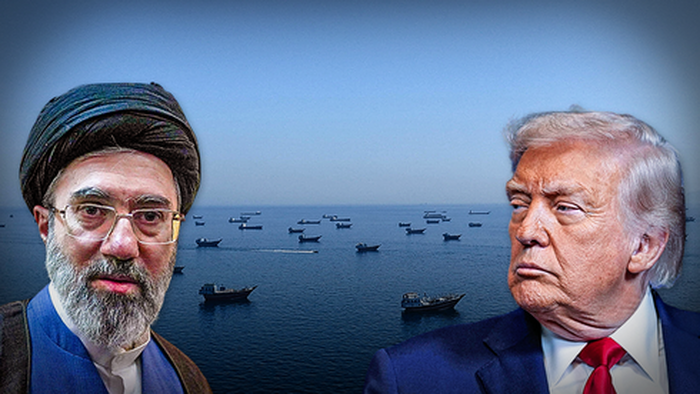
Analysis • Iran is getting closer to controlling Hormuz without curbing its nuclear program
The Iranian-Omani deal on tap for the waterway would give Tehran power it didn't have before the war. The Gulf states, led by Saudi Arabia, have set the boundaries of U.S. military action, so Trump will enter any talks lacking leverage
221 words~1 min read