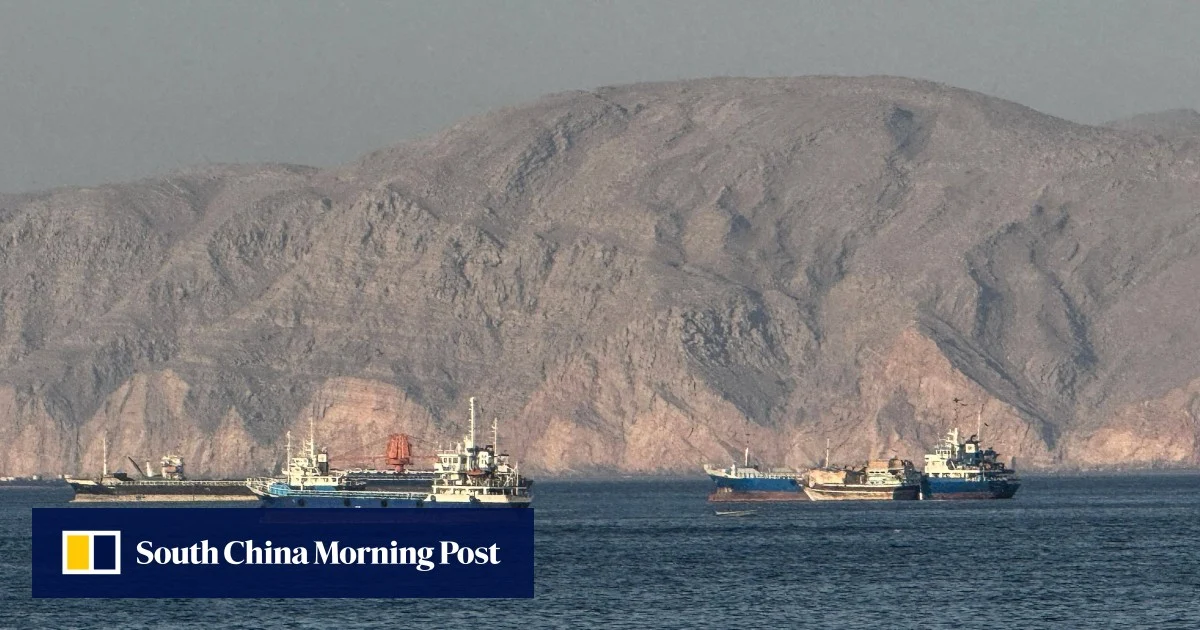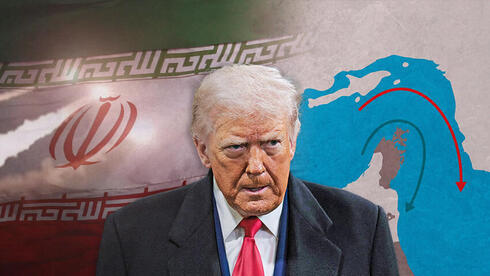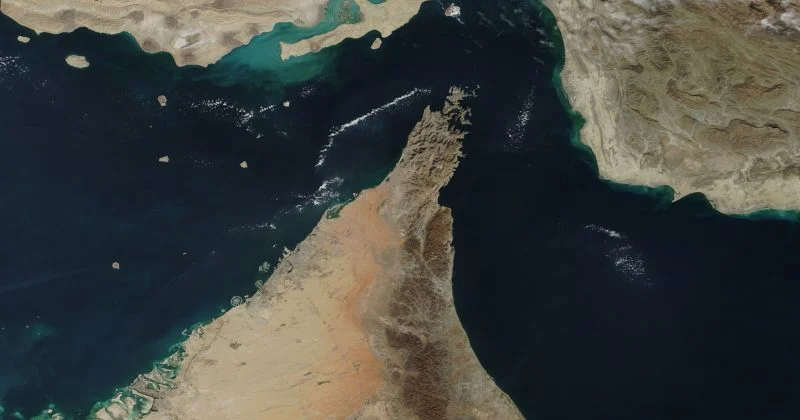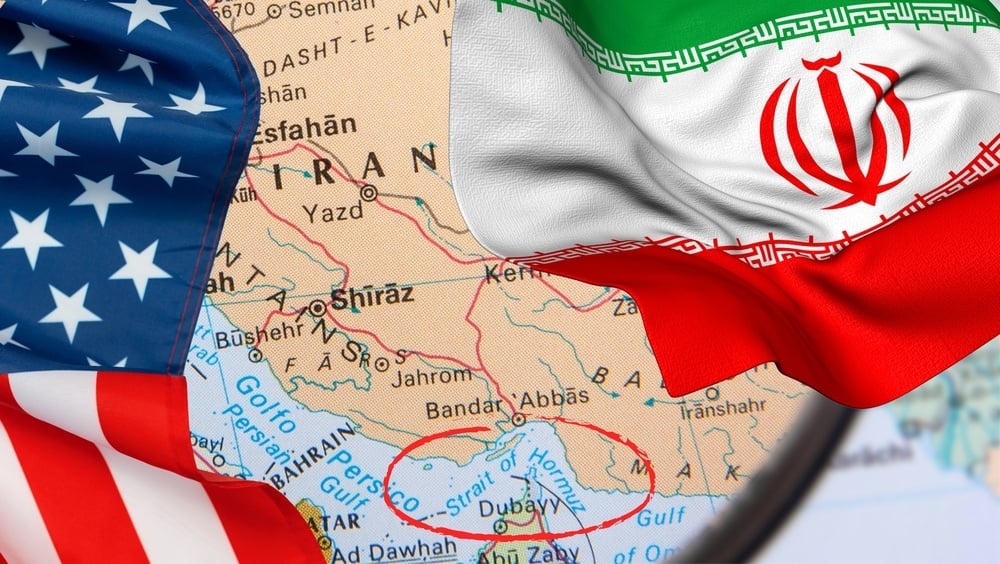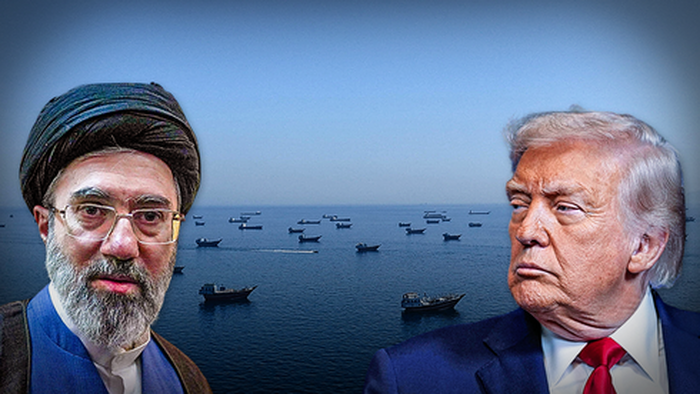
President Trump said late Tuesday that talks with Iran are "moving along very nicely" - in a highly fluid and ambiguous situation where it appears the two sides are only interacting indirectly at best.But the Iranian side has continued to insist that there are currently no peace or ceasefire talks happening, but only the Iran-Oman negotiations which focus on reopening the Strait of Hormuz and setting terms of how it will be managed. Consistent with this narrative, Al Jazeera freshly cites Iran's state broadcaster IRIB which reports that talks between Iran and Oman over the Strait of Hormuz "have nothing to do with the United States". But Washington is presenting it as a US-Oman deal for the strait's reopening, even if it fundamentally remains an Iranian-Omani proposal.WANA/Reuters/AP imagesTrump in his latest comments echoed his Treasury Secretary from the day prior, saying, "It could happen. Tomorrow or the next day." This was on the heels of traveling to Los Angeles yesterday for a fundraising event hosted by the Republican National Committee. "A lot of progress has been made."He told Fox that the White House is now having "very good discussions" with Iranian officials as part of an "all-day negotiation" and that the Strait of Hormuz reopening "is going to be open very soon.""If they back out again, they are going to get hit really hard," the president told the outlet. He had said the same by close of last week, but by the weekend reversed course and decided to refrain from attack Iran again.According to Bloomberg, "The US, Iran and Oman are preparing to announce a 60-day agreement on shipping through the Strait of Hormuz" - but the Iranian side has not affirmed this.So as it stands, Tehran says it is driving the Oman talks and that Washington has been sidelined, while the White House claims that it has directly involvement in shaping the outcome.But all sides do seem in agreement that the technical details and mechanics of the deal are currently being worked on. According to the latest outline of what this is expected to look like via CBS:Under the current proposal, ships entering the Strait would use the channel closest to Iran, with Iran coordinating inbound traffic, while vessels leaving the strait would use the Omani side, with Muscat managing outbound traffic. The proposal also includes a "service fee," with the revenue split between Iran and Oman. According to the source, the broad outlines have largely been agreed upon, with the remaining discussions focused on implementation and timing. Axios reported something similar, in which the US is nearing a Hormuz deal. Axios added that no tolls or fees would be charged during the 60-day period and the parties would work on clearing naval mines from the median lane of the strait within 30 days.As for the claim of 'no tolls', this could once again be just semantics, given the Iranian and Omani sides have consistently signaled the need for fund collection under the headers of safe navigation, logistics, and environmental protection.There has also been some progress on agreements for third-party demining operations. But as Rubio reminded the world yesterday, Washington still insists resolving the nuclear issue - something which the Iranians still say can only be broached after the conflict is ended and there is peace.Below is the version of where things stand via Axios:All inbound traffic of ships through the strait and into the Gulf would go in a northern lane through Iranian waters.All outbound traffic through the strait and into the Arabian Sea would go in a southern lane through Omani waters, in coordination with Iran.No tolls or fees would be charged during the 60-day period.The parties would work on clearing naval mines from the median lane of the strait within 30 days.After the median lane is cleared, it would be used for inbound and outbound traffic under the terms of a permanent arrangement to be negotiated between Oman and Iran.More regional commentary serves as a reminder of the significant obstacles that remain toward reaching a final peace, much less the full reopening of Hormuz Strait:But while Iranians are saying that, at this point, talks are limited to Iran and Oman, it goes without saying that the US is a key factor. We’ve got a report from state TV today citing an informed source who said that even if a deal were reached today, the breach of the Memorandum of Understanding agreement by the US means there won’t be a reopening of the strait. One of the key points of concern for the Iranians regarding the strait is the removal of the naval blockade by the Americans. They have been constantly saying that this is one of the pre-conditions.If Axios and some other major MSM reports are to be believed, the scheme is advancing on the Iranian side. "Two regional sources said Araghchi agreed in principle over the weekend but still needed approval from Iran's Supreme Leader, Mojtaba Khamenei, and the Supreme National Security Council," writes the publication. "A U.S. official and a regional source said Iranian leadership completed its approval process on Tuesday."An interim maritime arrangement, inside a Memorandum of Understanding, within a ceasefire.
Iran Set To Emerge With More Hormuz Leverage Than Before The War Under Draft US-Oman Deal
The emerging outline of how the strait will be managed...
1,085 words~5 min read