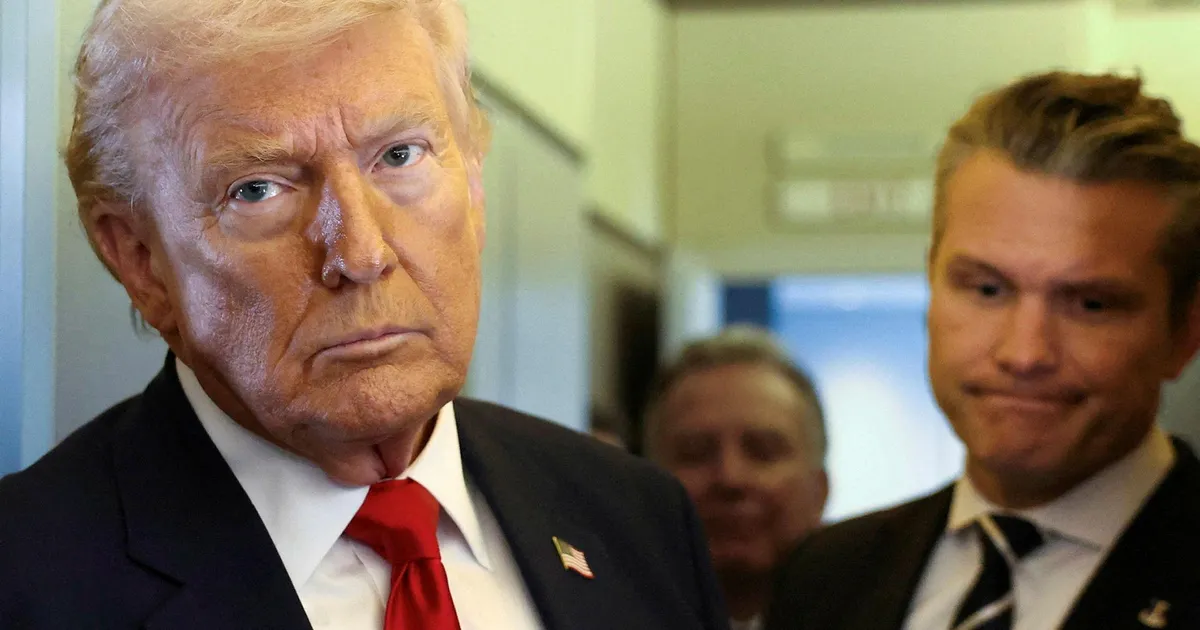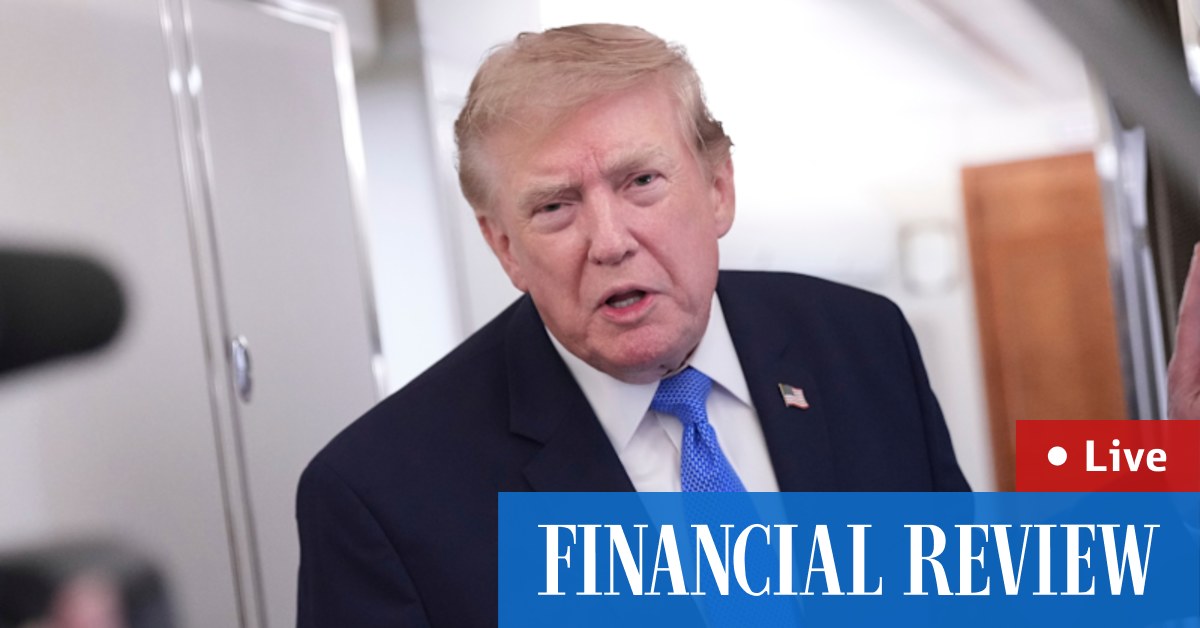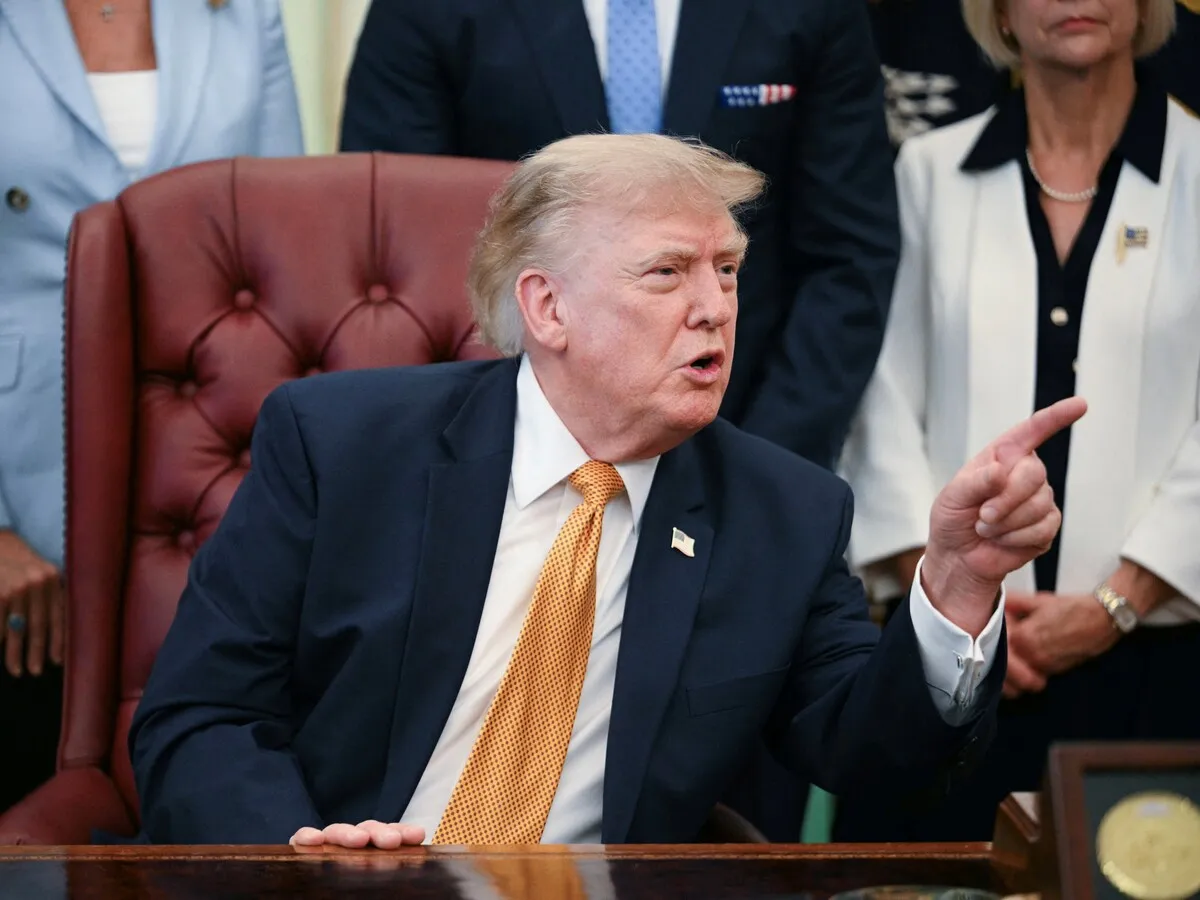
Share to FacebookShare to XArticle printing is available to subscribers onlyPrint in a simple, ad-free formatSubscribeComments: Zen reading is available to subscribers onlyAd-free and in a comfortable reading formatSubscribe06:00 AM • August 04 2026 IDTAfter U.S. President Donald Trump canceled the massive attack he had planned to launch against Iran, at the request of Tehran and "other Middle Eastern Countries," he at least managed to convince the capital markets that he is in control of reality, even if that's the fruit of his own imagination. Oil prices plunged and stock markets soared.In the NewsAs Board of Peace Urges De-escalation, IDF Strikes Reportedly Kill Two in GazaU.S. Supreme Court Won't Halt $655 Million Judgment Against PalestiniansFrom Mossad to Defense Tech: David Barnea Joins Ondas as ChairmanUnfit to Serve: Israel's Defense Minister Crossed Another Red LineFive Months After Temple Israel Attack, Rabbi Feels Like an 'Alternate Universe'Remembering and rebuilding two years laterICYMIThis Israeli ultra-Orthodox Feminist Activist Has a Warning for U.S. JewsNetanyahu Says Israel Has 'Special Forces' Ready if He's Arrested on NY VisitTwo Female Israeli Soldiers Die by Suicide as IDF Mental Health Crisis DeepensDozens of IDF Soldiers Desert Sde Teiman Base in Protest of CommanderHow Israel's Elbit Armed the United Arab Emirates'I Tried, I Got Crushed by AIPAC': Andy Levin Is All-in for El-Sayed
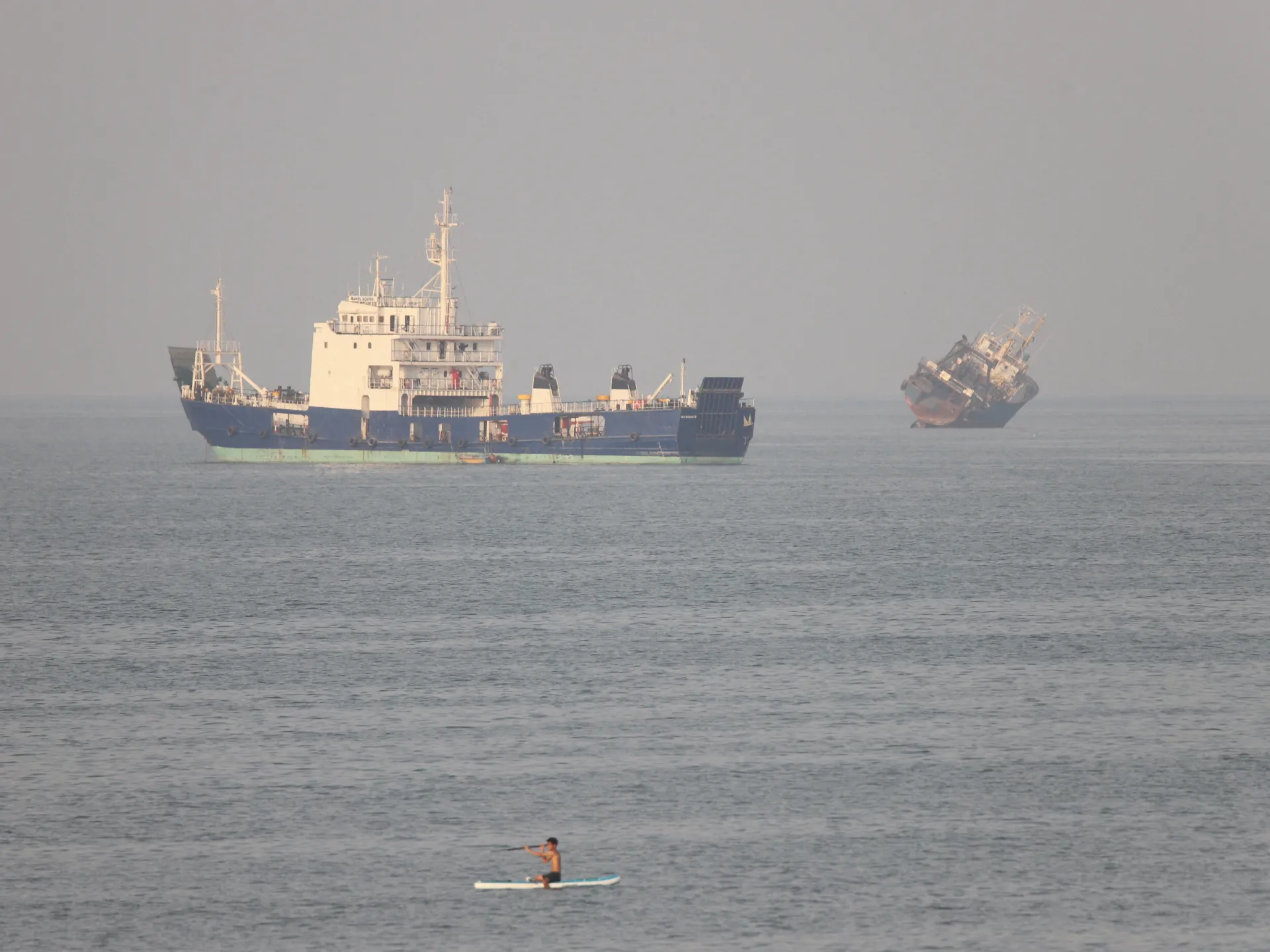
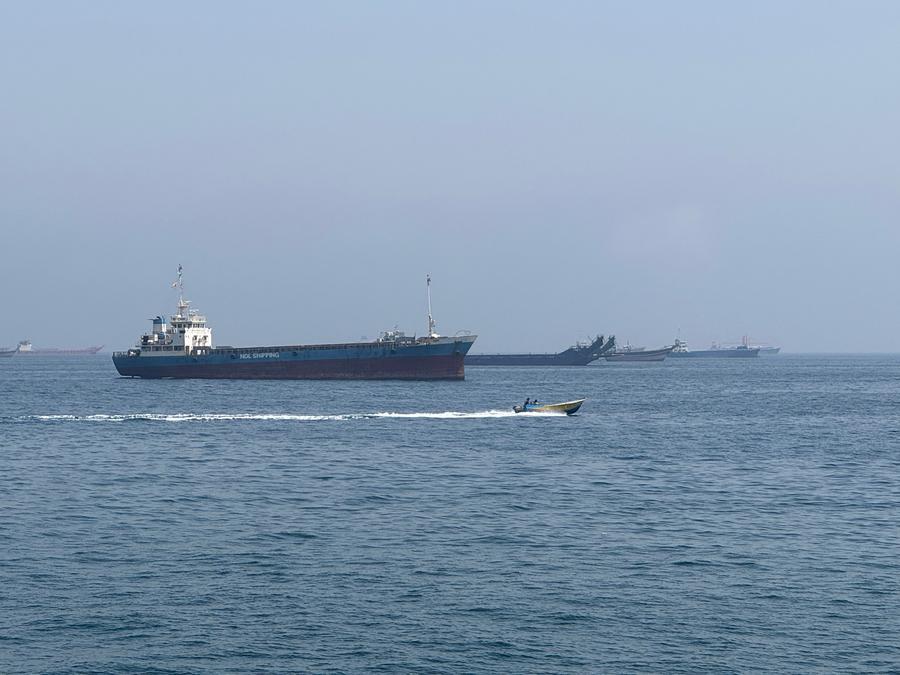
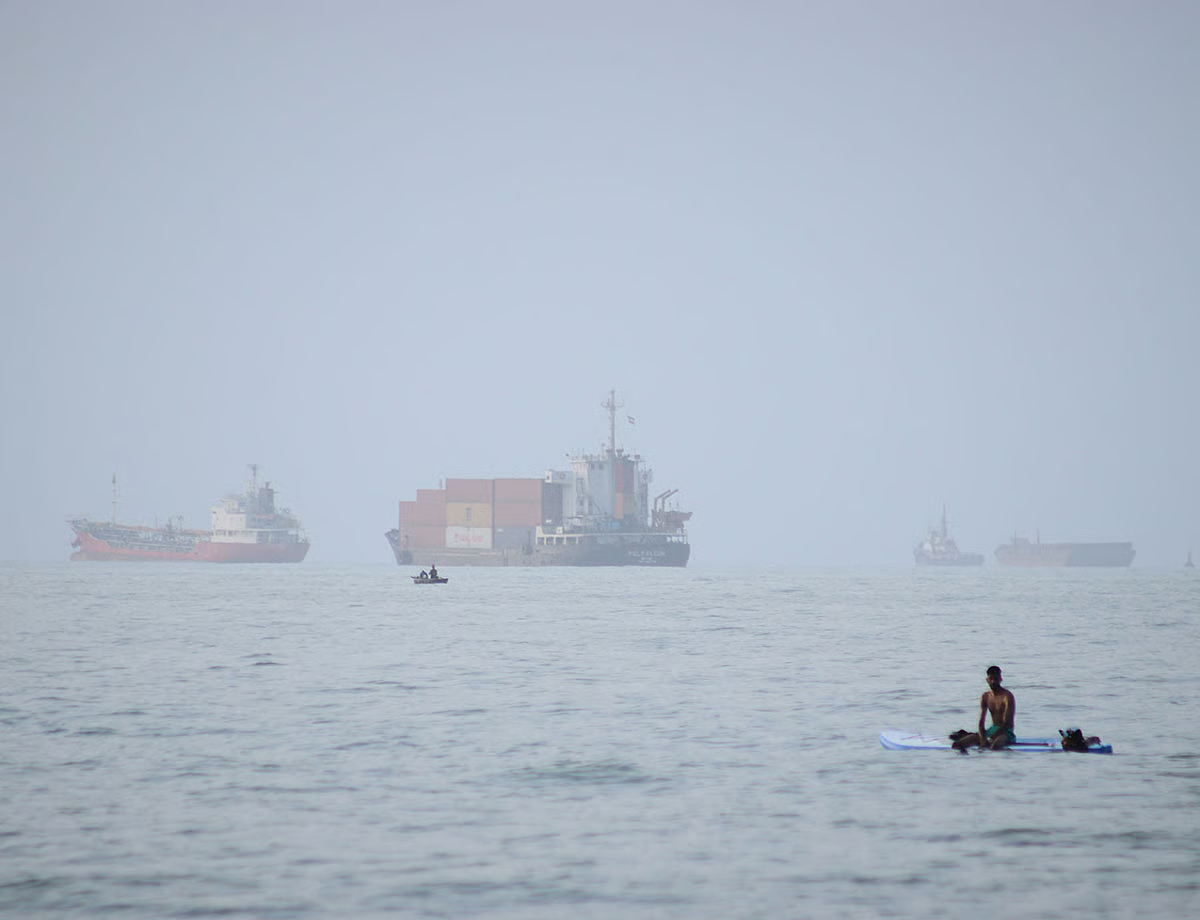
Analysis • As Iran and Oman negotiate, Trump no longer has the upper hand on Hormuz
Decoupling the Hormuz issue from direct U.S. talks is a win for Tehran, but it now has an incentive to reach a deal on the strait – and so do the Gulf states
214 words~1 min read