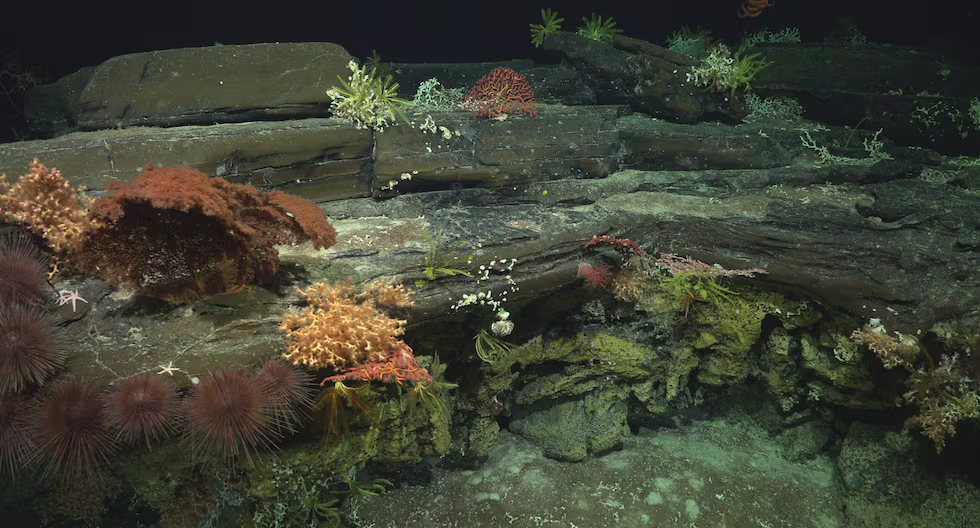
A new study found seamounts in Chile’s Juan Fernández Archipelago remained degraded 25 years after bottom trawling took place there, while an ecologically similar seamount outside of the archipelago, where no bottom trawling had been recorded, continued to support deep-sea habitats, including coral and sponge communities.The researchers also found that the degraded seamounts in the archipelago had become inundated with sea urchins, which they hypothesized could be preventing the recovery and regrowth of coral communities.While the lead author of the study said the research points to the destructiveness of bottom trawling, an outside expert said bottom trawling is not as destructive in some other marine environments, such as sandy, naturally dynamic seabed habitats.While the study’s authors call for protection of these surveyed seamounts, experts acknowledge that protection may not be enough if destruction has already occurred.
The scars of bottom trawling are still visible on seamounts in Chile’s Juan Fernández Archipelago, even 25 years after the fishing practice took place in the area, according to a new study.
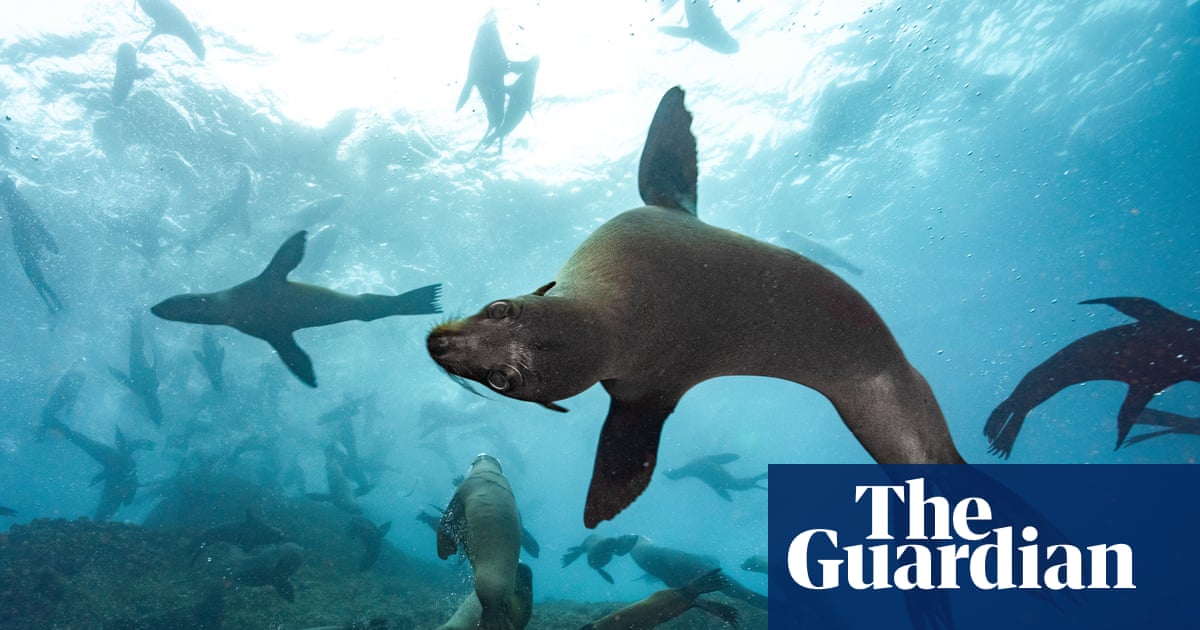
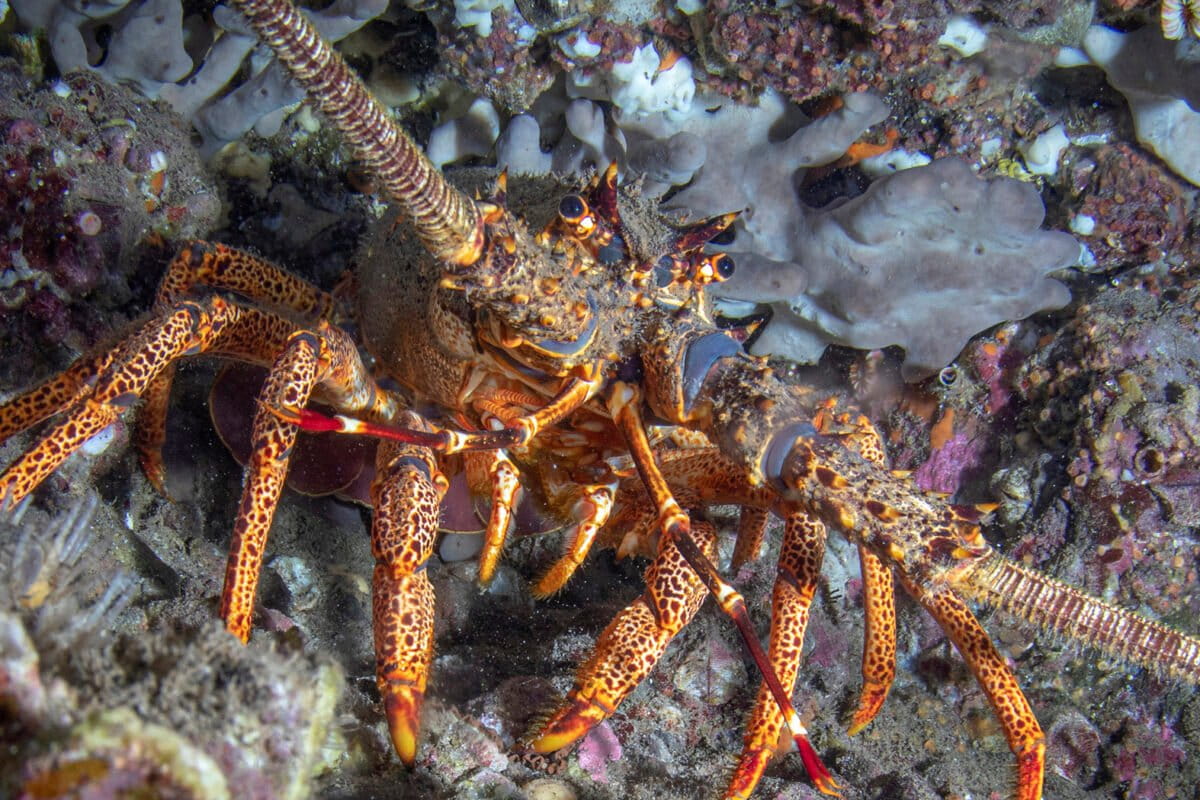
In 2024, scientists from Chile and the U.S. used remotely operated vehicles aboard the Schmidt Ocean Institute’s research vessel R/V Falkor to survey four seamounts, underwater mountains that rise up from the seafloor, off Chile’s coast. Three of the seamounts are located in the Juan Fernández Archipelago, a cluster of volcanic islands that has one of the highest known rates of marine endemism on the planet. An estimated 62% of the reef fish species of Juan Fernández and the neighboring Desventuradas Islands are found nowhere else in the world. Other unique endemic species include the Juan Fernández fur seal (Arctocephalus philippii) and the Juan Fernández rock lobster (Jasus frontalis).