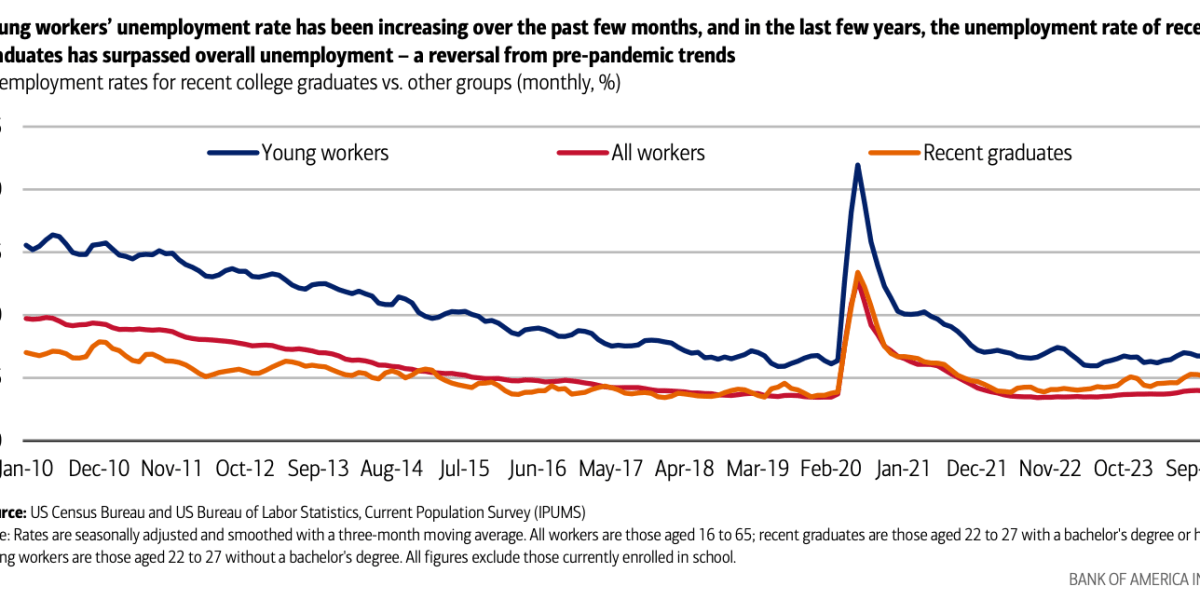
Nonfarm payrolls fell by 23,000 in July, the Bureau of Labor Statistics reported Friday, badly missing consensus estimates that had called for a gain of roughly 80,000 to 90,000 jobs. It’s the second month of outright payroll losses this year. Compounding the miss, the government revised down May and June job growth by a combined 103,000, meaning the economy has added an average of just 34,000 jobs a month over the past year — a fraction of the pace economists consider healthy.
The unemployment rate, meanwhile, ticked down to 4.1% from 4.2%. But almost every economist who weighed in Friday agreed on one thing: that’s not actually good news. The rate fell not because more people found jobs, but because the labor force shrank — by 264,000, according to several estimates — as workers, particularly those aged 55 and older, dropped out of the workforce altogether.
“It’s hard to find many bright spots in today’s jobs report,” wrote Cory Stahle, senior economist at the Indeed Hiring Lab, in a note titled “Unexpected Turbulence.” In Stahle’s extended airplane metaphor, the economy has “descended from the near-stratospheric heights of 2021 and 2022” and is “facing turbulence at lower altitudes.” His conclusion doubles down on the image: “Don’t put too much stock in a single report, but don’t ignore the fact that the plane is starting to shake as the labor market looks to be entering a rough patch.”