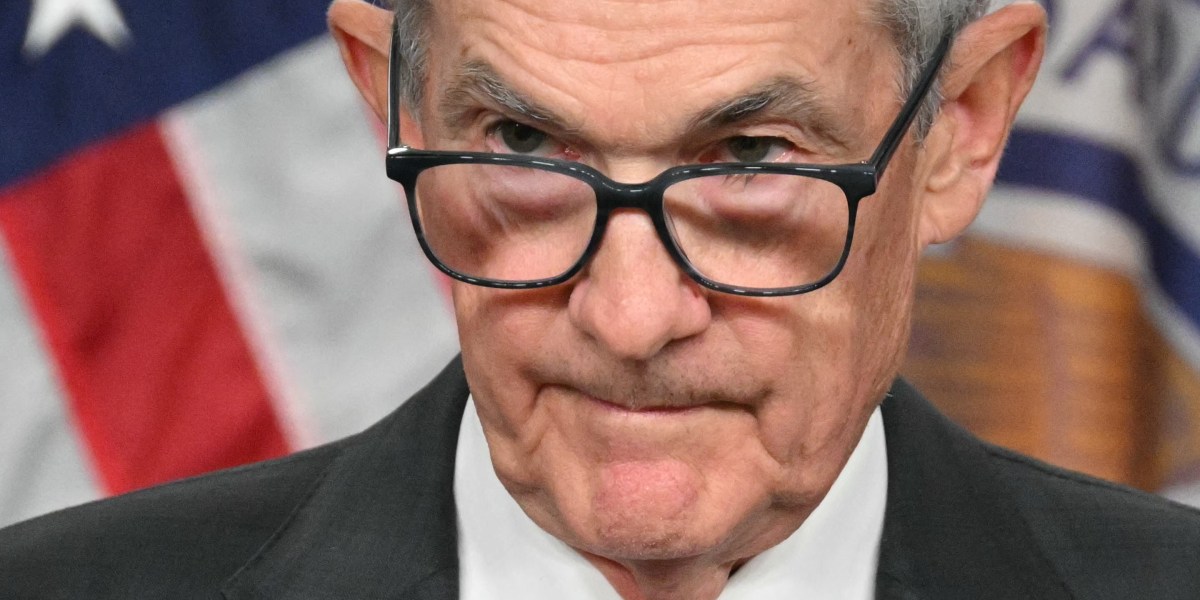
Federal Reserve Chair Jerome Powell put it bluntly after the Fed’s rate cut on Wednesday: recent graduates are feeling the squeeze. At his press conference, he said, “You are seeing some effects from AI, but it is not the main thing driving it.” Despite a recent Stanford analysis that finds since late 2022, early-career workers have seen a 16% relative decline in employment, a quieter force may be even more damaging. Youngism, the set of stereotypes and practices that discount younger workers as unreliable, lazy and disloyal, has outpaced any other type of ageism — and the economic impacts are startling.
Here is the bigger picture. Early-career workers have lost ground relative to older cohorts since 2022 and roughly half of employers tell researchers that young applicants are “not job-ready.” In one report, 93% of young people said they have faced negative age-based treatment at work, and more than one in four say it made them question working at all. In the United States, federal age-bias protections under the Age Discrimination in Employment Act begin at 40, which leaves Gen Z in a legal blind spot.
The result is a quieter structural change inside companies. Entry roles are thinning as job postings creep up to require three to five years of experience, and the first rung, which once trained beginners, is disappearing.