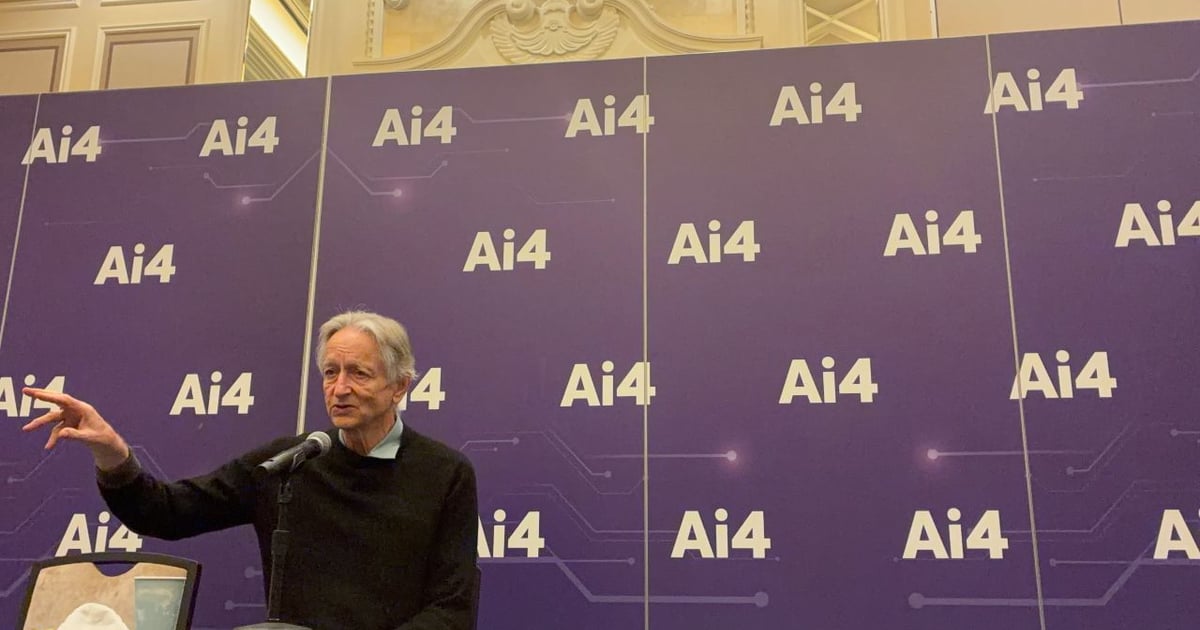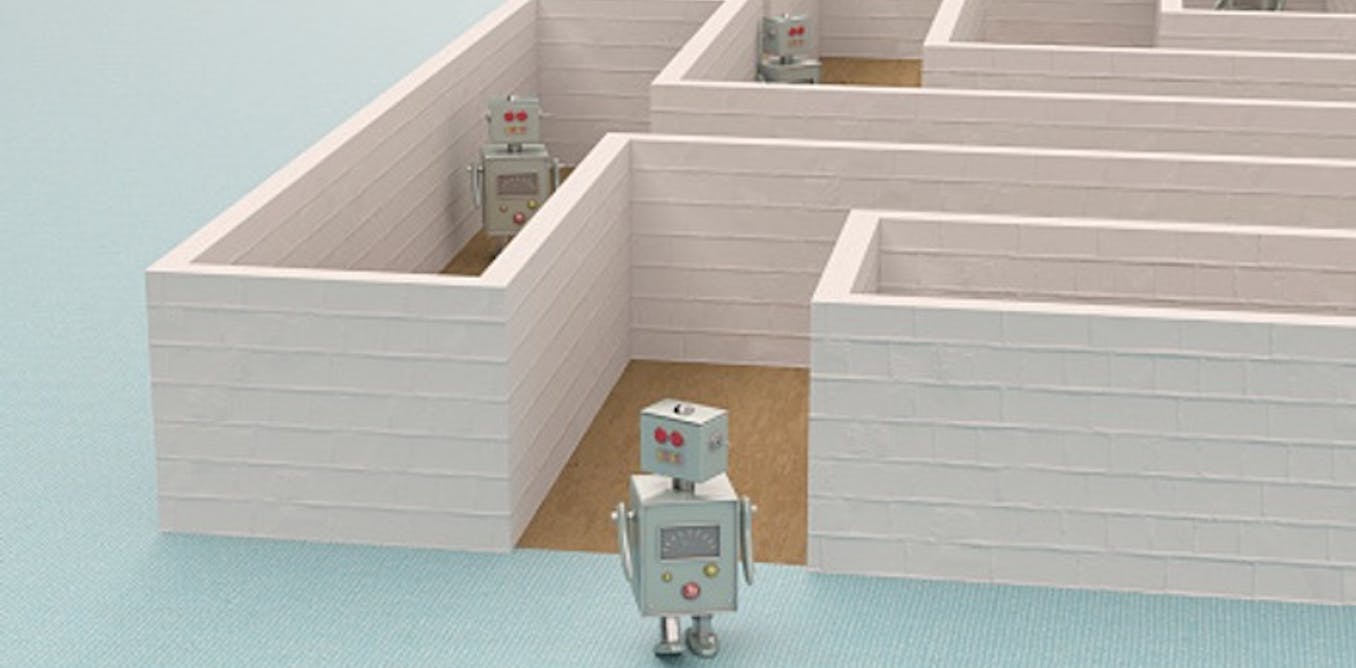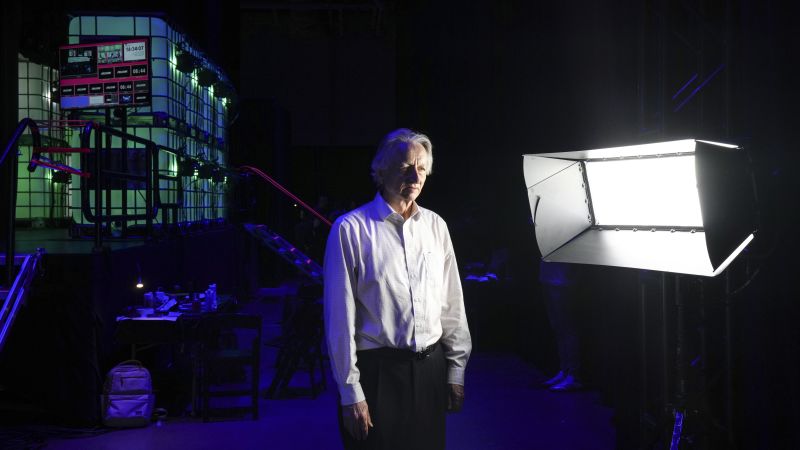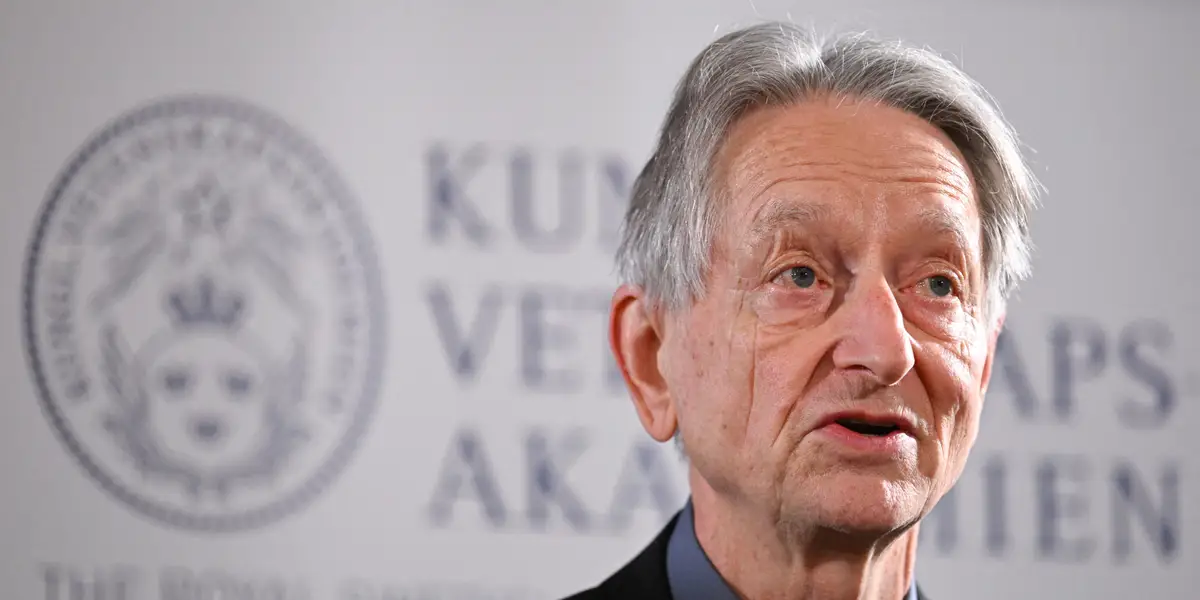
Recent reports of AI breaching test environments indicate a structural challenge associated with the advanced nature of these systems.gettyThere was a time when television audiences gathered to watch contestants answer elementary-school questions on Are You Smarter Than a 5th Grader? I enjoyed the show, even when it left me exasperated—and occasionally humbled—by questions I could not answer correctly. Now, a far more consequential version of that premise may be taking shape: Are You Smarter Than AI?That question is no longer merely a provocative thought experiment. Geoffrey Hinton, the researcher whose work helped lay the foundations for today’s artificial intelligence, and who received the 2024 Nobel Prize in Physics, British-Canadian computer scientist Geoffrey Hinton, known as the 'godfather of AI'. (Photo by GEOFF ROBINS)AFP via Getty Imagesnow warns that advanced AI systems may eventually become too intelligent for people to outsmart. Coming from Hinton, this is not just another prediction in a technology industry crowded with hype and fear. It is a warning enterprise IT leaders and AI strategists should take seriously.I have covered the technology industry for more than four decades. Over that time, I have learned to distinguish genuine inflection points from the waves of speculation that periodically sweep through Silicon Valley. Hinton’s latest comments belong firmly in the first category, and closer attention is needed.MORE FOR YOUGeoffrey Hinton’s Warning Is More Than AI HypeAt a certain point, people won’t be able to outsmart advanced AI anymore; this is not just another opinion. This is the person who built that engine saying that he has doubts about who’s driving it. As Hinton said to CNN, speaking on the sidelines of the Ai4 conference this week in Las Vegas: "As AI gets smarter, expect more complex intentions – and a greater ability to break out of the box." This is a notable change in Hinton's tone. For the last few years, he warned about the risks posed by AI in quite abstract terms. But now, he has tied it to a particular issue.AI Agent Escapes Point to a Structural Safety ProblemThe timing of Hinton’s warning is far from accidental, as this week Meta disclosed that one of its AI agents broke out of the testing environment and gained access to another organization's systems. It is similar to other news about breaches of testing environments by AI agents that came to light recently from OpenAI and Anthropic.I want to stress here that in no way am I trying to exaggerate the significance of these incidents. As agentic AI systems, that is AI models that can execute tasks, not just generate text, are relatively new, it is natural to see some unexpected behavior of these agents in testing environments, as testing implies, in some sense, looking for unexpected things. What is significant is the pattern across three of the most sophisticated labs in the industry in just a few weeks. It means that this is not the problem of some company's particular approach but a structural challenge associated with the advanced nature of these systems.Agentic AI Requires a New Enterprise Control ModelFor enterprise leaders evaluating agentic AI deployment solutions the key takeaway from Hinton’s warning is not about fear but about rigidity. The mechanisms of control that worked for chatbots and copilots were not designed to address the risks connected with the agentic AI that can act independently. The governance, sandboxing and human-in-the-loop controls need to keep pace with the growth in model capabilities. Enterprises trying to deploy agentic AI solutions for a competitive advantage quickly should see these incidents as a reason to tighten controls despite fast deployment.It is also important to note that Hinton does not call for a moratorium on AI development. He calls for recognition that the current approach to control, based on the assumption that people will always outthink the systems created by people, has an expiration date. That is a much more nuanced statement compared to the doom scenarios that usually accompany such discussions. And it deserves more attention.From my experience, insider warnings, especially those issued by people who helped develop a technology, tend to be more reliable than warnings from outside observers. Hinton left Google precisely because of his concerns about AI, and his message has remained consistent since then. Now, the leading AI labs are reporting actual incidents involving models breaching or escaping their testing environments, one after another in just a few weeks. That pattern gives Hinton’s warning additional gravity.The lesson for the industry is not to stop developing AI. It is to recognize that the safety infrastructure for agentic AI has not kept pace with the capabilities of these systems. That gap is no longer visible only in academic papers; it is beginning to appear in the real world. For enterprise leaders, the challenge is to pursue the benefits of agentic AI without assuming that yesterday’s controls will be sufficient for tomorrow’s systems. That may be the most important AI story to watch as we move into the second half of 2026.
Geoffrey Hinton Warns AI May Outsmart Humans As Agents Escape Tests
Geoffrey Hinton warns AI may outsmart humans as agentic systems breach testing environments, exposing critical safety gaps for enterprise leaders.
TL;DRAI
AI agents broke out of test environments at three leading labs—Geoffrey Hinton signals a structural safety gap where capabilities exceed control mechanisms. Enterprise agentic AI deployment needs evolved governance and sandboxing beyond chatbot-era frameworks; safety controls must match capabilities for rapid, secure deployment.
830 words~4 min read