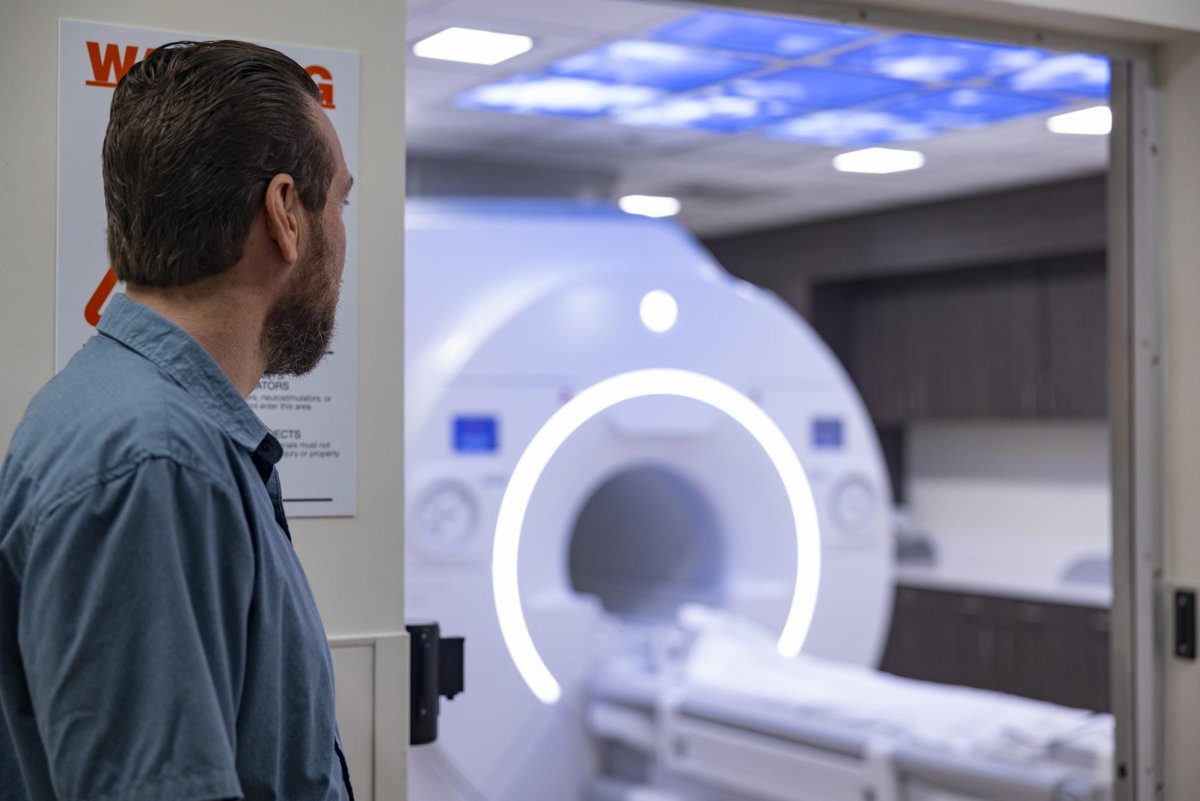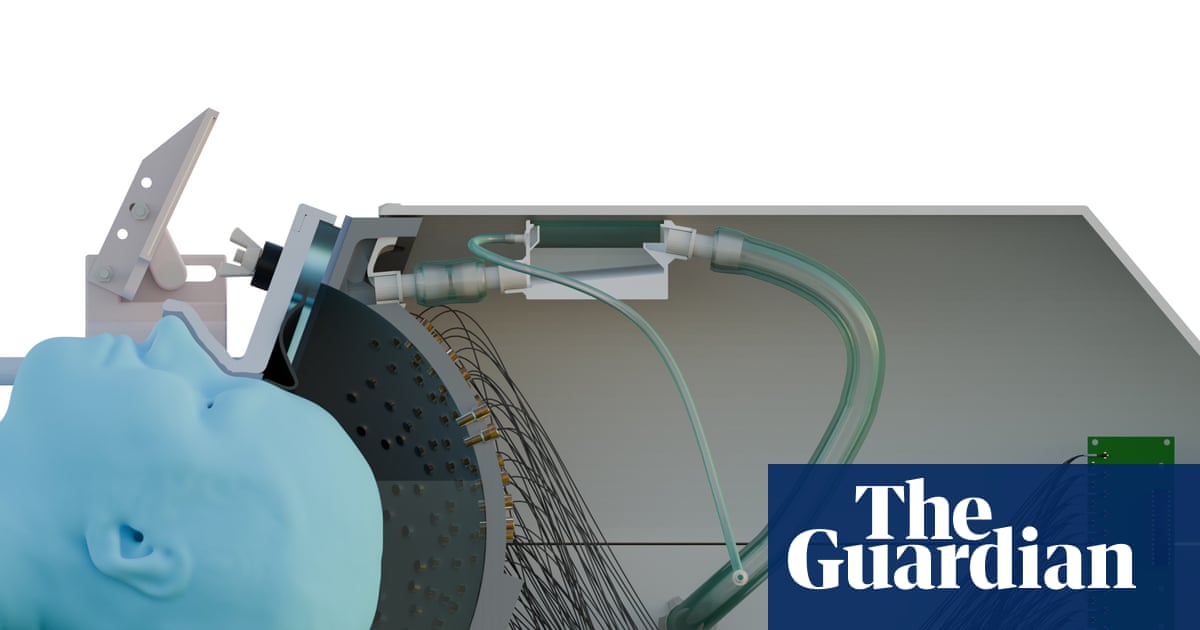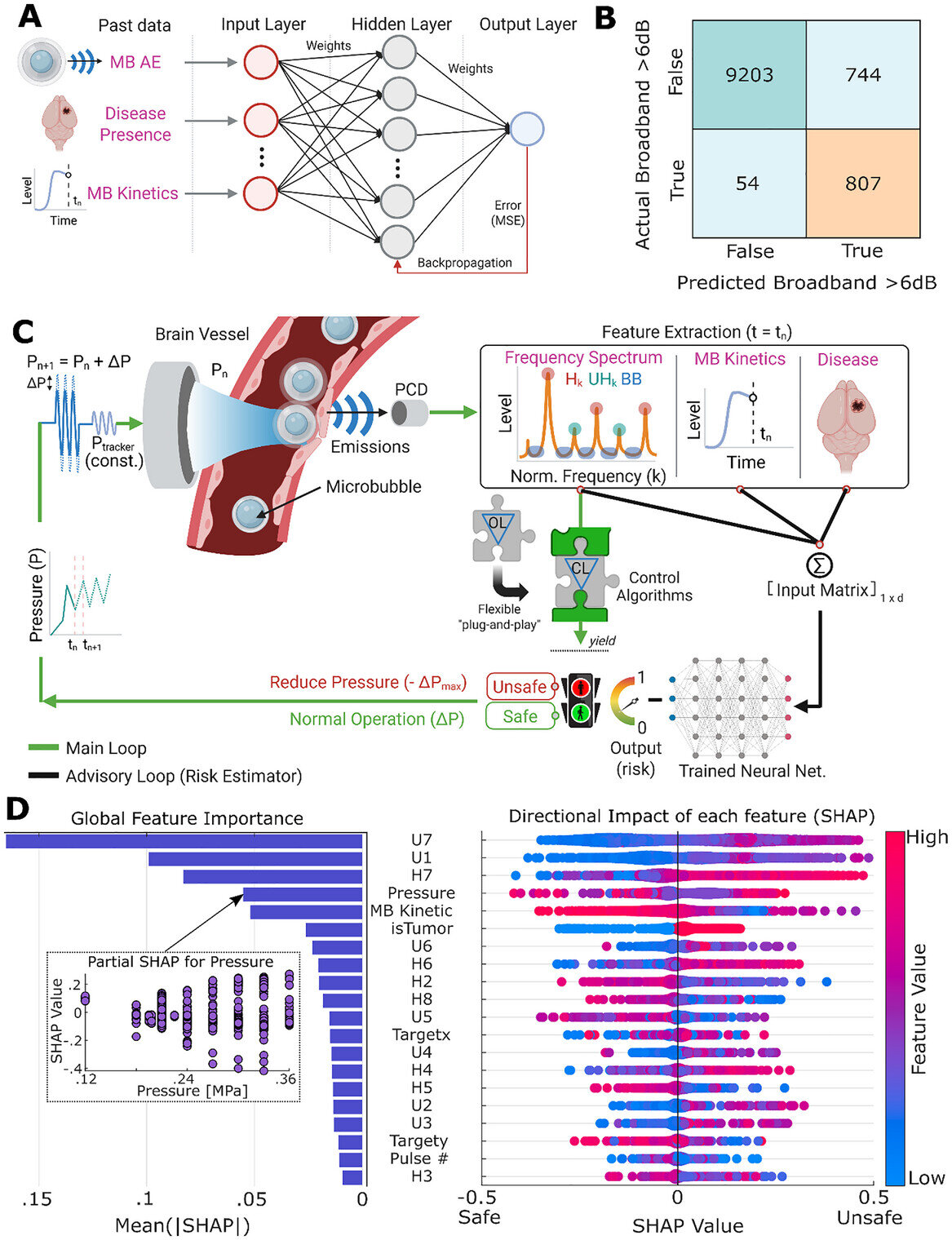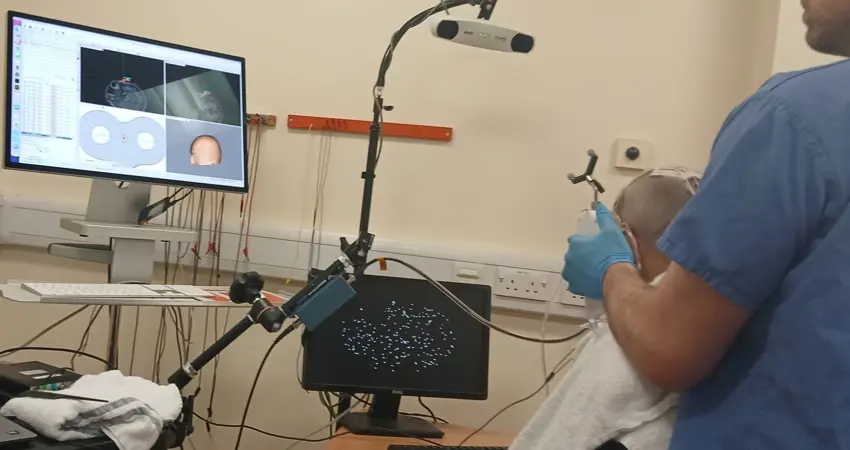
Aaron Timm is the CEO of Openwater.gettyOne of the unintended consequences of increasing human longevity is that age-related neurological and psychiatric disorders have become more common. More than 1 in 3 people will experience such a disorder in their lifetime, from Alzheimer’s and Parkinson’s to brain cancer, making brain health a defining challenge of modern medicine. These conditions now rank as the second leading cause of death worldwide after cardiovascular disease. Many of these conditions have no cure and significantly erode a person’s healthspan, the years that a person is healthy and disease-free.Over the past decade, ultrasound has developed into a promising technology for increasing the efficacy of central nervous system drug therapies by opening the blood-brain barrier (BBB), which blocks many large drug molecules from entering the CNS. In this approach, low-intensity focused ultrasound (LIFU) is paired with intravenously injected microbubbles. The sound waves cause the bubbles to oscillate, temporarily opening the BBB and allowing larger molecules to pass.In early studies, opening the BBB alone has shown signs of benefit, potentially by helping the brain clear metabolic waste and amyloid plaques that contribute to diseases like Alzheimer’s. Ultrasound has great potential to improve brain health, but in order to scale research, it’s vital that we find ways to make the technology more independent of active MRI guidance, which remains the current validated standard. MRI machines cost millions of dollars, require large scanning suites not available globally and are already in high demand for diagnostic imaging. Reducing reliance on active MRI guidance, such as by using a patient’s existing MRI scans, could allow researchers to access the full potential of this technology for safeguarding brain health.Breakthroughs In Brain AccessThe transition of ultrasound from a lab curiosity to a widely used clinical tool began in the 2000s, when research proved that low-intensity ultrasound paired with circulating microbubbles could safely and temporarily create a gap in the tight junctions of the BBB.However, the true turning point occurred in 2018, when researchers at Sunnybrook Health Sciences Centre published the first-in-human results demonstrating that this could be done repeatedly and noninvasively in patients with Alzheimer’s.Since then, the pace has accelerated from safety pilots to efficacy-driven trials. More recent studies have shown that opening the BBB could significantly accelerate the clearance of amyloid-beta plaques when paired with monoclonal antibody therapies. Today, we have transitioned into phase III pivotal trials for glioblastoma, showing that ultrasound can deliver chemotherapy directly to tumors that were previously unreachable. While research is still ongoing, we are now moving past the question of whether this technology works and toward how to make it clinically applicable. Expanding Clinical Adoption While the clinical data is increasingly compelling, the delivery mechanism remains a significant bottleneck. Currently, most ultrasound-mediated BBB opening requires active guidance from MRI machines. This creates a structural bottleneck: Each treatment consumes hours of MRI time that directly competes with high-throughput diagnostic imaging. An MRI-guided procedure can take several hours, meaning a scanner that could handle dozens of diagnostic patients per day might only support a handful of BBB-opening treatments if the model were to become standard procedure. Chronic conditions like Alzheimer’s would potentially require serial, repeated treatments over months or years, making this model economically and logistically unsustainable.The next phase of CNS delivery depends on decoupling precision from active MRI guidance. While MRI technology provides essential targeting tools and a regulatory foundation for neurological disease research, more options are needed that increase access to the technology without reducing diagnostic imaging capacity. For example, early clinical systems are now demonstrating portable LIFU platforms using prior MRI scans and advanced neuronavigation via infrared or optical tracking, to target brain structures with millimeter precision. A 2025 study in Pharmaceutics suggests that as a new generation of systems become more modular and software-defined, we can move the point of care from the specialized surgical theater to the neurologist’s office. Scaling this solution requires transitioning from a specialized procedure to a standardized protocol that integrates seamlessly into routine clinical workflows.Matching Healthspan To LifespanModern medicine has enabled us to greatly expand the human lifespan, but age-related neurological and psychiatric disorders prevent many people from having a healthspan of similar length. While we possess the chemical ingenuity to fight these diseases, the BBB has long kept us from delivering treatments to the site of the disease.As researchers continue to investigate the potential of focused ultrasound, the current evidence suggests that it can expand the delivery of biologics and gene therapies that have historically been difficult to transport across the brain’s natural defenses. Although clinical validation and adoption are still underway, these continued advances in ultrasound technology could make neurological care as precise and scalable as treatments for the rest of the body, with the potential to ensure neurological healthspan finally matches lifespan.Forbes Technology Council is an invitation-only community for world-class CIOs, CTOs and technology executives. Do I qualify?
Unlocking The Potential Of Ultrasound In CNS Drug Delivery
The next phase of CNS delivery depends on decoupling precision from active MRI guidance.
810 words~4 min read