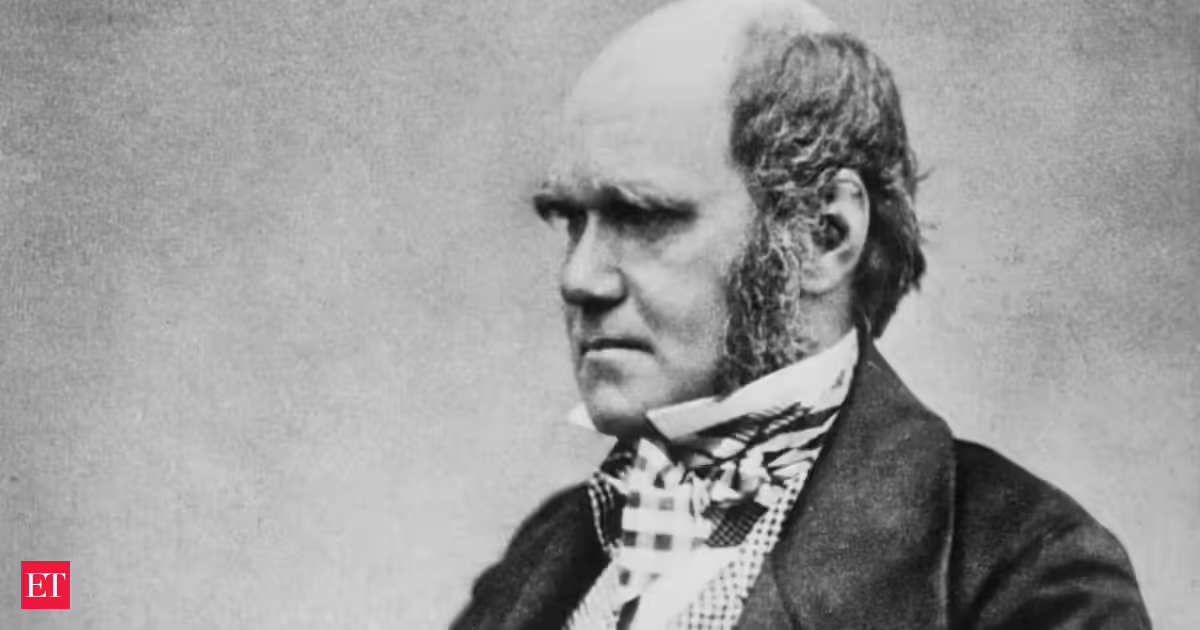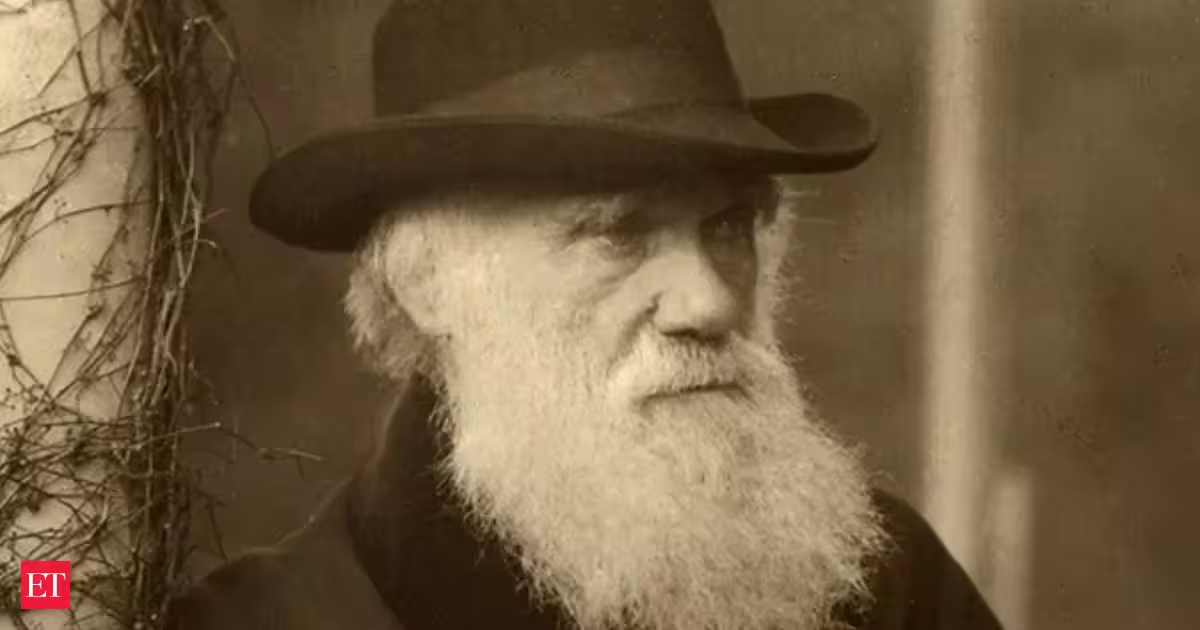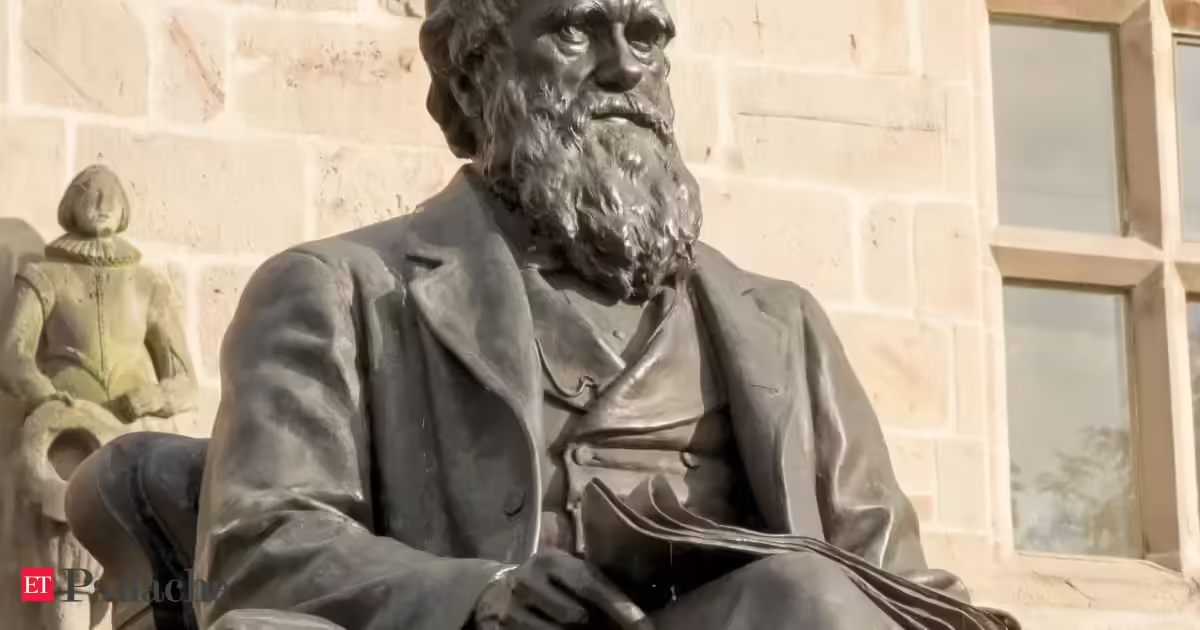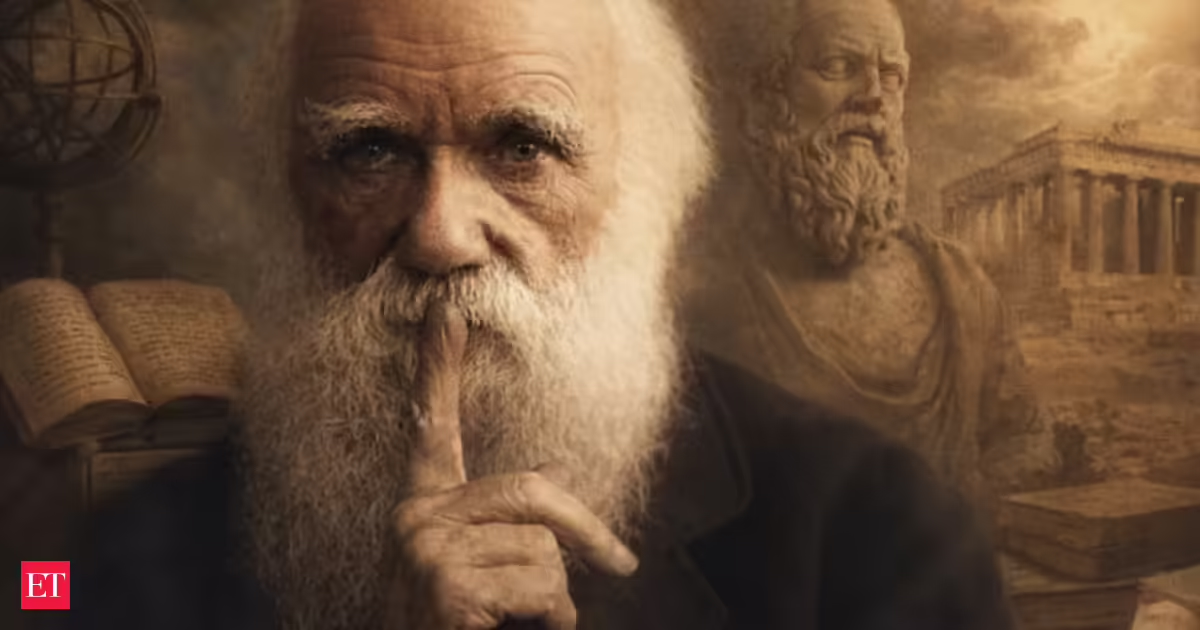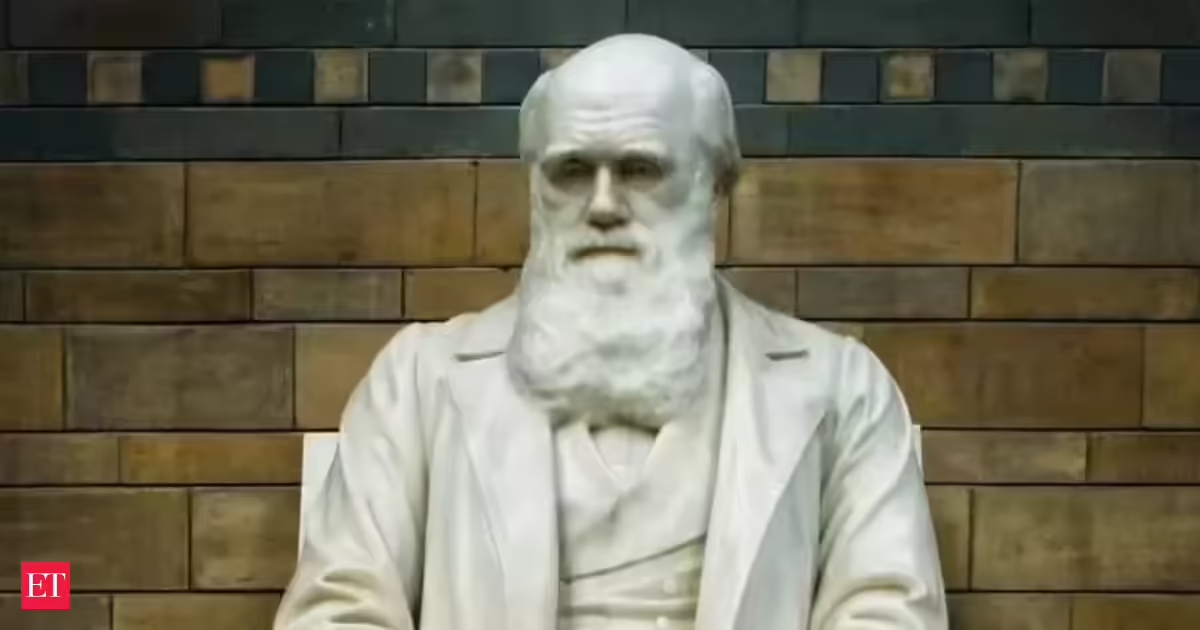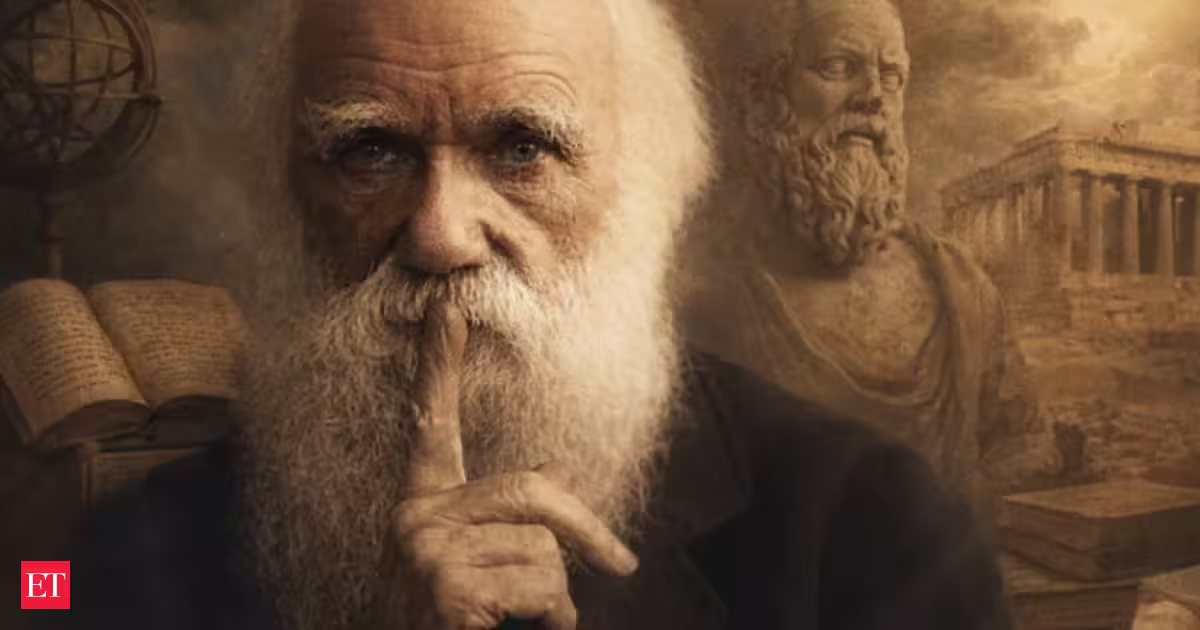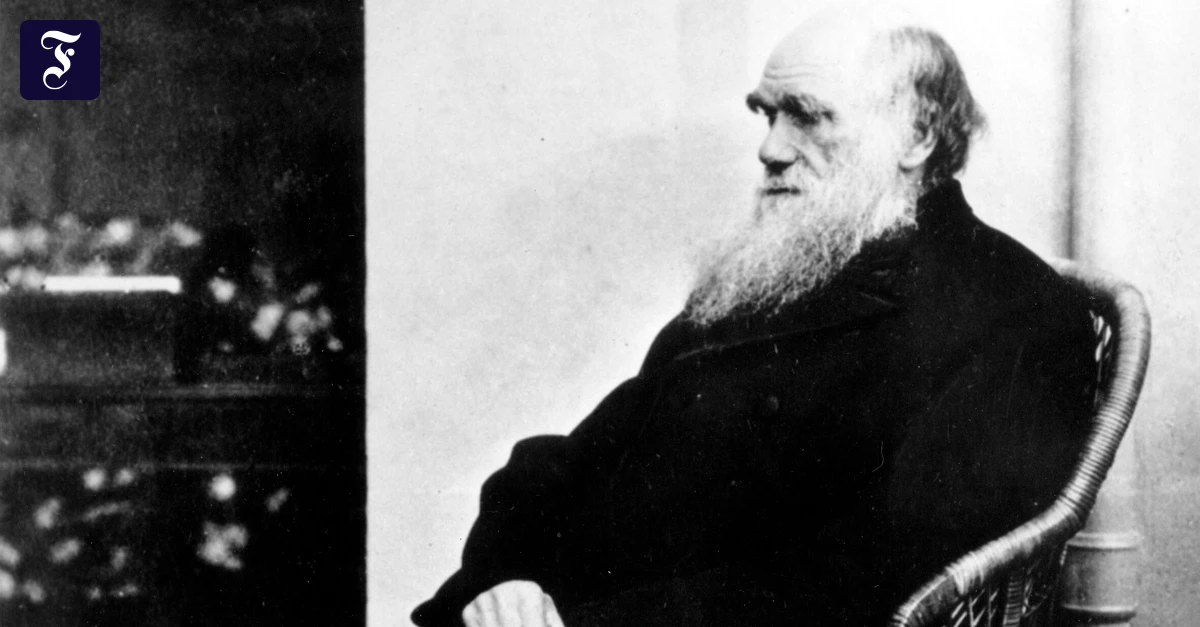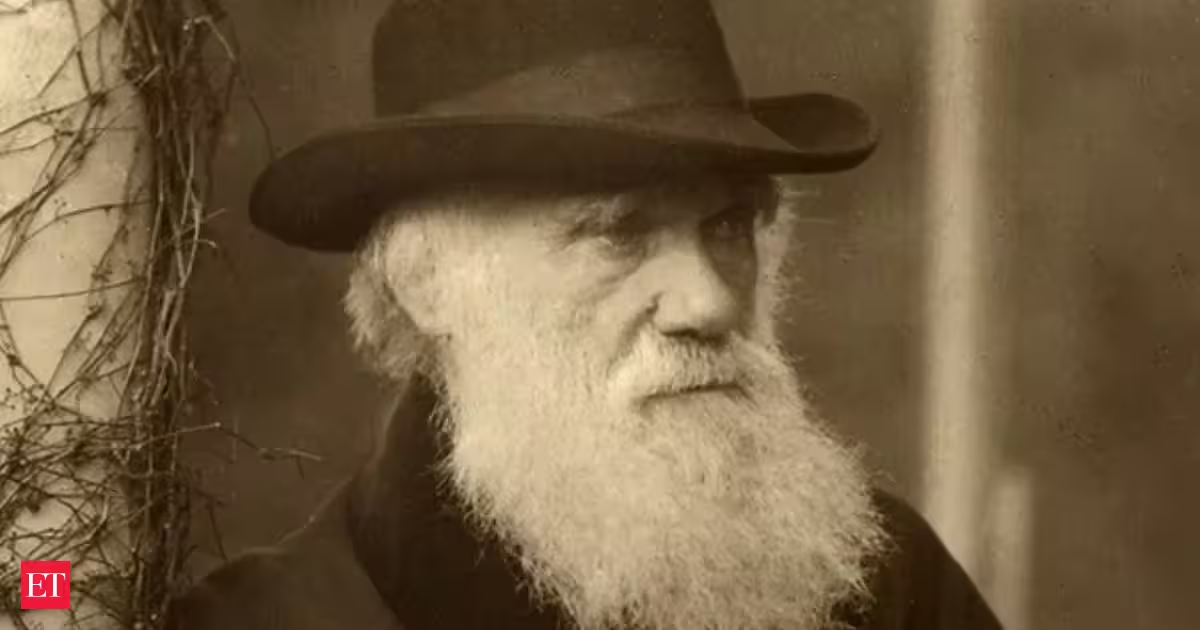
"The question of whether there exists a Creator and Ruler of the Universe has been answered in the affirmative by some of the highest intellects that have ever existed." — Charles DarwinCharles Darwin is often remembered solely as the scientist who developed the theory of evolution by natural selection, a concept that transformed biology and reshaped humanity's understanding of life on Earth. However, this lesser-known quote reveals a more nuanced side of Darwin's thinking on one of history's most debated questions—the existence of a Creator.Rather than making a definitive declaration about his own beliefs, Darwin acknowledged that many of history's greatest intellectual minds had concluded that a Creator and ruler of the universe exists. The statement reflects his willingness to recognize the complexity of the debate, even as his own scientific work challenged traditional explanations of how species evolved.Throughout his life, Darwin's views on religion evolved. Raised in a Christian family, he gradually became more skeptical as he pursued scientific research, particularly during and after his voyage aboard HMS Beagle. Yet he repeatedly resisted being labeled either an atheist or a militant critic of religion. In his autobiography, Darwin described himself as more accurately fitting the term "agnostic," acknowledging that some questions may remain beyond the reach of scientific evidence.The quote also highlights an important distinction between science and philosophy. Darwin's theory of evolution sought to explain how life changes over time through natural processes. It did not attempt to answer broader metaphysical questions about why the universe exists or whether it has a creator. Those questions, he recognized, have long been debated by philosophers, theologians and scientists alike.More than 140 years after Darwin's death in 1882, his words continue to resonate because they encourage intellectual humility. They remind us that scientific inquiry and philosophical reflection often explore different dimensions of human understanding, and that some of history's greatest thinkers have arrived at different conclusions while examining the same profound questions.Whether one approaches the universe through science, faith or philosophy, Darwin's observation serves as a reminder that curiosity, evidence and open-mindedness remain central to the search for knowledge.
Quote of the Day by Charles Darwin: "The question of whether there exists a Creator..." — What history's most influential biologist said about God and religion
Charles Darwin recognized that numerous eminent thinkers held faith in a Creator. His pioneering research posed challenges to conventional views of evolution. Identifying as agnostic, Darwin accepted that some inquiries lie beyond the scientific realm. While science elucidates the mechanics of life's evolution, it doesn't address the reasons for the universe's existence. His perspective advocates for intellectual humility and encourages a quest for knowledge.
348 words~2 min read