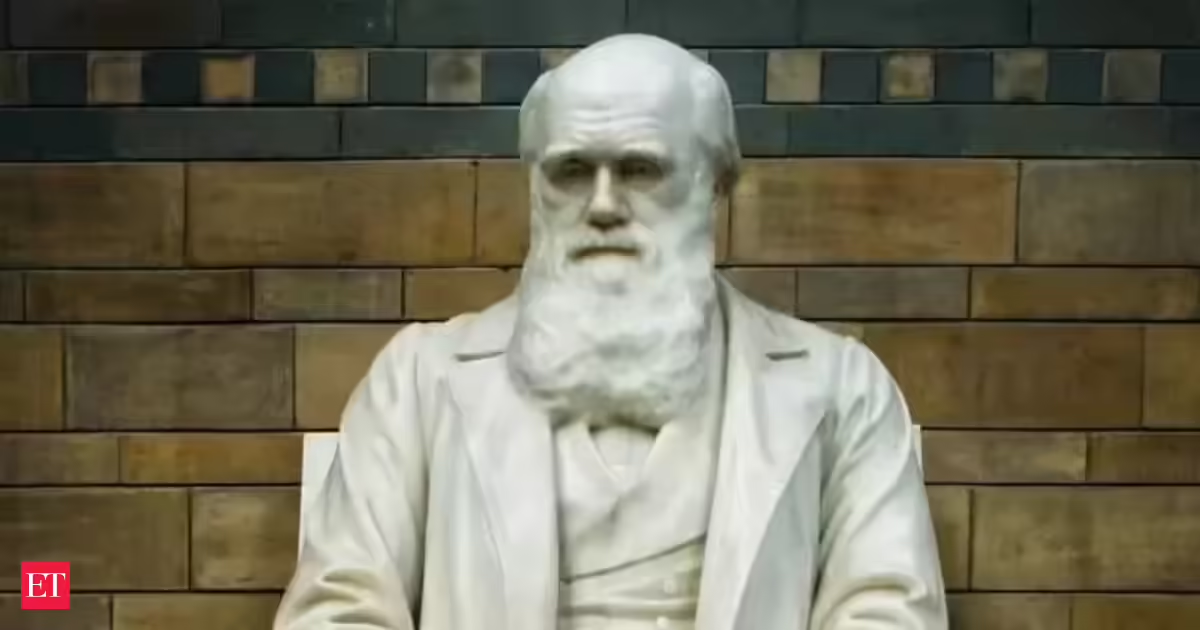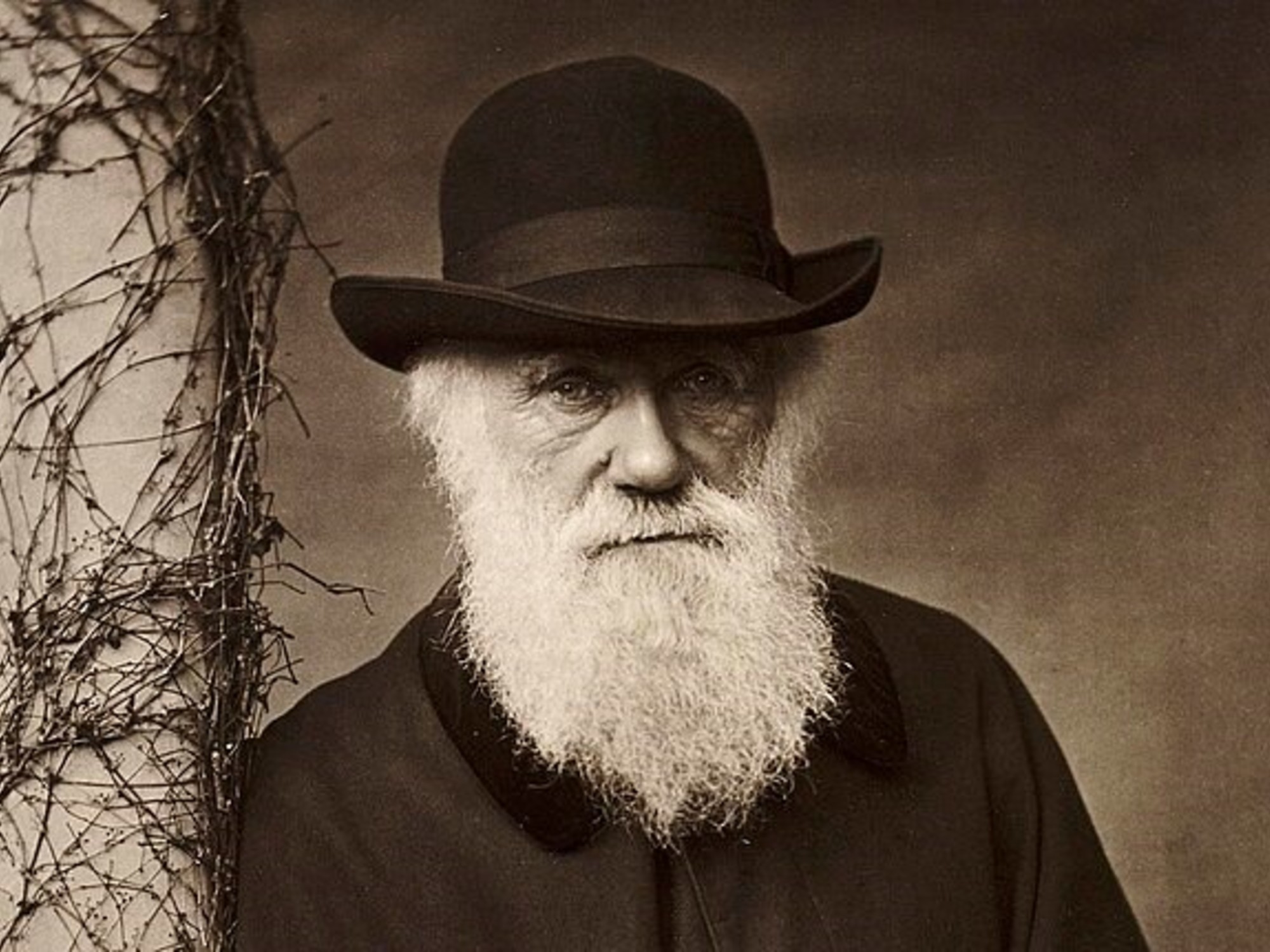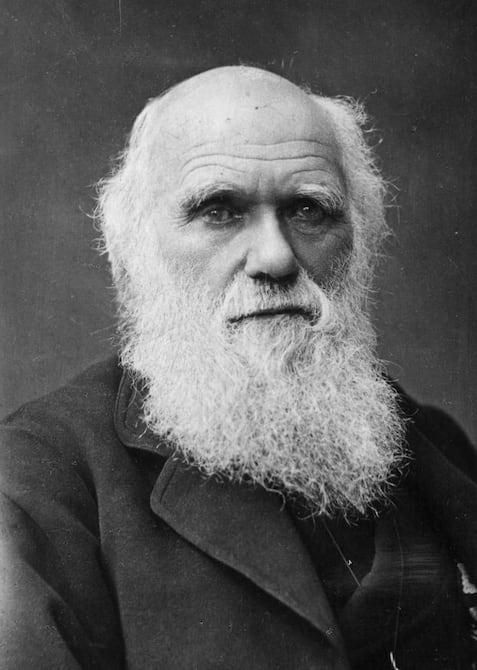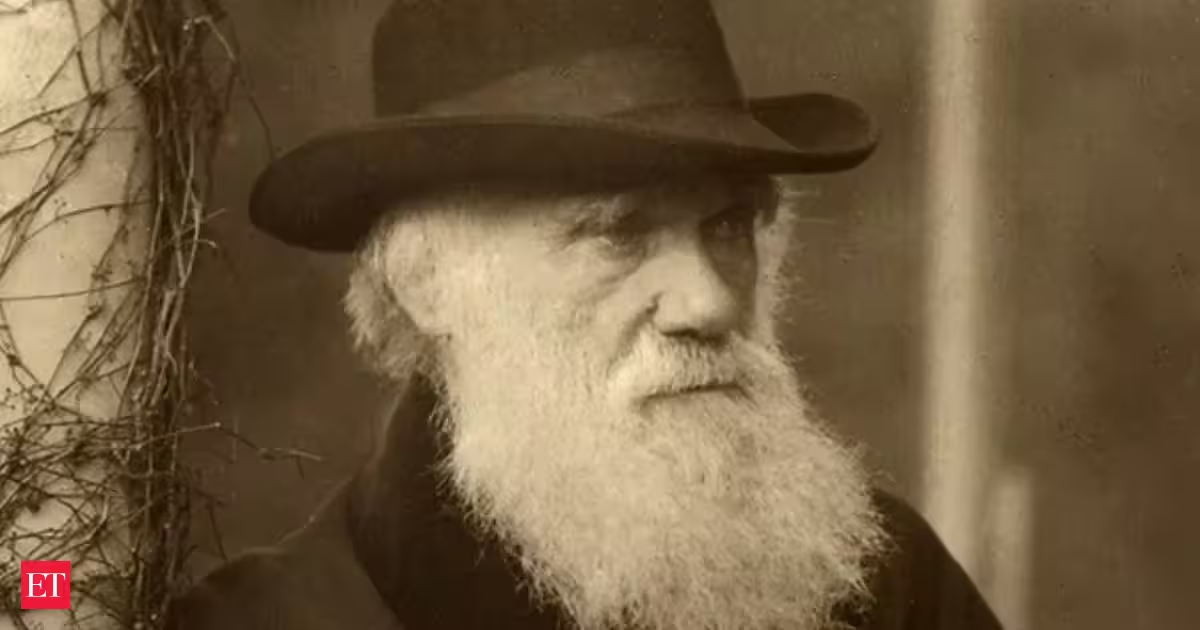
In the study of nature and human development, few ideas have remained as widely discussed as Charles Darwin’s observations on how life evolves and survives over time. His work reshaped how people understand growth, survival, and change in both the natural world and beyond. Among his many reflections, the quote of the day stands out for its simple but lasting meaning about survival and adaptation in life.“It is not the strongest of the species that survives, nor the most intelligent, but the one most adaptable to change.”This quote highlights a core idea from Darwin’s thinking about evolution and survival. The message is not that strength or intelligence has no value, but rather that neither guarantees long-term survival on its own. Conditions in nature are never fixed, and environments keep shifting in ways that force living beings to respond or adjust.The meaning becomes clearer when seen in practical terms. Species that are able to adjust their behavior, habits, or physical traits when surroundings change are the ones that continue to exist over time. Those that fail to adjust slowly disappear, even if they were once powerful or highly intelligent. Adaptability, in this sense, becomes a deciding factor in survival.The quote also points to a broader idea that life is not about staying the same. Change is constant, and the ability to respond to that change is what allows life to move forward. Darwin’s observations were based on natural systems, but the idea has often been extended to human society as well, where shifting conditions reward flexibility and adjustment.Early Life of Charles DarwinCharles Robert Darwin was born in 1809 in Shrewsbury, England. From an early age, he showed a strong interest in nature rather than formal academic subjects. He spent much of his childhood observing plants, insects, and animals, and this curiosity slowly shaped the direction of his life.He first studied medicine at the University of Edinburgh, but the experience did not suit him well, and he eventually left the course. Later, he moved to Cambridge, where he studied theology. However, his real interest remained in natural history, and he spent much of his time collecting specimens and studying the natural world.A turning point in his life came in 1831 when he joined the voyage of HMS Beagle as a naturalist. The five-year journey took him across several parts of the world, where he observed a wide variety of species and environments. These observations later became the foundation of his scientific ideas about evolution.Development of His Scientific WorkAfter returning to England, Darwin spent many years studying and comparing the specimens he had collected during his voyage. He carefully analyzed patterns in how species differed across regions and how they seemed to adapt to their surroundings over time.This long period of research eventually led to his theory of evolution through natural selection. The idea suggested that organisms best suited to their environment were more likely to survive and reproduce, slowly passing on favorable traits to future generations.His most famous work, On the Origin of Species, was published in 1859. The book presented his theory in detail and sparked major debate in both scientific and religious circles. While it faced criticism at the time, it gradually became one of the most influential scientific works ever written.Later Life and LegacyIn his later years, Darwin continued to write and study various aspects of biology, including human evolution and animal behavior. He remained focused on gathering evidence and refining his ideas rather than engaging in public debate.Charles Darwin passed away in 1882, but his work continues to shape modern biology. His ideas about evolution and adaptation remain central to how scientists understand life on Earth today, and his quote about survival through adaptability is still widely referenced in discussions about change and progress in both nature and human life.
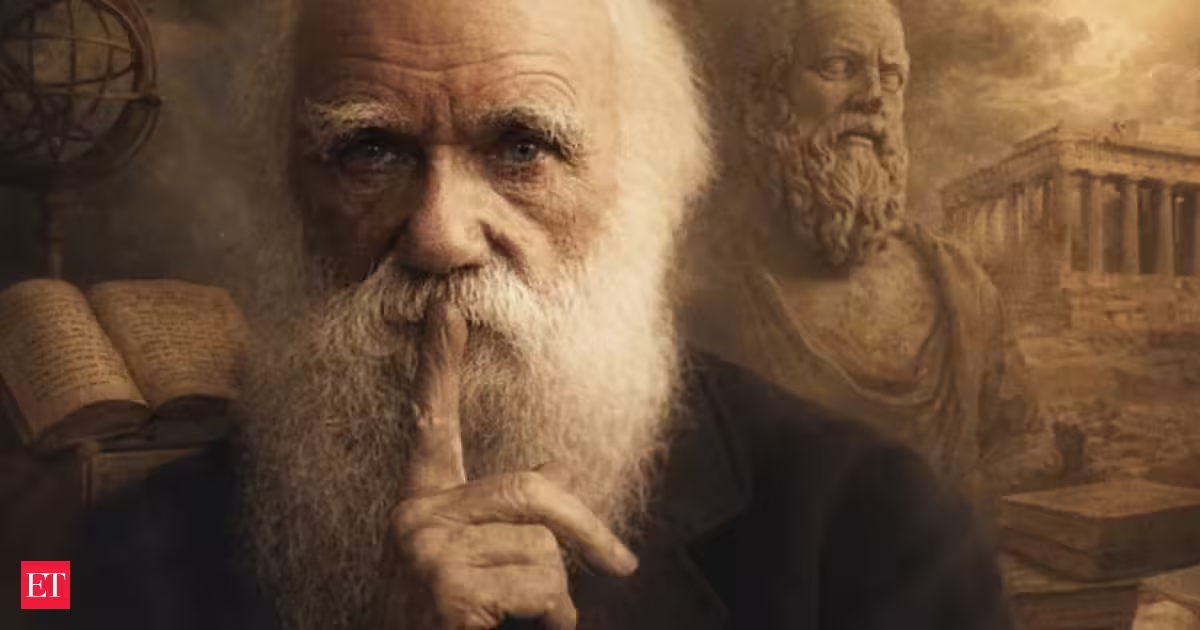
Quote of the day by Charles Darwin: 'It is not the strongest of the species that survives, nor the most intelligent, but the one most...' Father of evolution explains why adaptability matters more than strength or intelligence
Charles Darwins work transformed the understanding of life by showing that survival is driven less by strength or intelligence and more by the ability to adapt to change. His famous idea emphasizes that environments are constantly shifting, and only those organisms that adjust their behavior, traits, or habits are able to survive and continue over time. This principle, rooted in his theory of natural selection, explains how species evolve as those best suited to their surroundings pass on their traits to future generations.
632 words~3 min read