Managing heat efficiently inside solid materials is essential for developing faster, more reliable electronics. Until now, a wave-based form of heat transport called phonon focusing had only been observed at extremely low cryogenic temperatures, which made it difficult to study and limited its potential applications.
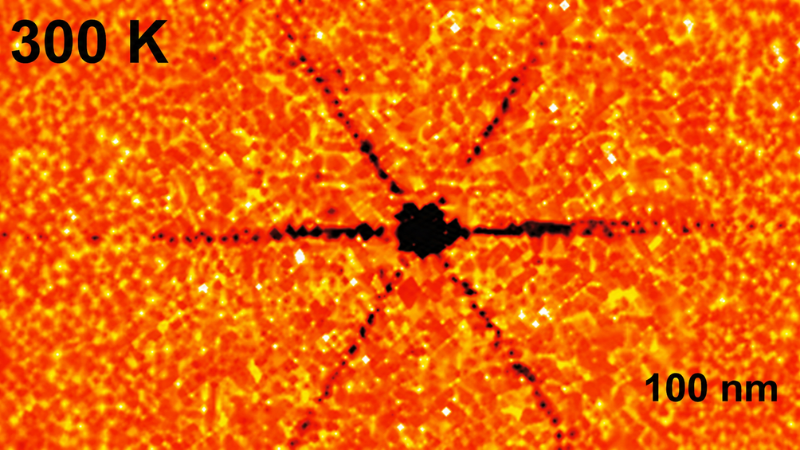
Researchers at the UCLA Samueli School of Engineering have now shown that phonons, the atomic vibrations that carry heat and display quantum behavior, can move through a material in concentrated, ray-shaped paths at room temperature. Rather than dispersing evenly in every direction, heat can follow routes determined by the structure of a crystal. The finding could lead to new ways of controlling heat in advanced electronics and quantum technologies.
Guiding Heat Through Boron Arsenide
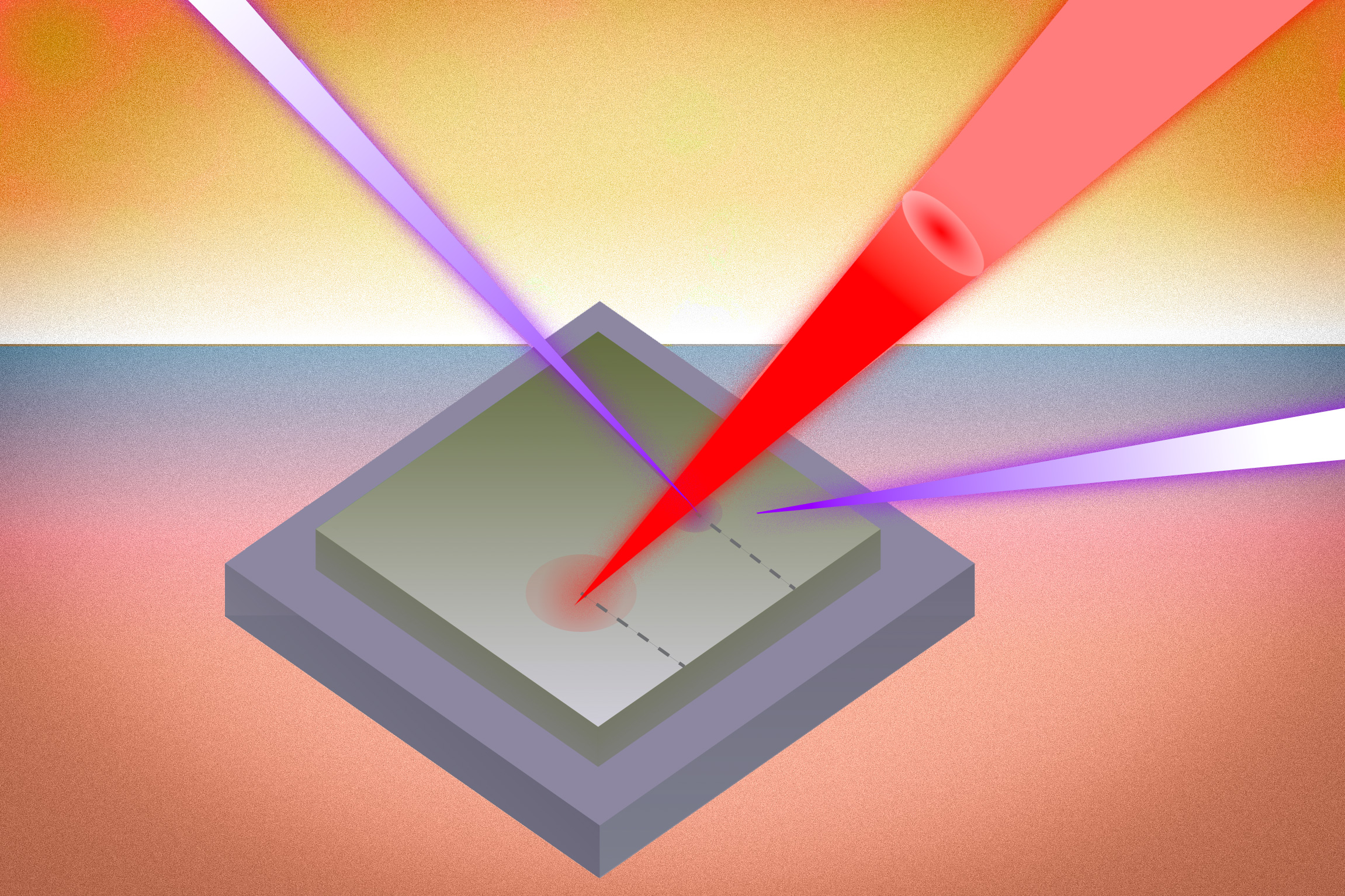
The study, published in Nature Physics, was led by Yongjie Hu, a professor of mechanical and aerospace engineering at UCLA Samueli. His team observed room-temperature phonon focusing in boron arsenide, a crystalline semiconductor known for its high thermal conductivity.
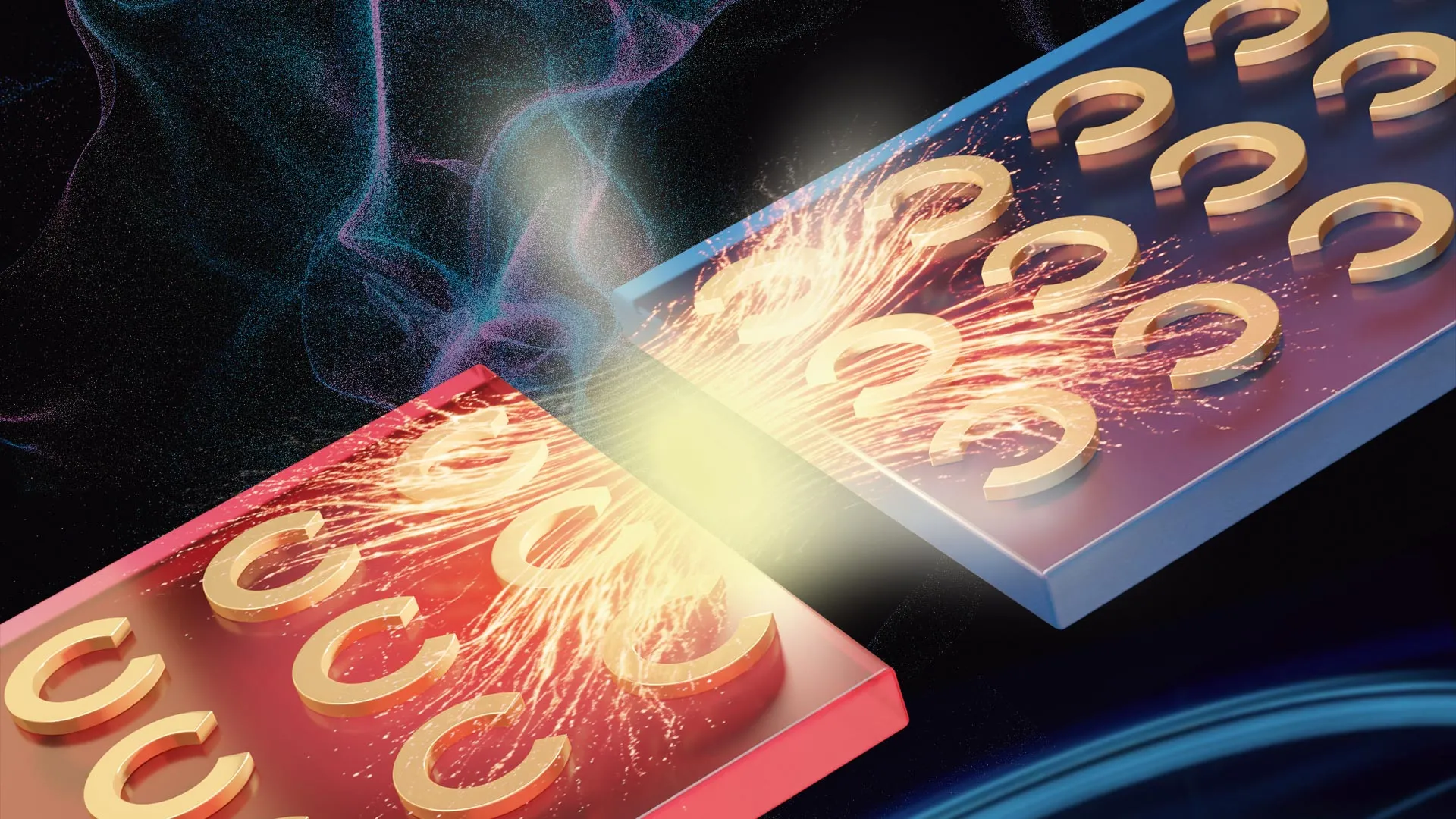
Materials such as boron arsenide may allow engineers to direct heat along planned routes with nanoscale accuracy instead of waiting for it to spread and then trying to remove it. The process is similar in principle to the way optical fibers channel light along a controlled path.