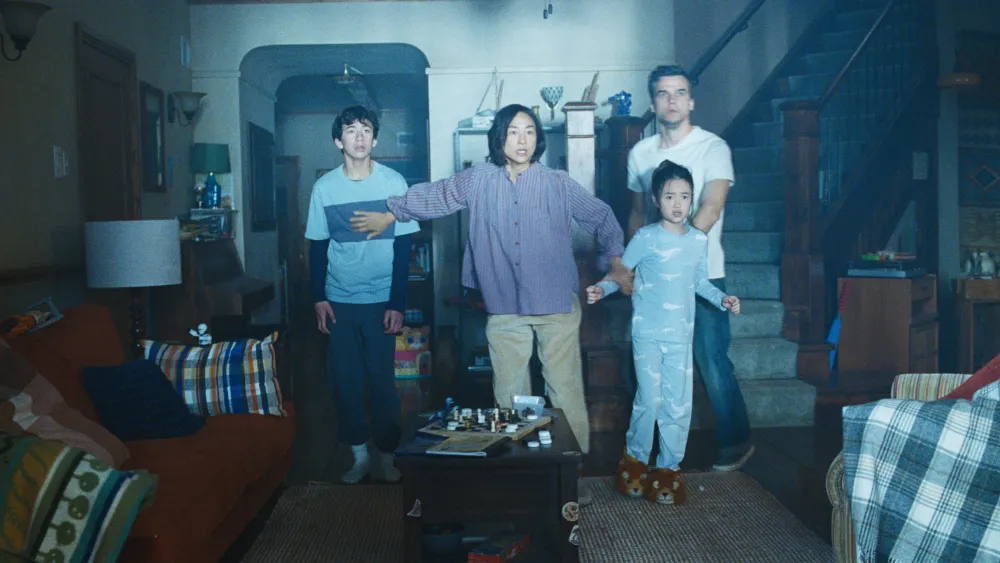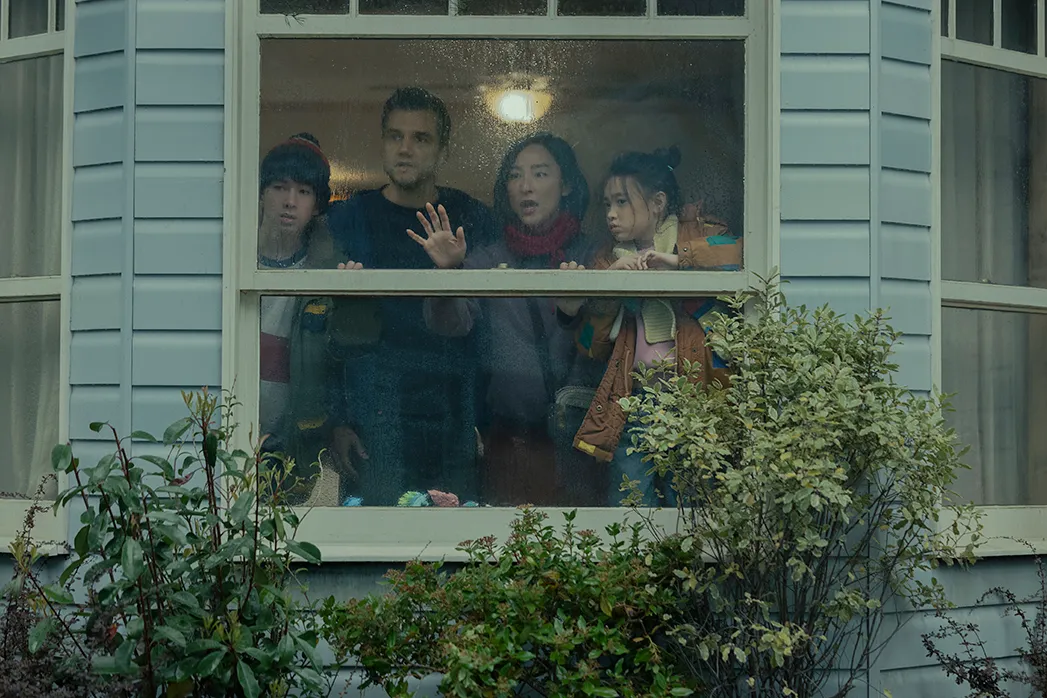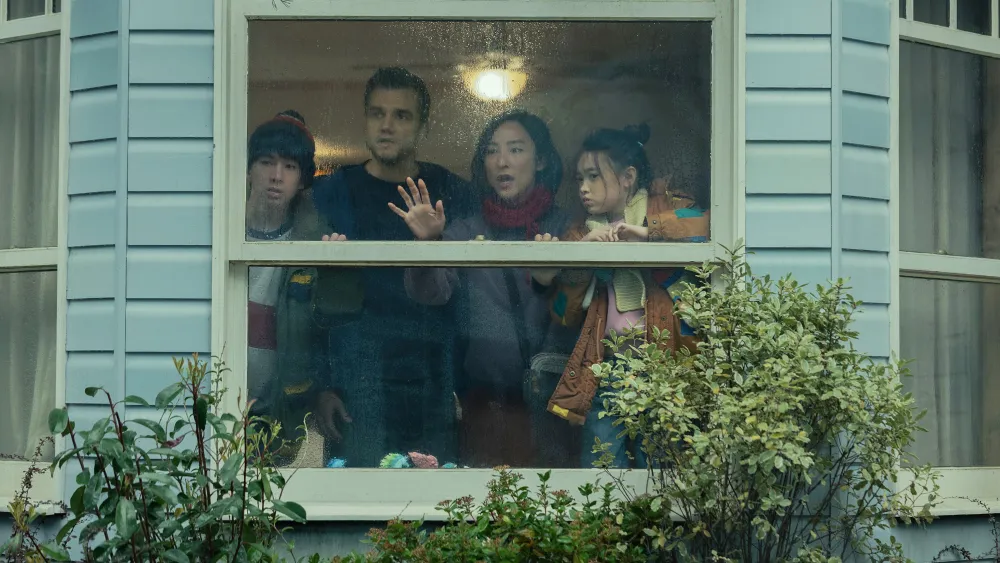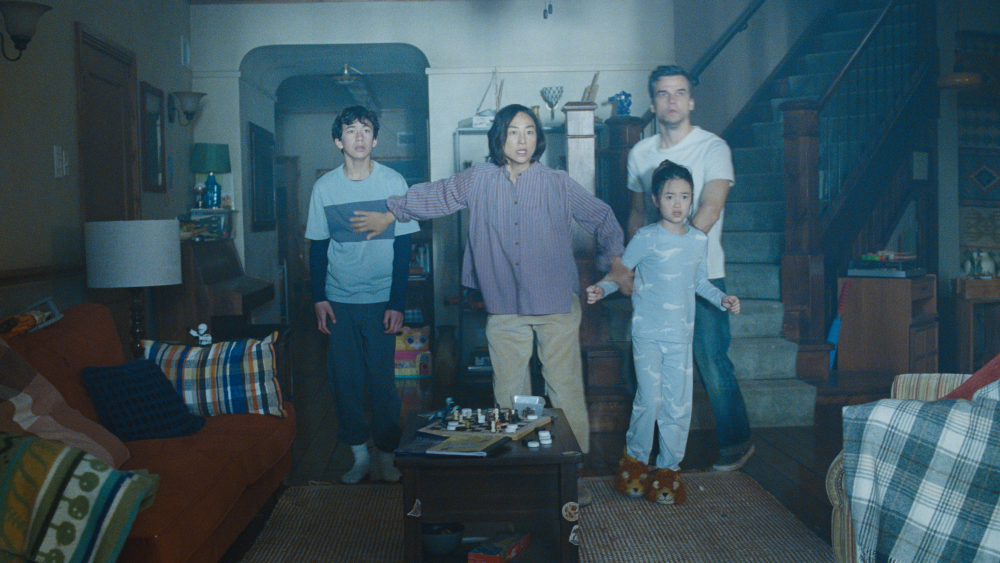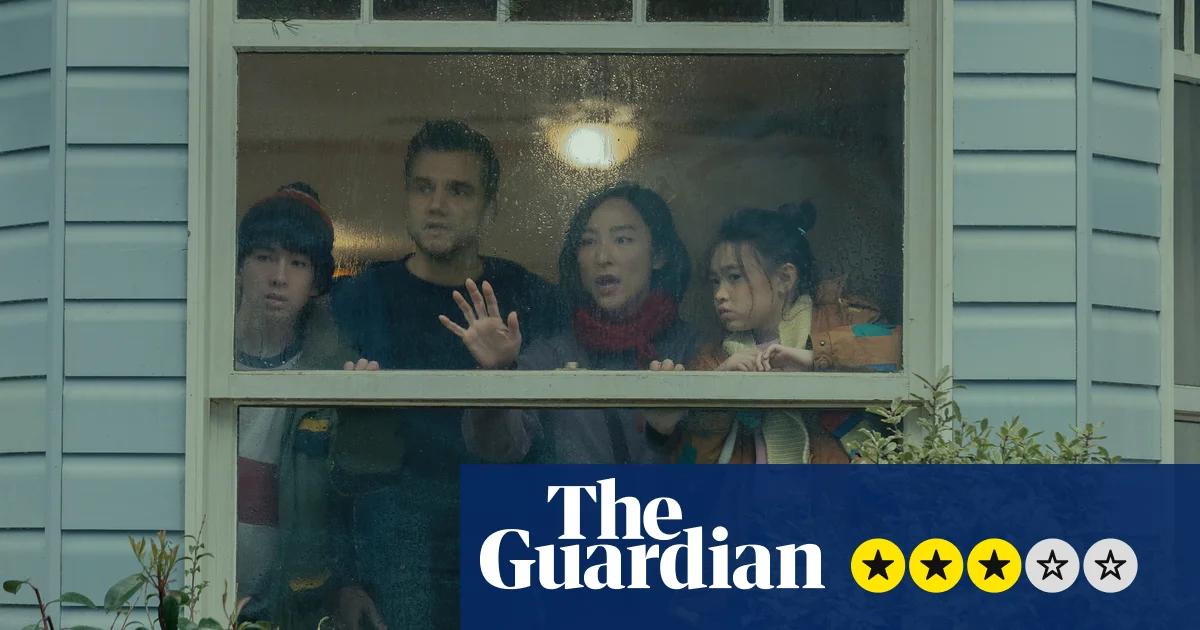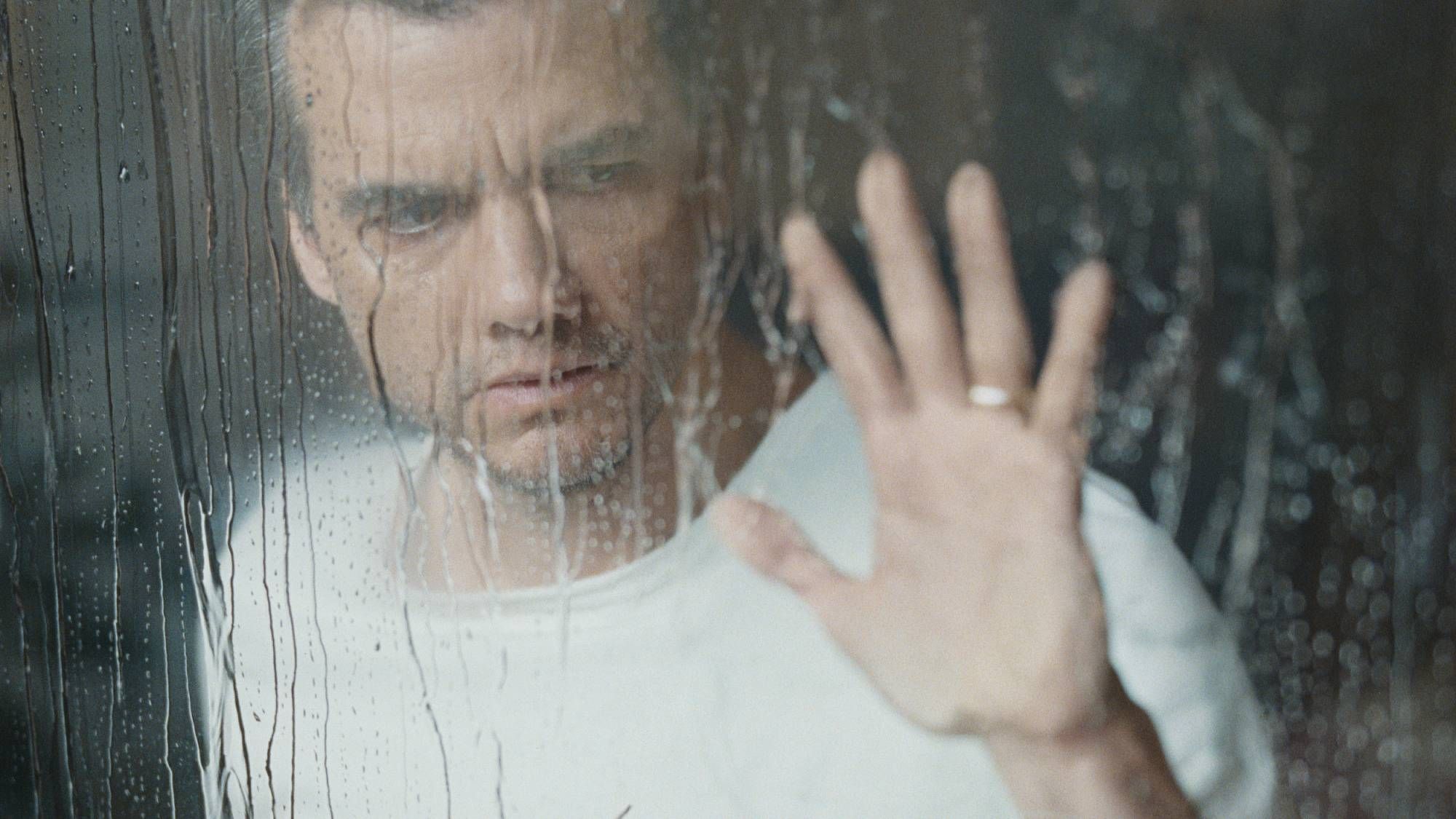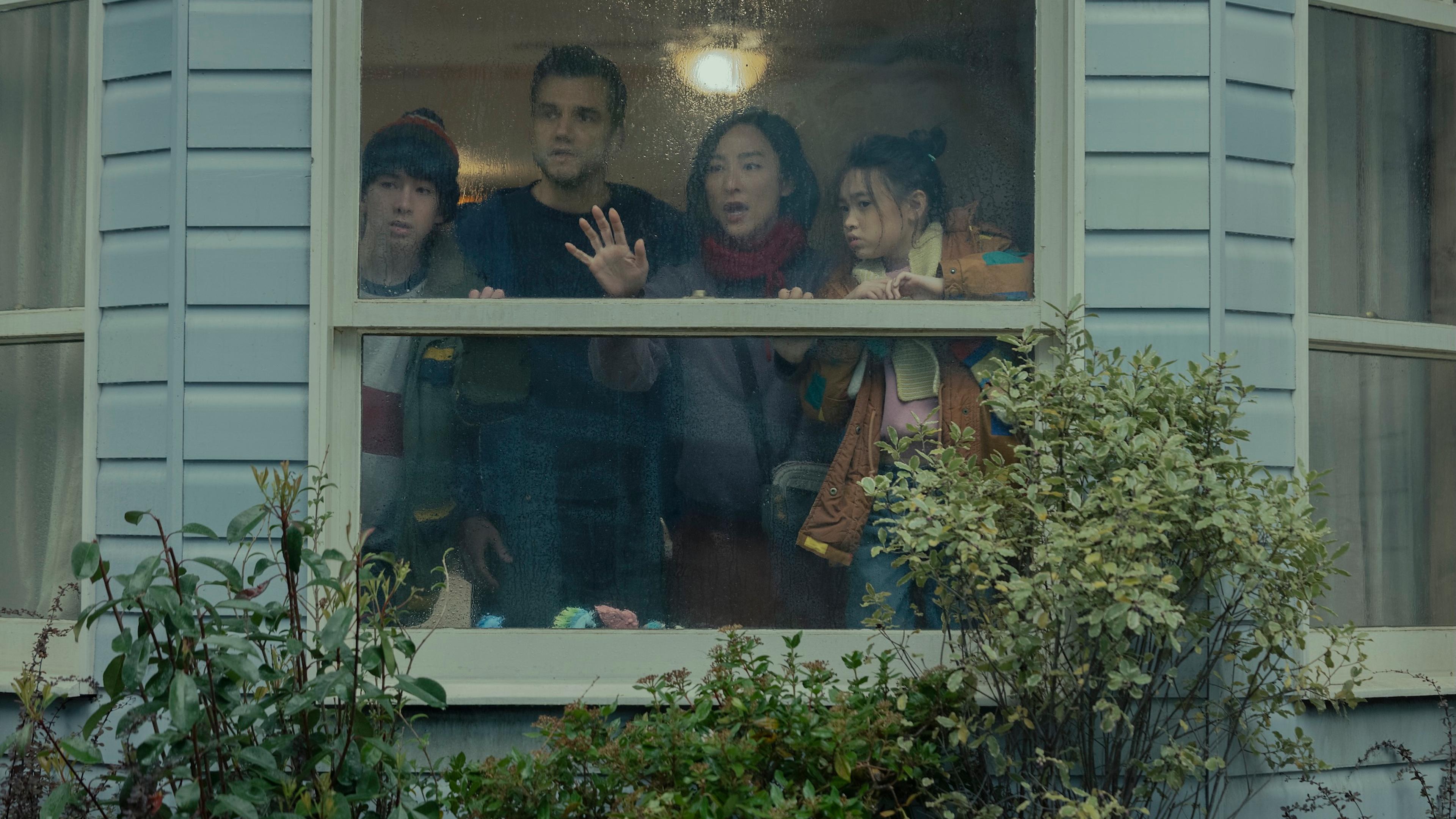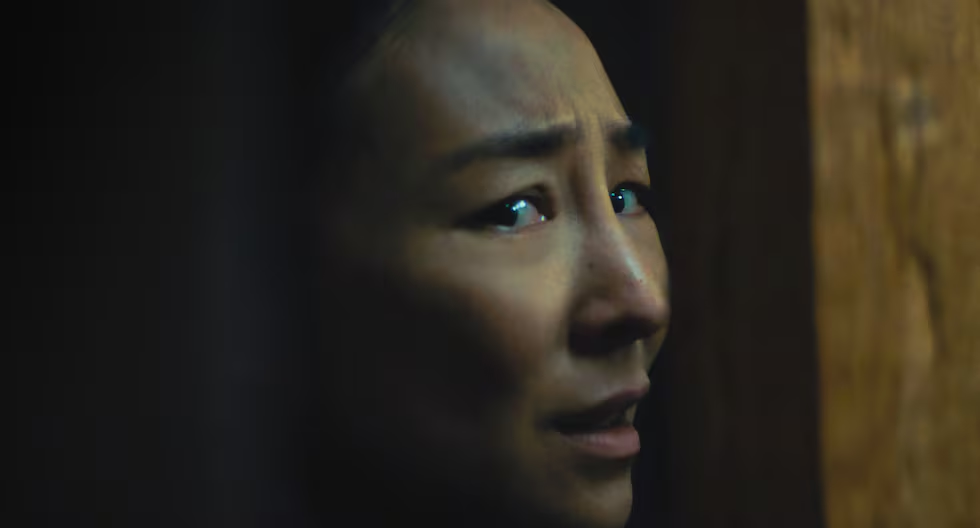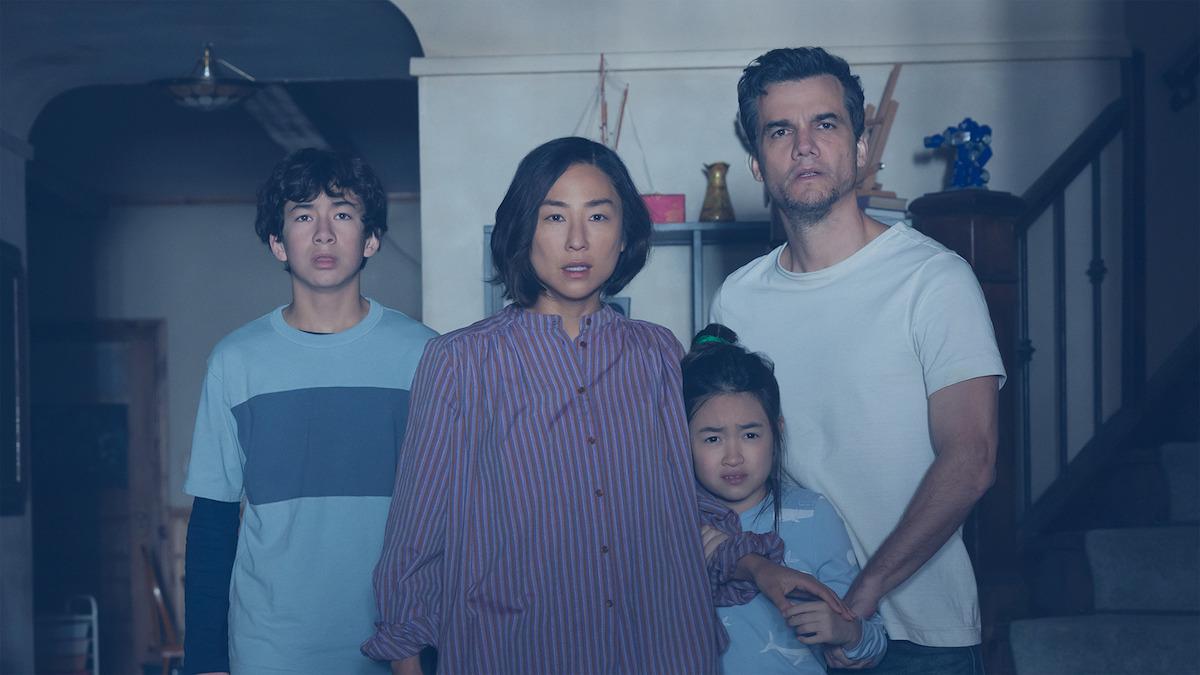
A still from ‘The Last House’
| Photo Credit: Netflix
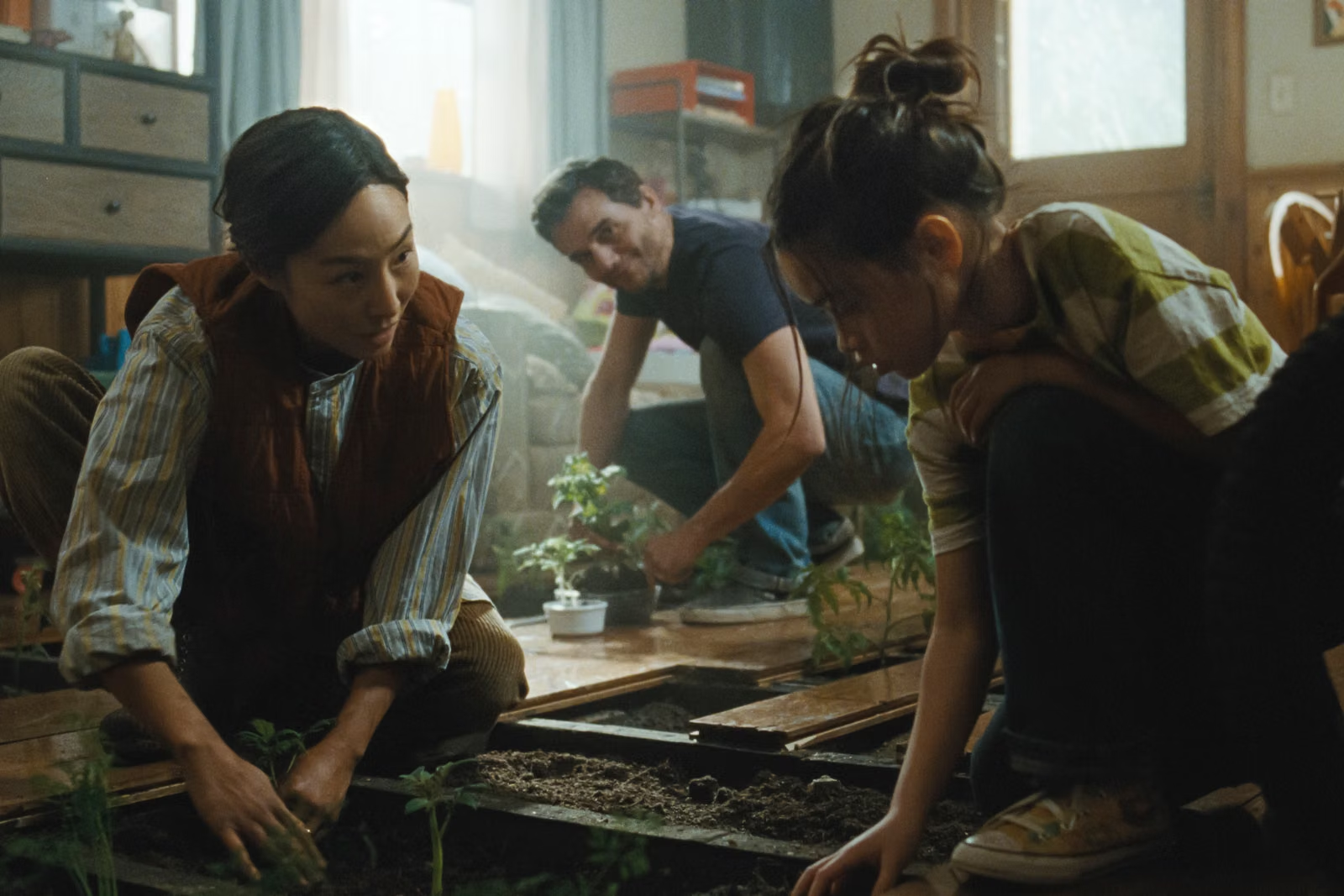
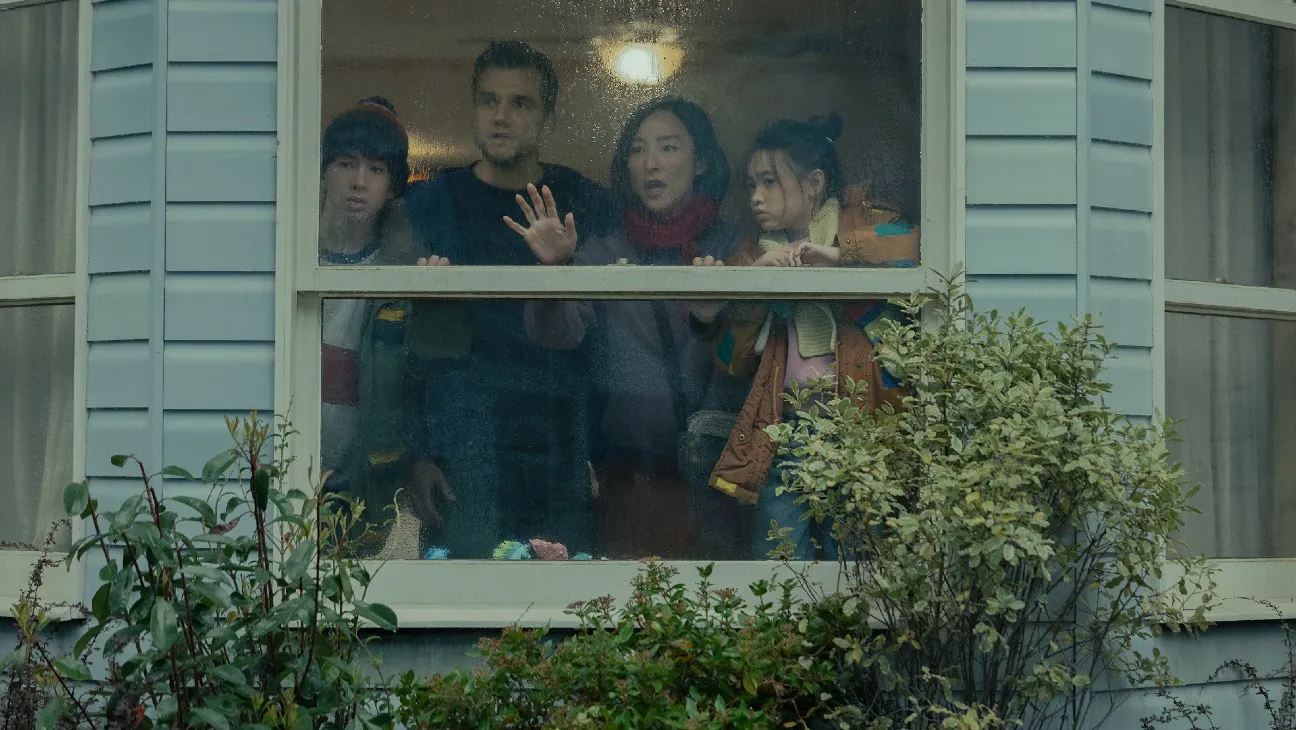
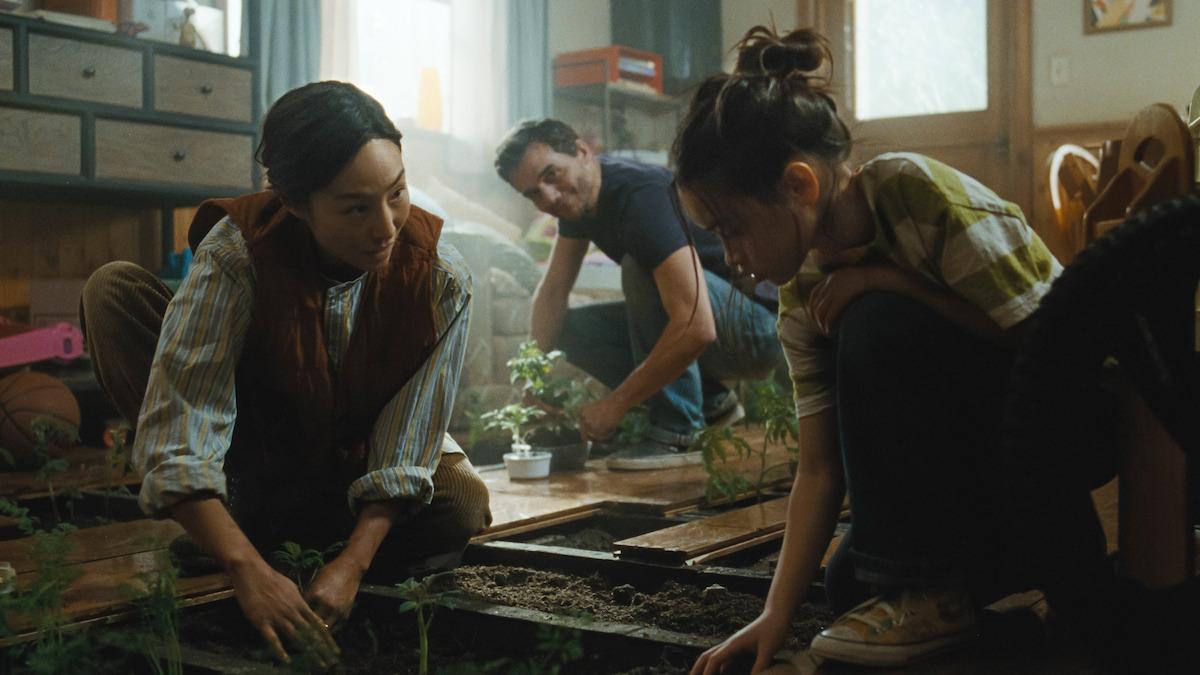
Louis Leterrier has finally made a film where barely anything moves. That may not have been for the best. After years of choreographing action-packed mayhem, the director behind The Transporter films, The Incredible Hulk, Now You See Me and, most recently, Fast X, has made a perplexing career pivot. The Last House, his latest film for Netflix, shrinks that blockbuster canvas considerably. Set almost entirely inside a suburban Seattle home, the story follows Jason Delgado, an unemployed engineer played by Wagner Moura, his wife Ann, played by Greta Lee, and their two children, after an unexplained phenomenon seals every door and window shut during a torrential rainstorm, trapping them indoors. Meanwhile, an unseen force gradually consumes the outside world.In theory, this sounds like an elegant inversion of the home-invasion thriller. Conceptually, it also immediately bypasses speculative fiction because its Netflix-bingeing audience has already experienced versions of this nightmare, since COVID permanently rewired how confinement is remembered. Matthew Robinson’s screenplay taps into that shared cultural memory for free, but what’s frustrating is how much it squanders that potential.The Last House (English)Director: Louis LeterrierCast: Wagner Moura, Greta Lee, Riley Chung, Emma HoRuntime: 110 minutesStoryline: A family of four are suddenly sealed inside their home with no way out, and must work together to survive against both their dwindling resources and the mysterious, looming threat that is keeping them trappedNetflix has become remarkably efficient at strip-mining collective trauma for high-concept entertainment by converting recent history into bingeable and digestible genre content before anyone has even had a chance to interrogate what that history actually meant. The Last House slots neatly into that assembly line. There are moments where the illusion of pandemic-era nostalgia works really well because Leterrier understands that the most convincing parts of survival are spectacularly boring and that survival is fundamentally repetitive. The Delgados ration food, trade handwritten messages with neighbours marooned across the street, and cycle through vinyl and the same pair of DVDs because every digital connection has collapsed. These scenes work because they inherit a lot of emotional credibility and tap into an experience millions of people reluctantly perfected.Kevin Jenkins’ production design is the film’s most persuasive storyteller because the house evolves alongside the family, accumulating cracked walls, improvised gardens beneath floorboards, and handmade survival equipment. Familiar middle-class comforts are soon replaced by a charming ecosystem governed entirely by maintenance and adaptation. By the final act, the building honestly acquires considerably richer interiority than the people occupying it.