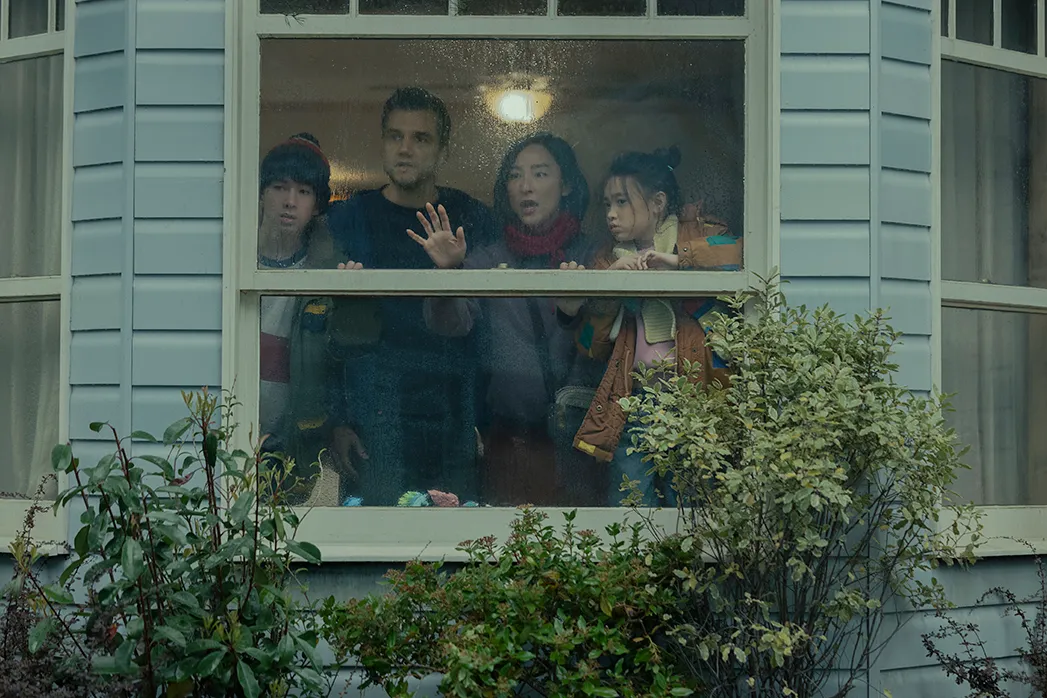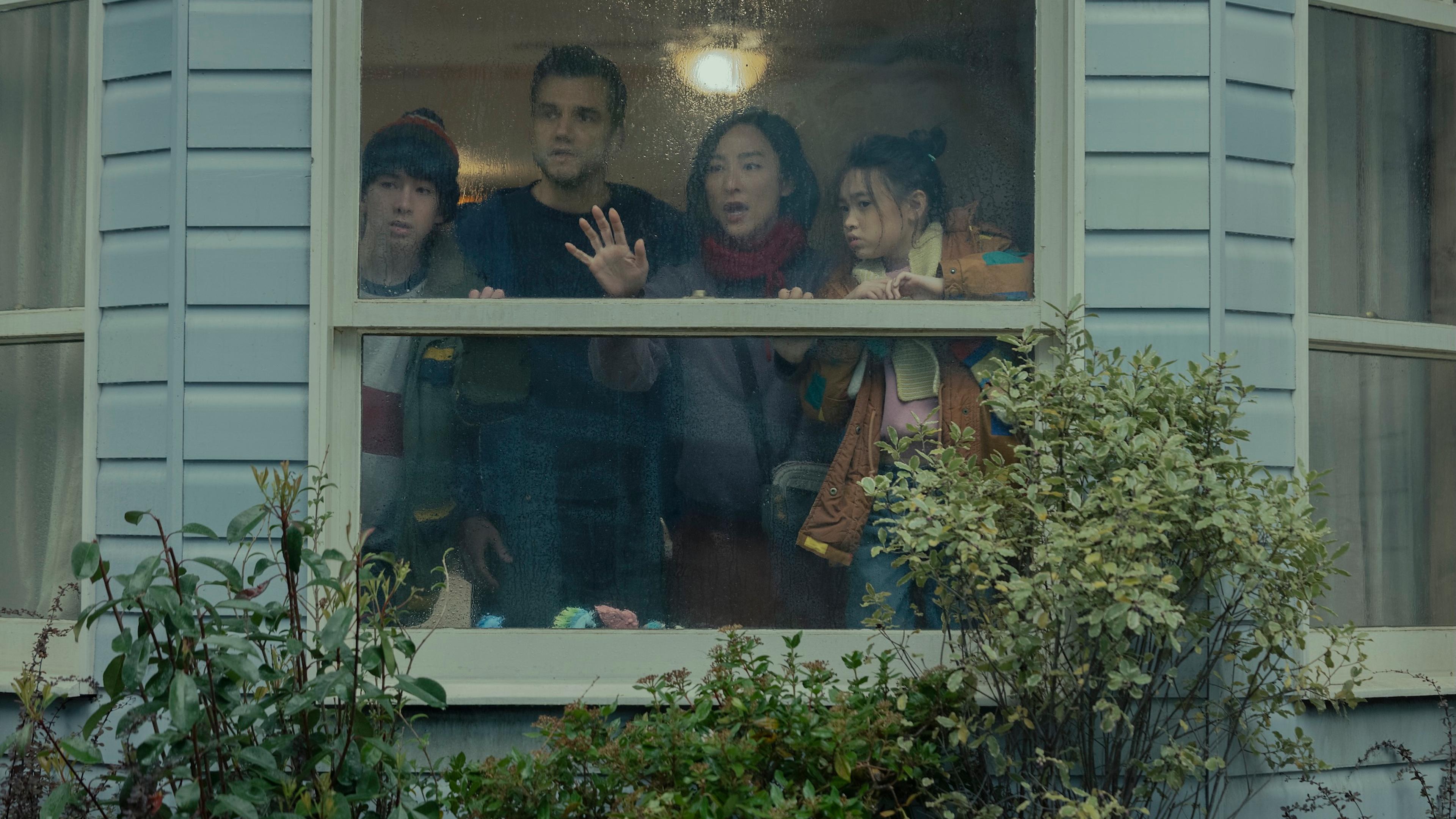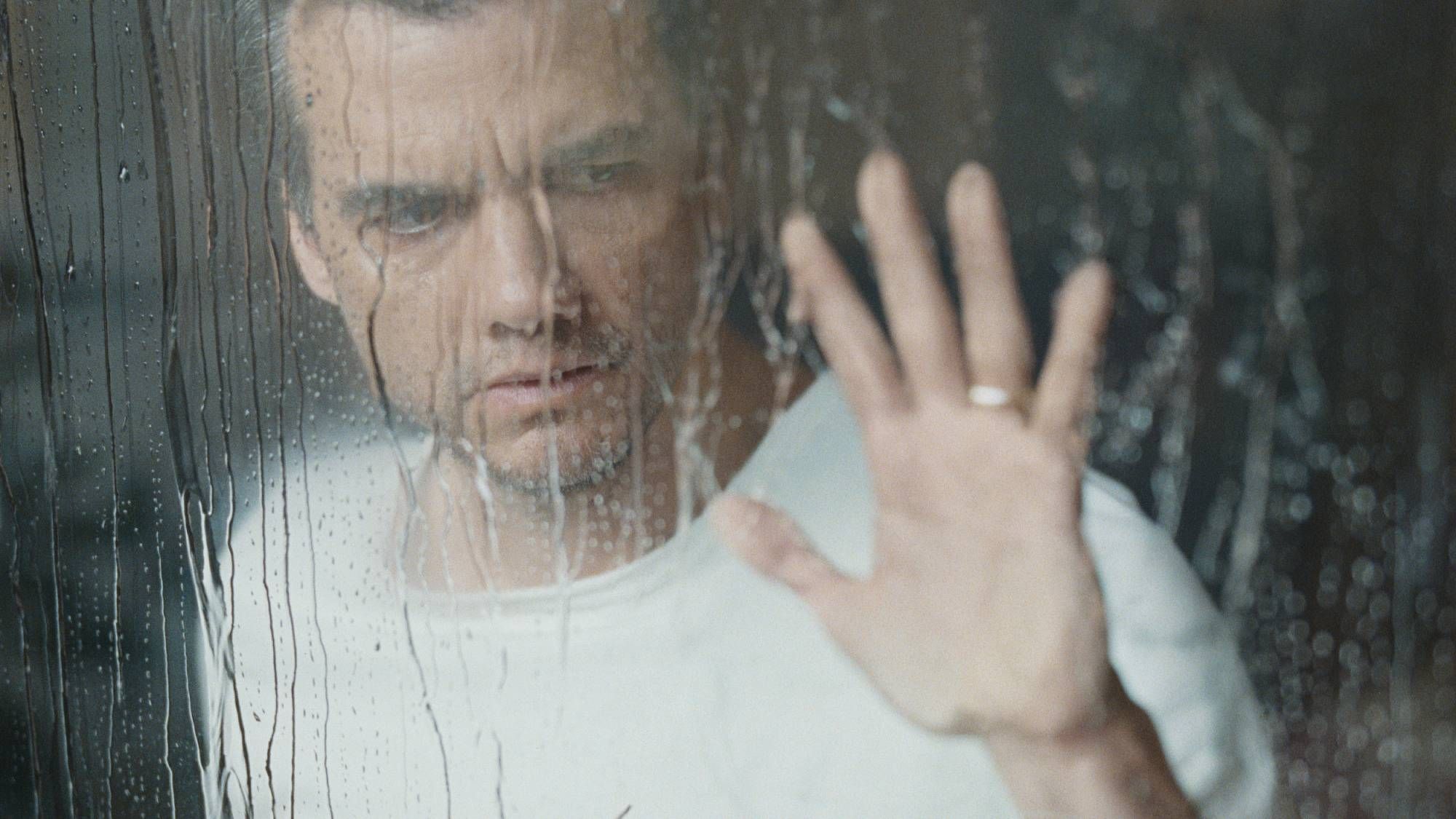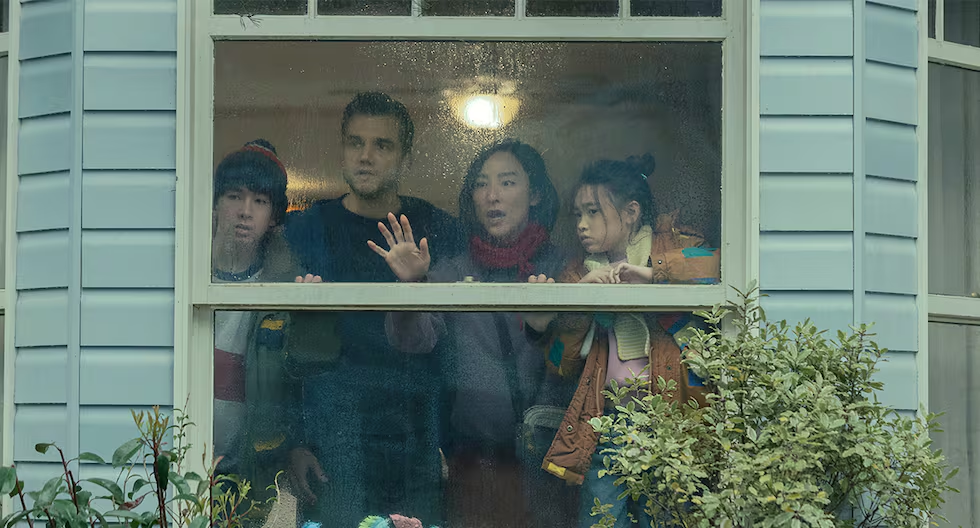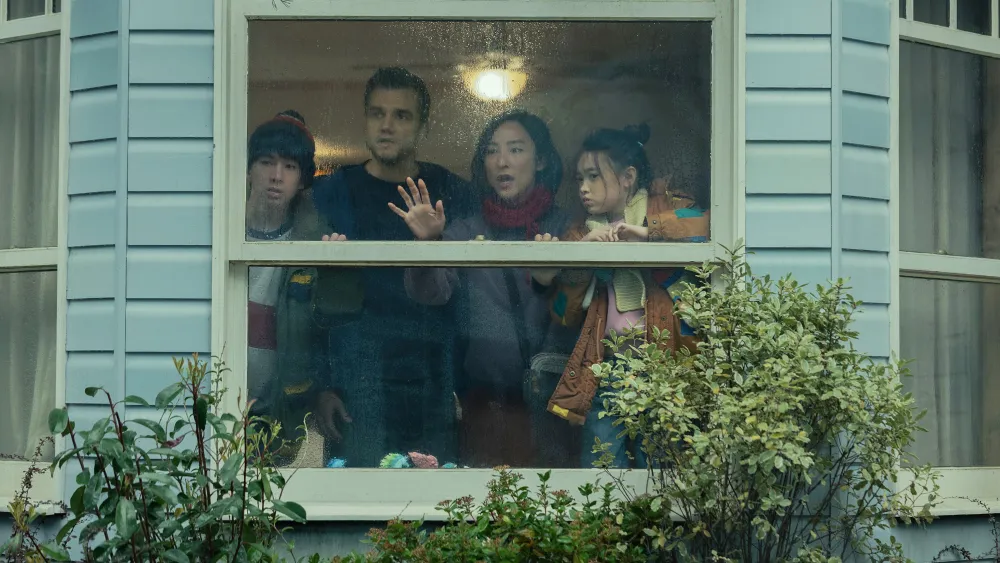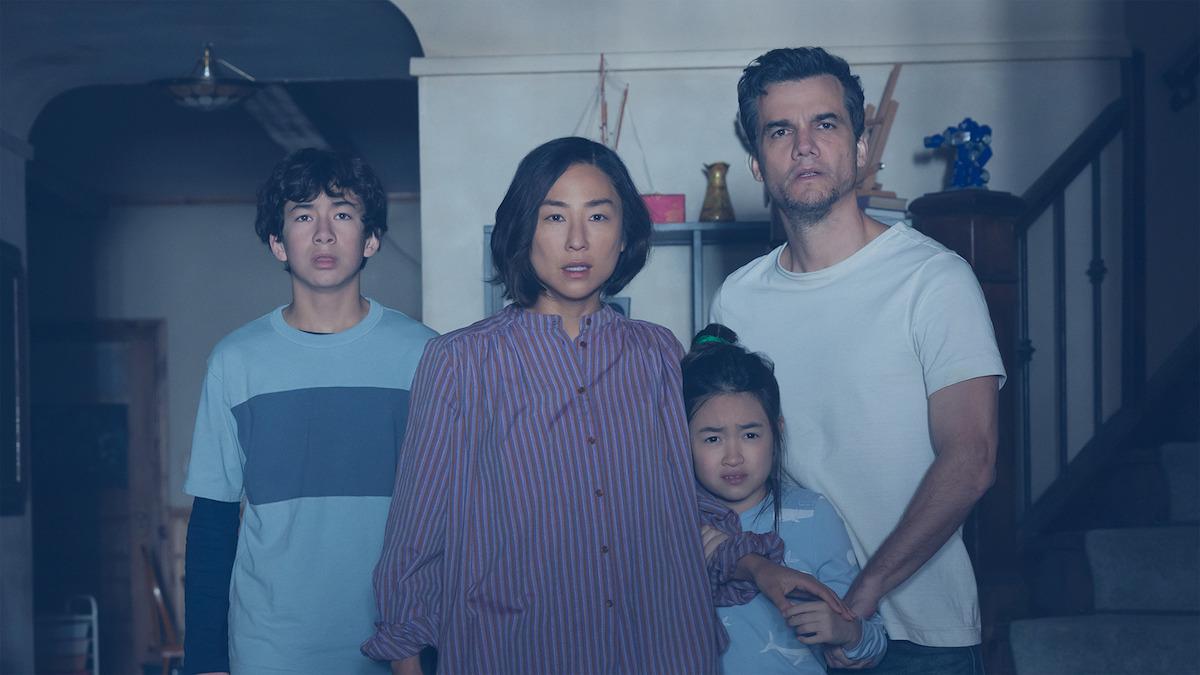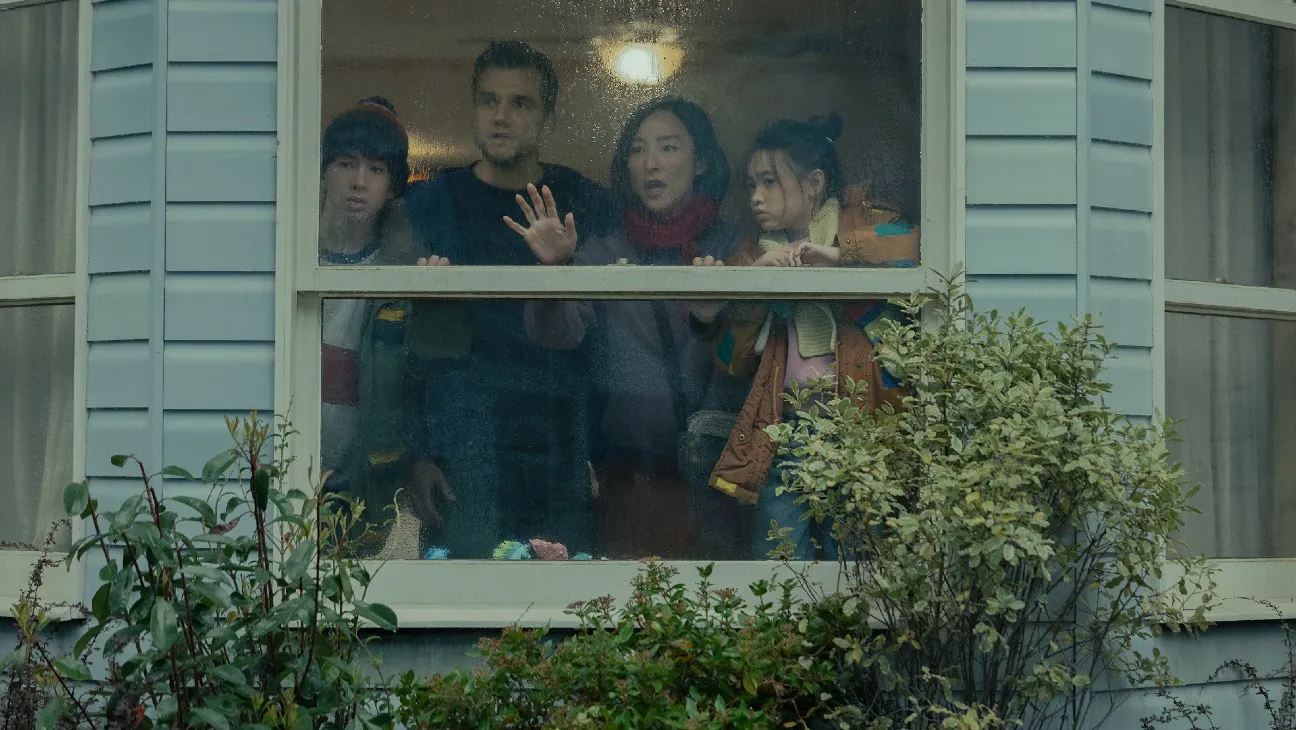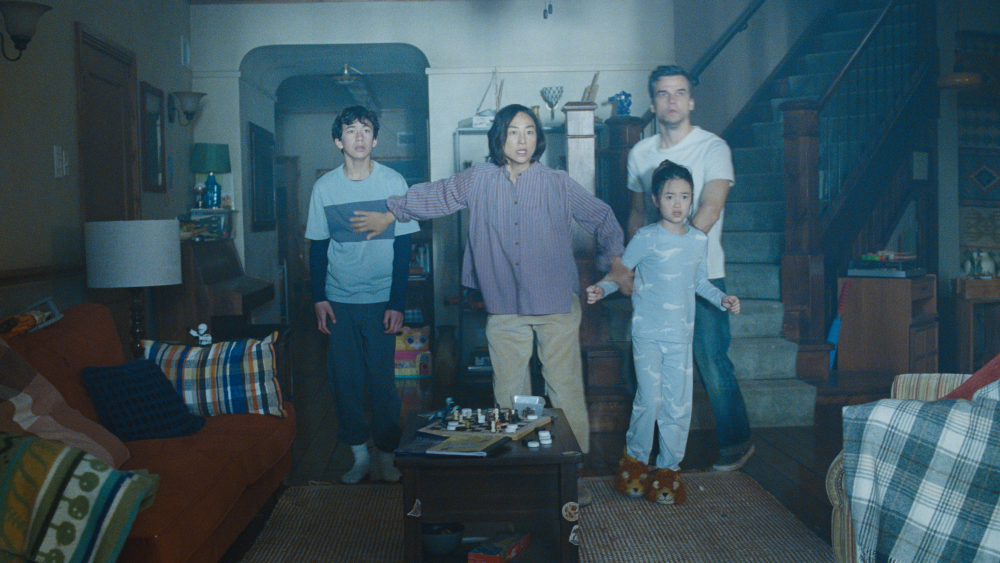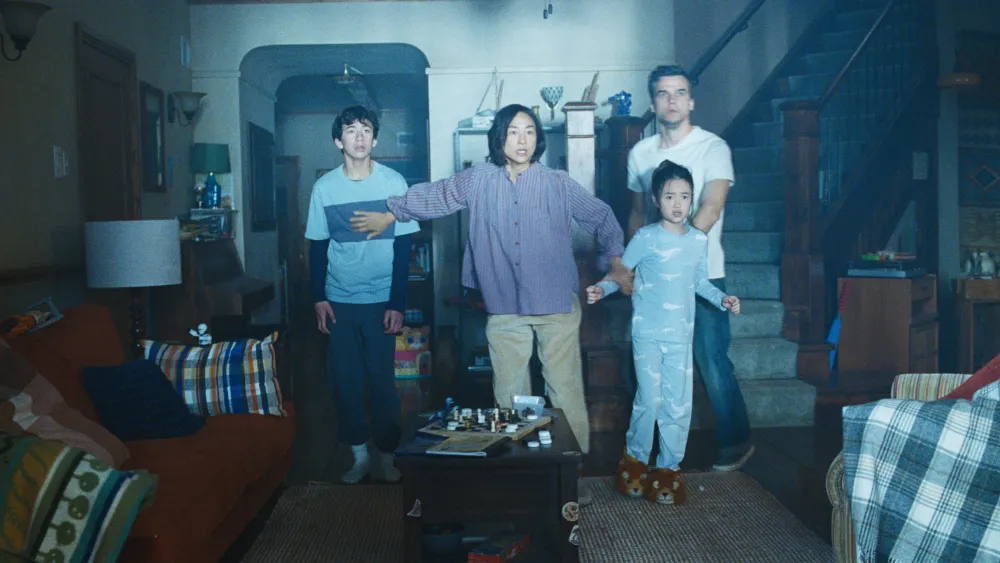
A decade or so ago, the premise of apocalyptic thriller “The Last House” might have sounded a little more out there than it does now: A middle-class Seattle family wakes up one morning to find themselves sealed inside their house with no means of escape, a mysterious enforced house arrest that turns out to be indefinite. Post-Covid, of course, this instead plays as a fantastical spin on an experience still fresh in everyone’s minds — a familiarity that Louis Leterrier‘s film, all too aptly premiering on Netflix, uses to its claustrophobic advantage. The lockdown imposed on these four people and their immediate neighbors — and who knows how many others — may be of a more extreme and uncanny variety than the mandate that kept most of us home in 2020, but this high-concept chamber piece returns viewers to that mindset of protective panic and uncertainty.
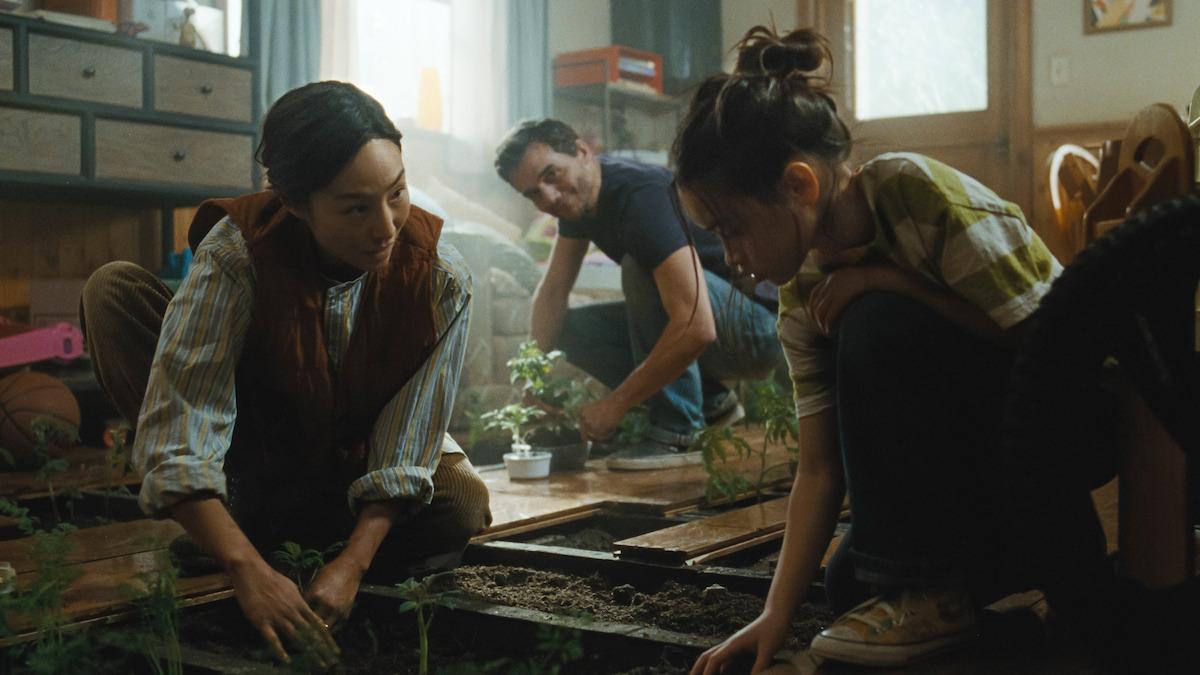
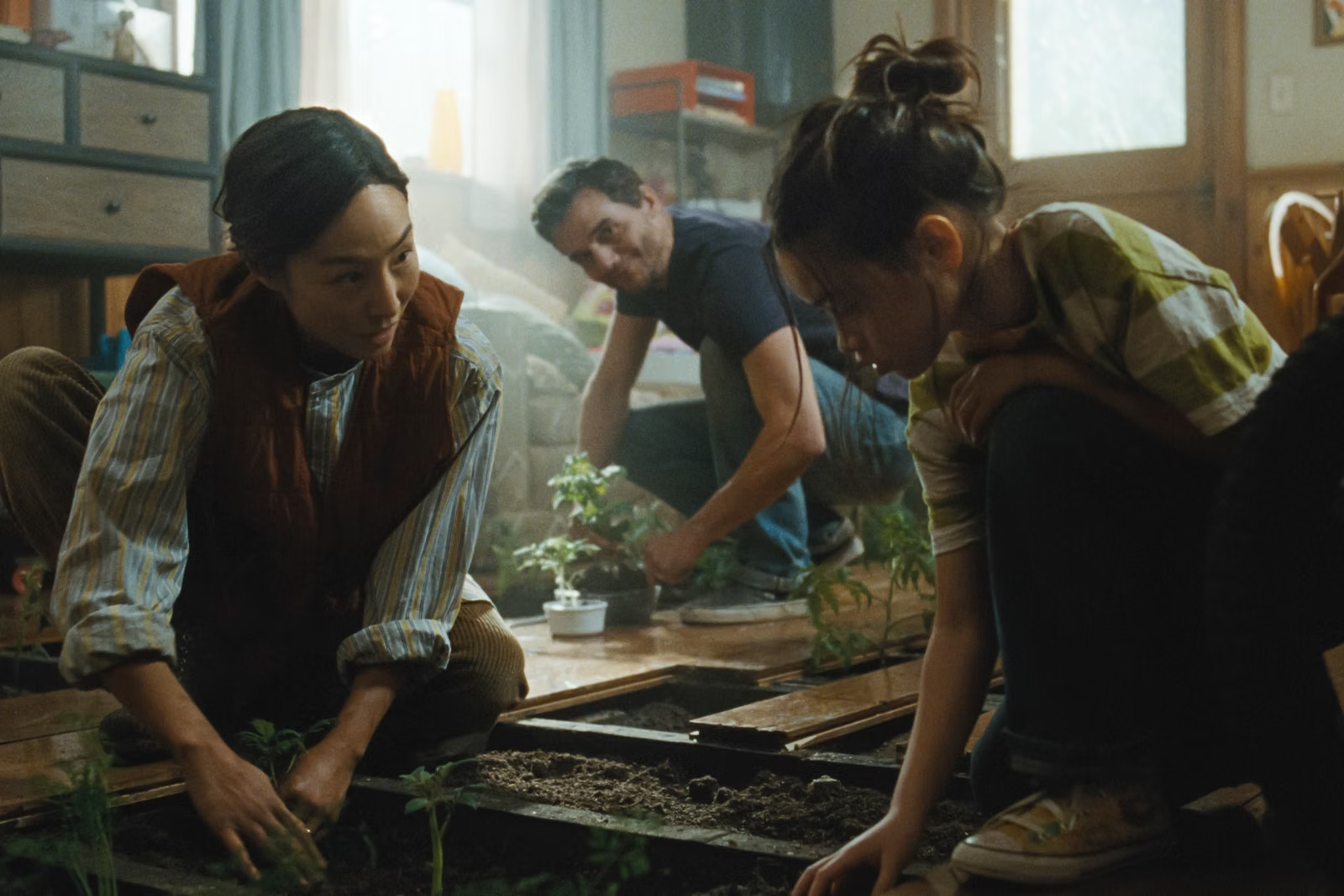
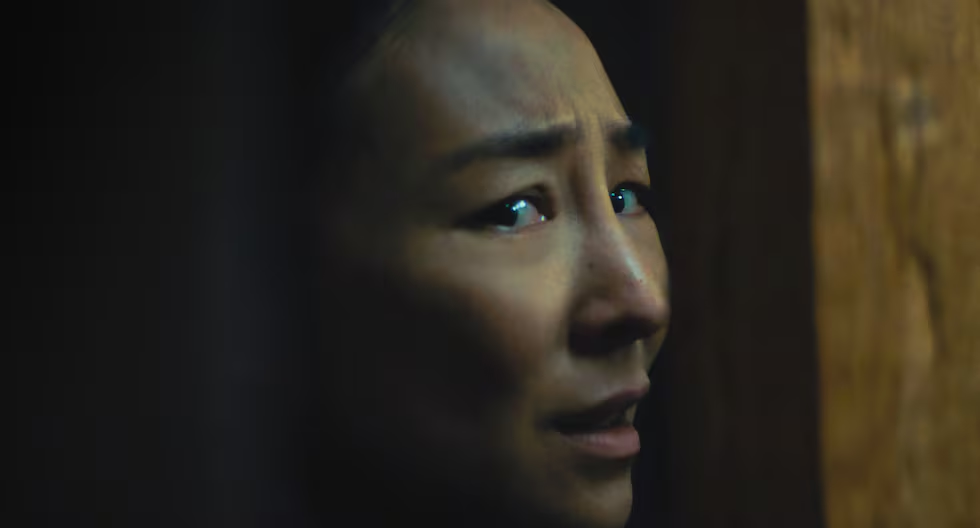
The hows and whys of “The Last House” take it into science-fiction territory — lightly and allusively so at first, but eventually with more concrete, effects-heavy world-building (and unbuilding). But the film is most compelling throughout as a straightforward domestic drama, with increasingly fraught family dynamics lending proceedings a baseline of credibility even as whatever’s happening outside the house remains largely inscrutable. Grounded, empathetic performances by Wagner Moura and Greta Lee, as parents hanging onto their adult authority by a thread, deserve much of the credit for that, as does the intricately detailed, changeable design and conception of the house that, in a short time, becomes the characters’ entire world.