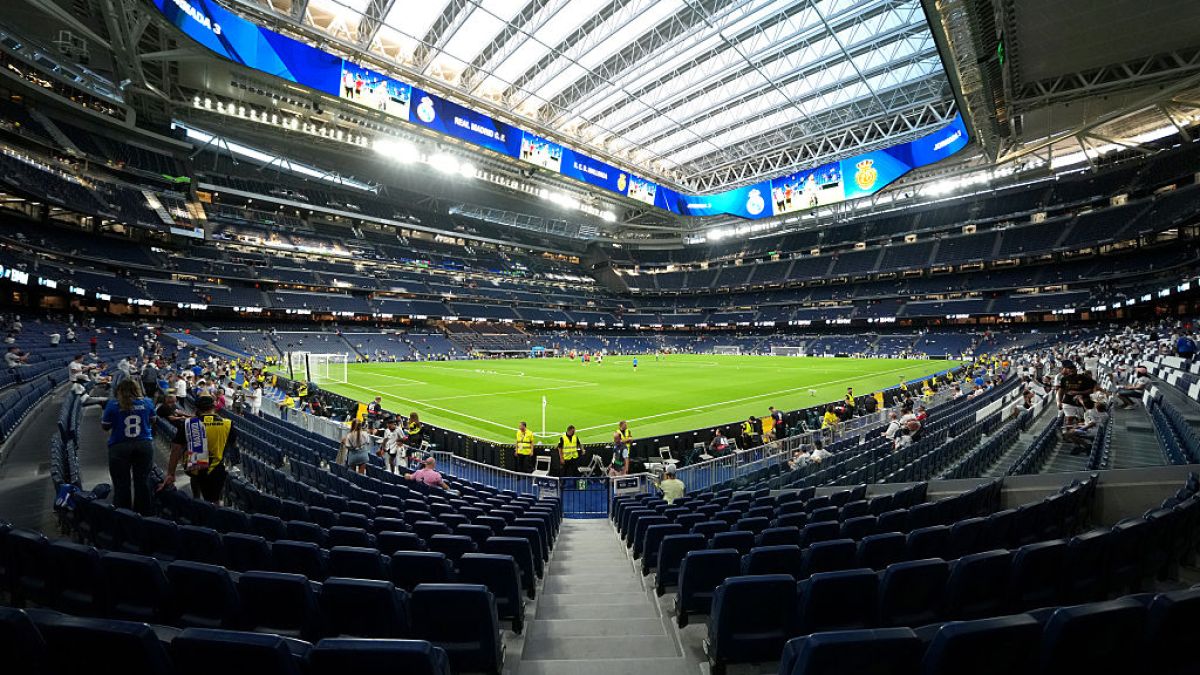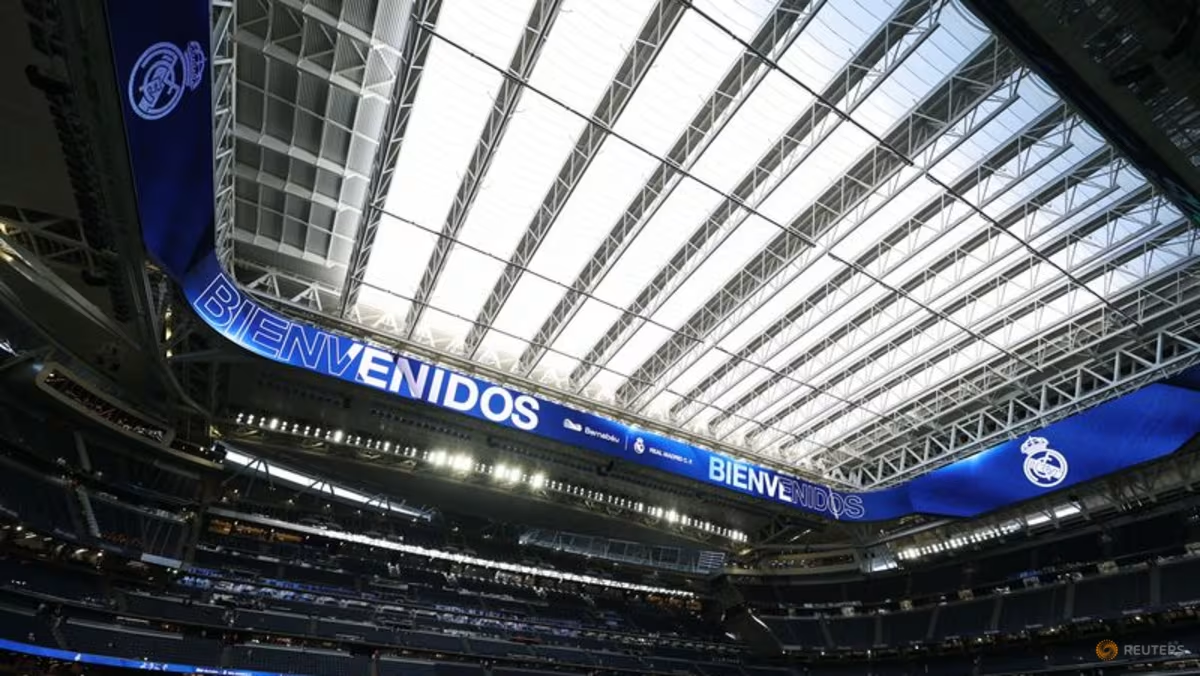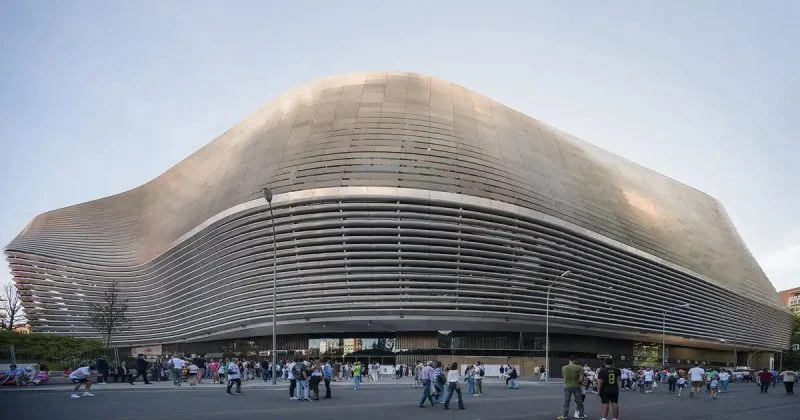
The Santiago Bernabéu Stadium in Madrid has emerged as the leading candidate to host the 2030 FIFA World Cup final, a distinction that would return football’s grandest spectacle to a venue that last staged it more than four decades ago.
The 2030 tournament, co-hosted by Morocco, Portugal, and Spain, is scheduled to run from June 8 to July 21, 2030. The final is expected on that closing date, and the question of where it will be played has become one of the most closely watched decisions in international football.
Why the Bernabéu leads the pack
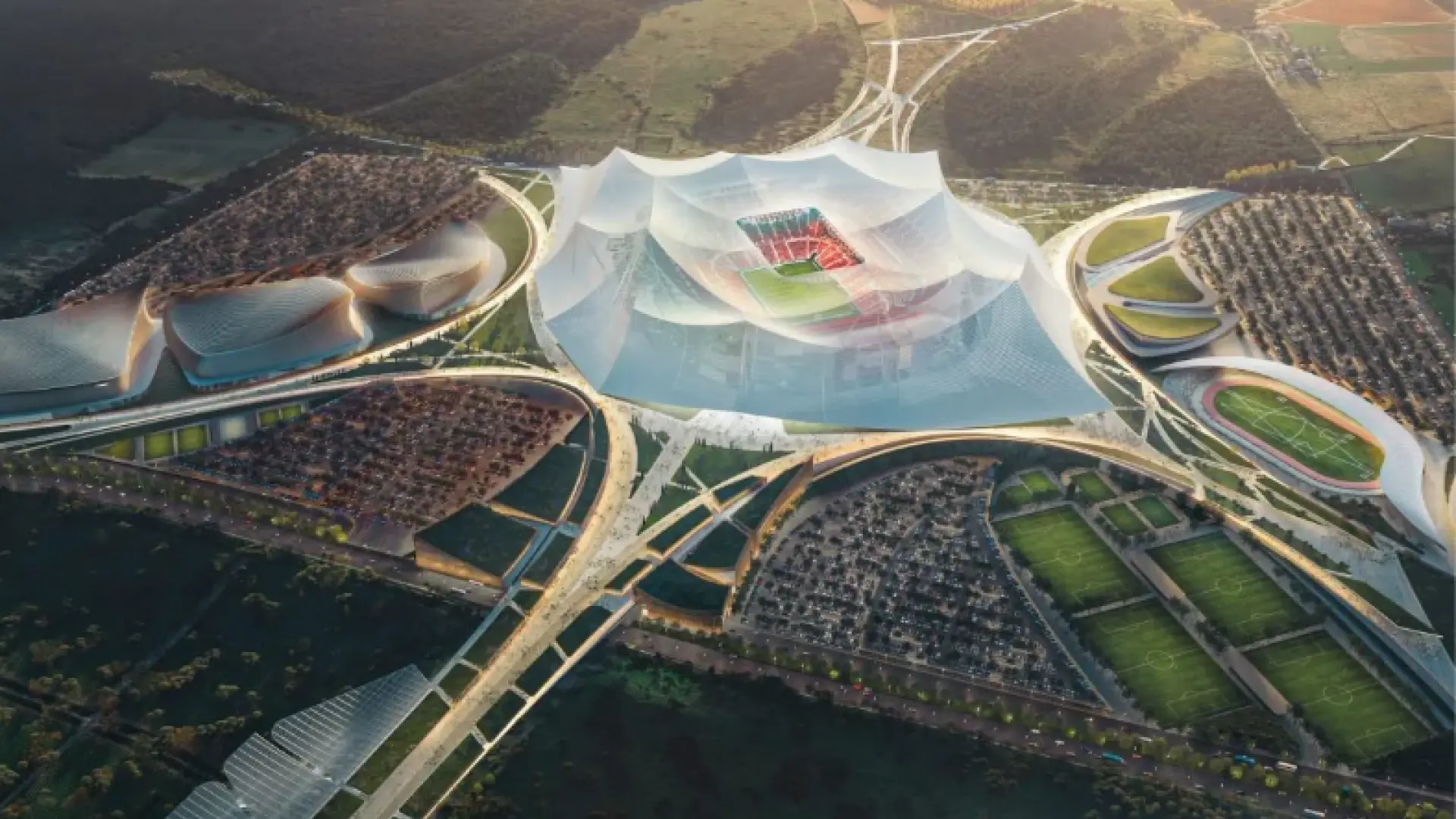
Real Madrid’s home ground underwent extensive renovations that brought its capacity to approximately 84,744 seats. That figure clears FIFA’s 80,000-seat minimum requirement for a World Cup final venue, a threshold that narrows the field considerably.
The stadium also carries historical weight. It hosted the 1982 World Cup final between Italy and West Germany, a match that remains one of the tournament’s most celebrated chapters. Staging the final there again would create a neat bookend nearly five decades later.