By
August 7, 2026 / 7:00 AM EDT
/ CBS News
Add CBS News on Google
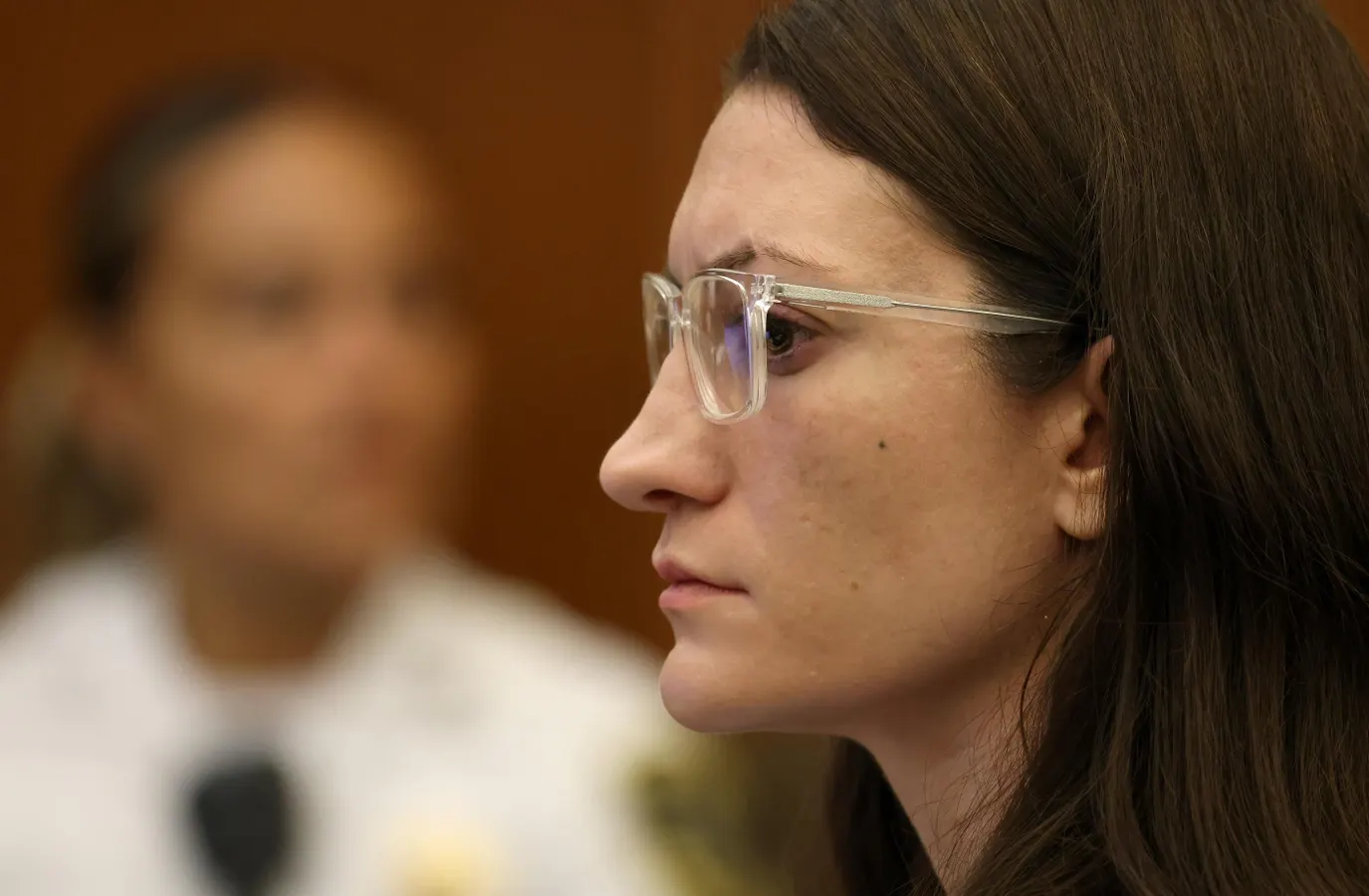
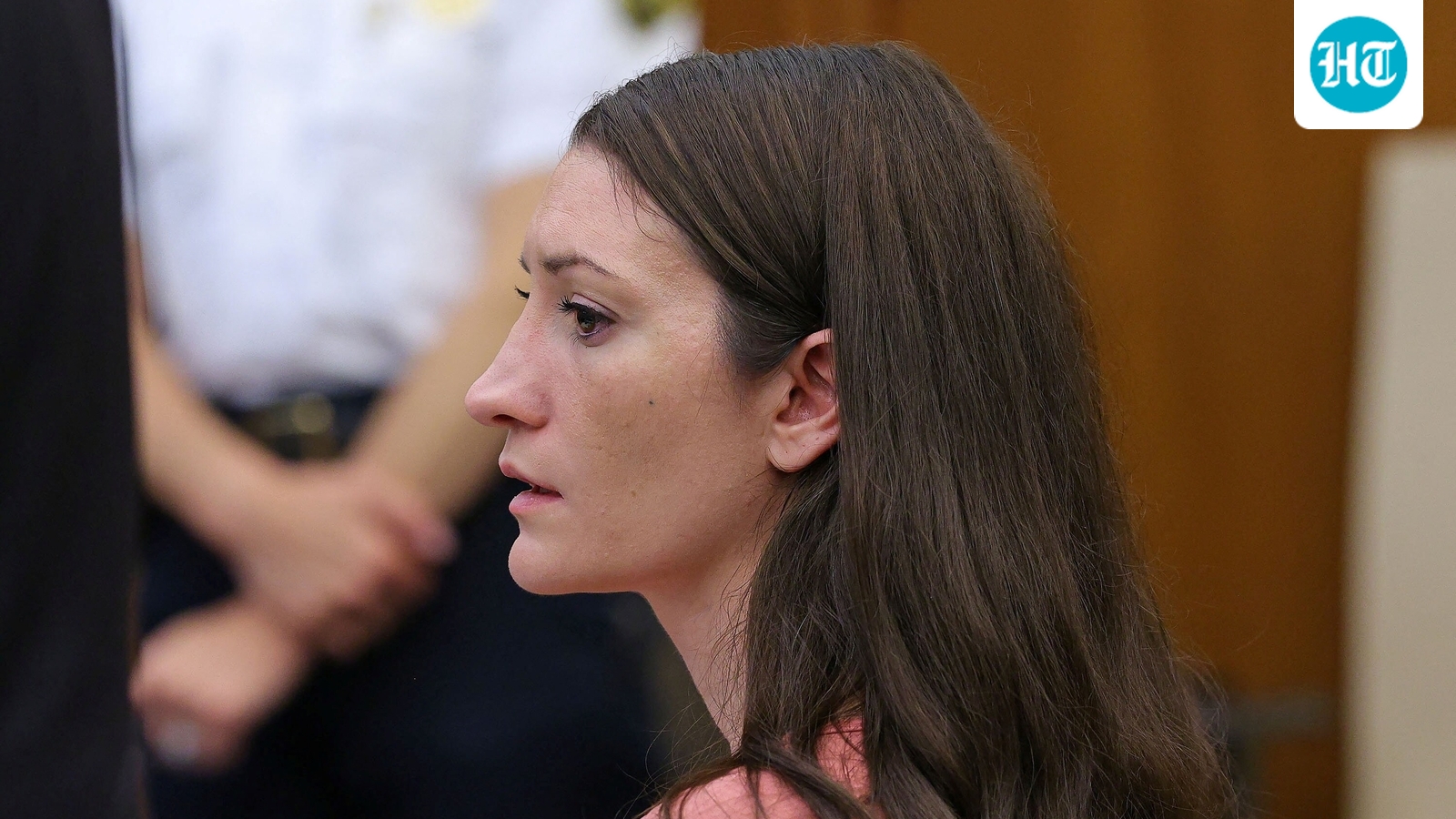
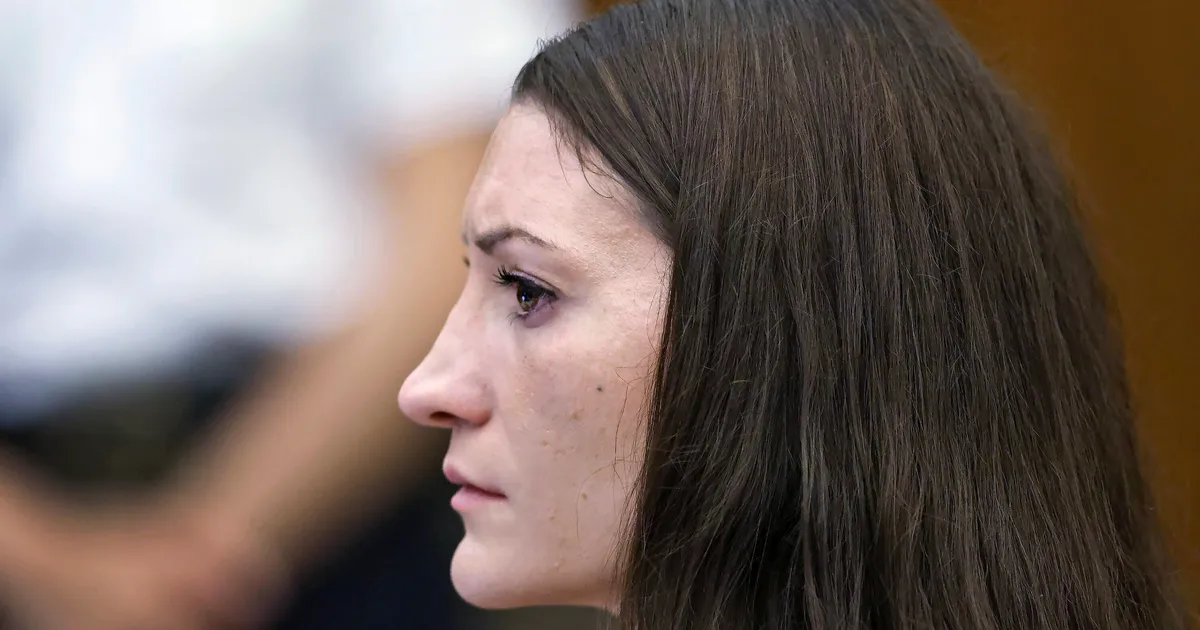
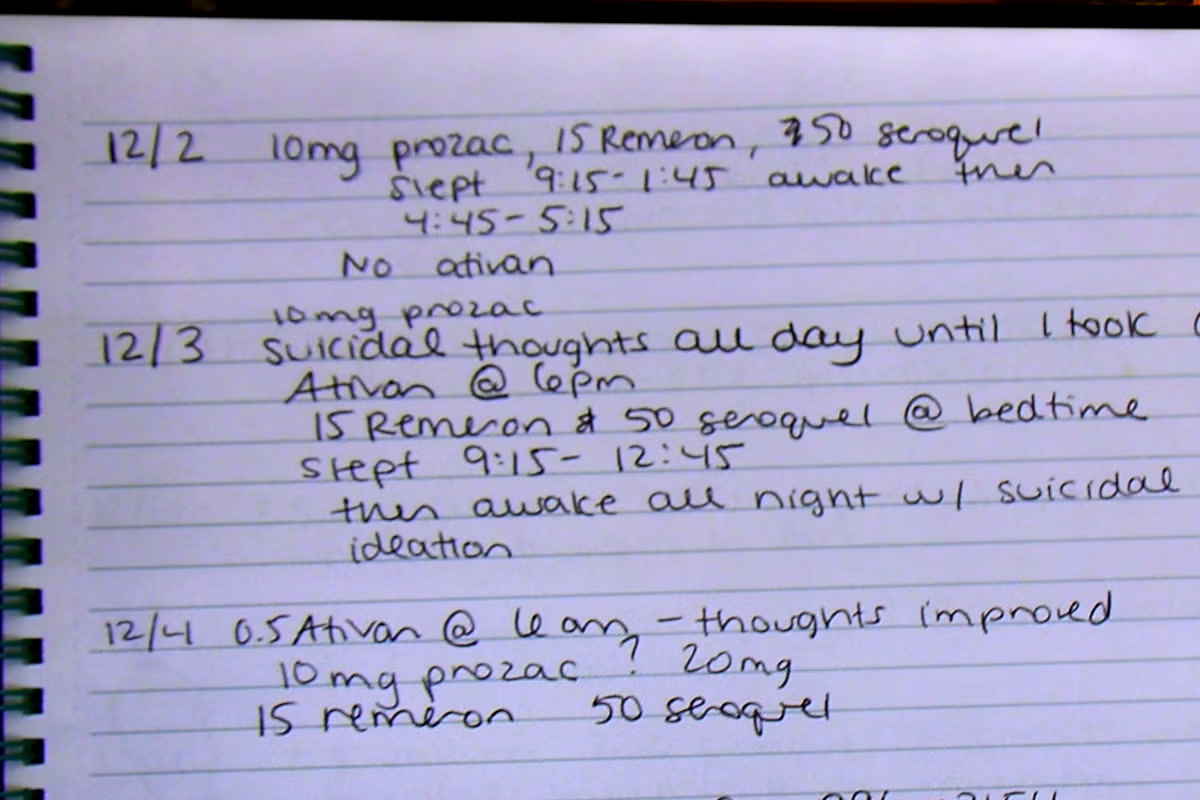
The country has been gripped by the horrific murder trial of Lindsay Clancy, a 35-year-old mother and former nurse accused of killing her three children before trying to kill herself. Her lawyers argue that she was suffering from postpartum psychosis, raising larger questions about maternal mental health and this lesser-known, but far more serious, perinatal mood disorder.We sat down with perinatal psychiatrist Dr. Uruj Kamal Haider for a special edition of "Healthful" to talk more about mental health conditions, which are the leading underlying cause of maternal mortality. She explained that postpartum psychosis is "a break from reality" where "the brain cannot properly process information," characterized by delusions, hallucinations and confusion. Dr. Haider said these delusions are "fixed false beliefs that tend to revolve around the baby." Postpartum psychosis is a psychiatric emergency where the mother must be sent to the hospital and the baby put into a safe place as soon as possible. But Dr. Haider emphasized that "with adequate and prompt treatment, most of these women go on to recover and have wonderful, beautiful lives with their family."We also had the chance to sit down with Kriti Lodha, a mom who bravely opened up about her own experience battling postpartum psychosis back in 2020. Lodha had no prior mental health condition, but she described "a perfect storm of sleep deprivation, being a new mom, a traumatic birth experience," which she believes may have triggered her postpartum psychosis.She said her daughter had trouble latching and started to lose weight. Soon after, Lodha said her first delusions revolved around the idea that she had postpartum depression and wasn't able to care for her daughter. Ultimately, Lodha ended up calling 911 because, in her delusionary state, she believed neither she nor her husband was fit to care for their child. From there, she was connected with an obstetrician who helped assess her condition. Lodha then went to the emergency room and was transferred a few days later to an inpatient psychiatric unit. Now recovered, Lodha said: "I think it's important to note that this is temporary. This is treatable. We know the pathways to care. And so timely treatment and diagnosis and treating mothers and babies with care and compassion really matters and makes a difference."