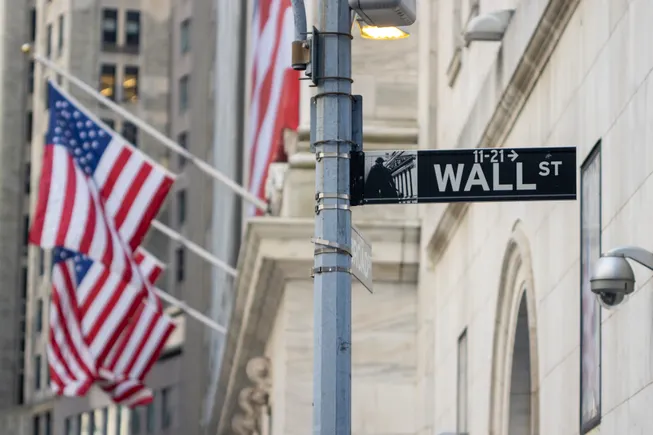
Braveheart Bio hit Nasdaq on August 6 like a company that already had something to prove. Shares opened at $30.20, a 68% premium to the $18 IPO price, vaulting the pre-revenue cardiovascular biotech to a market capitalization north of $2 billion before most traders had finished their morning coffee.
The company raised $382.5 million by selling 21.25 million shares, pricing above a marketed range of $15 to $17. For a firm with no approved products and no revenue, that kind of reception tells you something about where investor appetite is right now.
A bet on hearts, not revenue
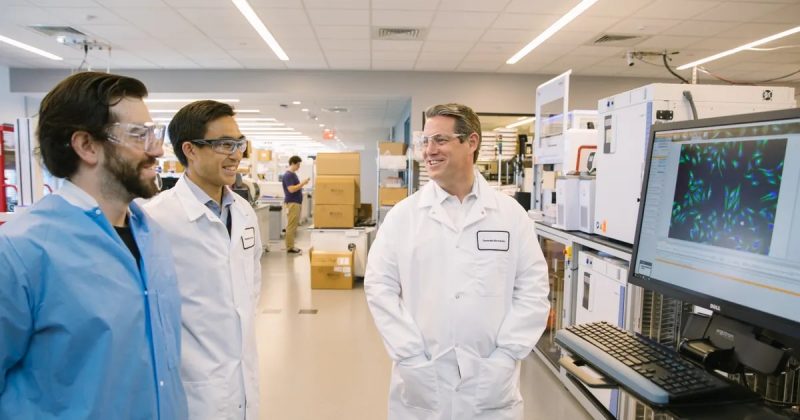
Braveheart Bio’s entire investment thesis rests on a single drug candidate: BHB-1893, an oral cardiac myosin inhibitor licensed from Jiangsu Hengrui Pharmaceuticals. The compound targets hypertrophic cardiomyopathy, a condition where the heart muscle becomes abnormally thick, making it harder for the heart to pump blood.
The company plans to use IPO proceeds to fund global Phase 3 trials. The obstructive form of the disease, known as oHCM, is slated for trial initiation in late 2026. Non-obstructive hypertrophic cardiomyopathy trials are expected to follow in early 2027.