The Ministry of New and Renewable Energy (MNRE) has hailed the discovery of a competitive ₹5.25 per unit tariff in SECI’s latest round-the-clock (RTC) renewable energy auction as evidence of the sector’s growing maturity and cost competitiveness.
| Photo Credit:
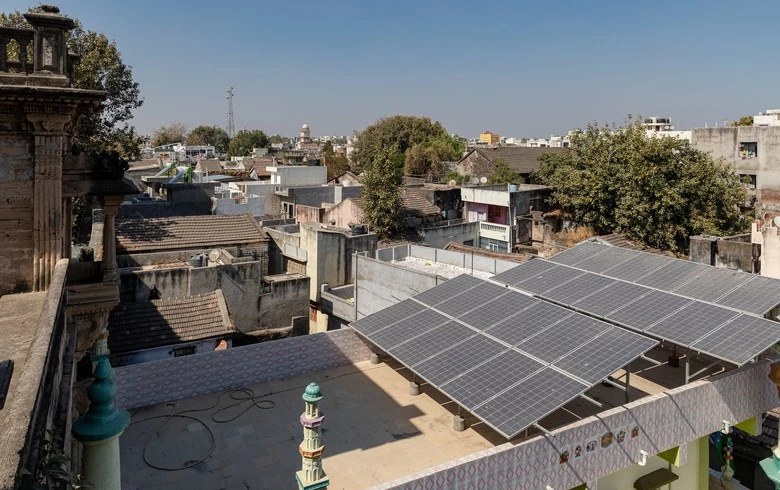
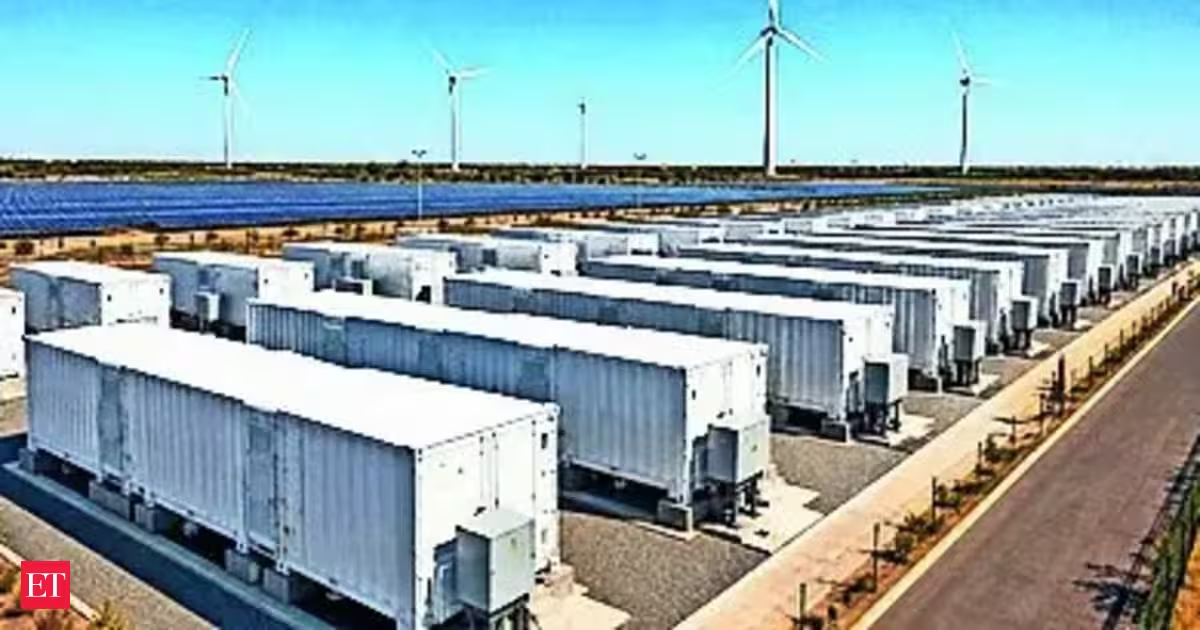
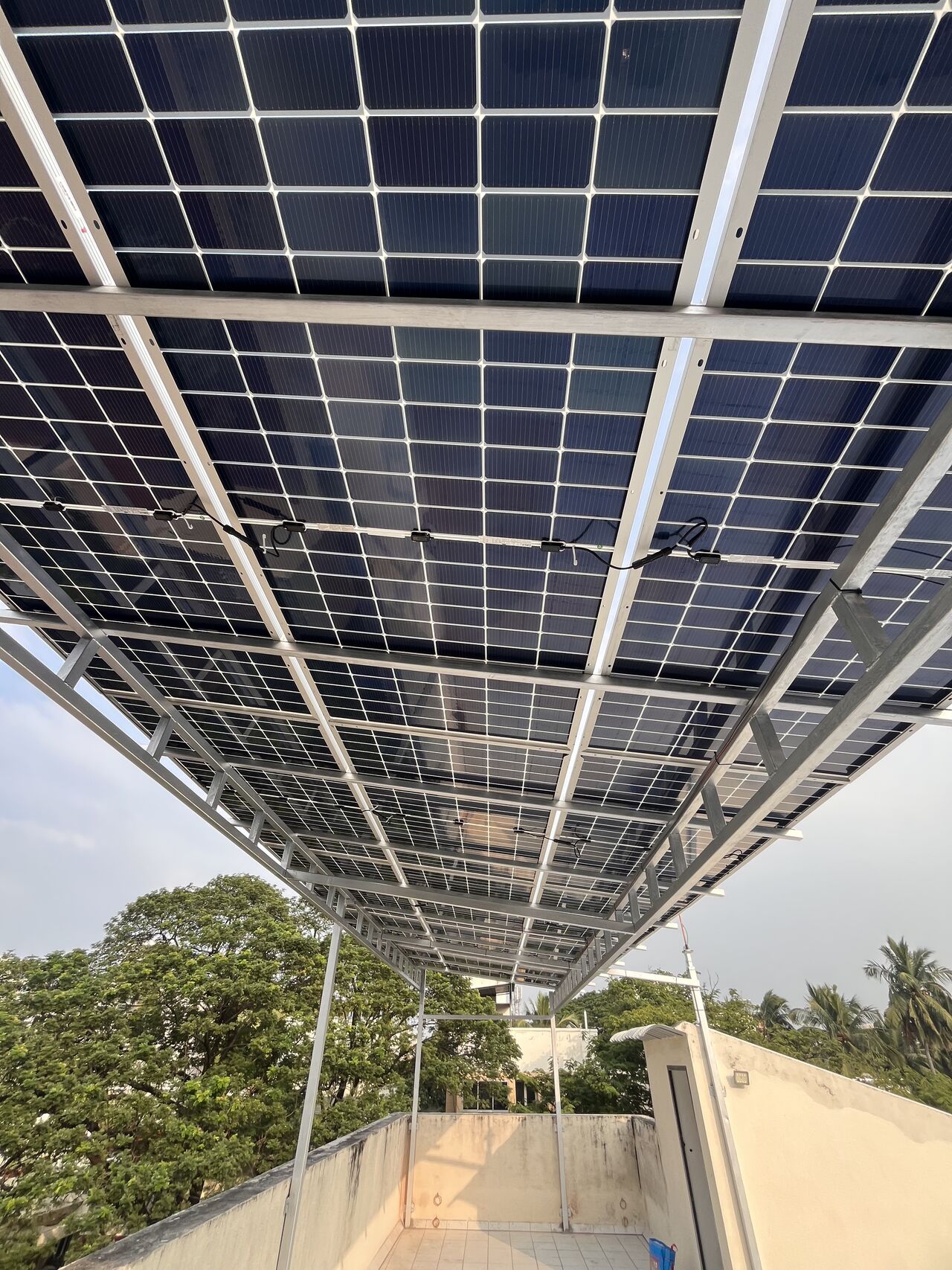
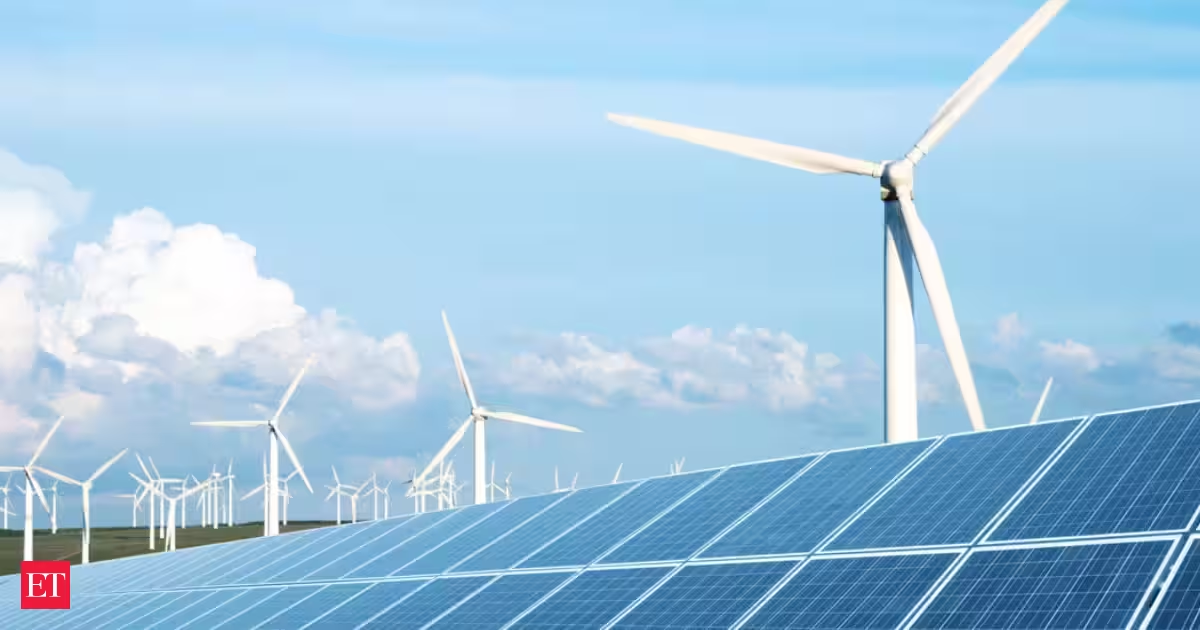
Highlighting the discovery of a ₹5.25 per unit tariff for RTC renewable energy, Santosh Sarangi, Secretary for the Ministry of New & Renewable Energy (MNRE), on Friday, emphasised that the tariff demonstrates the growing competitiveness of the domestic renewable energy sector.The latest round-the-clock (RTC) RE bid has discovered a competitive tariff of ₹5.25 a unit. The state-run renewable energy implementing agency (REIA), Solar Energy Corporation of India (SECI), conducted the bidding.“We expected the price to be very high, but thanks to the competitive spirit among our developers, we discovered a rate of ₹5.25 per unit for RE RTC,” Sarangi said.Addressing CII’s International Energy Conference and Exhibition (IECE), he noted that the latest RTC RE bid provides for 90 per cent assured power availability in each time block, with solar accounting for only 50 per cent of supply during the daytime.The tariff demonstrates the growing competitiveness of renewable energy and developers’ ability to integrate solar, wind, and storage technologies to provide reliable power, he added.India on track for 500 GW non-fossil capacity targetThe MNRE Secretary noted that India has crossed 300 gigawatts (GW) of renewable energy installations and is on course to achieve the Prime Minister’s target of 500 GW of non-fossil fuel capacity by 2030.He attributed this progress to three key pillars policy—certainty, domestic manufacturing and market-creation initiatives.Highlighting India’s growing renewable energy manufacturing ecosystem, Sarangi pointed out that India has more than 213 GW of solar module manufacturing capacity and over 32 GW of solar cell manufacturing capacity, while around 85 per cent of wind energy manufacturing is indigenised.He highlighted the rapid expansion of decentralised renewable energy, noting that PM Surya Ghar has crossed 50 lakh households and is progressing towards its target of one crore rooftop solar installations.Regional grid integration needs policy alignmentOn cross-border energy cooperation, he stressed that regional energy integration requires both physical infrastructure and compatible regulatory systems.“When we talk of cross-border energy trade, we are not talking merely of the hardware of putting wires, putting transformers, substations, or undersea cables; it is equally important to talk of the software relating to cross-border energy transmission,” Sarangi added.He also highlighted the potential of the One Sun, One World, One Grid vision to enable countries across different time zones to complement one another by sharing renewable energy.Sri Lanka pitches integrated South Asian power marketAnura Karunathilake, SriLanka’s Minister of Energy, highlighted his country’s growing renewable energy potential and said its Electricity Act provides for the facilitation and promotion of a national electricity market, with cross-border electricity trading becoming a realistic possibility as the market matures.Referring to the proposed India-Sri Lanka grid interconnection, he said, “The future of energy in our region should not simply be about creating electricity. It should be about creating a resilient, interconnected, and competitive regional electricity market that accelerates the clean energy transition, strengthens energy security, and promotes sustainable economic growth for all our nations.”Karunathilake also called for a regional approach beyond bilateral interconnections, noting that connecting solar and wind resources across countries with Bhutan’s hydropower could improve system reliability, reduce the need for costly national reserves and deliver more affordable electricity.He emphasised that thoughtful planning, sound regulations, mutual trust, and harmonised regulatory frameworks would be essential to building an integrated South Asian energy market. He was speaking at a session on ‘Beyond Borders: The Future of Shared Energy Systems’ at the CII event.Bhutan highlights need for common standards and smart gridsKarma P. Dorji, Director General of the Department of Energy, Ministry of Energy and Natural Resources of Bhutan, said that South Asia’s diverse and complementary renewable resources, including hydropower in the Himalayas, solar across plains and deserts, and wind along the coasts, provide a strong basis for regional integration.“Energy is not just a commodity; it is a foundation of development, resilience, and human progress,” he said, while stressing that interconnected systems would require common standards, stronger cybersecurity, real-time coordination and intelligent technologies such as artificial intelligence to improve grid stability and renewable integration.Published on August 7, 2026