For a coterie of dandyish readers during the Victorian Mauve Nineties, The Yellow Book provided something novel—book cover designs. When the literary quarterly released its first volume in the spring of 1894 it was with a high-quality cloth-bound cover colored a midnight yellow as if by the flickering of a gas lamp, with a stark black caricature of a seventeenth-century bouffanted and beauty-marked lady in a carnival mask laughing while an androgynous second stands behind her. “If I am not grotesque,” said the designer Aubrey Beardsley, “I am nothing.”Article continues after advertisement
Inspired by the poster illustrators of Paris, most infamously Henri de Toulouse-Lautrec, Beardsley, whose face his friend Oscar Wilde described as shaped “like a hatchet” and who was known to visit the publishers in a riffled morning coat with yellow gloves, envisioned the pedestrian book cover, an object largely of pure utility, as rather an occasion for beauty.
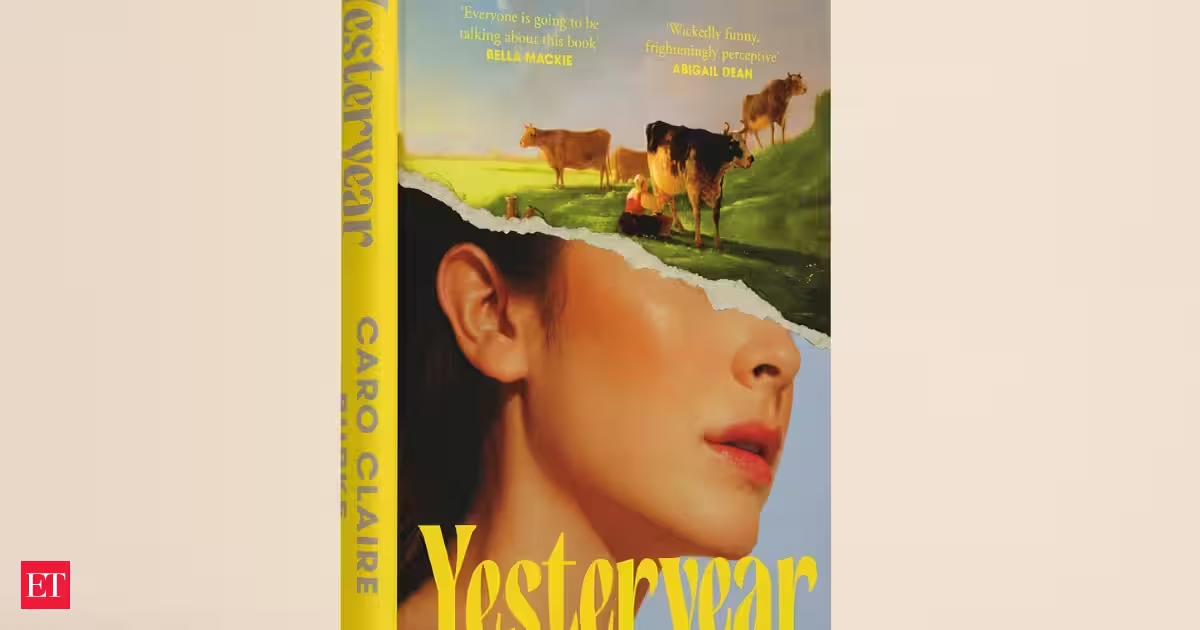
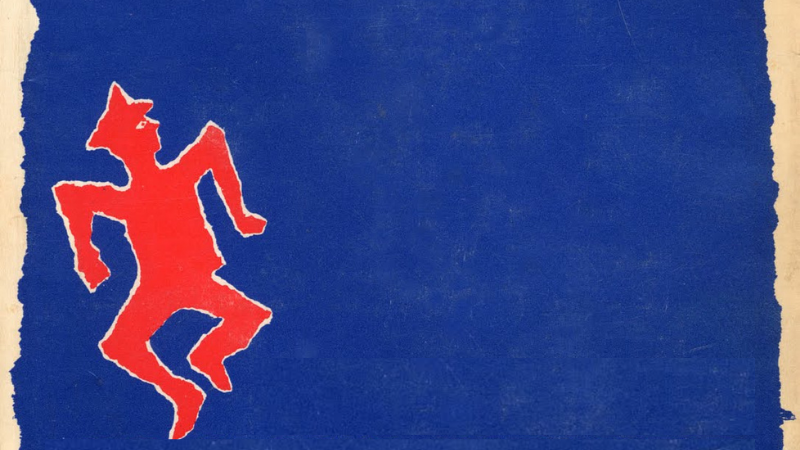
Reading a book begins before a book is ever read, and of course the cover images are the most integral part of that process.
Before Beardsley, the cover was a concern of binders; after, it was the domain of artists. During the middle-ages, vellum was encased in intricately carved wooden boards, often with clasps to prevent humidity from curling its pages; by the era of print, books could be bound in leather or stiff cardboard, sometimes with a frontispiece woodcut, but The Yellow Book—deriving its name from the color by which illicit French novels signified their contents—elevated the modest cover to a new level of aesthetic import. In this case maybe even more significant than literature, for despite anthologizing Henry James and W.B. Yeats, the quarterly is best remembered for Beardsley’s covers over its first four issues (he was fired and then died of tuberculosis). In forever changing the nature of the book, Beardsley’s first edition cost five shillings, and the month was accidentally printed as “Aprtl.”