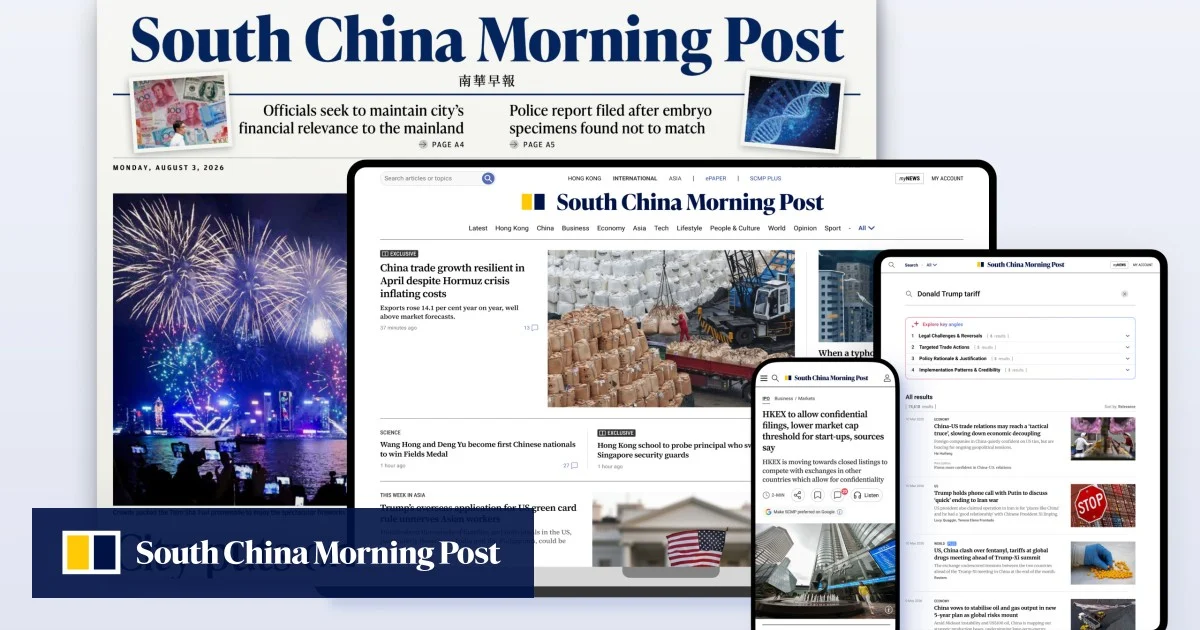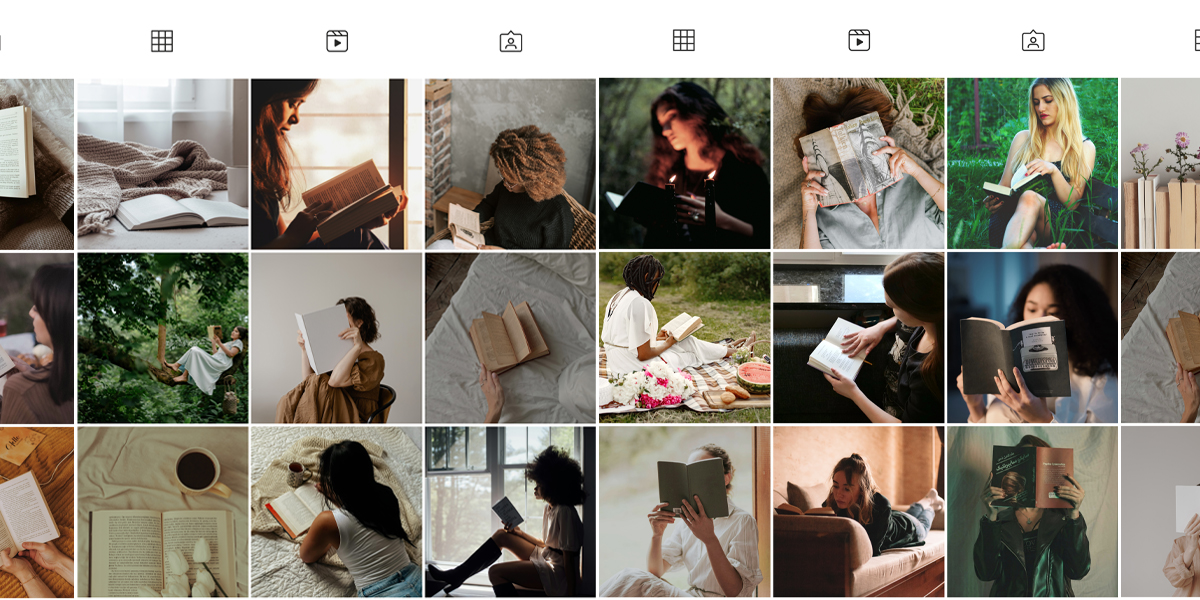
I work in the Art Department at HarperCollins, where I have a front-row seat to the conversations that shape how books appear in the world. What kind of cover art reads as “literary” versus “commercial,” what signals a “book club book,” what feels “serious” versus “friendly,” and increasingly, how to make a cover socially legible online. Covers today are expected not only to attract readers in bookstores, but to circulate fluidly through Instagram posts, TikToks, Substack photos, and carefully curated apartment interiors. Books are now asked to function simultaneously as texts and as lifestyle objects, and designers are now tasked with imagining multiple scales of reach simultaneously, from the bookstore table to the phone screen.Article continues after advertisement
In the before times, a cover served primarily as an interpretation of the text: a visual invitation intended to both entice readers and help them understand the book’s content. When working on a new cover, designers would ask themselves: What is this novel? What emotional experience does it promise? These were the questions they attempted to answer though their work.
Today, another question has quietly entered the designer’s studio: How does the reader of this book want to be perceived? Or more bluntly: Who do they want to be?