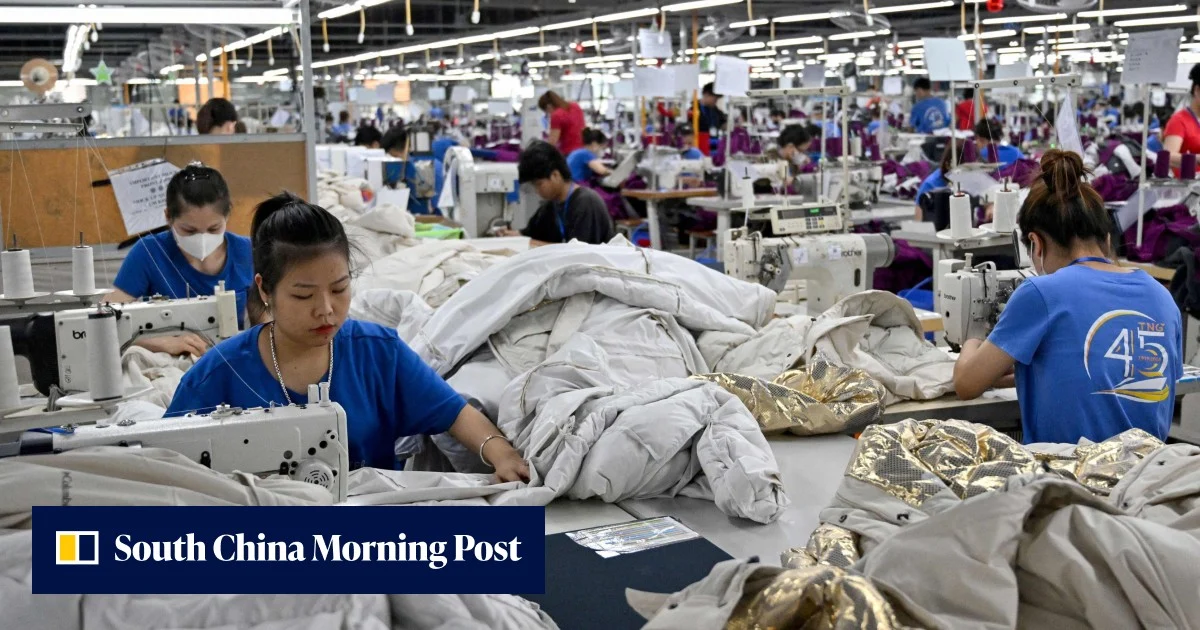
Vietnam attracted $34.65 billion in registered foreign direct investment (FDI) in the first half of 2026, 61 percent more than the same period in 2025. At the same time, realized FDI reached $13.03 billion, its highest first-half level in five years. Observers including Harvard’s Growth Lab have also pointed to Vietnam’s increasingly diverse and sophisticated export base as a source of strong long-run growth prospects. By conventional measures, the country’s development model is working.
Despite this, another important labor-market signal has been moving in the opposite direction. Since the late 2000s, the wage premium earned by staying in school has been falling, with particularly marked falls for university graduates. This does not necessarily mean that education has become less valuable in itself. It may instead mean that the economy is not creating enough jobs that make productive use of advanced skills.
Whatever the reality, it has important implications for the Vietnamese government’s ambition of reaching high-income status by 2045. The gains from moving workers out of agriculture and into factories and services cannot continue indefinitely; future growth requires sustained productivity growth rather than labor reallocation alone. So far, Vietnam’s FDI model has succeeded on employment quantity but underperformed on occupational upgrading.