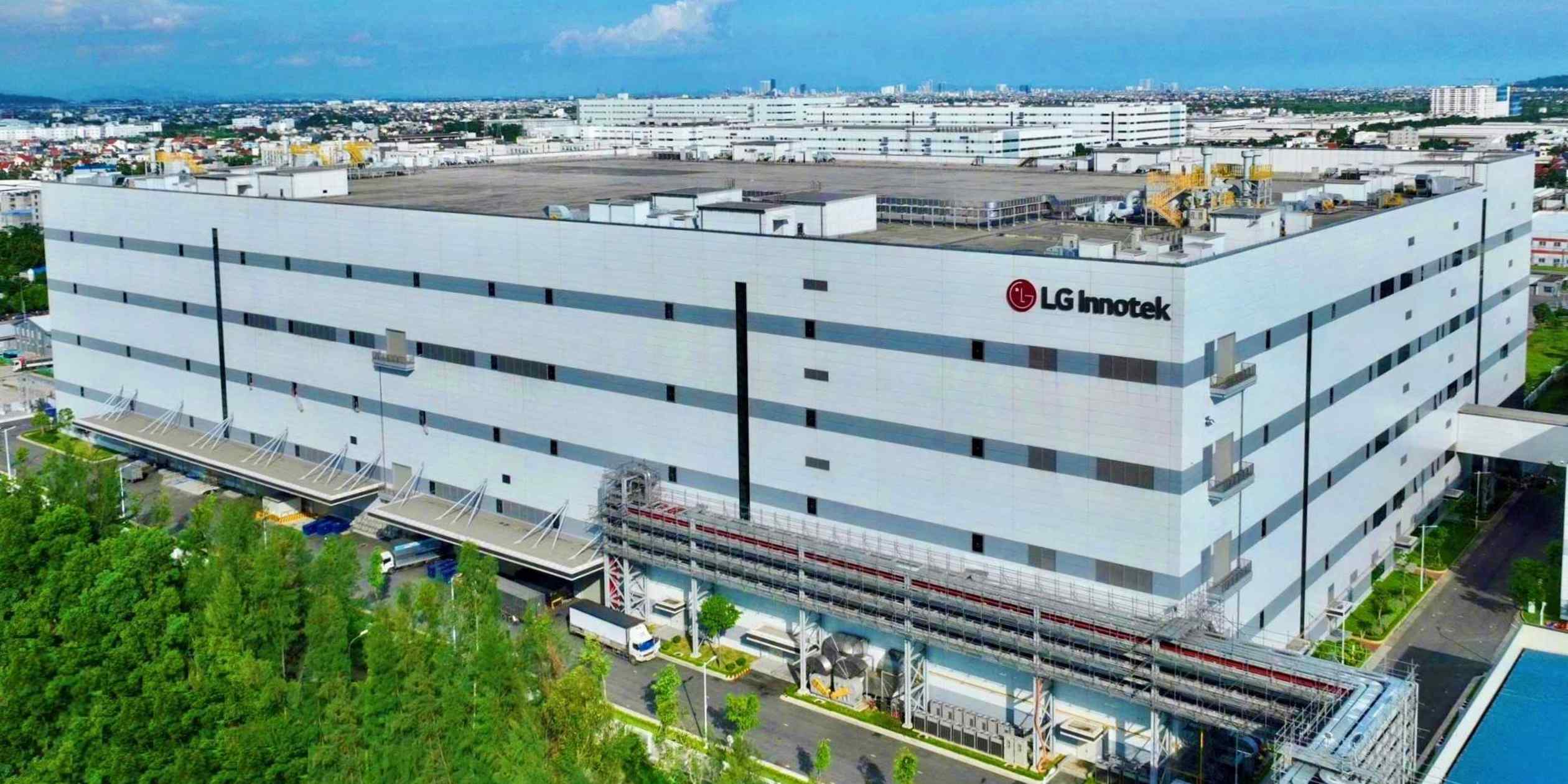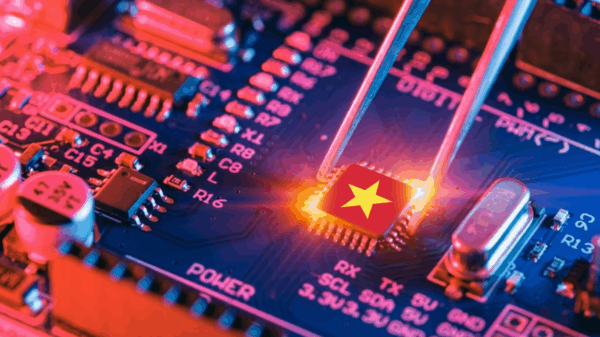
For much of the past three decades, Vietnam’s economic success has rested on becoming one of the world’s value-for-money manufacturing destinations. Vietnam recognizes that companies and countries around the world are seeking to ameliorate their China risk by having another country (the “plus one”) as a source of resources (e.g., critical minerals) and manufacturing.
Now, fresh off its World Bank reclassification as an upper-middle-income country, Hanoi has a far more ambitious objective: to become an indispensable player in the physical layers underpinning artificial intelligence (AI).
Semiconductors sit at the center of that ambition. Over the past two years, Vietnam has unveiled a series of initiatives that together amount to one of Southeast Asia’s most ambitious semiconductor strategies. The government plans to train 50,000 semiconductor engineers by 2030, launch a $100 million venture capital fund inspired by Israel’s Yozma program, dramatically increase public spending on science and technology, attract additional foreign investment from global technology leaders, and secure domestic supplies of rare earth minerals that are critical inputs into chip manufacturing.
Taken together, these initiatives represent something more significant than Vietnam’s past approach to industrial policy. Hanoi is using economic statecraft to position itself within global value chains as a means of fueling continued economic growth and sovereignty.