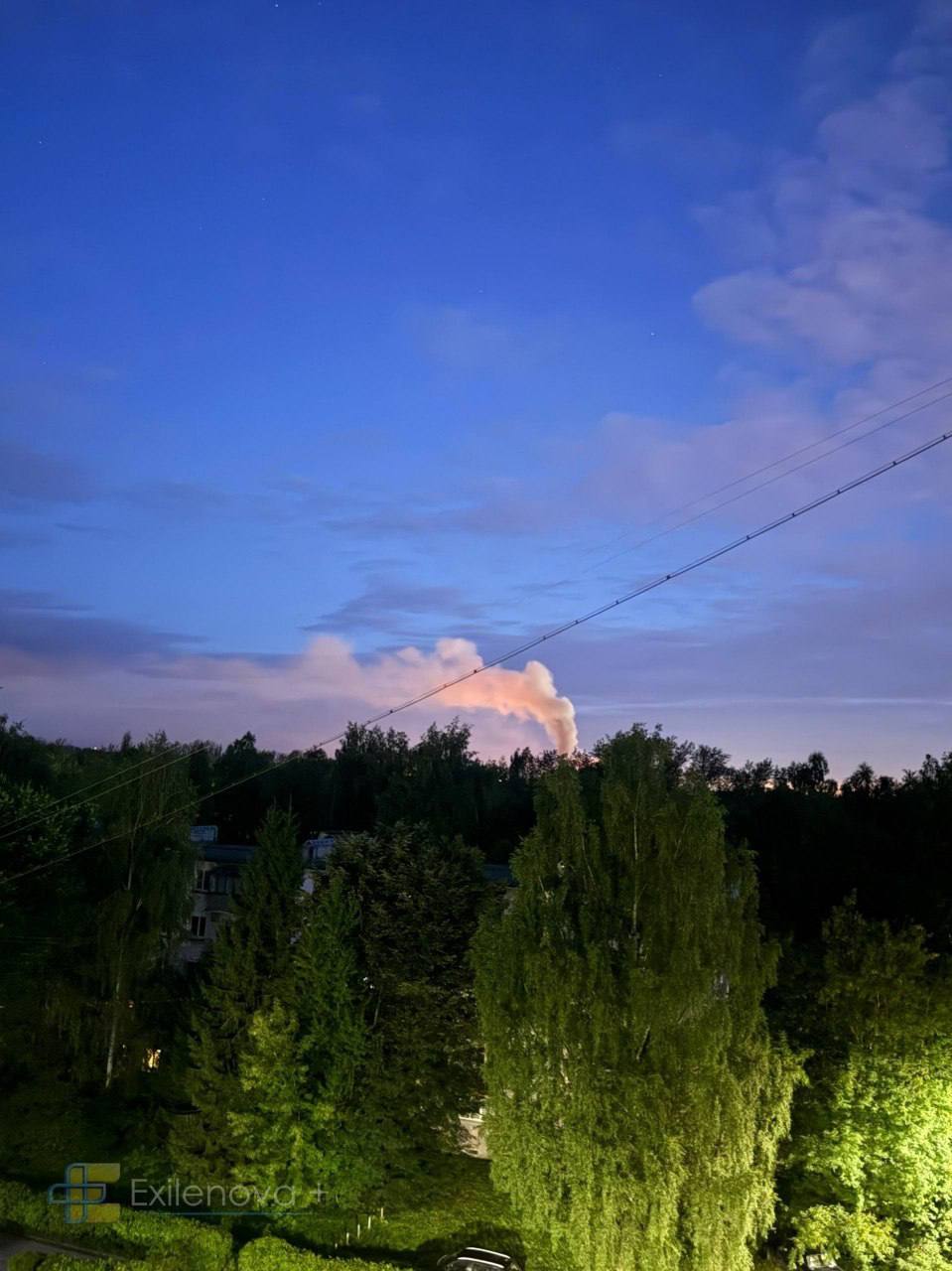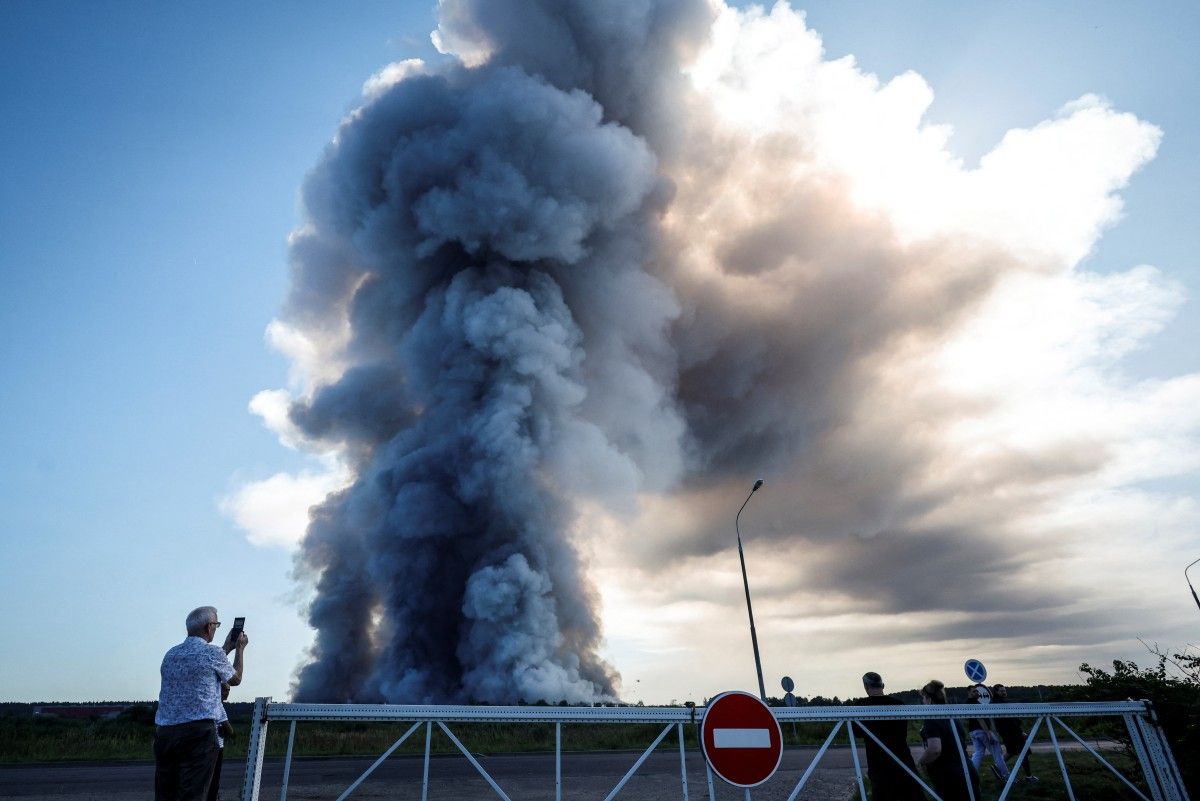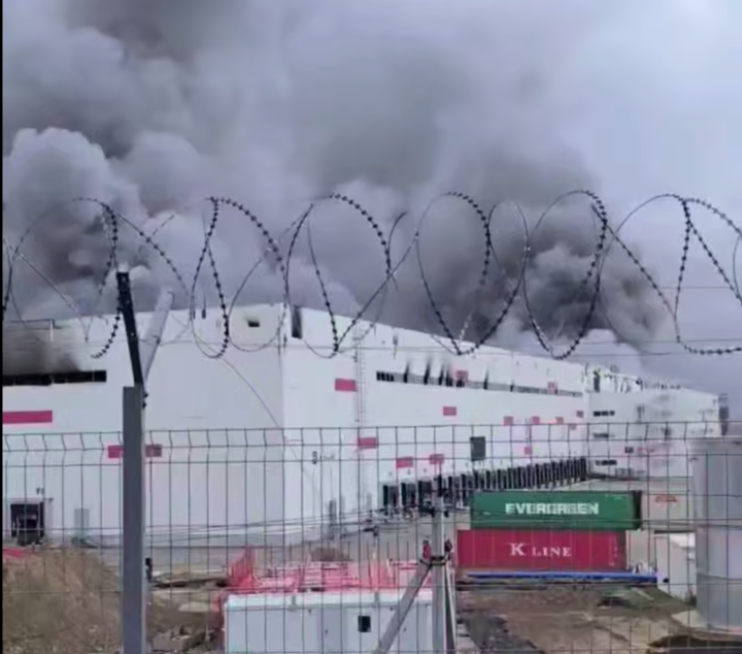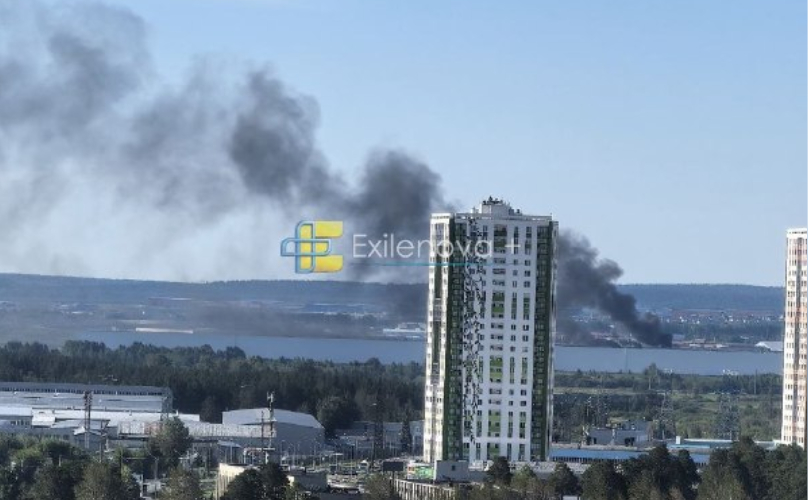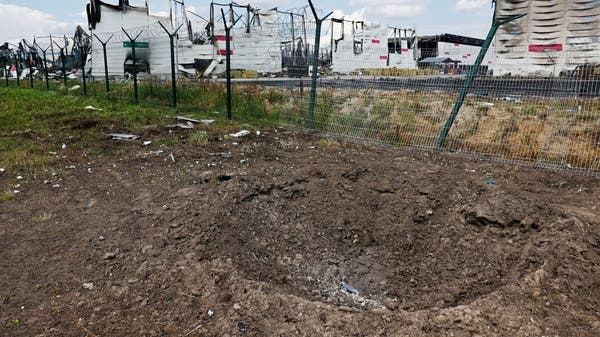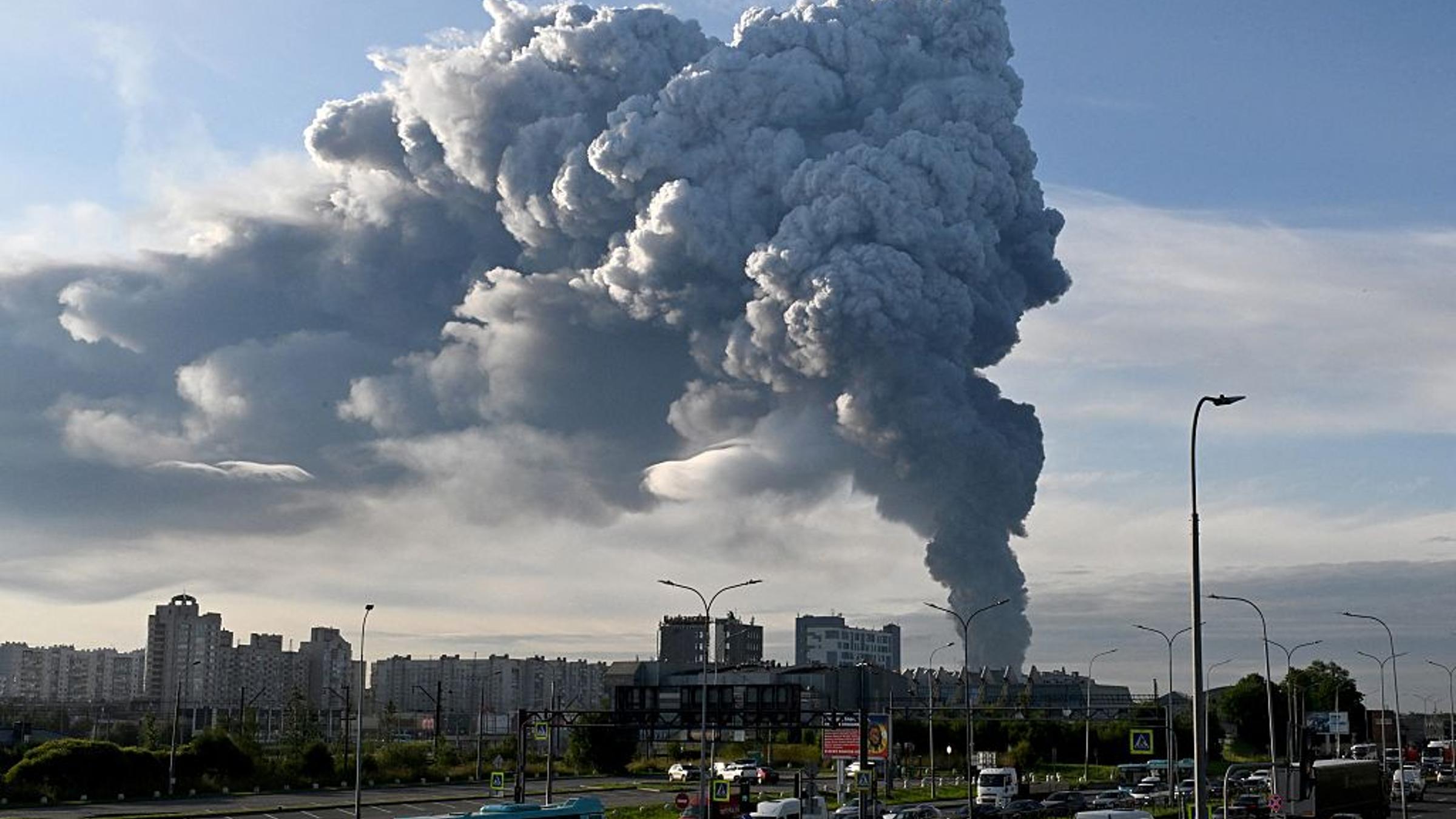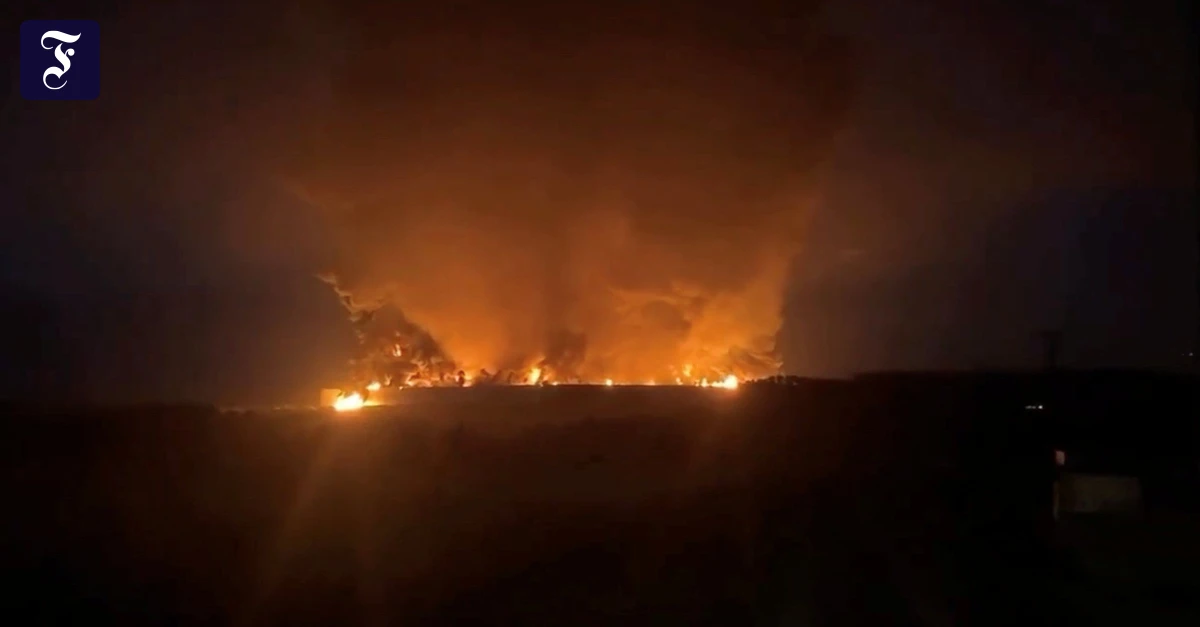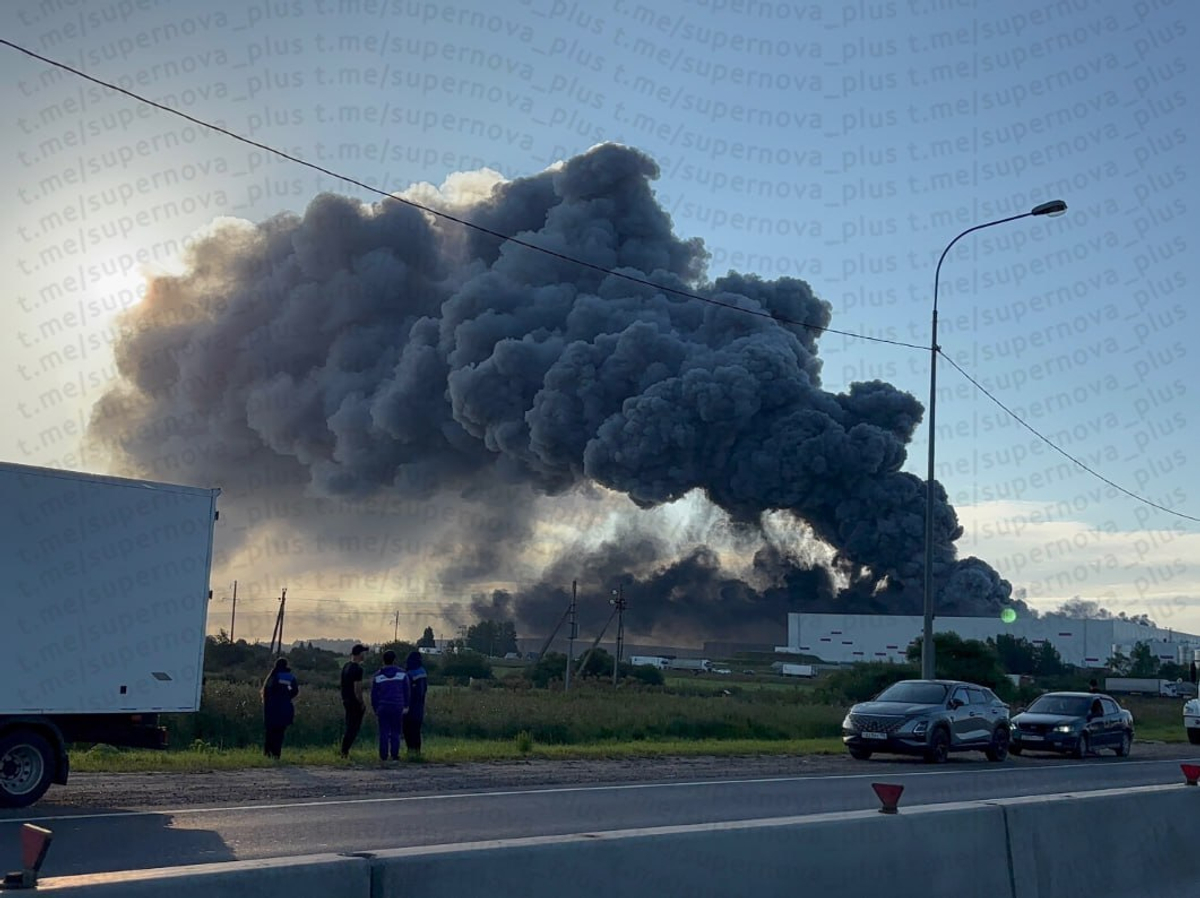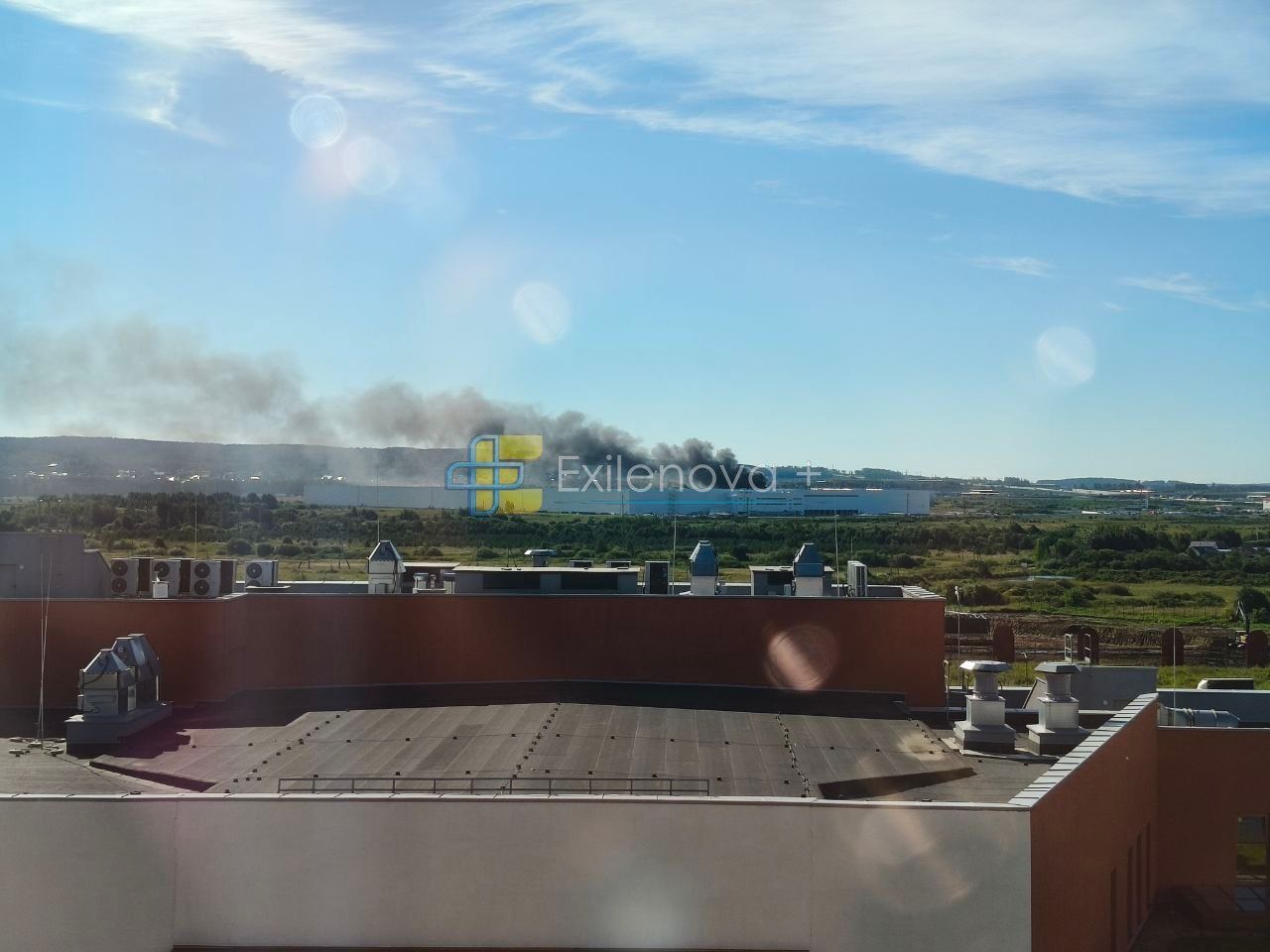
Ukrainian forces struck a logistics center belonging to Russian e-commerce giant Wildberries in the city of Yekaterinburg, Russia, on Aug. 7, Russian independent outlet Astra reported.The first photos and videos emerged on Russian social media around 5 a.m. local time, showing smoke rising from the Wildberries facility.About an hour earlier, Sverdlovsk Oblast Governor Denis Pasler said the region was under attack by Ukrainian drones, while Russia's Federal Air Transport Agency, Rosaviatsiya, imposed temporary flight restrictions at Koltsovo Airport in Yekaterinburg.The strike, located about 2,000 kilometers (1,240 miles) from the front line, sparked a large fire, according to the Ukrainian Telegram channel Exilenova+.Artem Zhoga, the Russian presidential envoy to the Ural Federal District, said no one was injured in the attack and that about 800 people were evacuated from the facility.Wildberries also confirmed the attack on its facility, saying the fire had been contained and that the processing of new deliveries was temporarily restricted and redirected to other sites.Pasler said Russian forces had allegedly downed eight drones over the region during the attack, three of which crashed onto the roof of the logistics center. Meanwhile, Russia's Defense Ministry said its air defenses had shot down a total of 203 Ukrainian drones overnight on Aug. 7.The attack on the Wildberries warehouse is part of a broader Ukrainian campaign targeting facilities linked to the Russian retailer, which, among other activities, distributes dual-use goods that can be used in the production of Russian weapons.The first strikes on Wildberries logistics centers began in late July. Since then, Ukrainian forces have targeted about 20 such facilities across various Russian regions and in Russian-occupied Crimea.Meanwhile, on Aug. 5, Russian forces carried out a large-scale missile and drone attack on Ukraine, with Kyiv and Kyiv Oblast among the main targets. The strikes hit critical infrastructure, residential buildings, and numerous warehouses containing goods from international and Ukrainian brands, causing substantial losses for businesses.Companies affected included German brands Liqui Moly and Puma, Japanese automaker Toyota, Ukrainian postal operator Nova Post, online marketplace Rozetka, retailer Epicentr-K, and grocery chain Silpo, among others.
Ukraine attacks Wildberries logistics center in Russia located nearly 2,000 km from front line
The first photos and videos emerged on Russian social media around 5 a.m. local time, showing smoke rising from the Wildberries facility.
341 words~2 min read