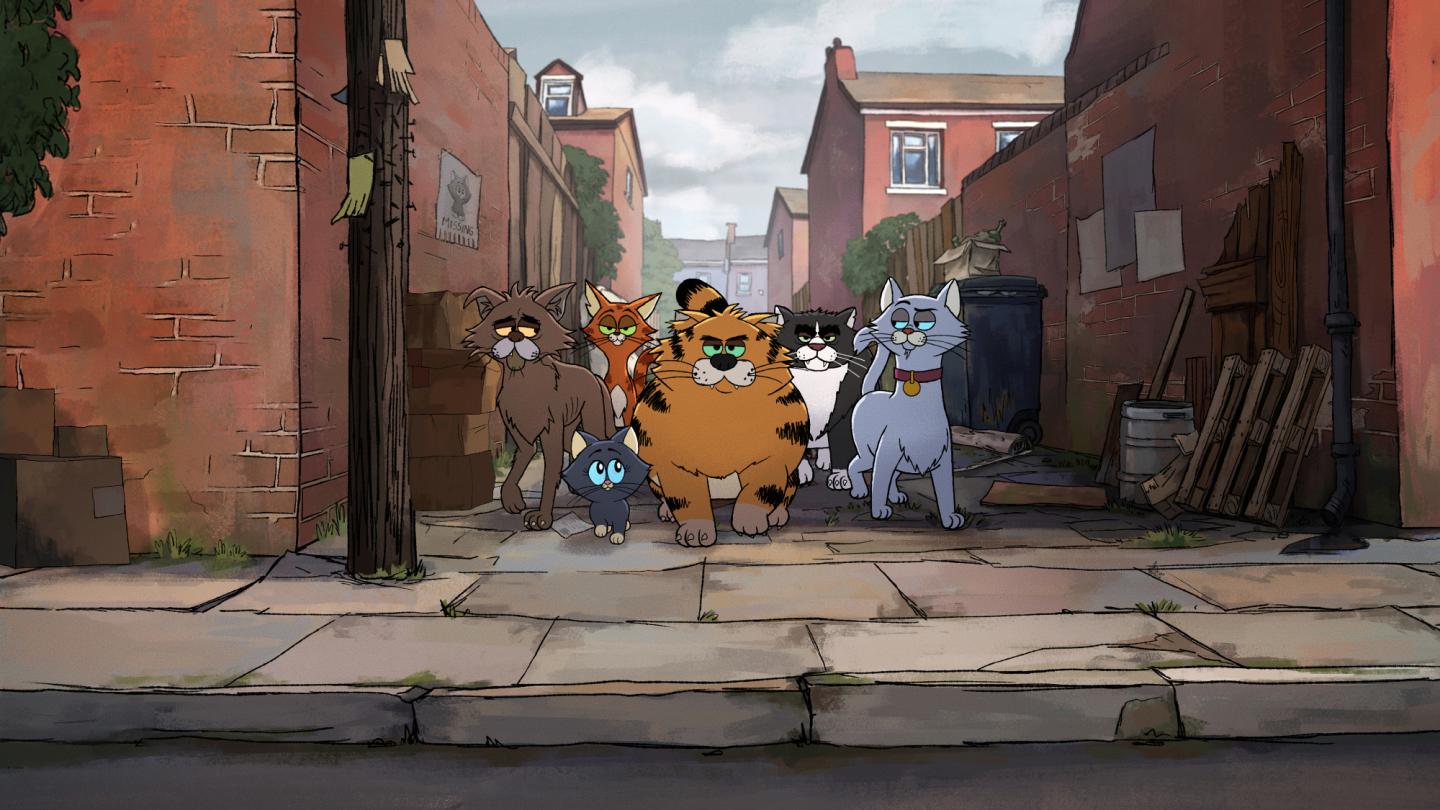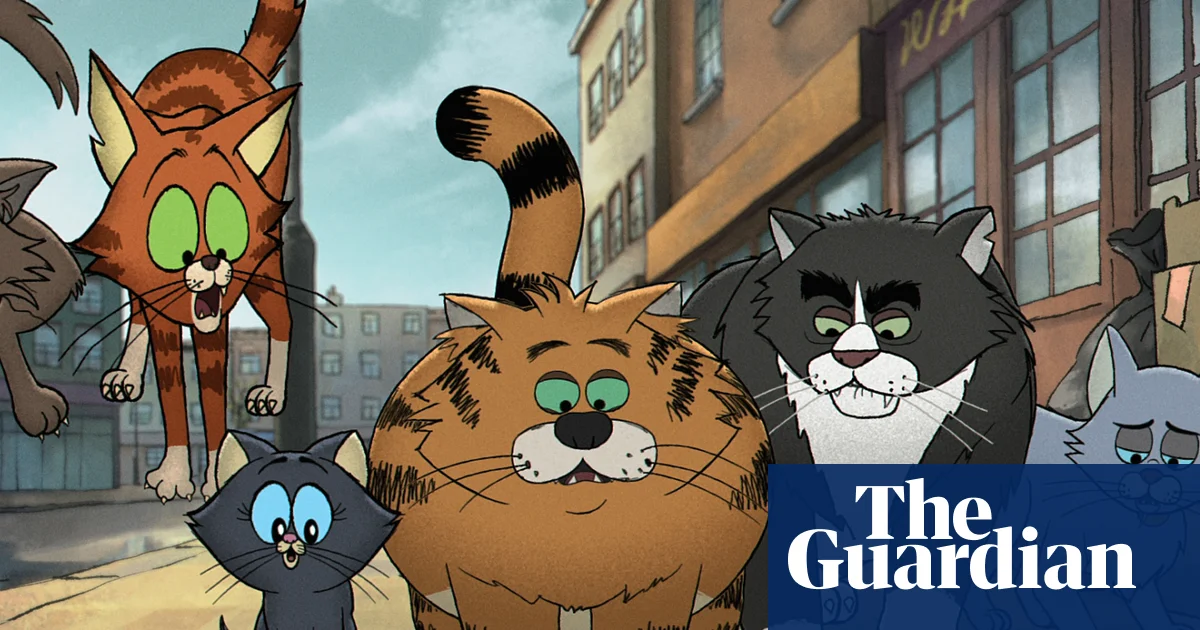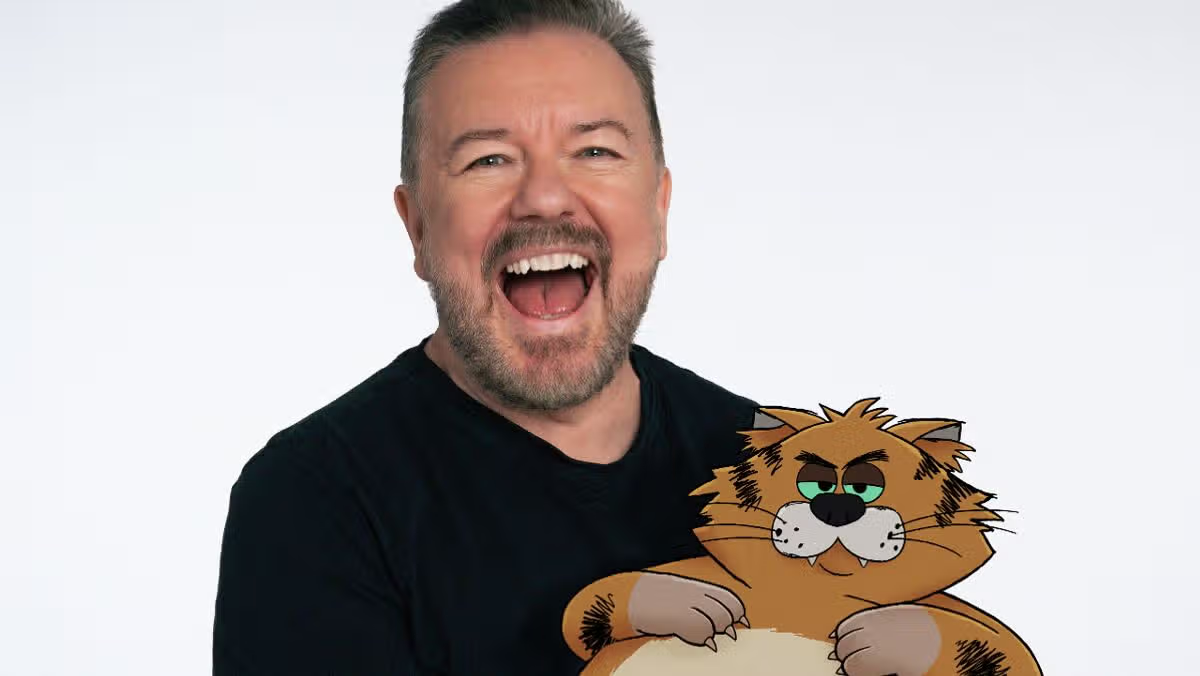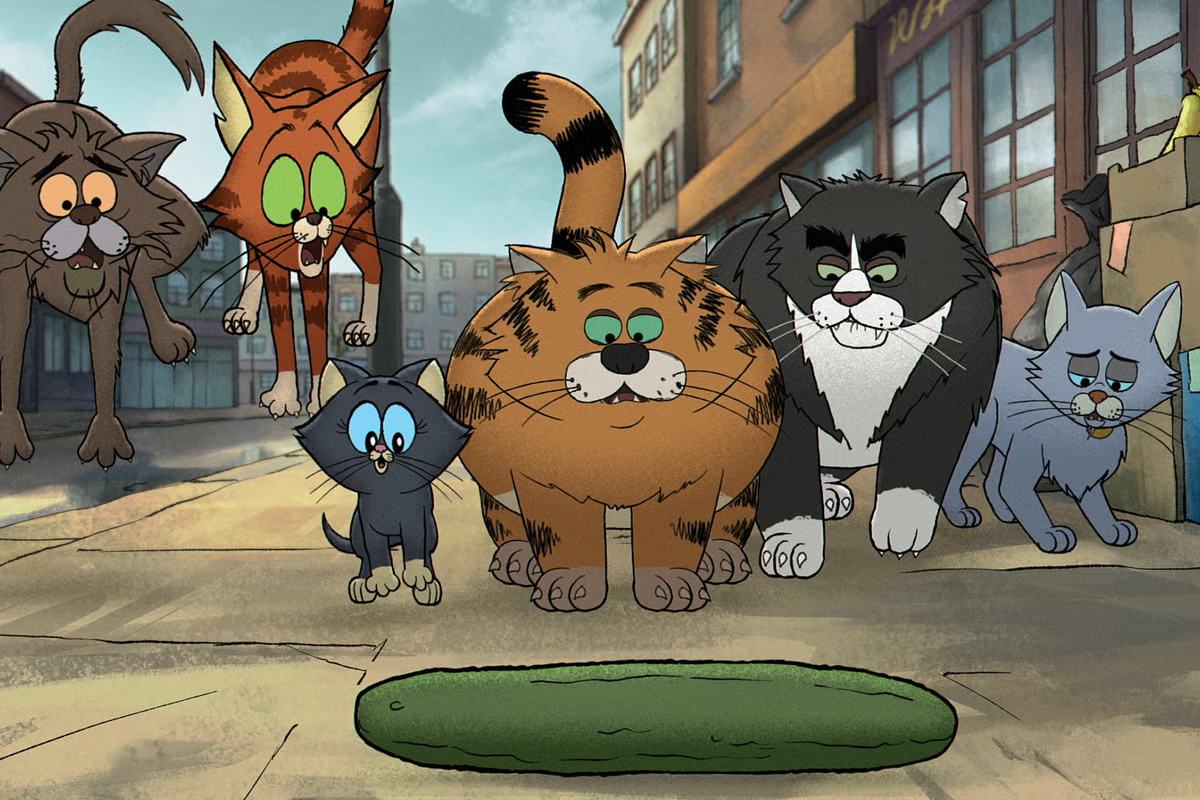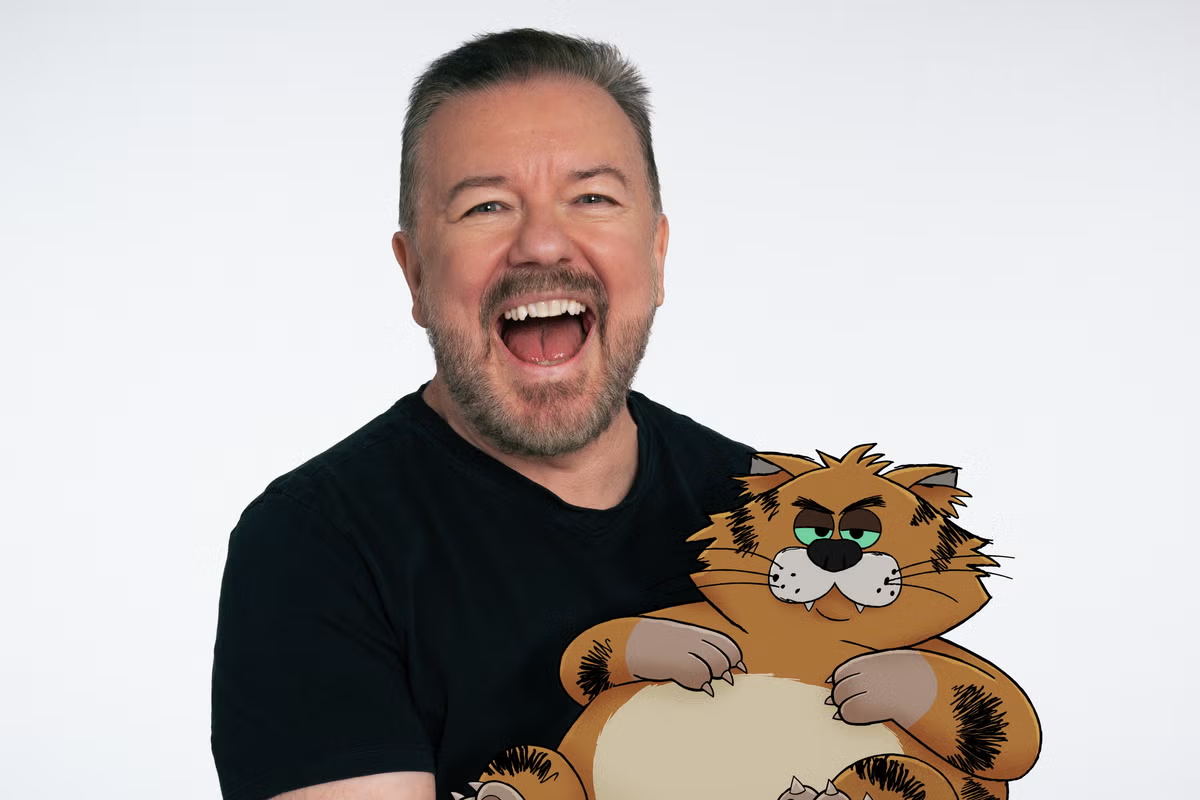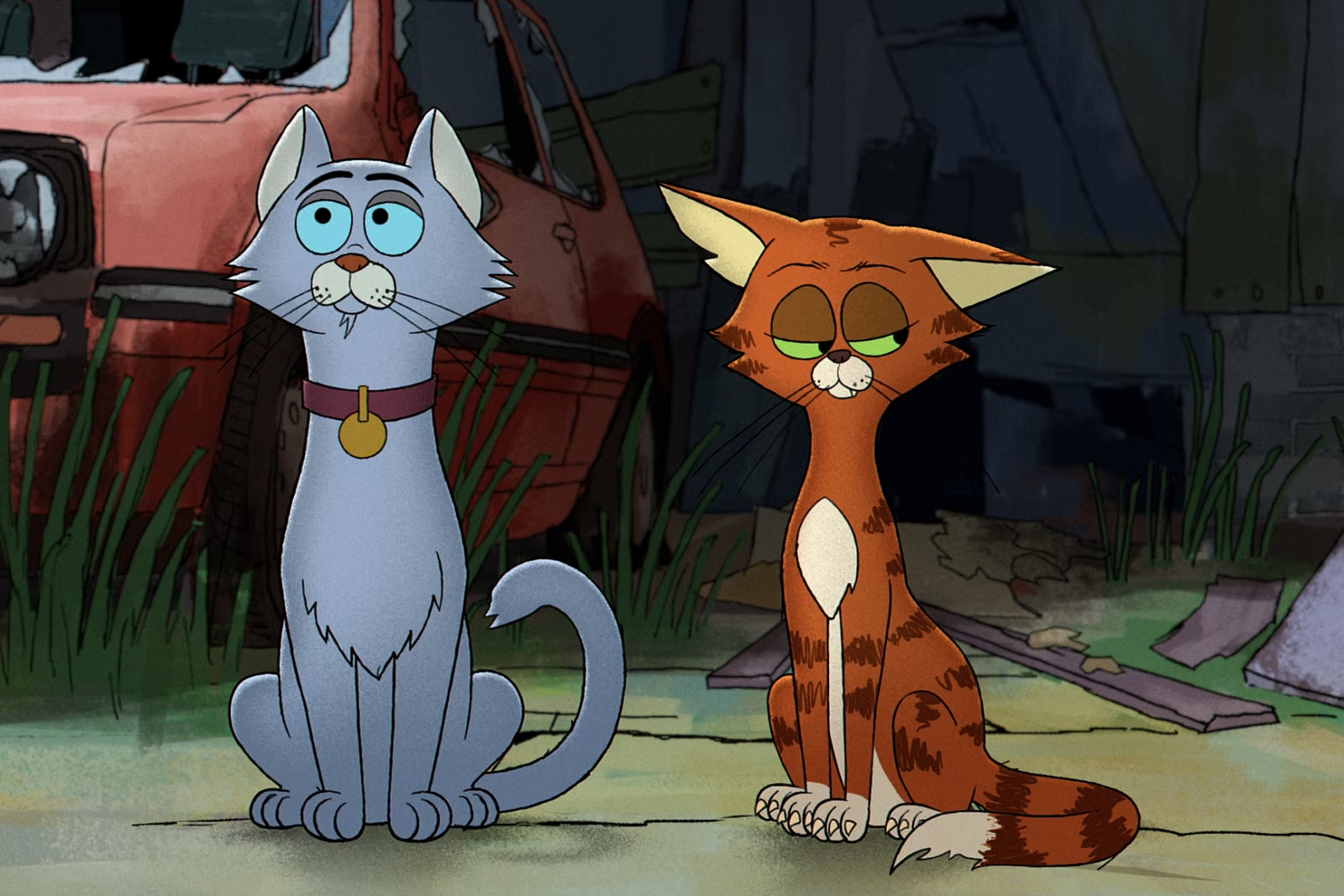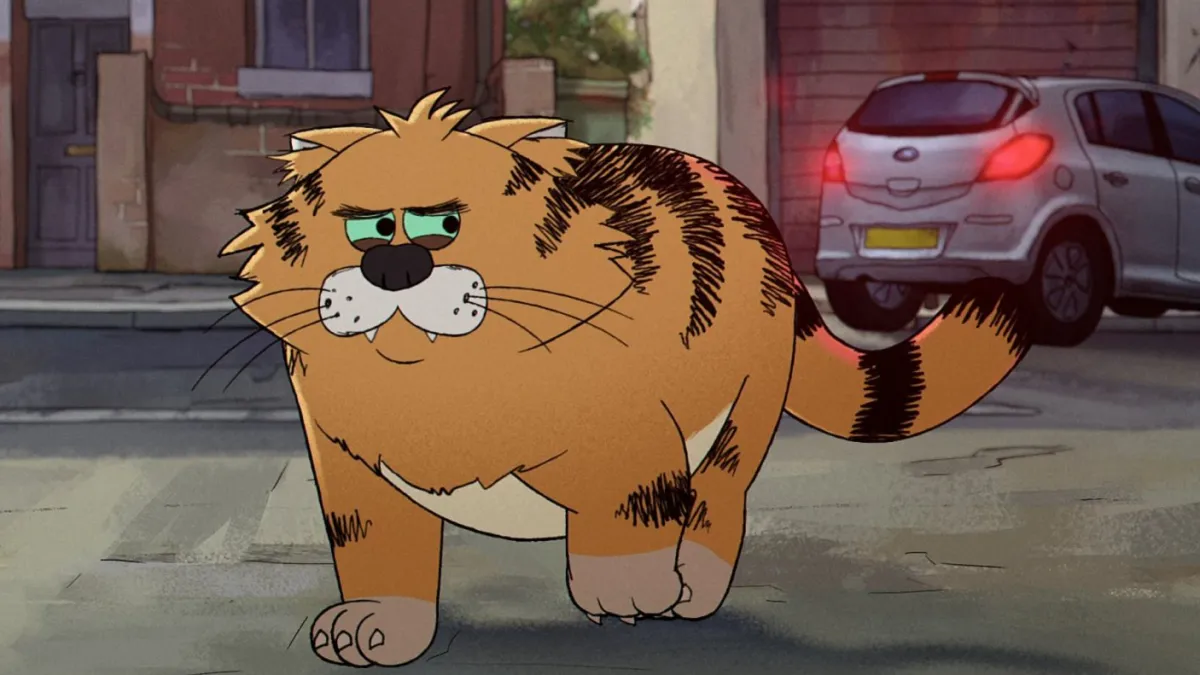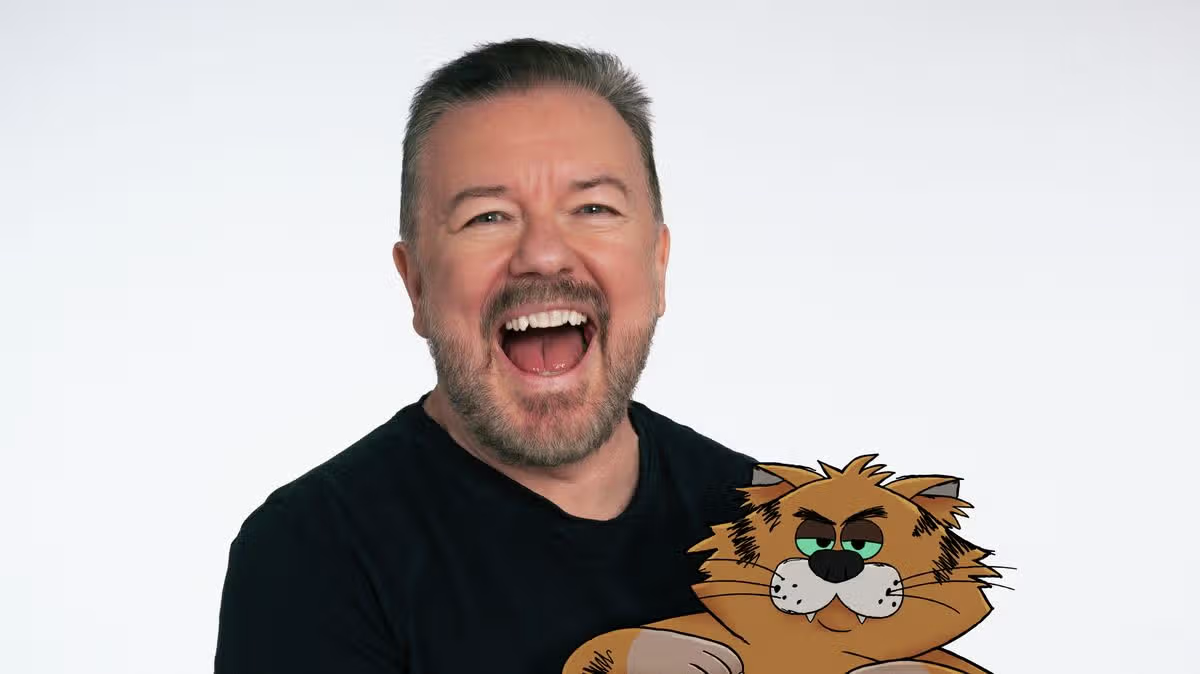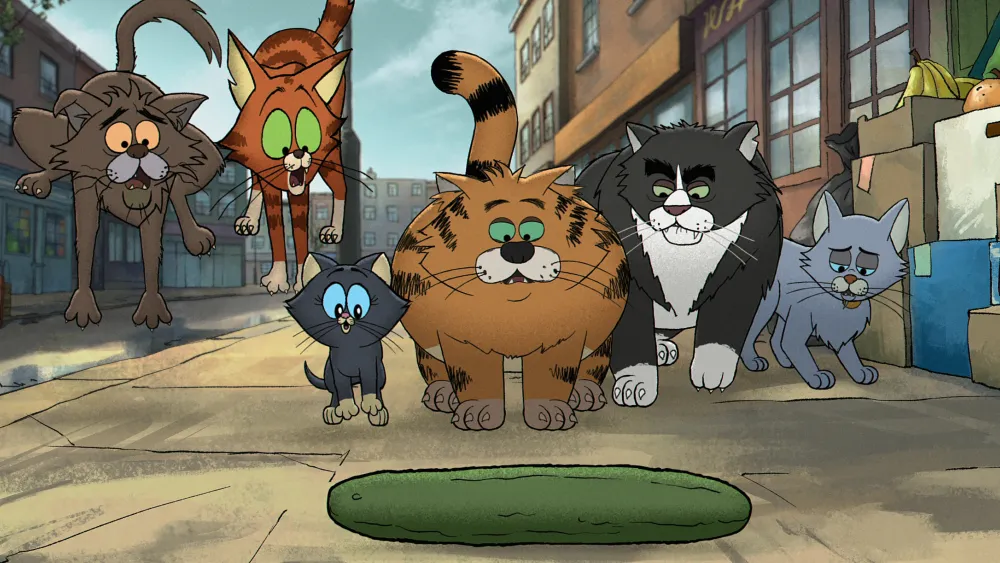
To kick off the third episode of the Netflix animated comedy “Alley Cats,” protagonist Gus — an overweight orange tabby voiced by writer, creator and frequent director Ricky Gervais (think Garfield with a distinctly working class British accent) — describes his plan for the day. It starts with an achievable goal. Then: “Get distracted immediately. Do loads of weird, pointless shit that somehow makes stuff worse. Kill something. Eat bits of it. Give up our mission. Come home here. Sleep for 14 hours.”
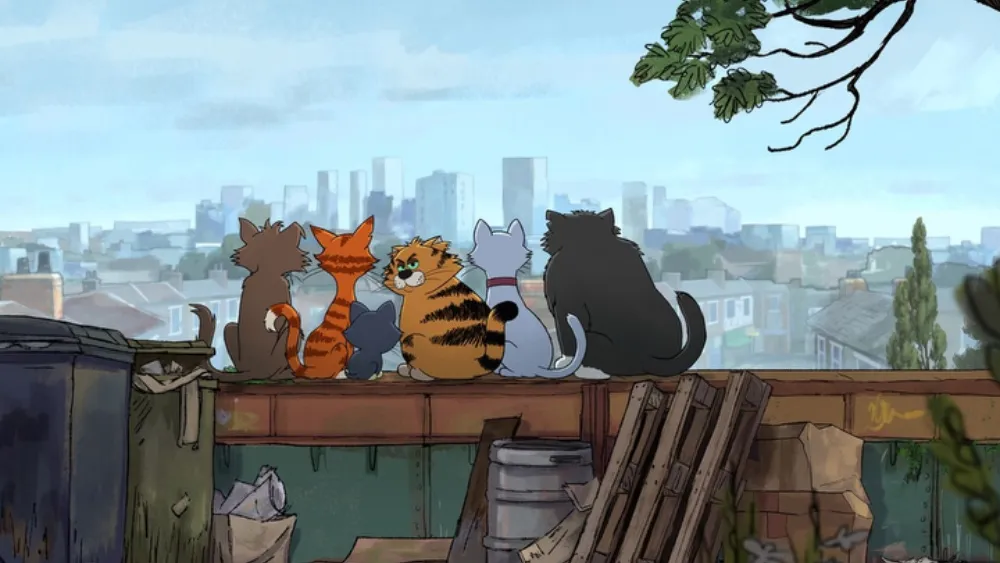
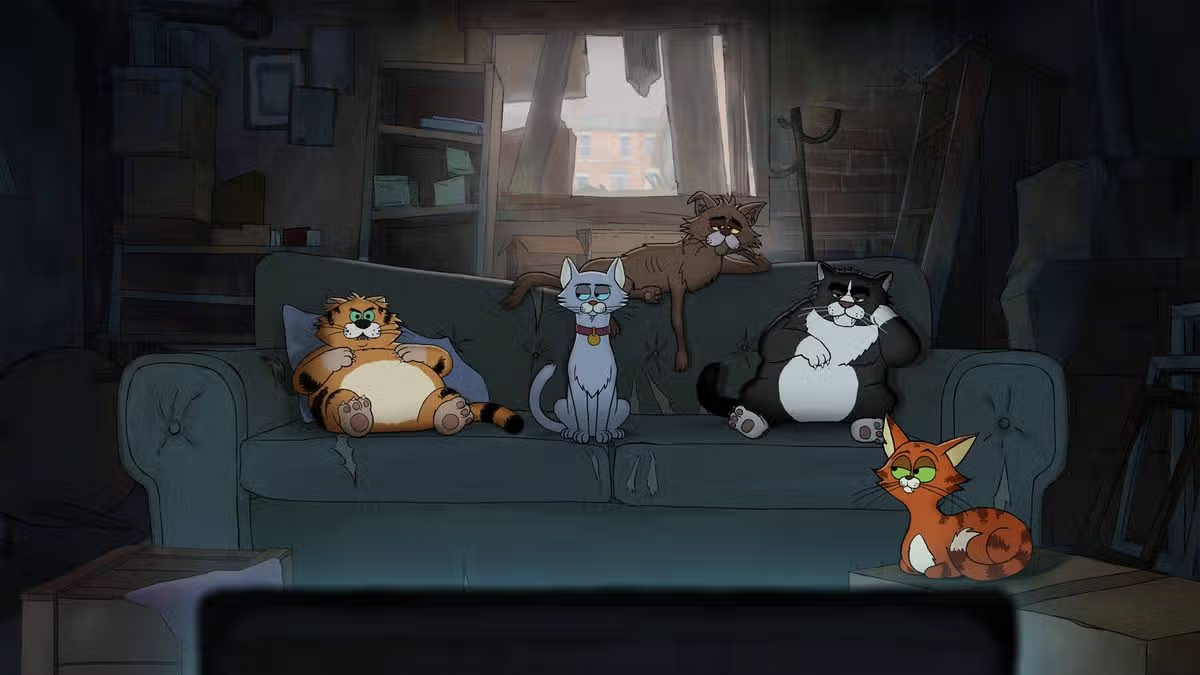
“Home,” in this case, is a derelict London rowhouse where Gus and his mates Puke (David Earl), Fang (Andrew Brooke) and Olive (Diane Morgan, better known as daft presenter Philomena Cunk) have taken to squatting. There, the cats watch TV, from a “Love Island” knockoff called “Thick and Single” to news footage of looting to nature documentaries, chat about nothing and generally do as Gus describes. “Alley Cats” ambles along as such for half a dozen sub-20-minute chapters — though the show is tinged throughout with a melancholy that’s a little surprising from the typically acerbic Gervais.
Given the other series’ swift cancellation, it’s unlikely many viewers will have watched both “Alley Cats” and “Kevin,” the Amazon Prime Video series with a similar premise co-created by Aubrey Plaza. But comparing the two, as is inevitable for a critic commissioned to review each in turn, proves instructive. Both are cartoons for adults distributed via streaming, centered on feline protagonists in major cities. Yet “Kevin” is louder, wackier and more joke-dense — one might even say more American — than “Alley Cats,” which is more downbeat and droll by comparison.