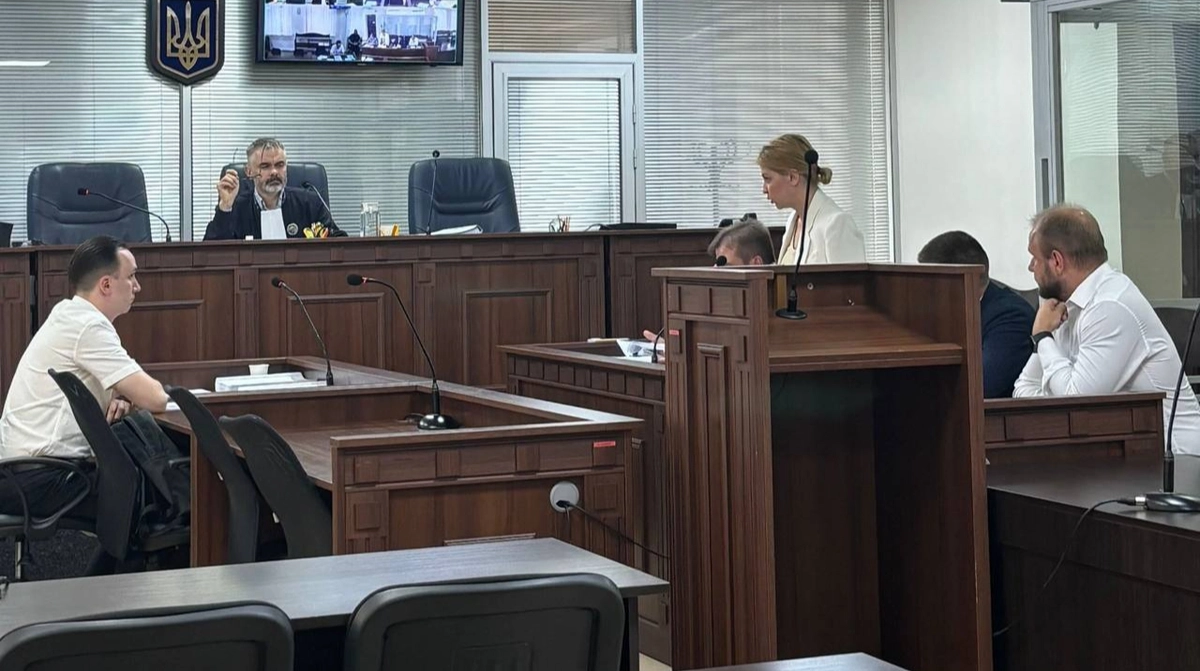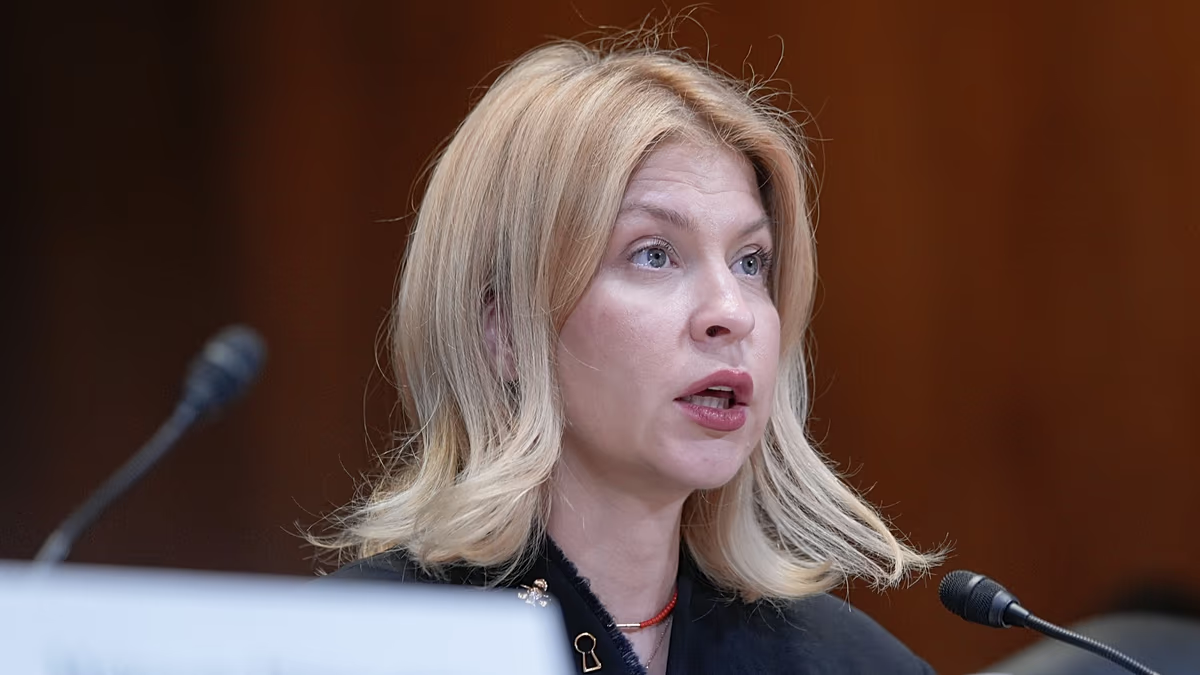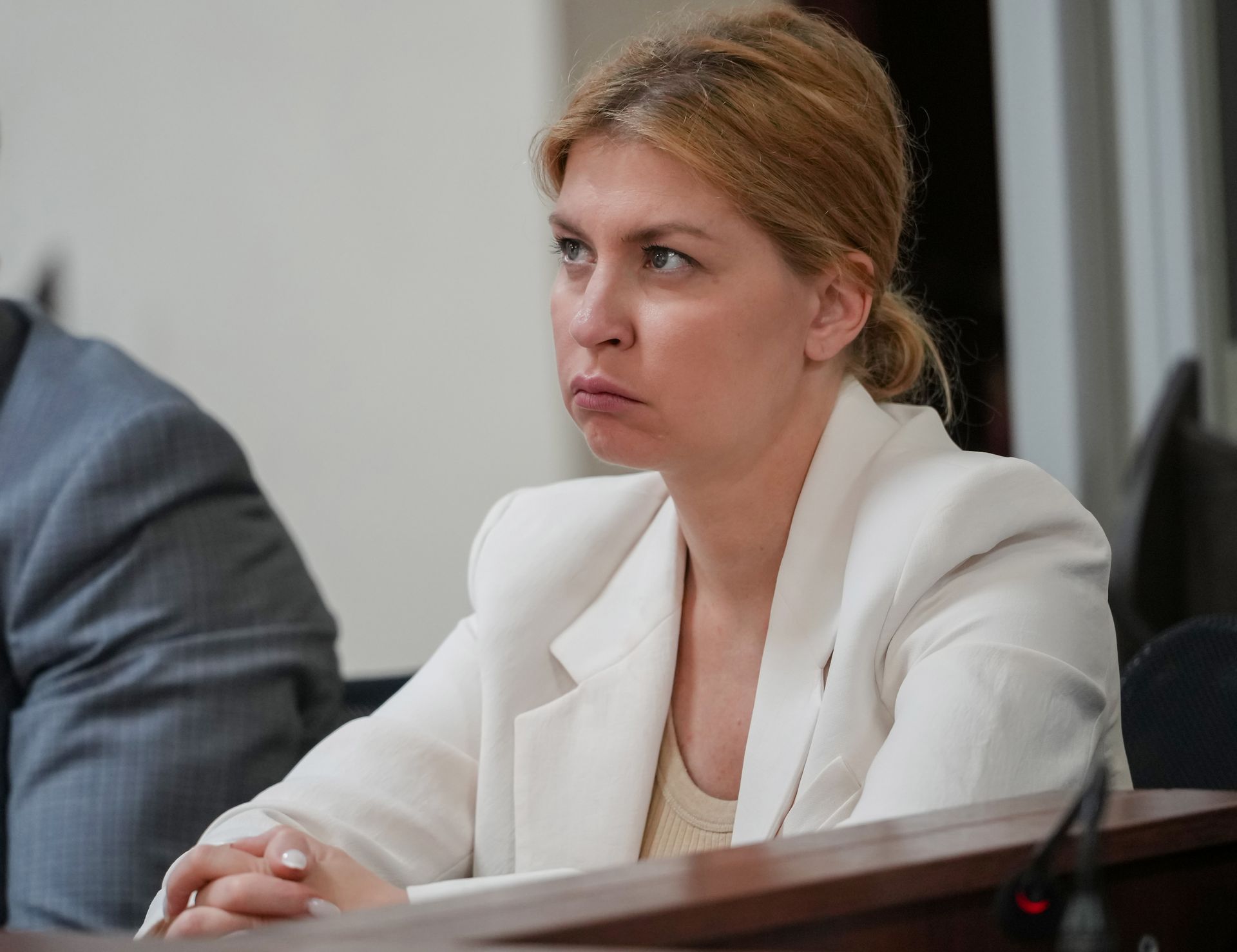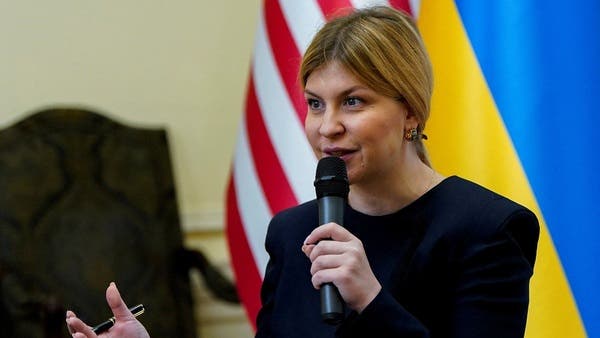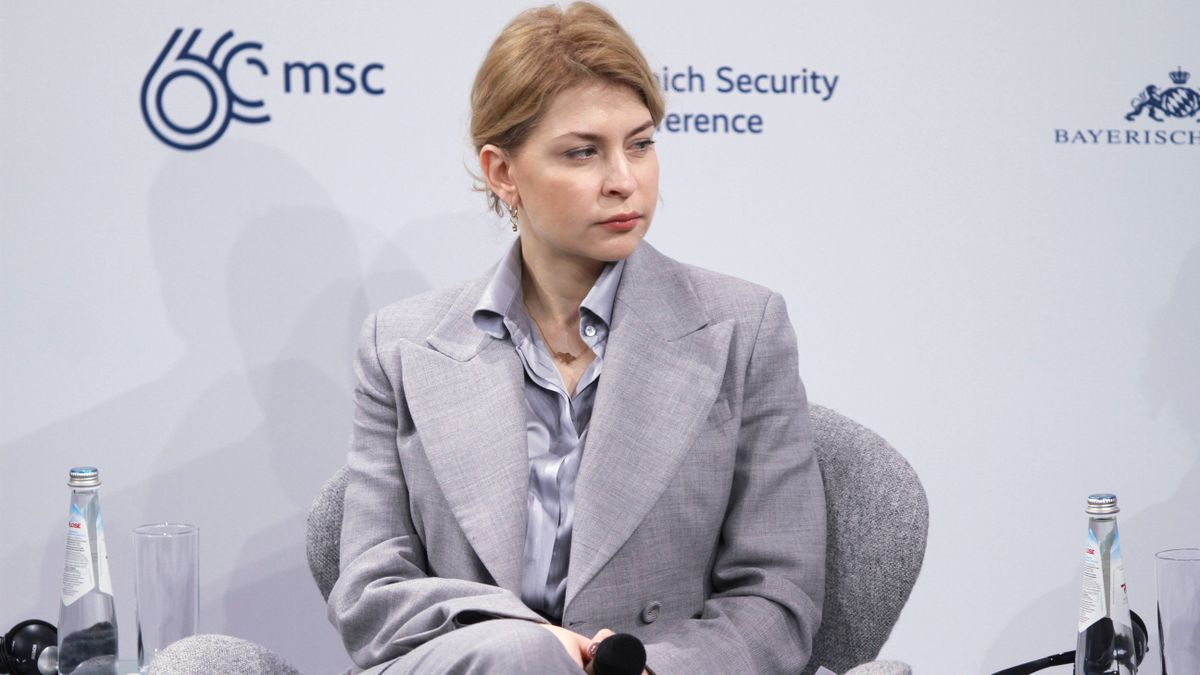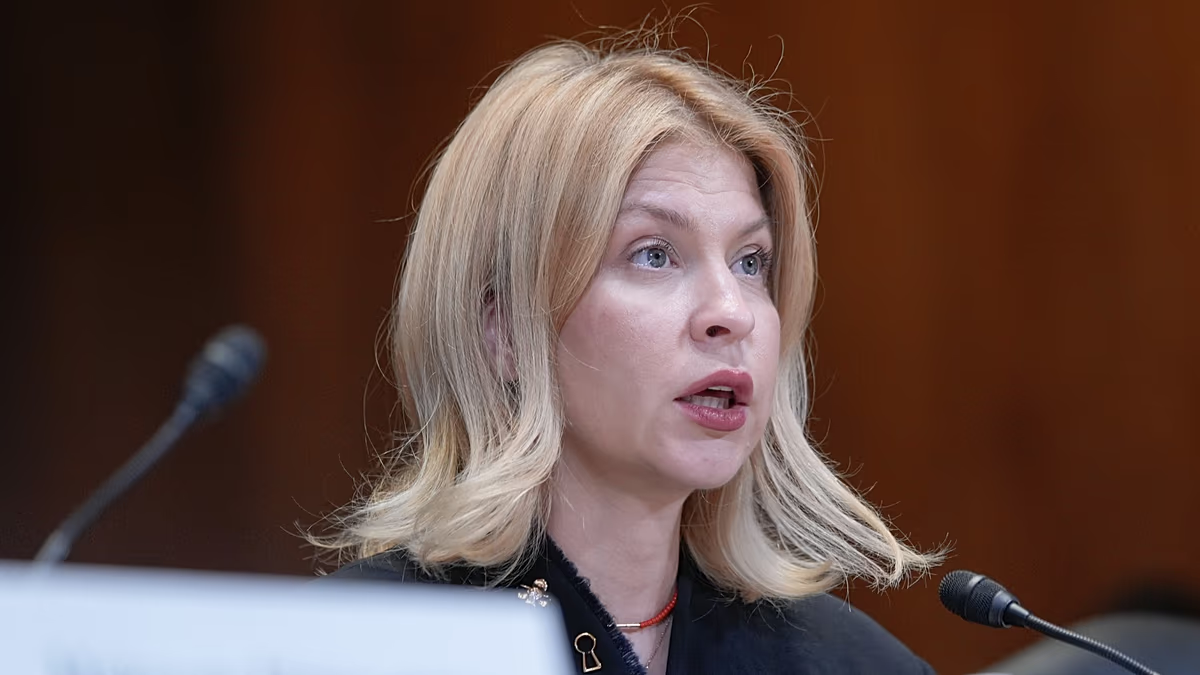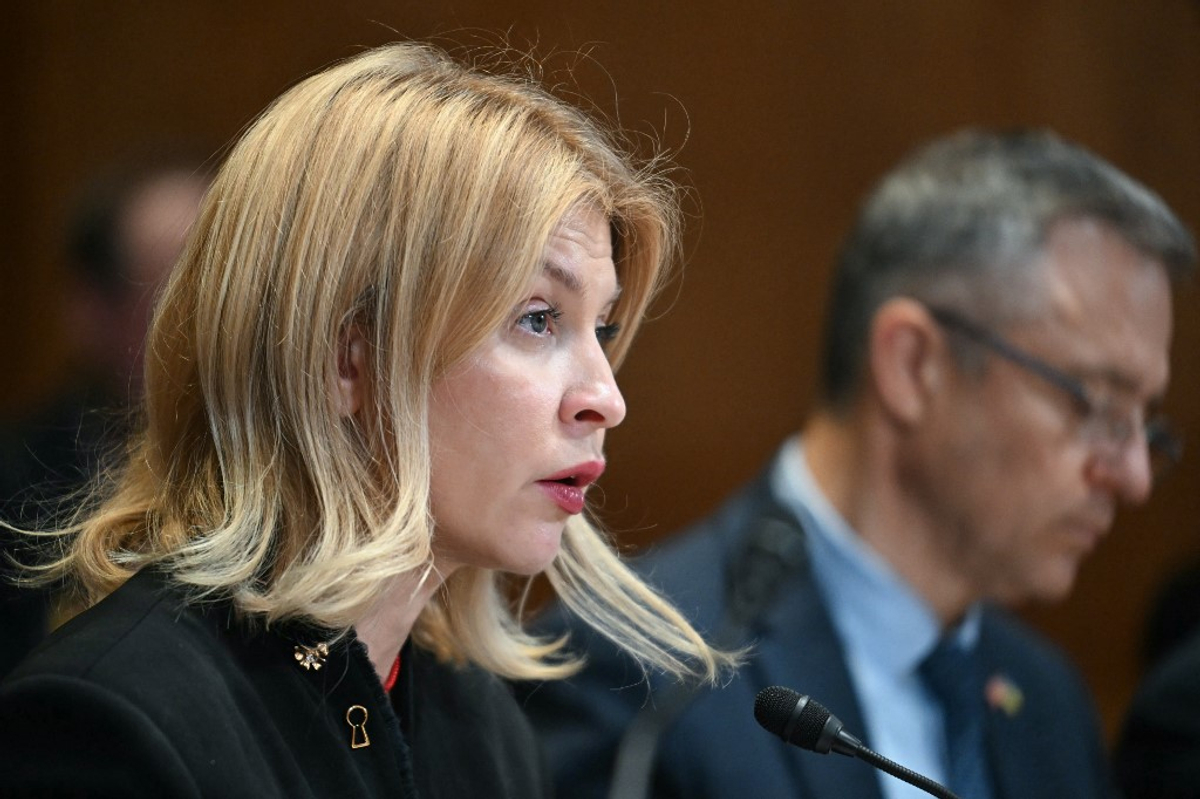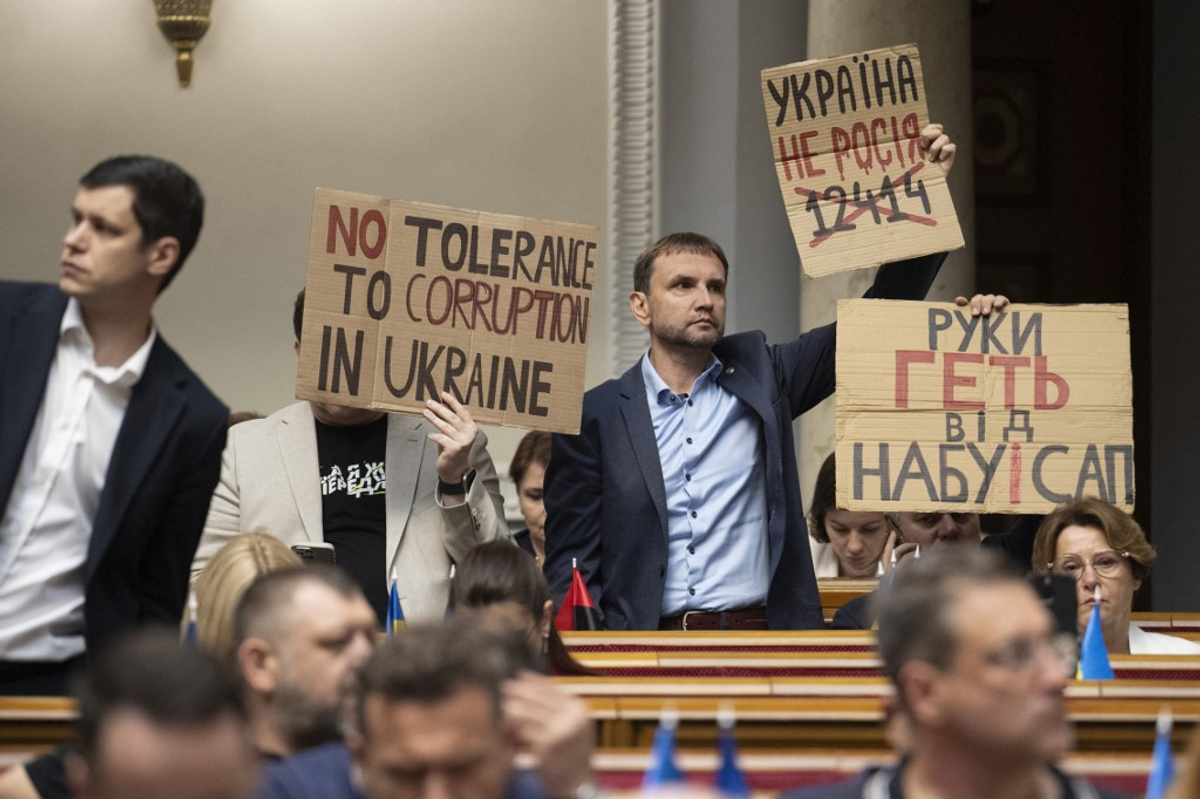
“Whew, we got three through to the final. It wasn’t easy.” According to a prosecutor from Ukraine’s Specialized Anti-Corruption Prosecutor’s Office (SAPO), the remark above came from a conversation involving Olha Stefanishyna, Ukraine’s former deputy prime minister and recently dismissed ambassador to the United States who received a corruption notice. It was one of several exchanges cited by the prosecutor as evidence of an alleged attempt to influence the 2023–2024 competition for the leadership of the National Agency on Corruption Prevention (NACP).JOIN US ON TELEGRAMFollow our coverage of the war on the @Kyivpost_official. Meanwhile, Ukraine’s High Qualification Commission of Judges (HQCJ) has moved to transfer six judges from the disbanded and deeply controversial District Administrative Court of Kyiv (OASK) to another administrative court. Taken together, the developments point to a problem deeper than Ukraine’s latest contested government reshuffle as the European Union pushes Kyiv to reverse some of its backsliding by linking further financial assistance to reforms that Ukraine has repeatedly delayed. “Whom should we support?” The conversations cited by the SAPO prosecutor allegedly include discussions about how candidates for the NACP leadership should be scored and which of them should advance. “I gave the ‘reds’ a low score,” one exchange says. “Skomarov clearly shouldn’t be given 30 points. In fact, we should try to give him as few as possible,” another says, apparently referring to NACP leadership candidate Oleksandr Skomarov.
Secret Messages, Return of Discredited Court Judges – Point to Backsliding Ukrainian Reforms
Alleged interference selecting Ukraine’s anti-corruption chief and possible return of discredited court judges raise concerns about safeguards to keep state bodies independent.
2,093 words~10 min read