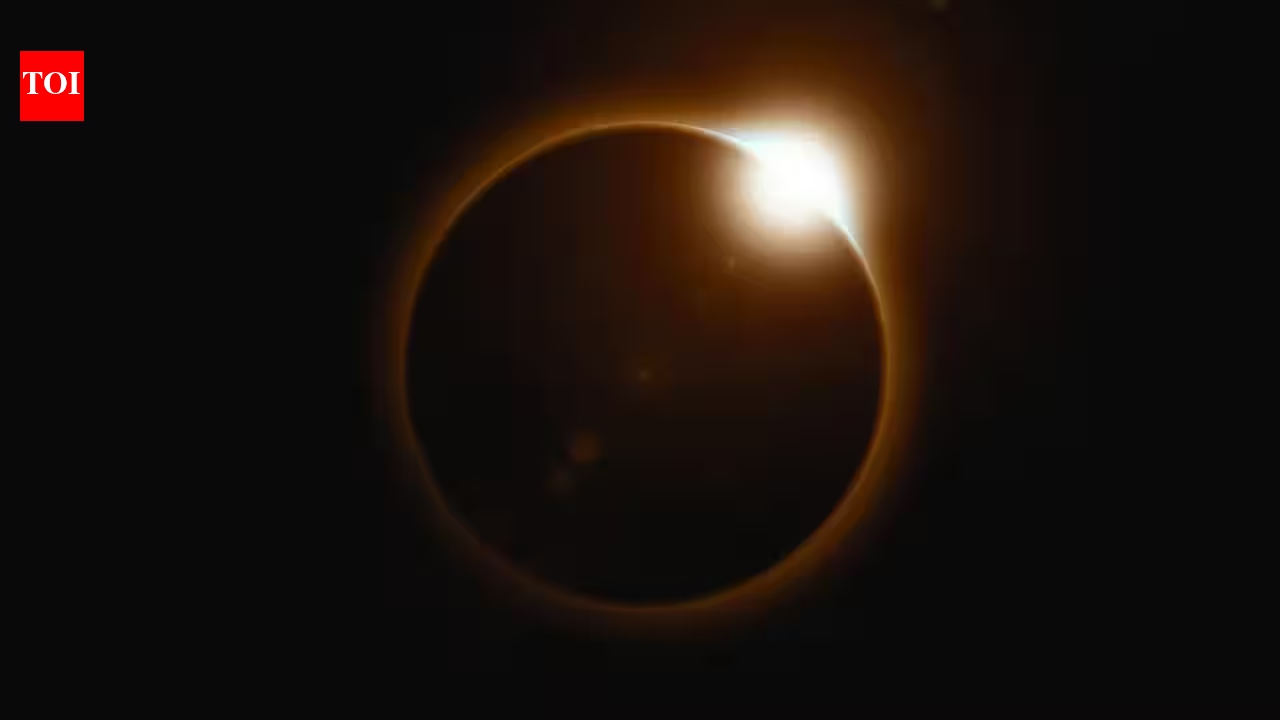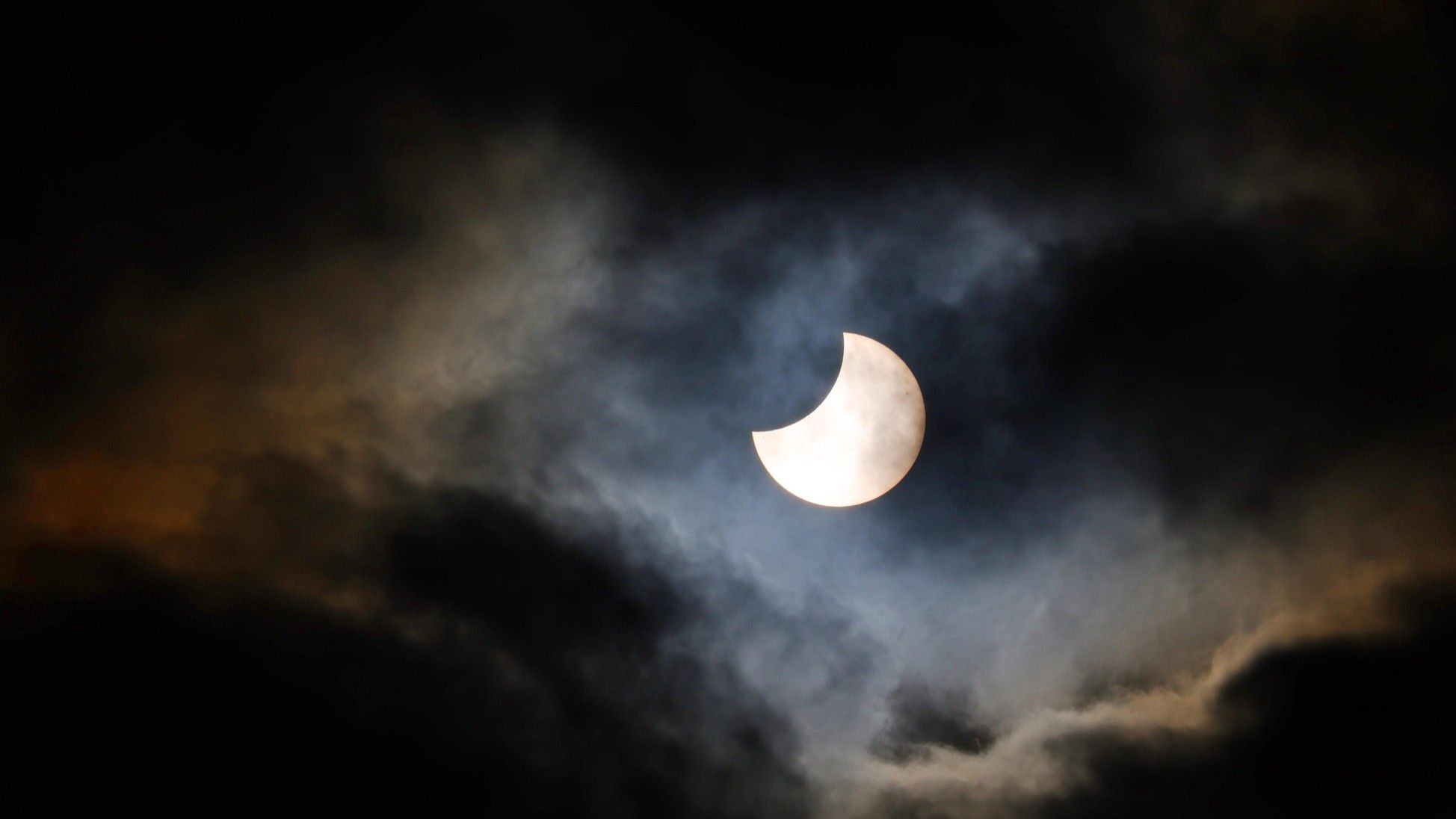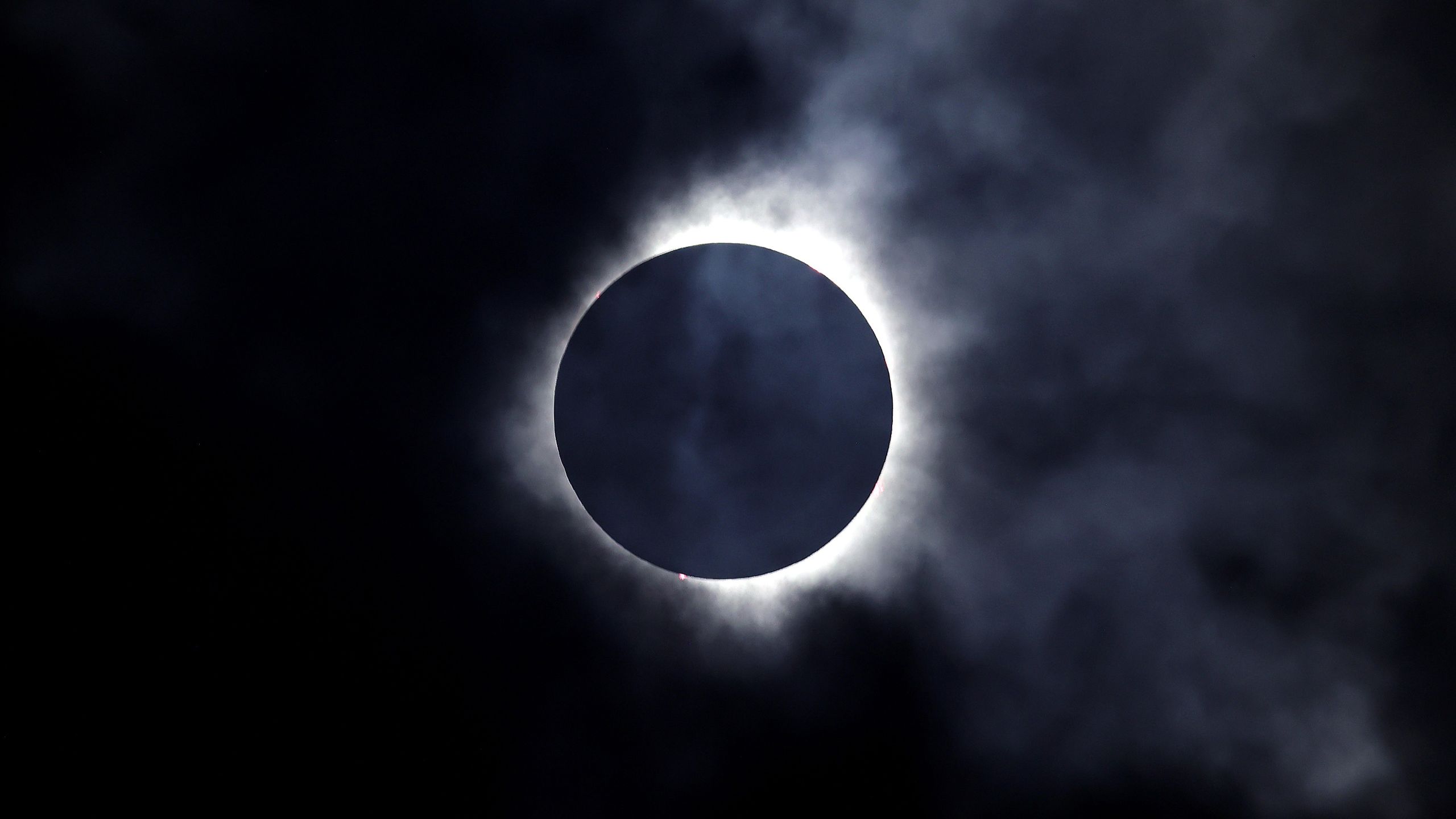
A total solar eclipse seen through the clouds on April 8, 2024, in Niagara Falls, Ontario, Canada.
(Image credit: Vaughn Ridley/Getty Images)
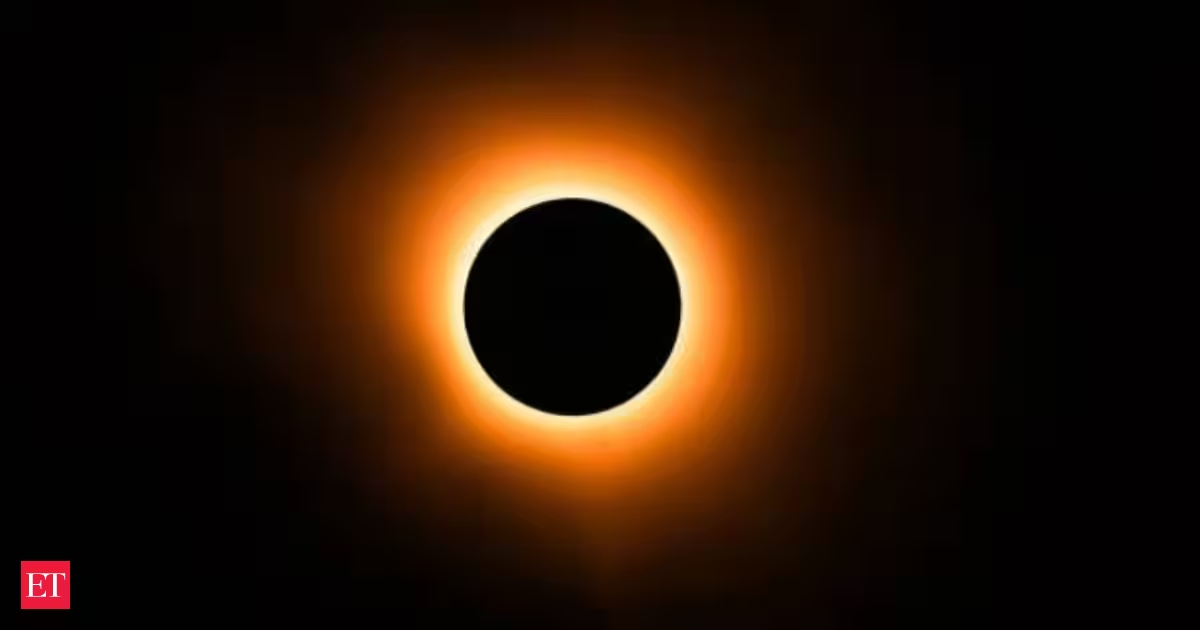
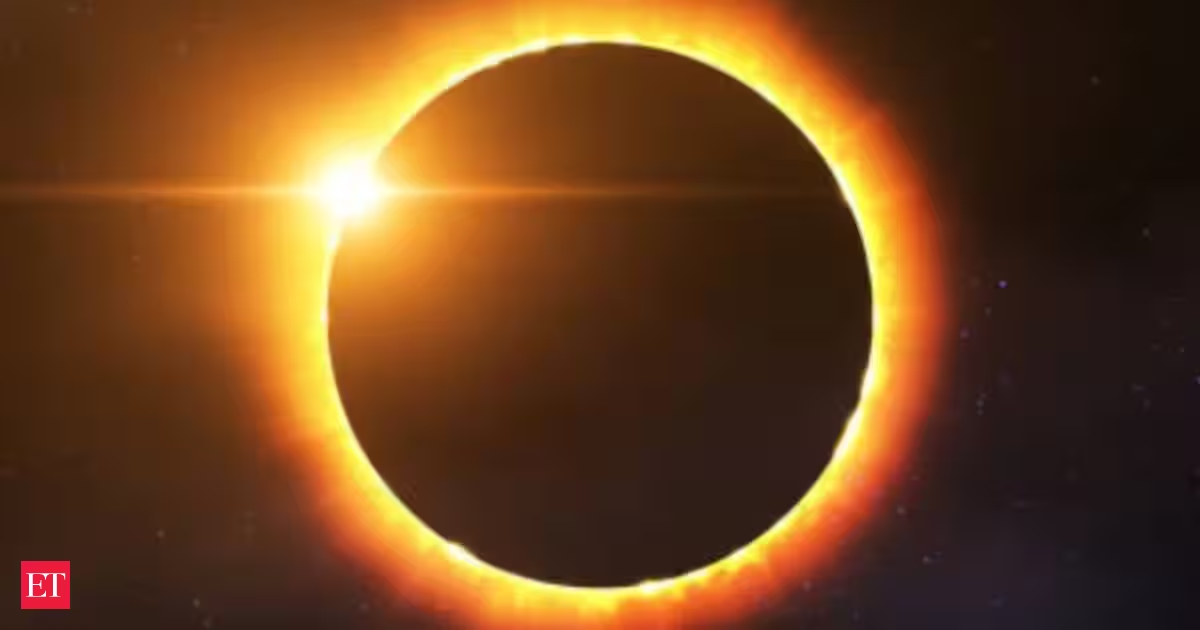
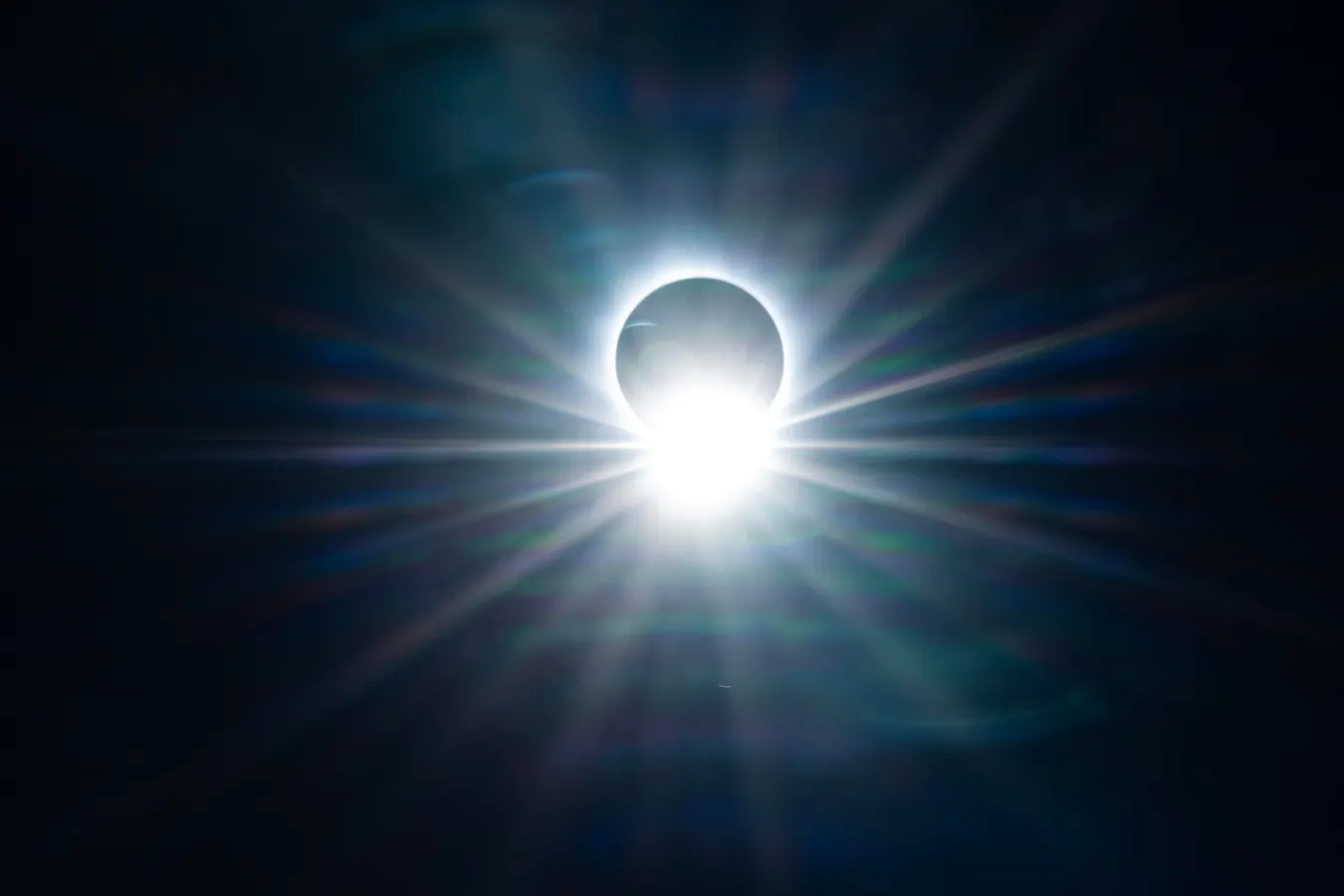
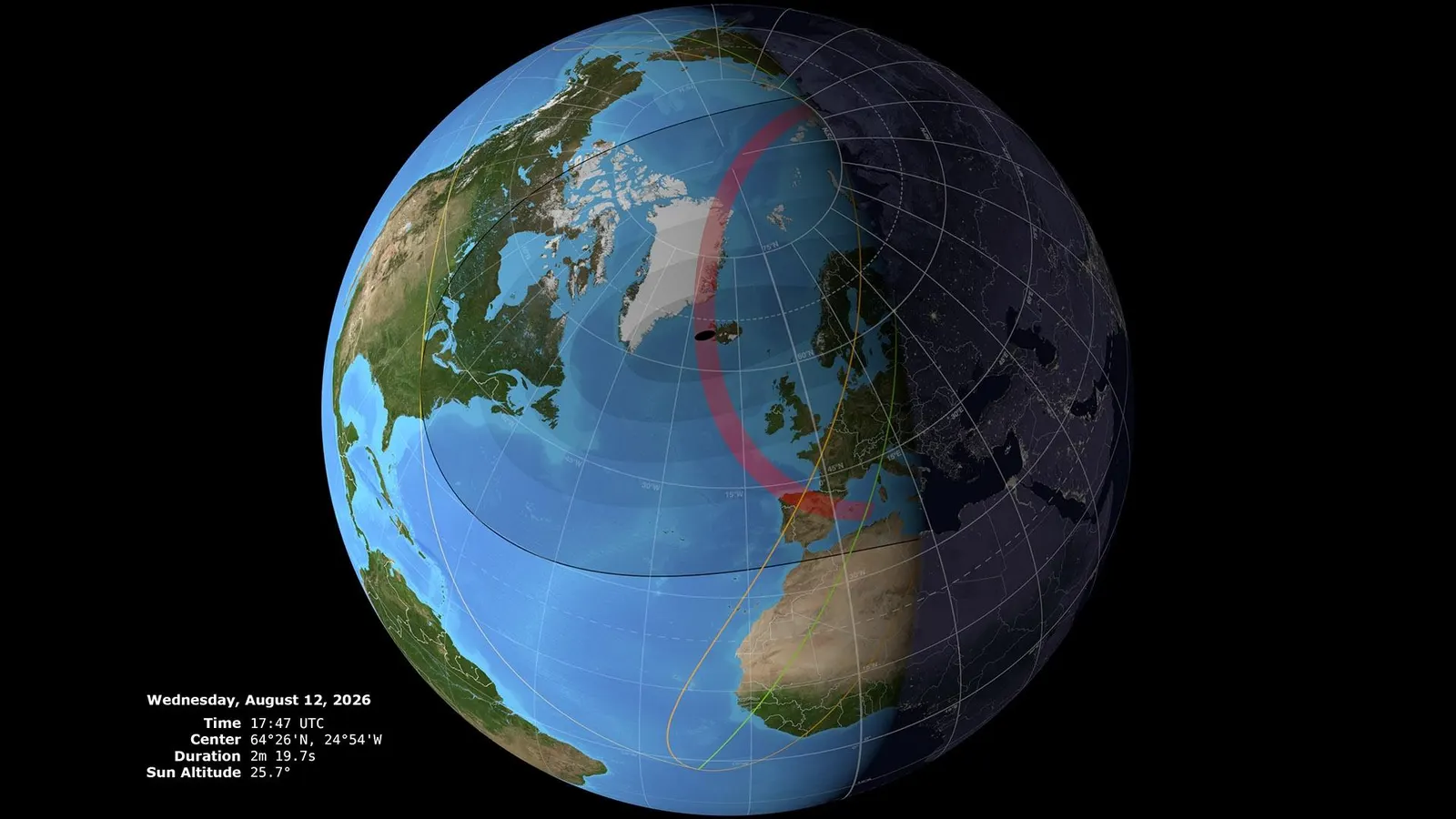
Are you ready for the eclipse? Whether you're bound for the path of totality or set to see a partial eclipse from Europe, Canada or the northeast U.S. on Wednesday, Aug. 12, there's a dirty word eclipse chasers hate to utter during an eclipse season, and yet become completely obsessed with — clouds.Related: Total solar eclipse 2026 — Everything you need to knowWe all start behaving as though Earth's atmosphere owes us something. After spending years studying the climate and where it is most likely along a path of totality to have a clear sky, we're in position and can now do almost nothing about it save for drive or sail a few miles. We refresh cloud forecasts. We compare satellite imagery. We point at scraps of blue sky as if we can persuade them to remain so at a specific time. By the time the moon is almost on the sun, we've spent the best part of a week staring at our phones and fretting.The received wisdom is that you must have a perfect view of a total solar eclipse, and that if you don't, you've failed because you didn't do your research or take evasive action. Never mind that many who end up under a blue sky then spend the entire time behind a camera. The desire for a clear sky and a clean horizon is obvious — particularly if you're in the path of totality — and yet it's entirely possible that clouds will be present, very possibly in the places expected to be clear. That's exactly what happened on April 8, 2024, when the favored state of Texas was cloudy while wintry Maine and New Brunswick had a bluebird day.Having seen many total, annular and partial solar eclipses, I have come to believe something slightly heretical: you do not need a perfectly clear-sky view of a total or partial solar eclipse to matter. Sometimes one clear second is enough. Whisper it, but clouds add a lot of drama not just to an eclipse, but to photos of it, too.Beginners often assume an eclipse is only "successful" if they see the sun's corona throughout totality. Some even rank eclipses in advance according to how long totality lasts. It's all an illusion. If a gap opens in the cloud for a short time and the corona appears, that is not a consolation prize. That is the thing itself. The same goes for a glimpse of a partially eclipsed sun if that's what's heading your way.So don't fret the eclipse — check weather forecasts and do your best to find a clear sky, but when nature takes over, don't fight it or get upset by it. Cherish whatever you get. You only need a one-second window — and even that is not in your control.What's happening