Mata Hari was already a legend in her own lifetime. When she stepped into the Parisian limelight in 1905, she swept high society off its feet.
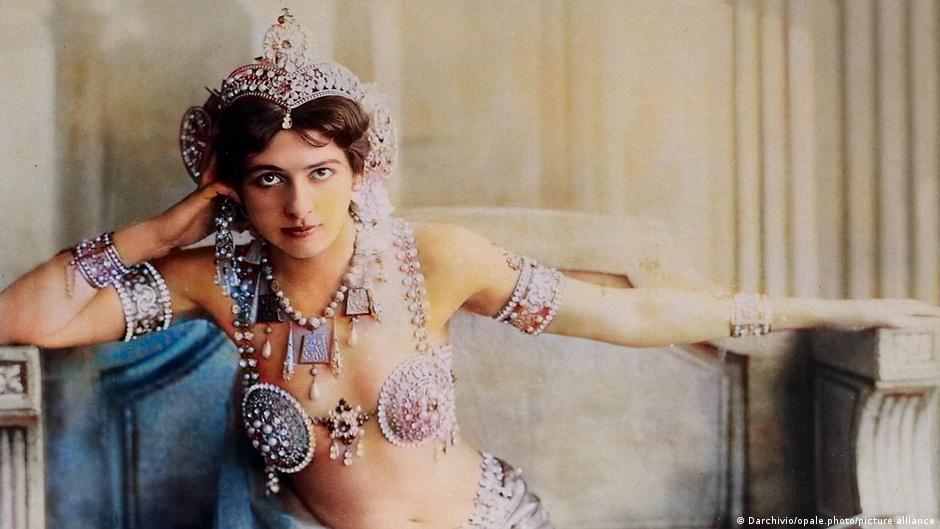
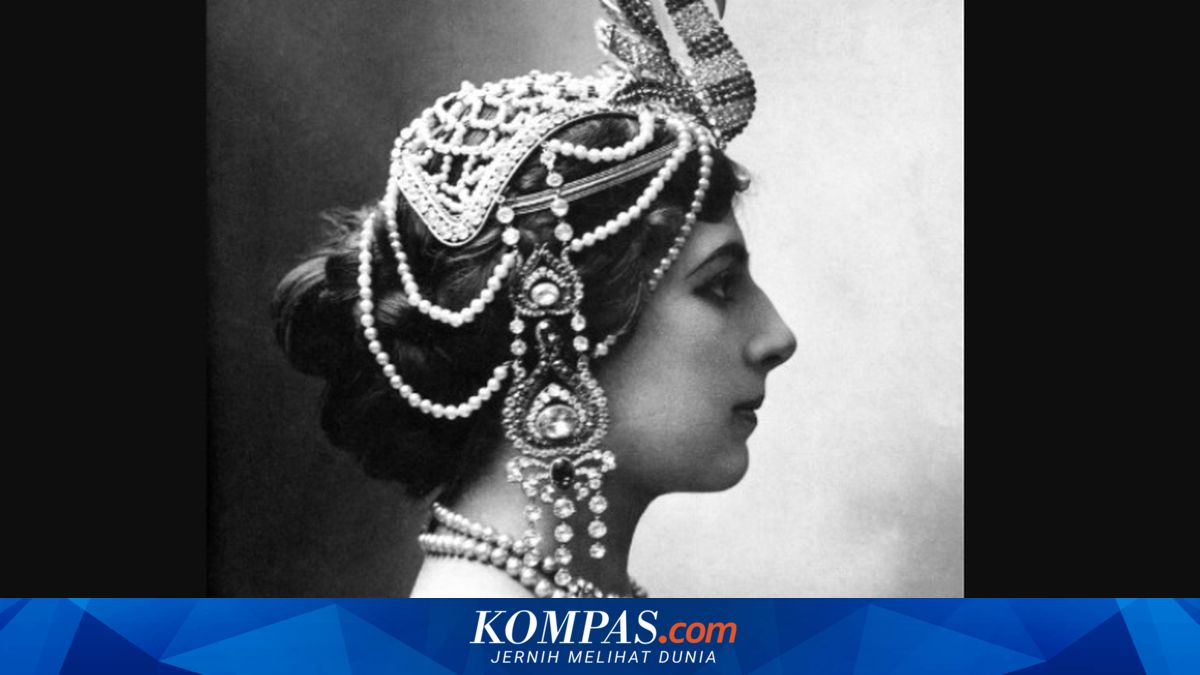
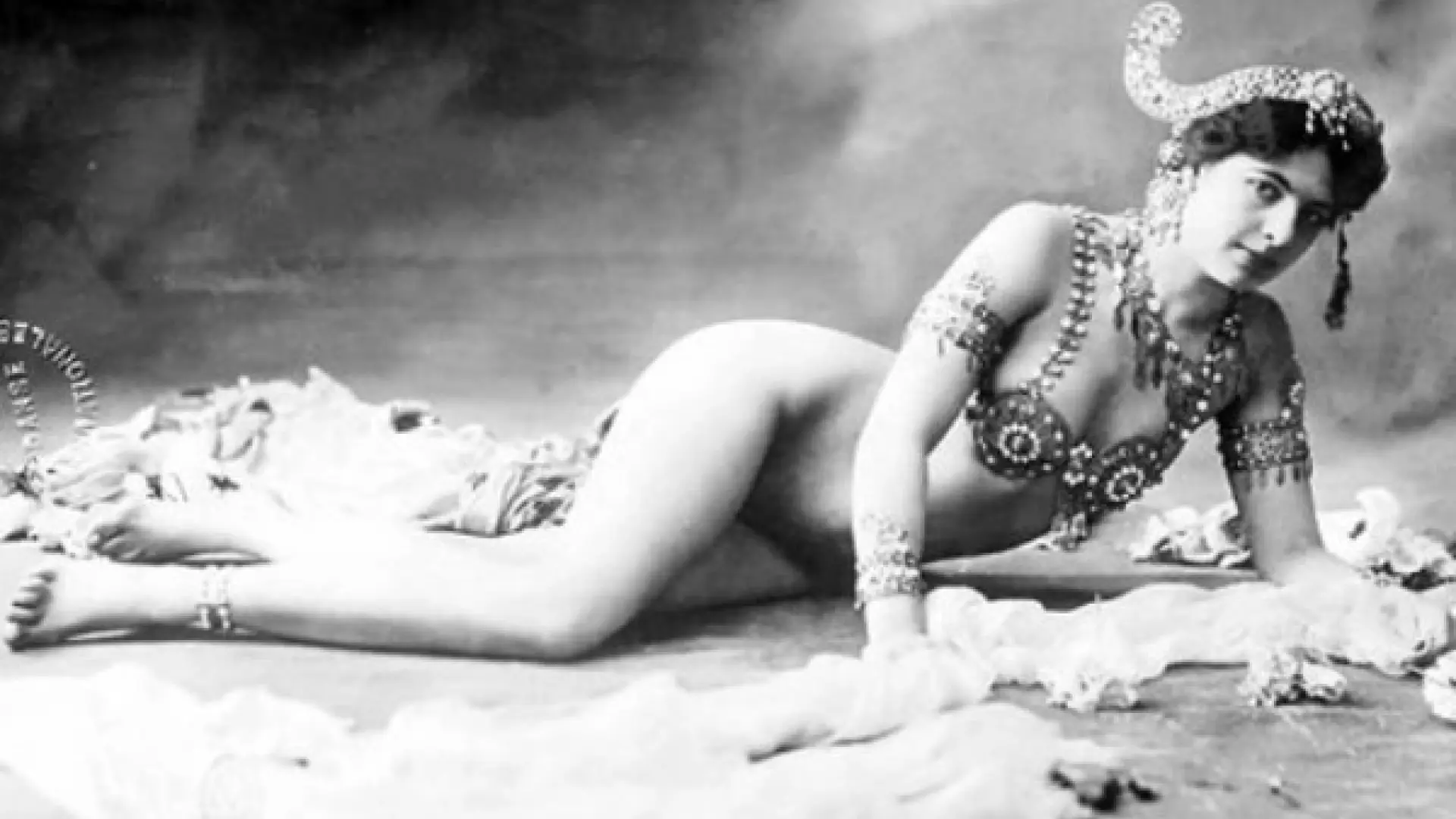
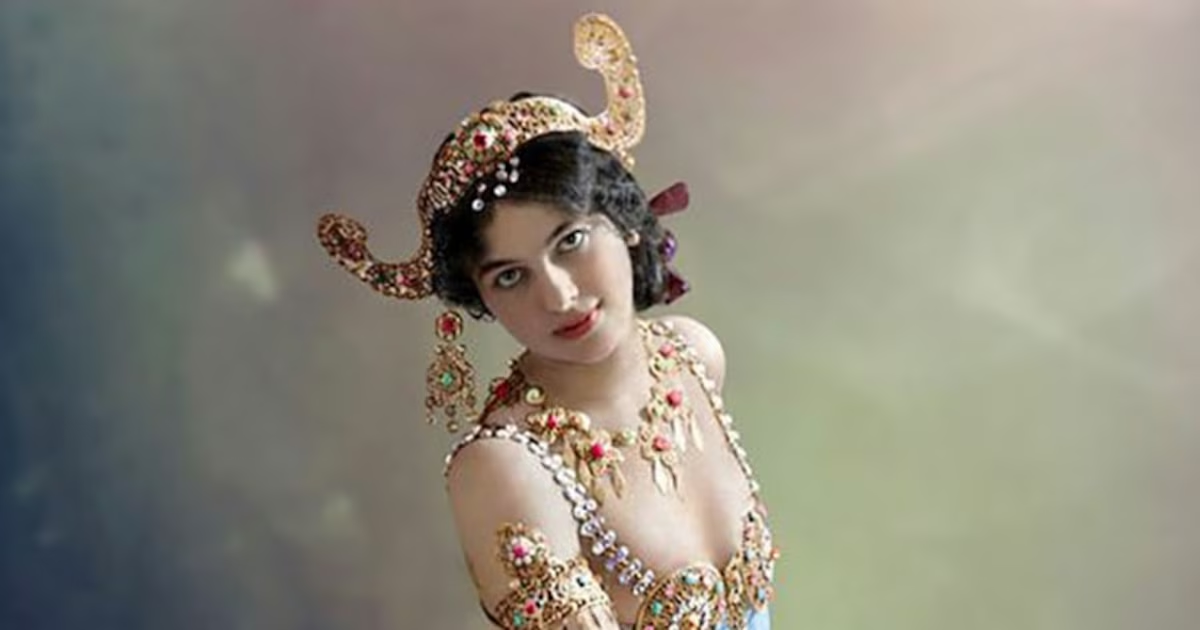
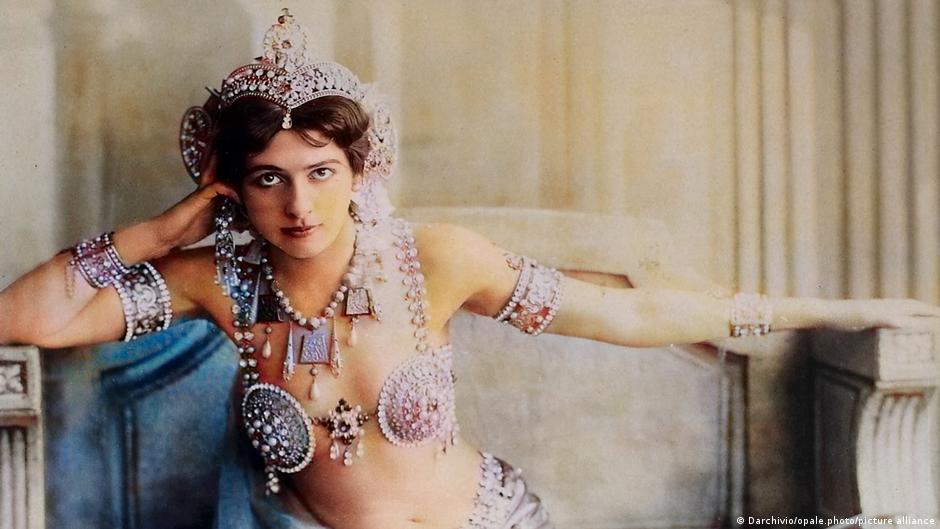
"She danced with veils and jewel-encrusted bustiers and almost nothing else," the Parisian press reported. "Never had anyone dared to appear unveiled before the gods with such trembling ecstasy. And what wonderful movements she made — both daring and demure at the same time."
Mata Hari had convinced audiences and the press that she was an exotic temple dancer — but the dark-haired performer was actually Dutch.
One of the hallmarks of the Belle Epoque era was a heightened fascination with cultures the Parisians deemed to be exotic. Driven by financial desperation, she exploited this demand by pretending to be Indian. To make her act more credible, she fabricated a backstory claiming to be the daughter of a highly esteemed Brahmin. Mata Hari's sensual dance was her own creationImage: Scherl/SZ Photo/picture alliance
"My mother, first bayadere [dancer] of the Ranganathaswamy Temple, died at the age of fourteen, on the day I was born. After the temple priests cremated her body, they adopted me and named me Mata Hari, which means 'Eye of the Day [a Malay word, Hari means sun]."