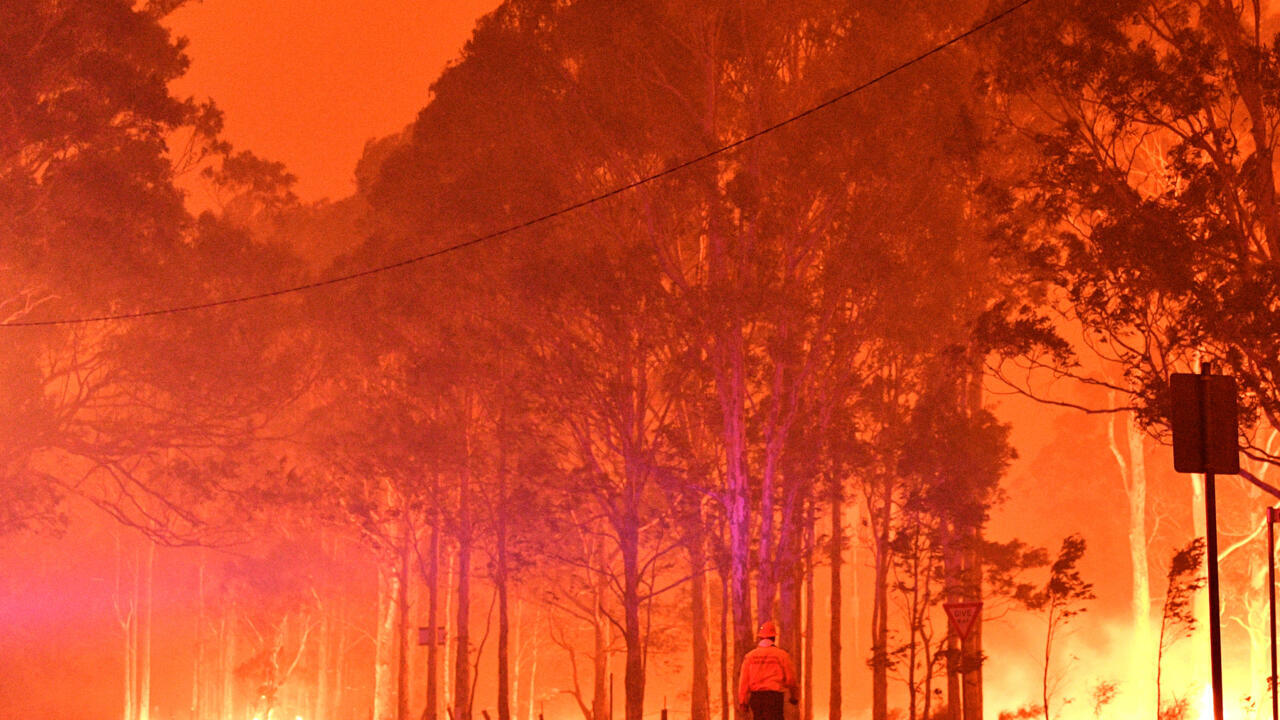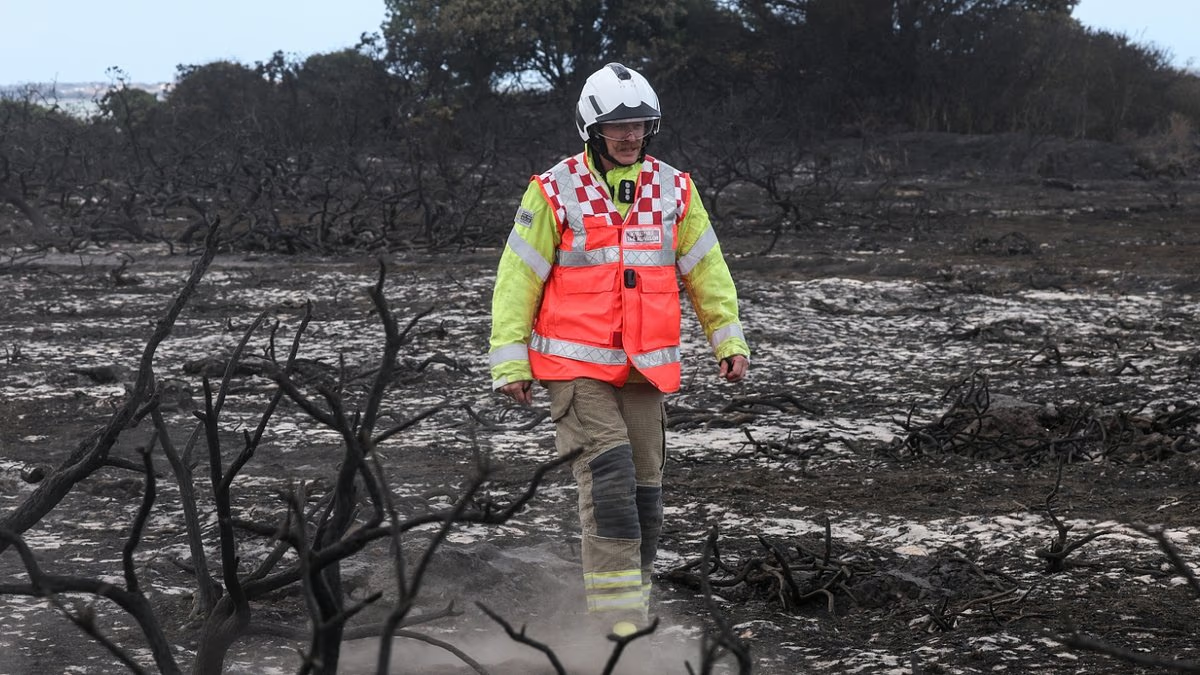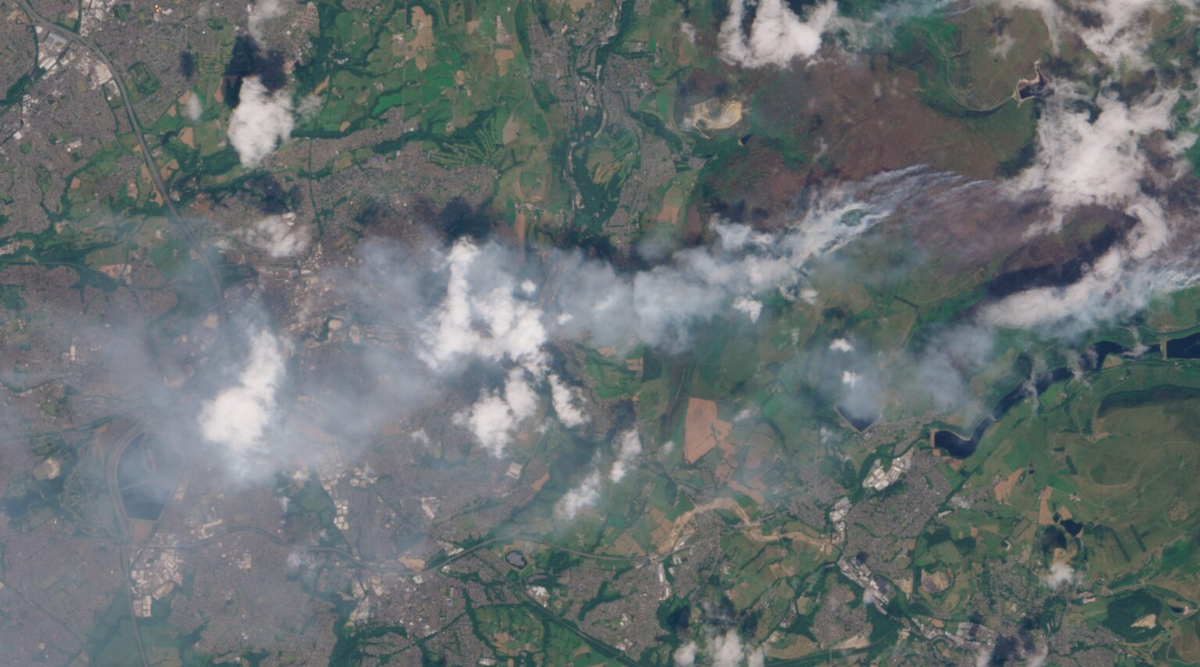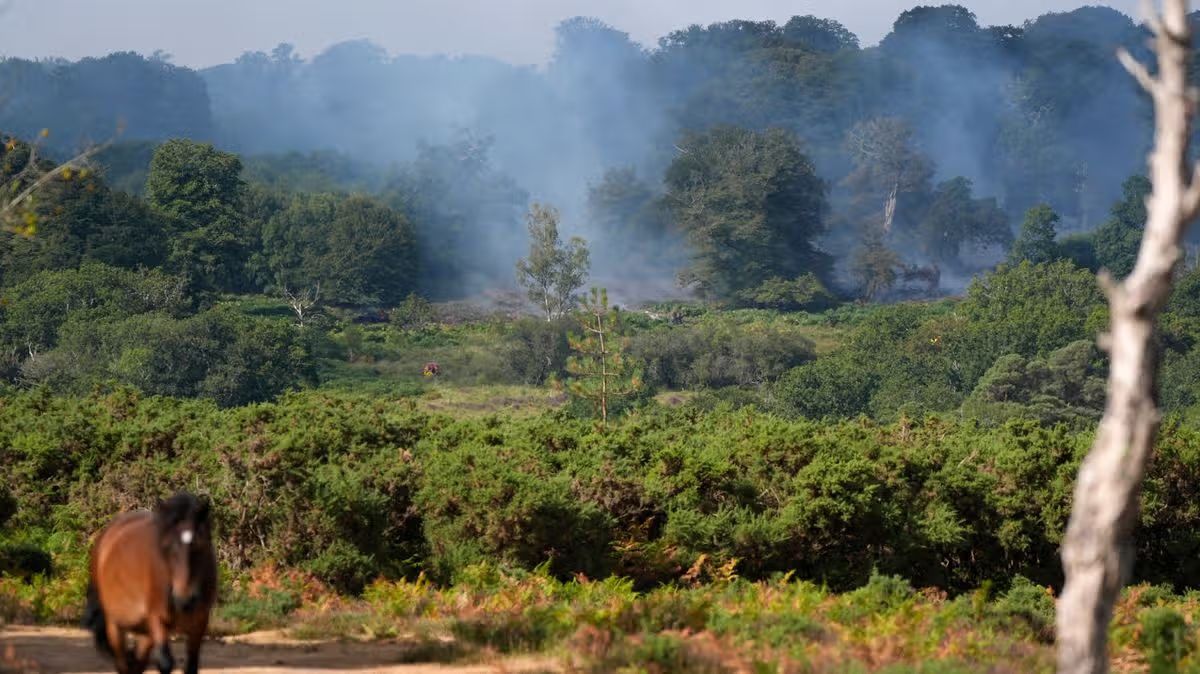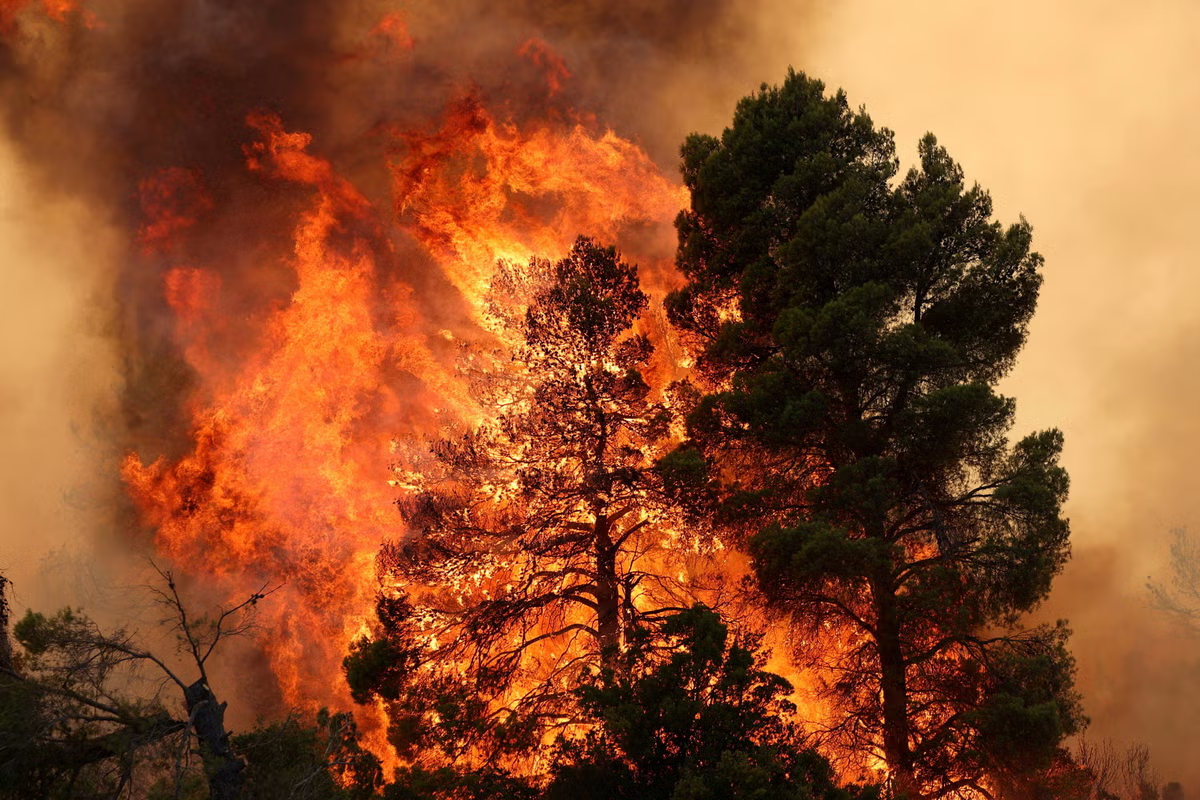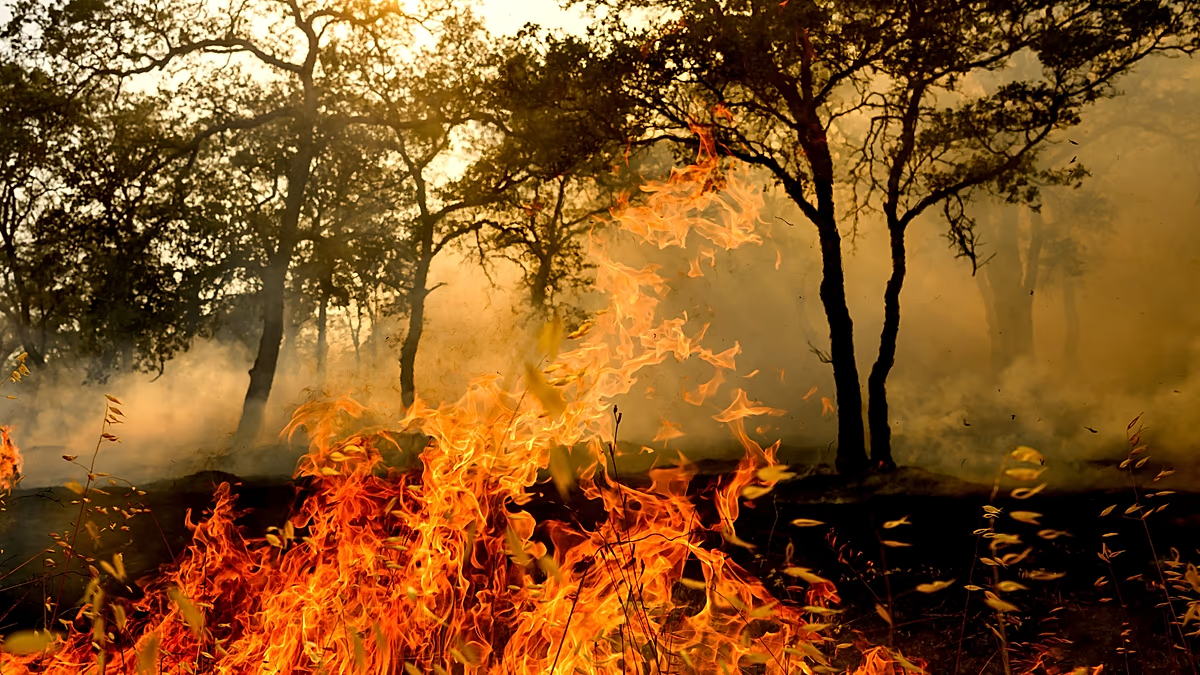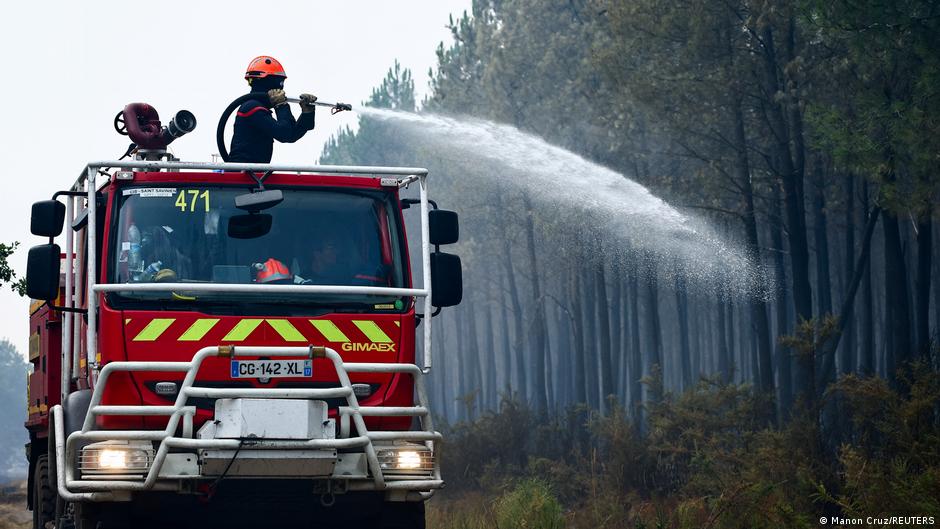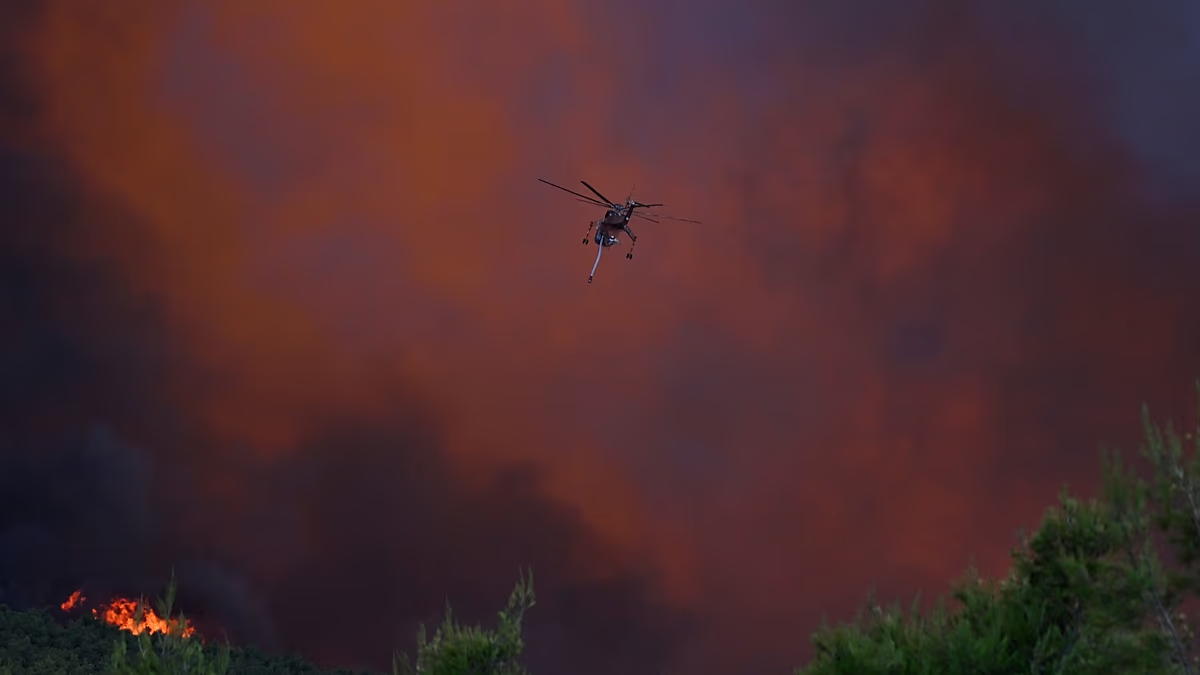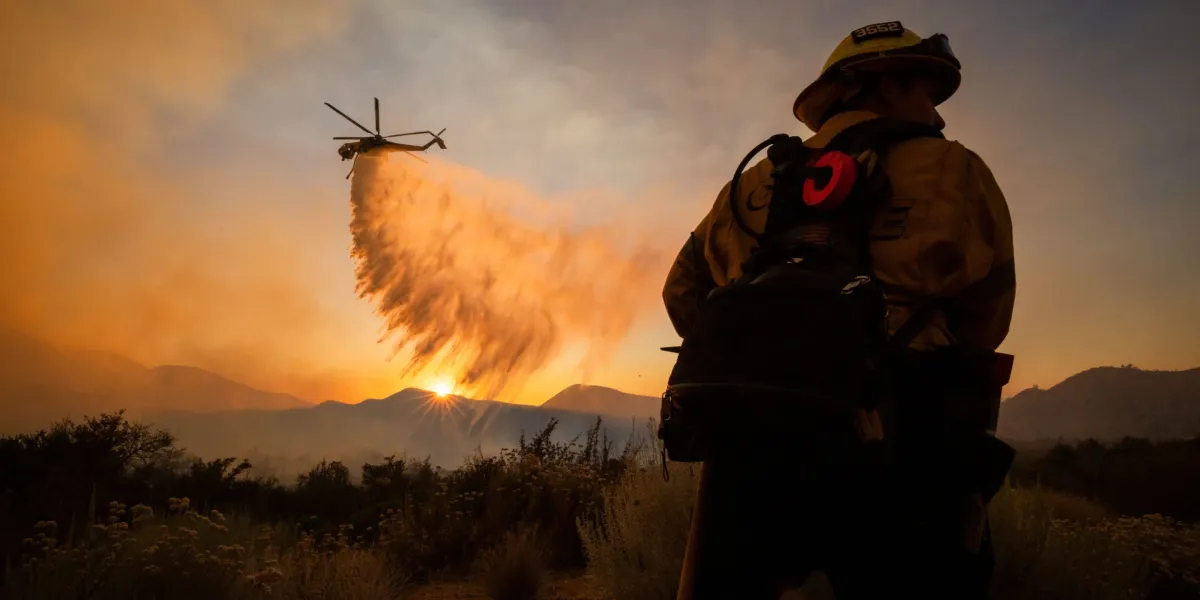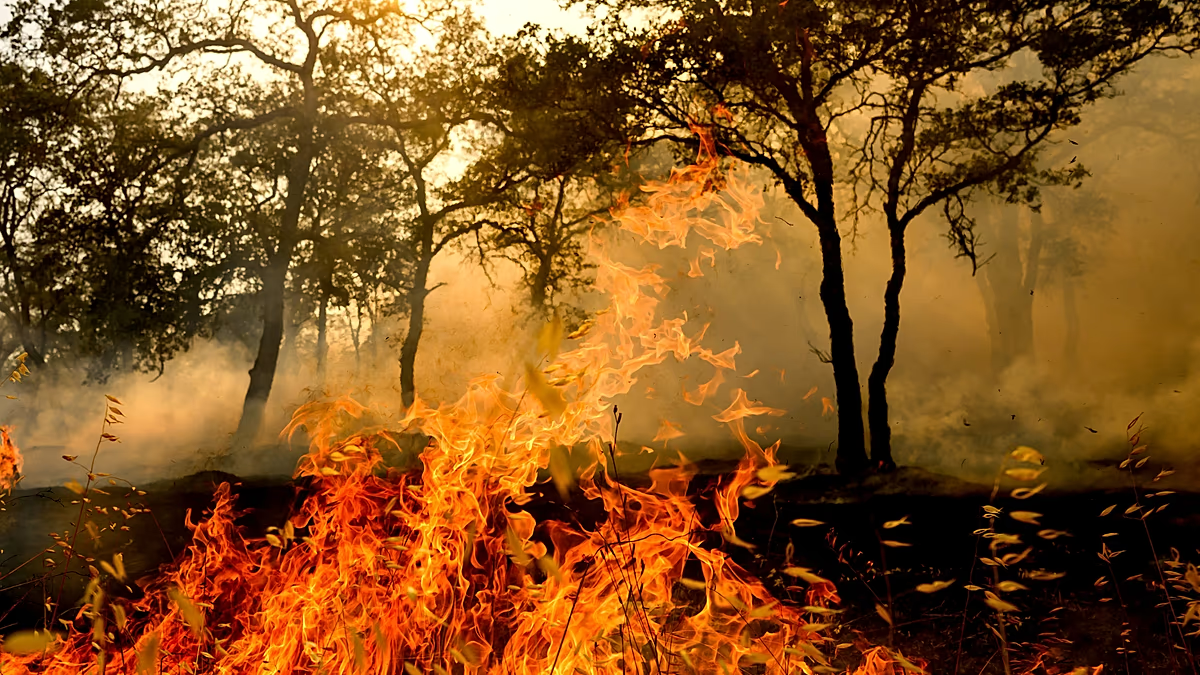
For weeks now, severe wildfires have been raging across large parts of Europe. Entire regions have to be evacuated, people are losing their homes and lives are repeatedly lost. The persistent heat is making the situation even worse. According to many researchers, climate change is increasing both the frequency and intensity of wildfires.
But scientists are looking at much more than just how fires can be extinguished. They are also studying what happens afterwards and which solutions nature itself offers. Playing a key role here is a rather inconspicuous inhabitant of our forests: the black fire beetle.
A beetle that seeks out fire
The black fire beetle (Melanophila acuminata) is one of the few animals that specifically respond to forest fires. As soon as a blaze has burned out, it flies to the scorched areas to lay its eggs there. Lydia Schübel, a biologist and head of animal welfare inspection at the Munich Animal Welfare Association, explains to Euronews why.
"The beetle flies towards the flames because its larvae can only develop in freshly burned trees. Healthy trees have defence mechanisms that the small white larvae cannot overcome."