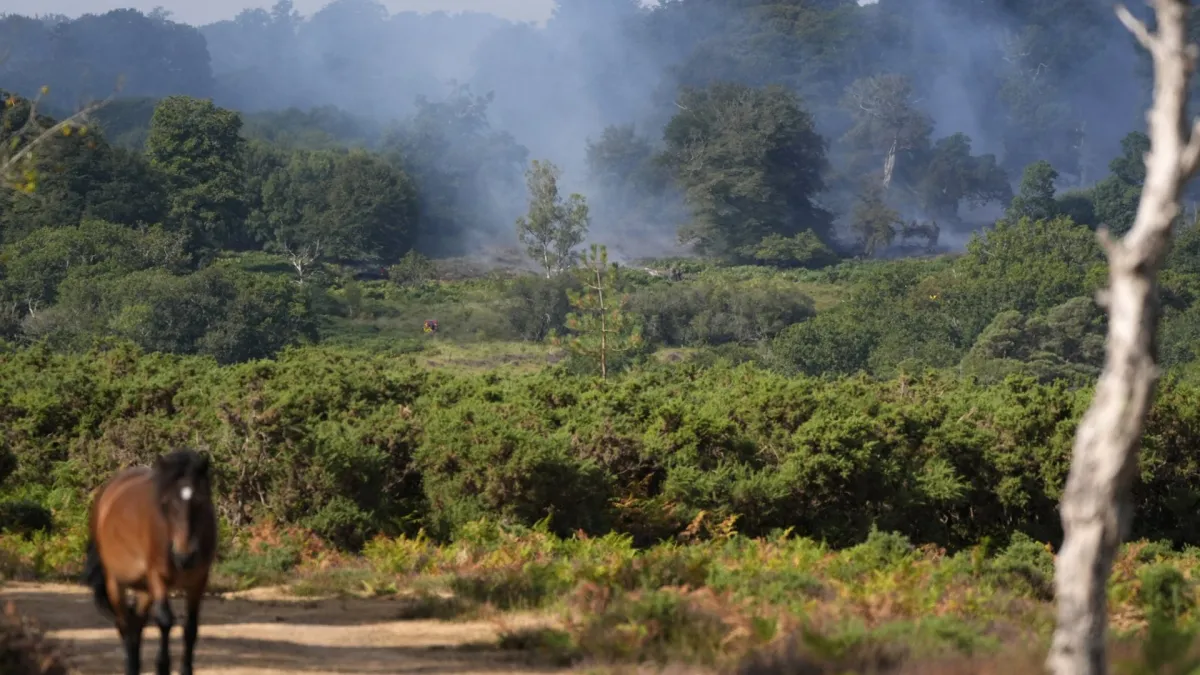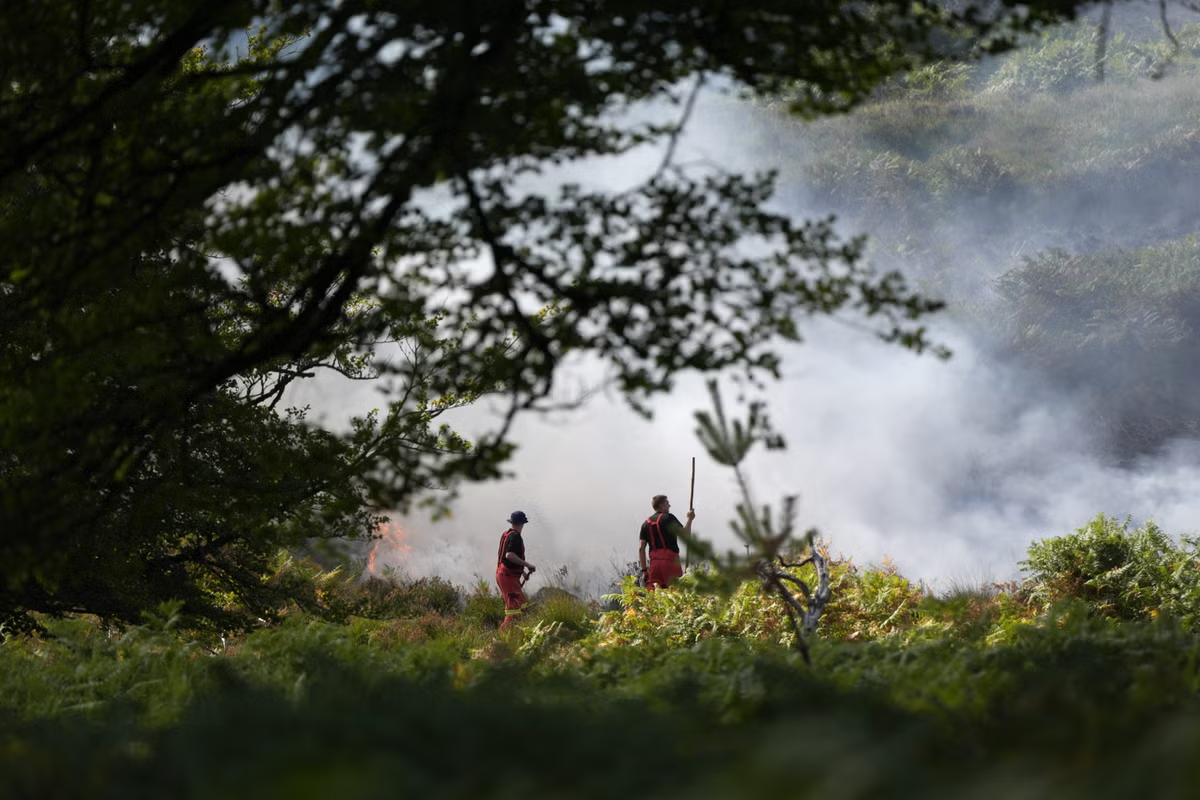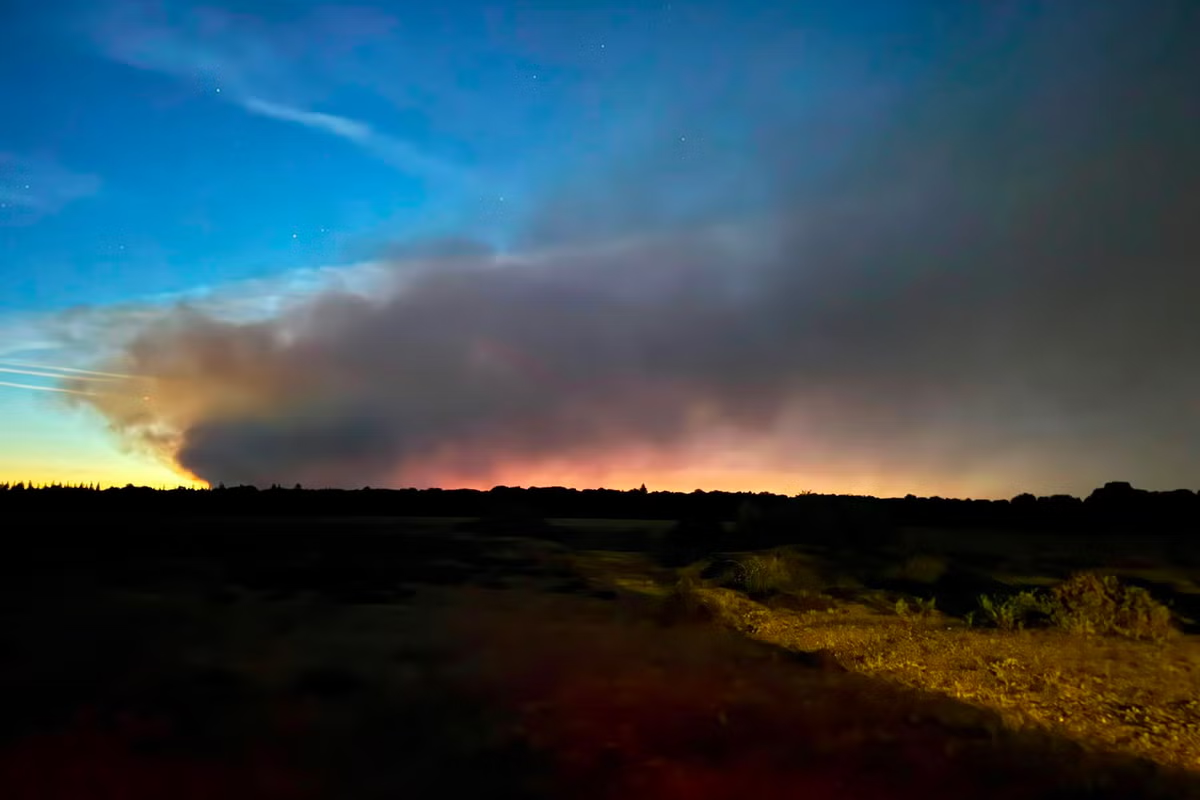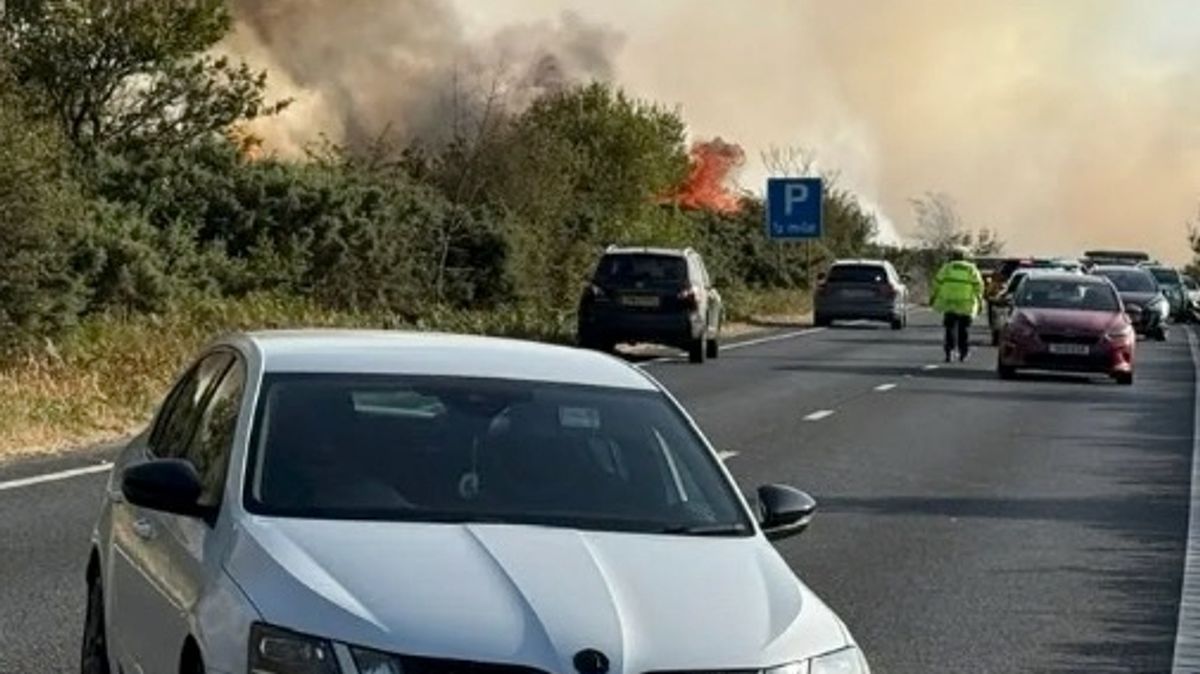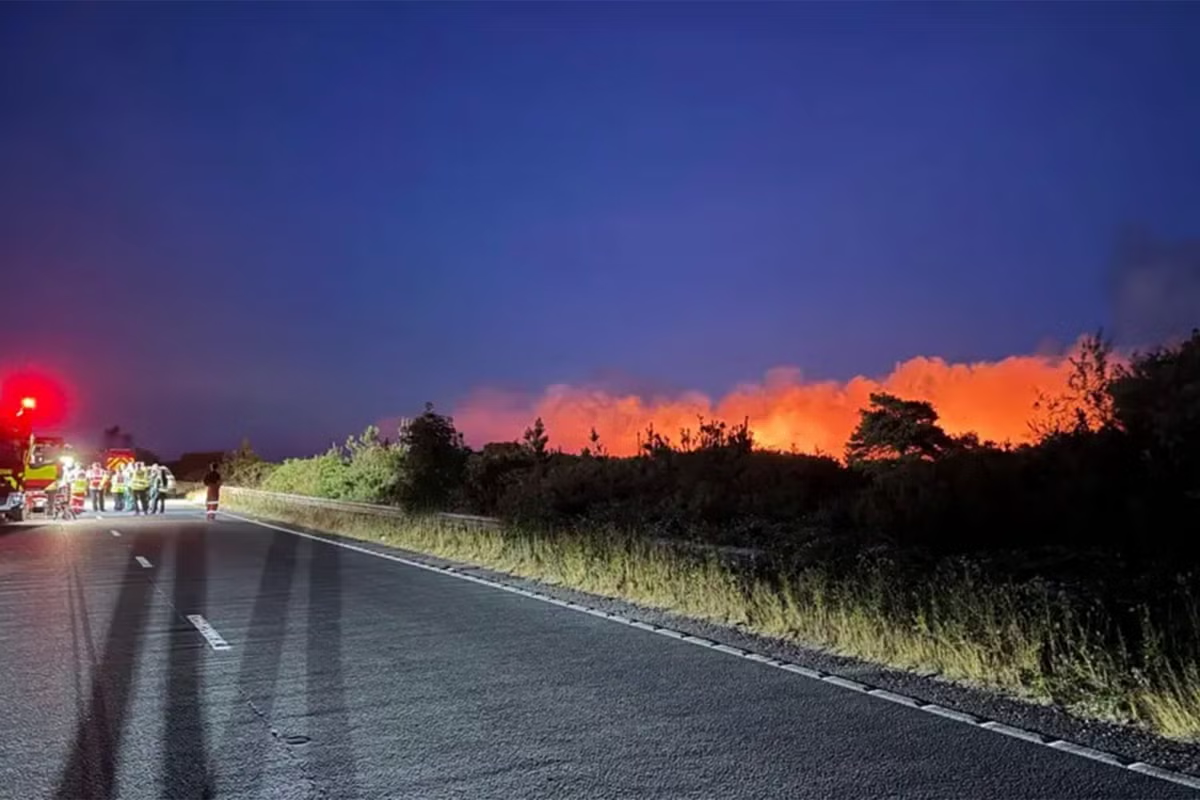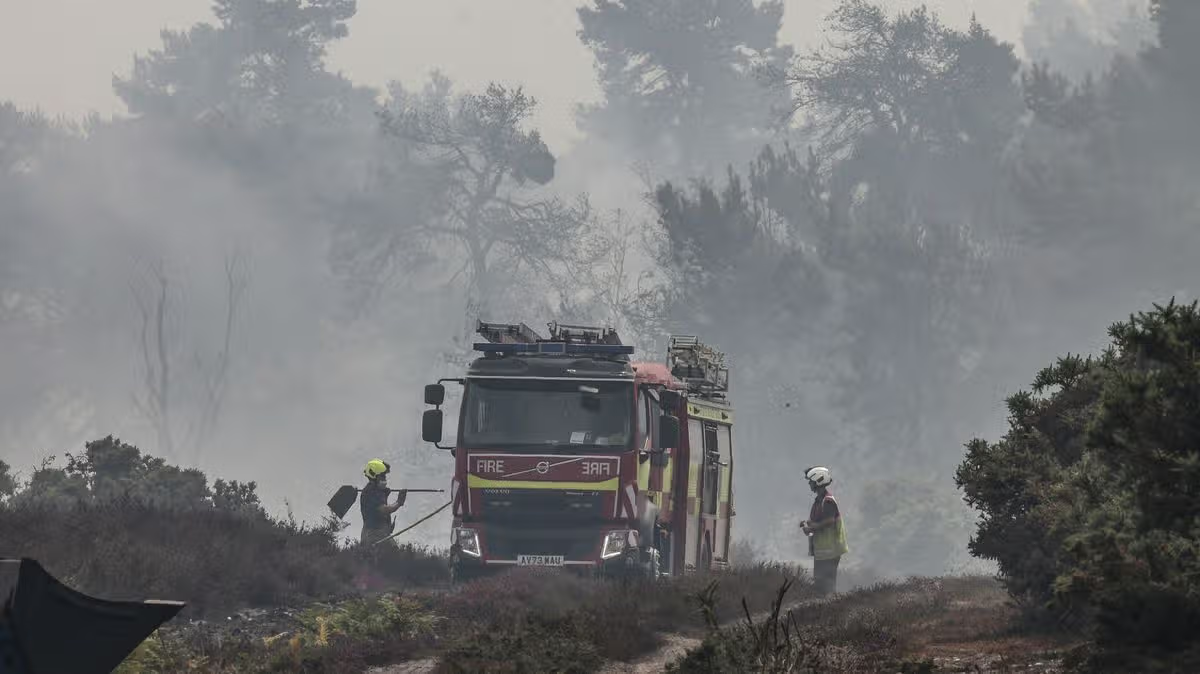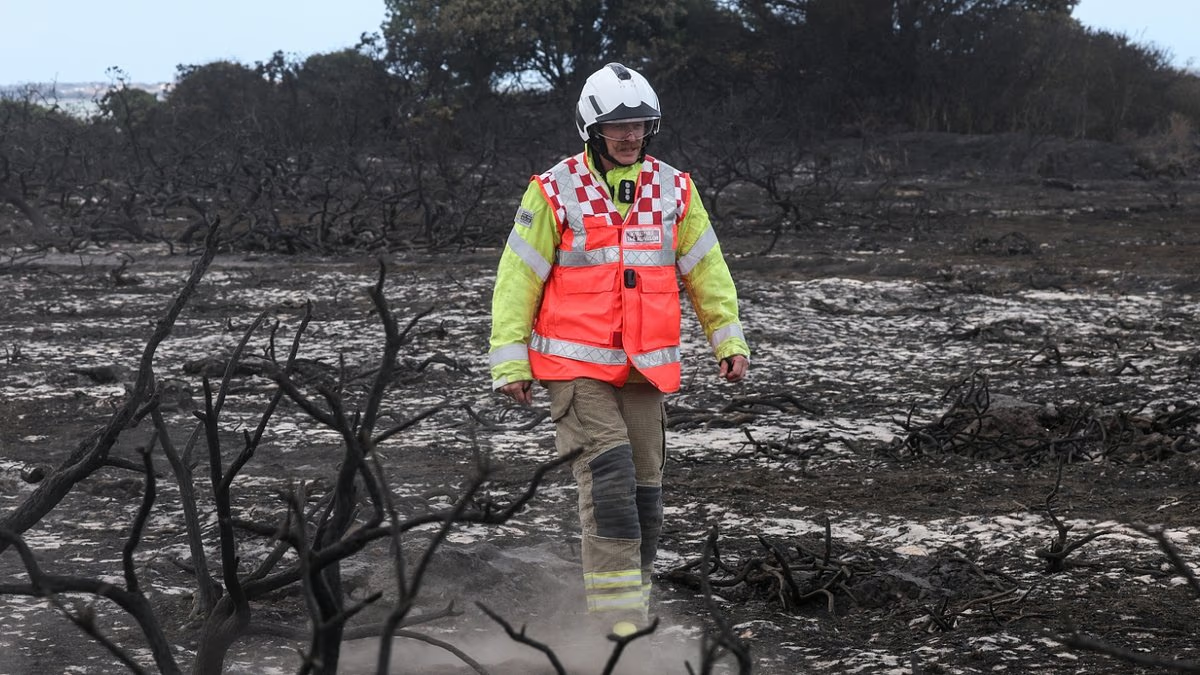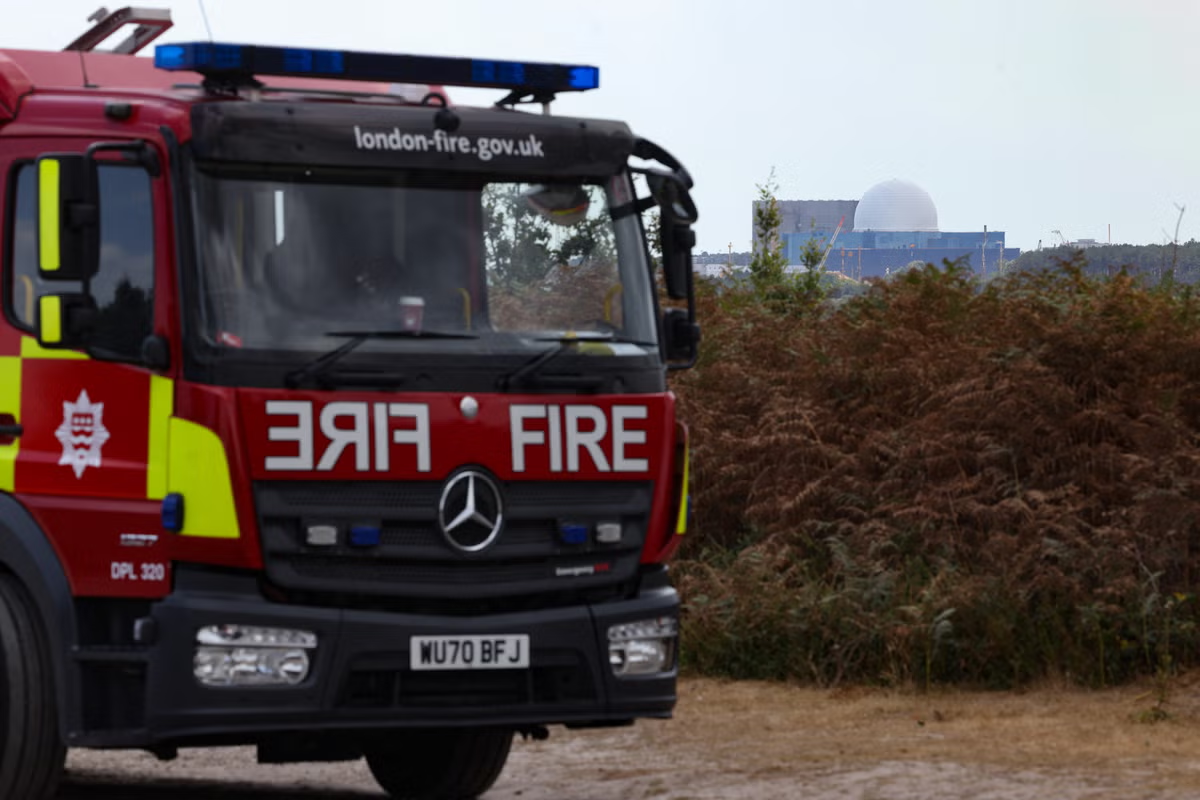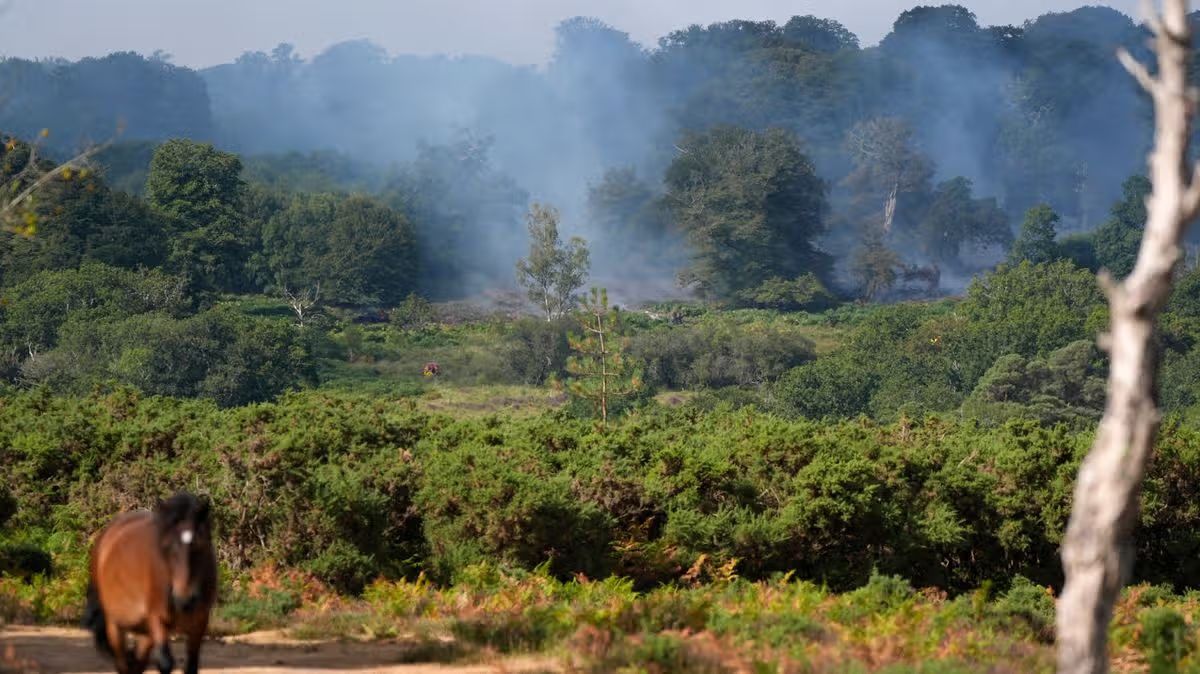
Summer normally brings a sea of purple heather stretching across the New Forest National Park, providing vital nectar for bees and butterflies and shelter for some of Britain's most threatened wildlife.But after yet another wildfire, parts of this internationally important heathland have been reduced to a blackened wasteland - a habitat now so scarce in Europe it is now rarer than a rainforest. The scorched ground now resembles a battlefield rather than the haven it was for wild orchids, wood warblers, redstarts and vulnerable butterfly species including silver-studded blue and dark green fritillary.As fire crews continue to battle to contain the flames, now estimated to have damaged an area the size of 140 football pitches, Forestry England said that “incidents like this can be devastating to all of the things that make the New Forest so special”.Due to its unique mix of habitats, this site is a haven for wildlife - with many species long since disappeared from many other parts of the UK still thriving here. Ecologists have recorded an estimated 20,000 species of animal, plant, and fungus. This includes some of the oldest trees in the country with some yews believed to be over 1,000 years old.It is also home to all six UK native reptiles; sand lizards, adders, slow worms, grass snakes, common lizards and smooth snakes - a species so incredibly rare and shy they can only be found at a few sites in the UK.It is also a Special Protection Area for Birds and one of the last places in the UK where the endangered nightjar, woodlark, dartford warbler and curlew - now globally threatened with extinction - come in significant numbers to breed. The iconic New Forest Pony - a wild species - also makes its home here alongside four types of deer who have been living here since the era of William the Conqueror when the forest was a Royal hunting ground.Donkeys, cows, pigs and sheep also graze here belonging to locals who continue to practice their ancient rights to do so. New Forest ponies caught up in the area of the major fire are likely to have moved away at the first smell of smoke.But it won’t have been as easy for much slower species such as reptiles, insects and ground-nesting birds to have escaped. A spokeswoman for the New Forest National Park Authority called it “devastating.” England and Wales suffered a record number of wildfires last month with officials fearing more devastation this week when a fifth summer heatwave arrives.Firefighters attended 395 wildfires in the three weeks to July 31, bringing the 2026 total to more than 710. Whitehall officials are monitoring the figures amid fears the "whole country is like one giant tinderbox".It is too early to know what the real damage will be as the fire continues but elsewhere shows how the scars can remain long after the flames have gone. This time last year I visited Holt Heath in Dorset, another important nature reserve, just after a wildfire tore through much of the heathland. Twelve months later, around 70 per cent of the affected ground remains blackened and bare.It is a sobering warning for the New Forest and for other treasured heathlands hit by fire this summer, including Dunwich Heath in Suffolk.As Britain faces hotter, drier summers and an escalating wildfire threat, tthese fires are no longer isolated disasters. For this part of the New Forest, the flames will eventually go out. But it could be years before the blackened heath turns purple again.
New Forest wildfire sparks animal fears after huge blaze rips apart vital site
The New Forest wildfire, which forced drivers on the A31 to abandon their vehicles and run for their lives, is now burning through a massive patch of significantly biodiverse land
586 words~3 min read