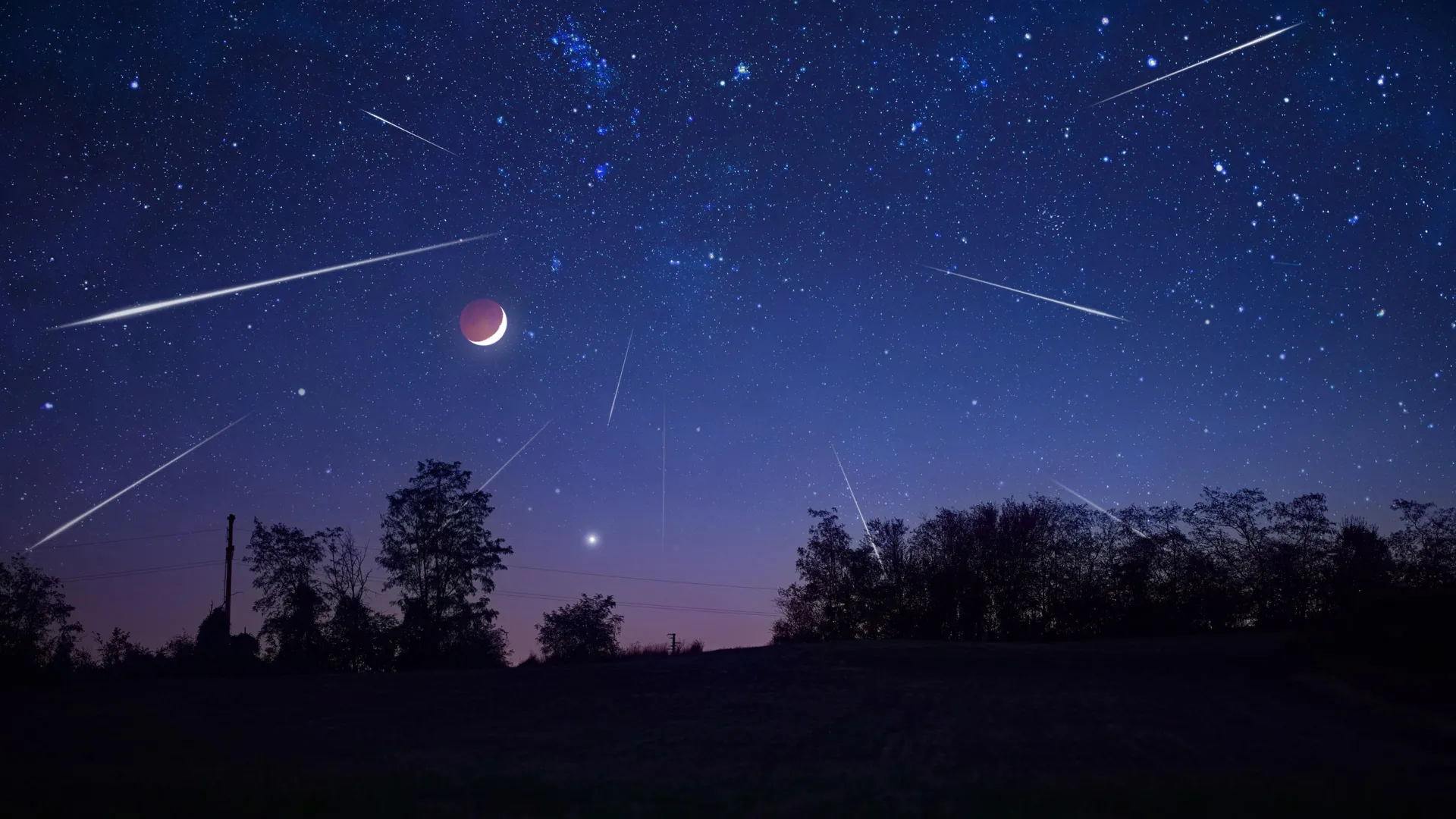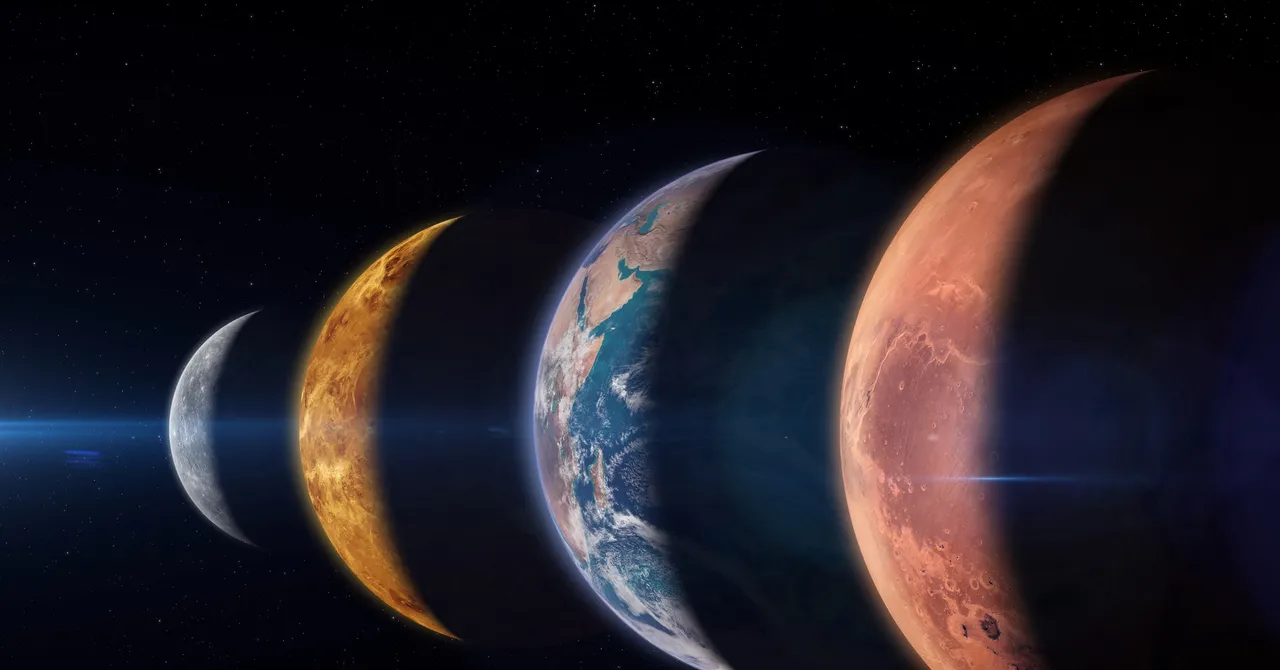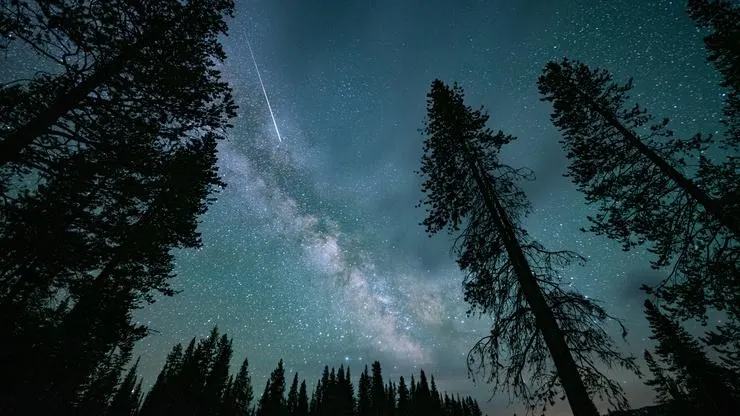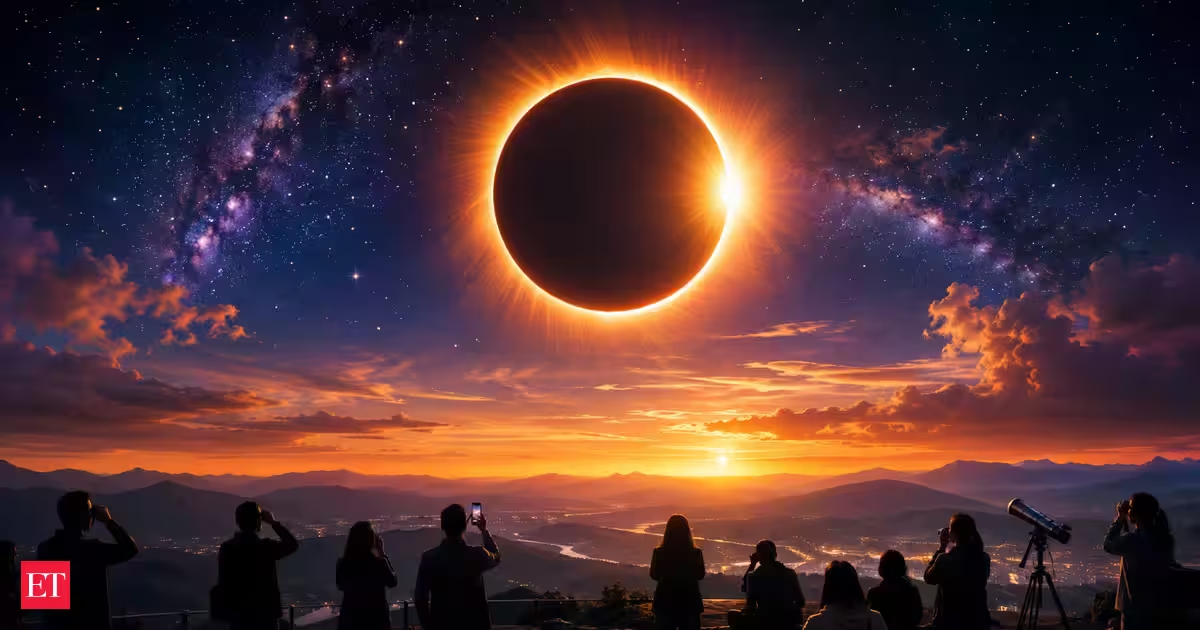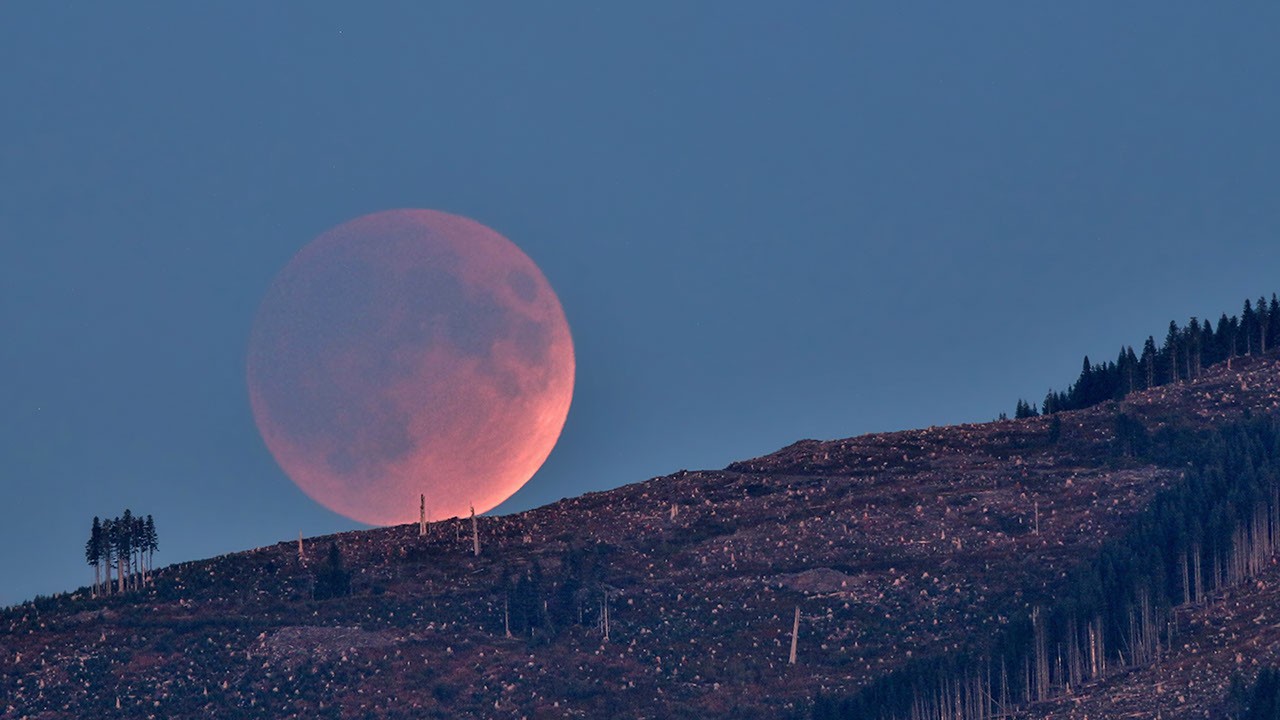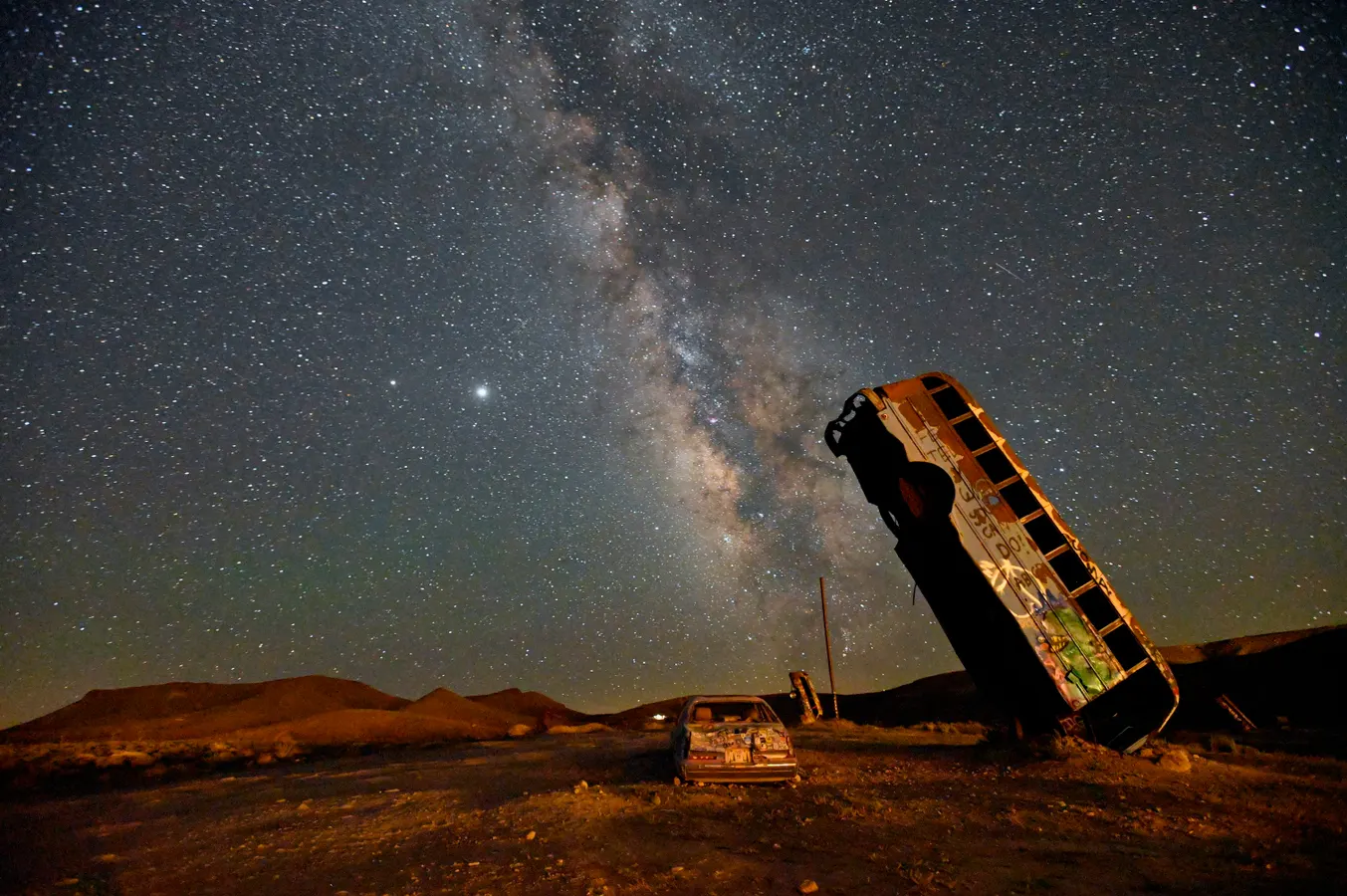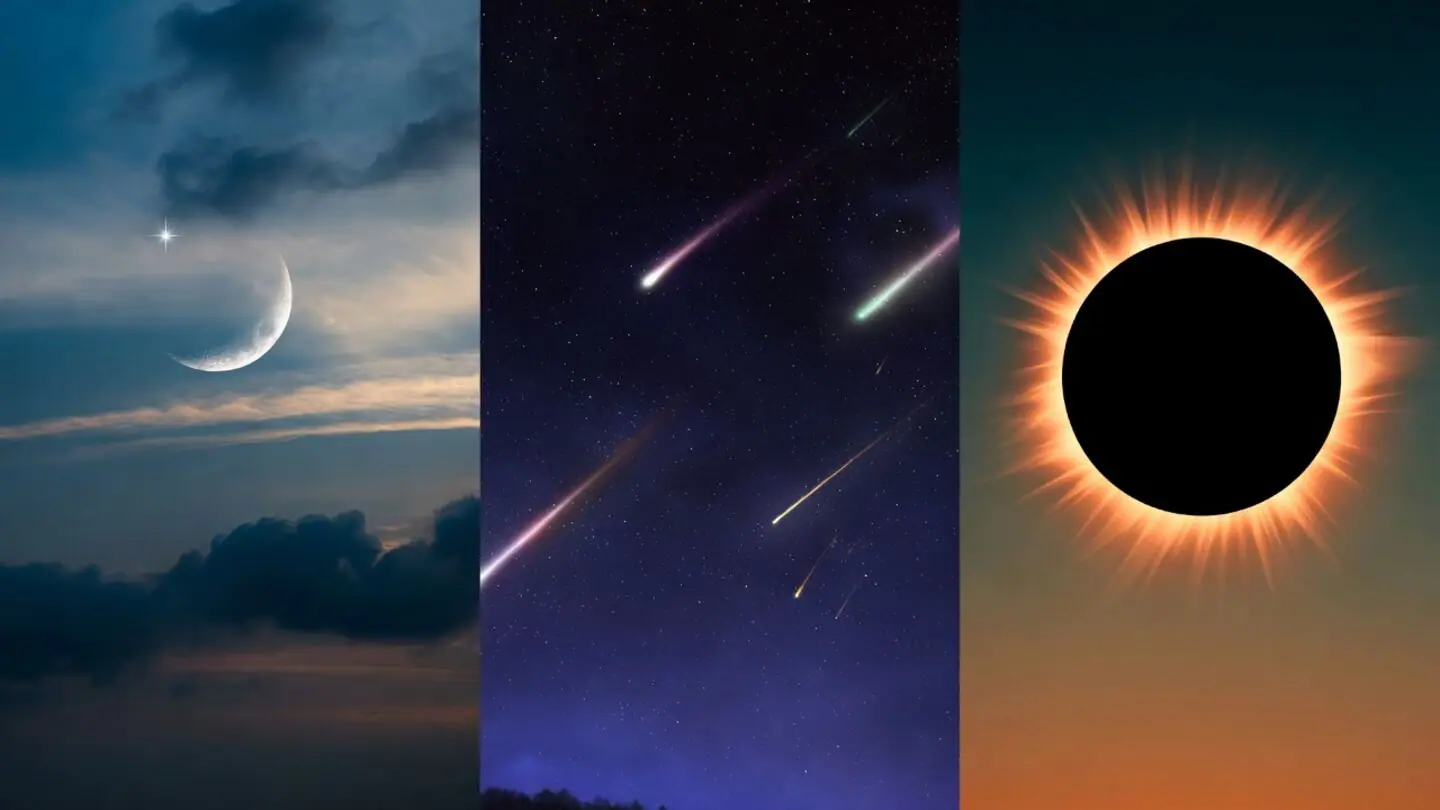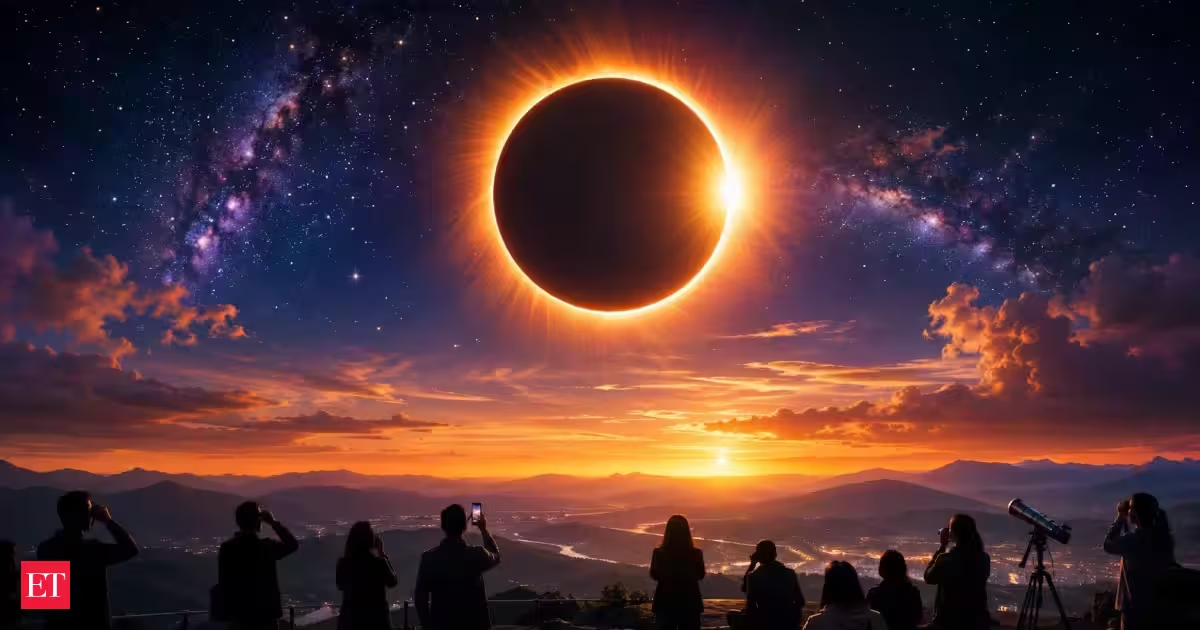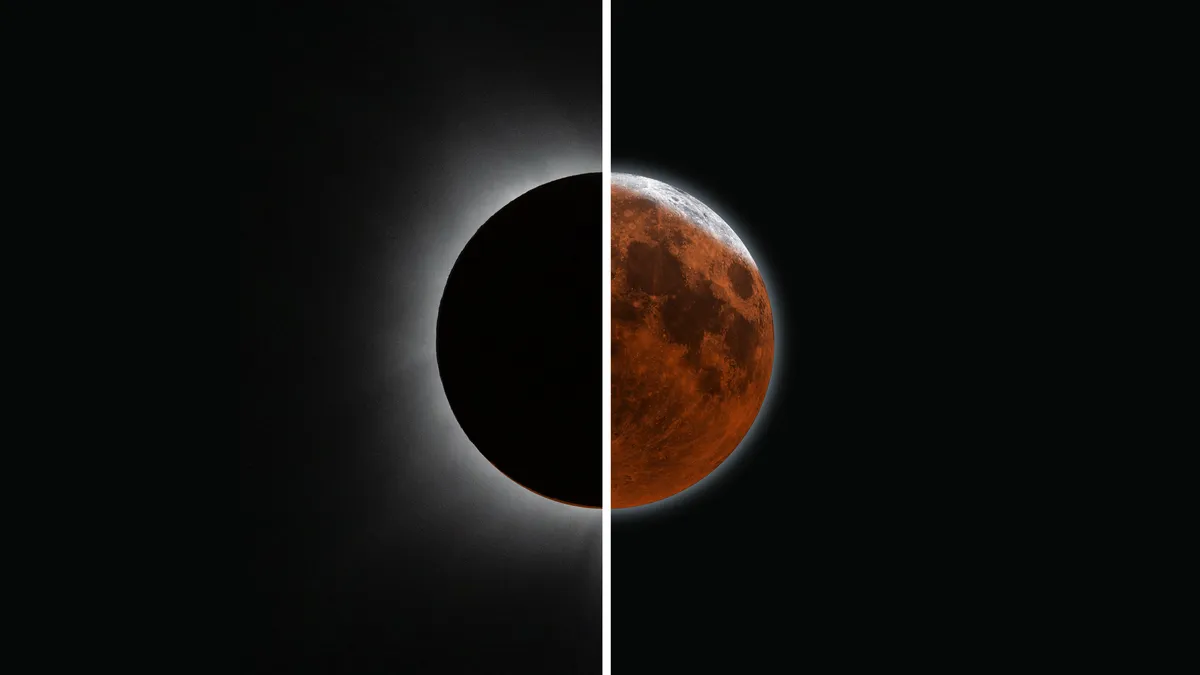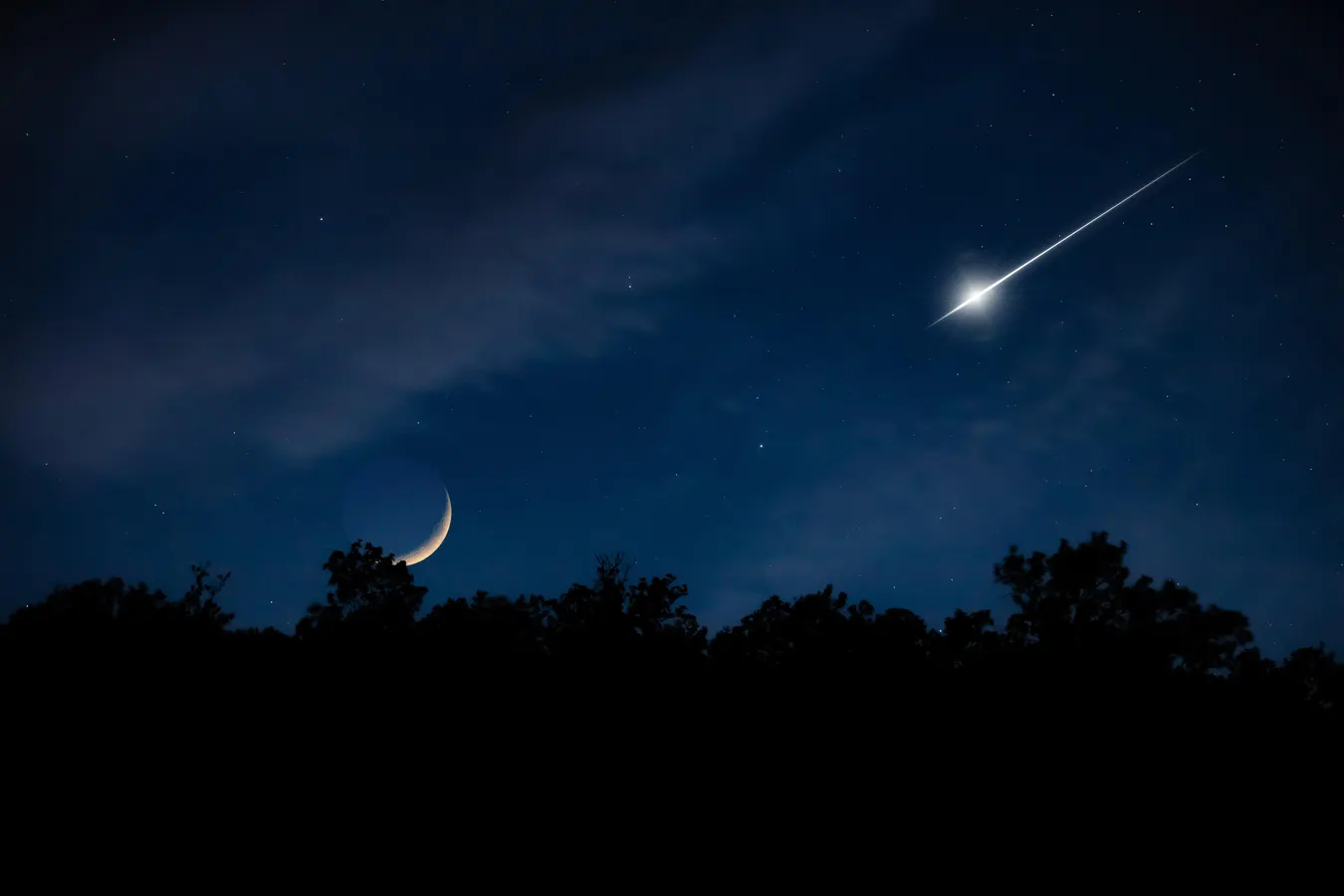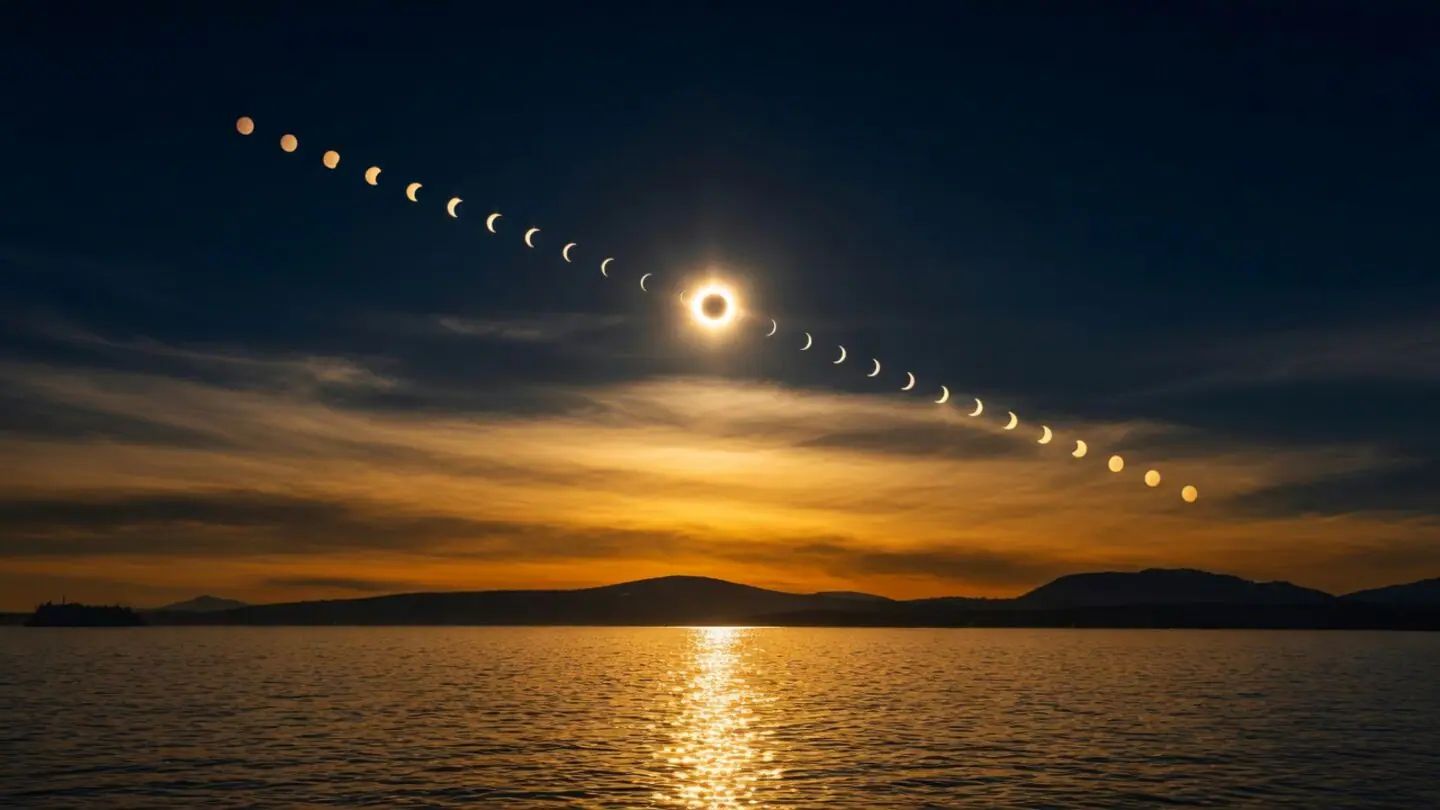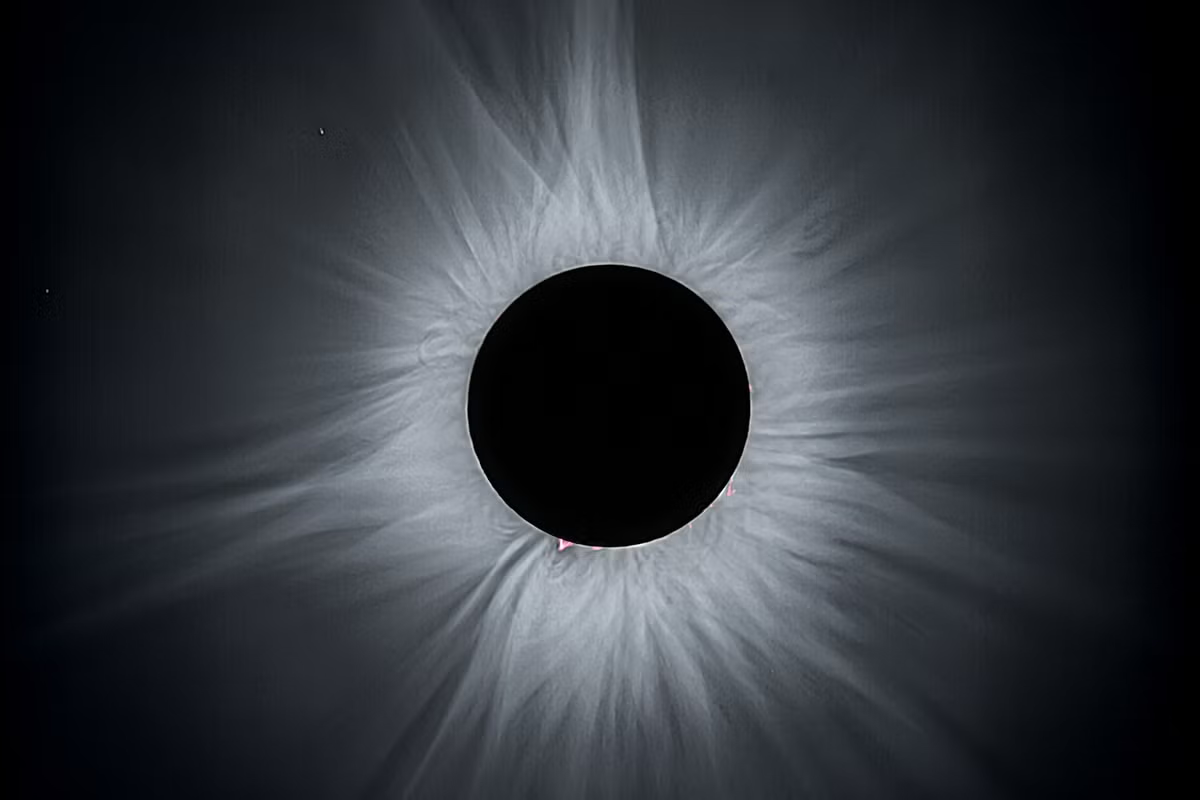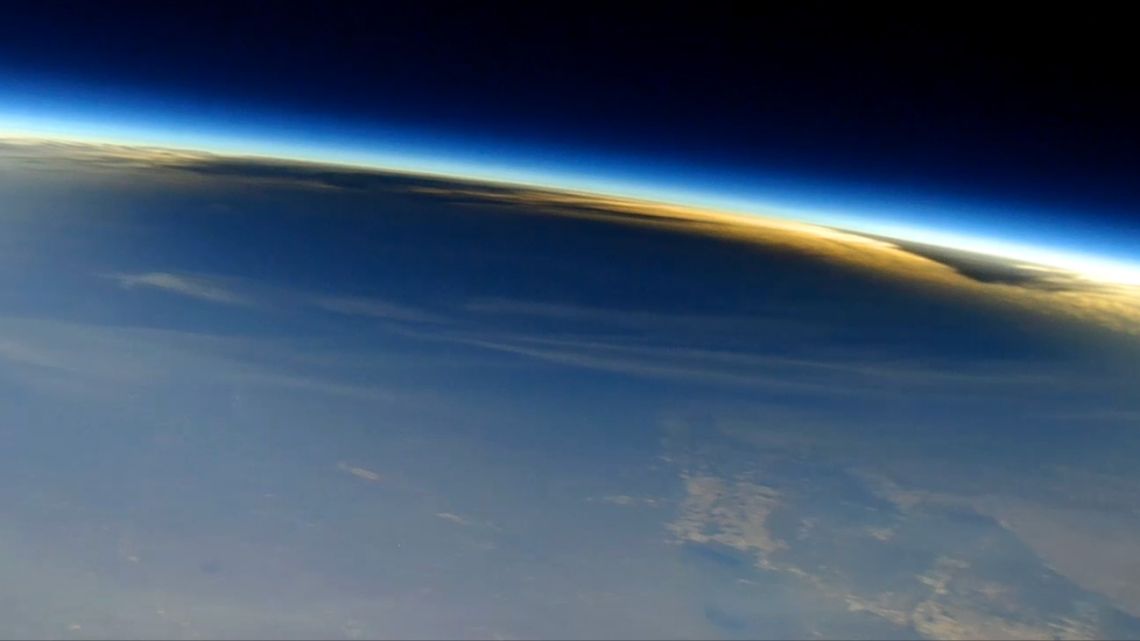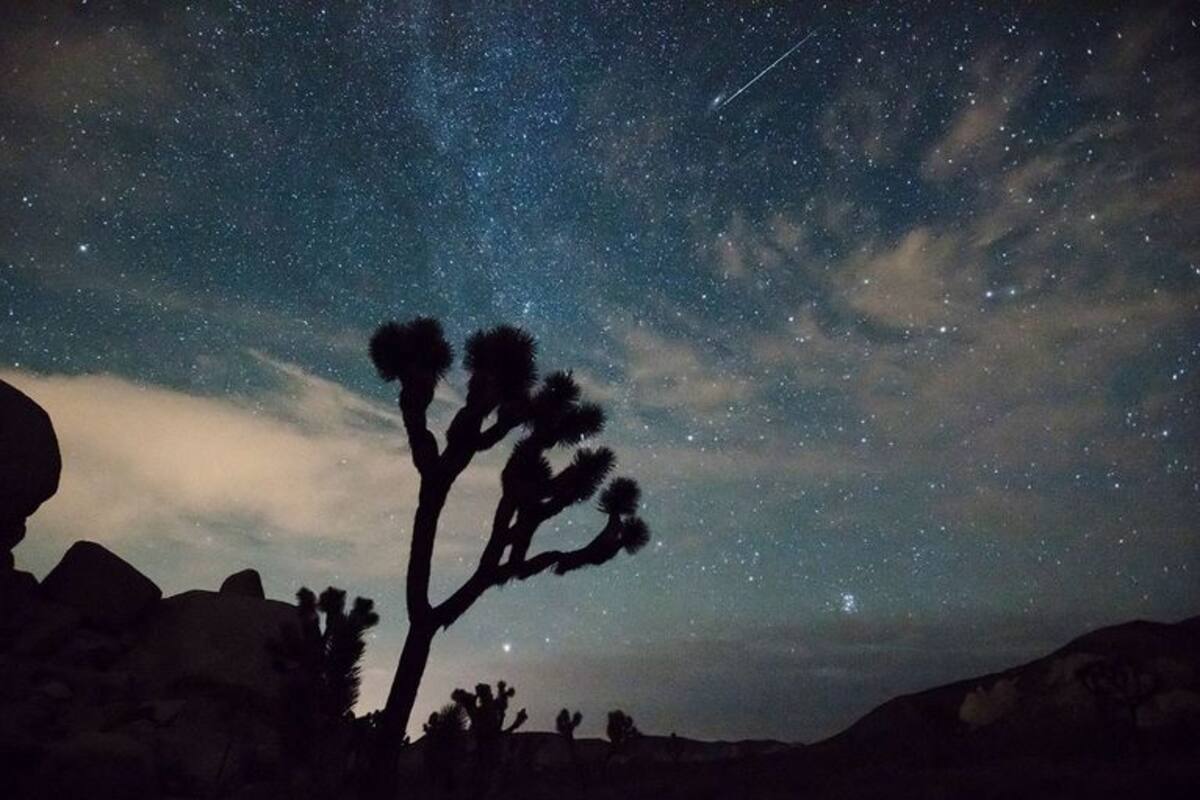
August got off to a great start with tiny Mercury making one of its best appearances of the year on August 2. Take a look at what else is in store.New Moon: The Moon disappears from the night sky on August 12, leaving behind a dark expanse that allows glimpses of faint star clusters, galaxies, and constellations.Total Solar Eclipse: On August 12, a spectacular total solar eclipse will be visible from parts of Greenland, Iceland and Spain as the Moon completely covers the Sun and reveals its glowing outer atmosphere or corona. Many other regions will witness a partial eclipse.Quick fact: A total solar eclipse happens somewhere in the world once every 16 months on average. The last time the Moon completely covered the Sun was the total solar eclipse across Mexico, the United States, and Canada on April 8, 2024.Perseid Meteor Shower: Get ready for Nature’s biggest fireworks show on August 12 and 13! Among the year’s brightest meteor showers, the Perseids produce up to 60 shooting stars an hour. With no moonlight this year, conditions are perfect to spot these dazzling streaks crossing the sky.Venus Rules: Venus reaches its brightest evening position of the year on August 15. After sunset, look towards the western horizon to spot the brilliant Evening Star.Full Sturgeon Moon: August’s Full Moon rises bright and beautiful on August 28. Native American tribes called it Sturgeon Moon (because the giant lake sturgeon were more easily caught at this time) and Green Corn Moon and the Grain Moon (signifying the time to gather crops).Partial Lunar Eclipse: Watch Earth’s shadow slowly cover part of the Moon, making it appear as though someone has taken a bite out of it. This partial lunar eclipse will be visible across much of the Americas, Europe, and Africa on August 28. Published - August 07, 2026 10:34 am IST
What the night sky offers in August
Look out for dazzling meteor showers, eclipses, brilliant planets and glowing moons this month
308 words~1 min read