vLLM hit the front page of Hacker News this week with a deep dive into its architecture. If you're running production LLM workloads, understanding how vLLM achieves its throughput is essential. Here's what makes it special.
The Problem vLLM Solves
Traditional LLM inference is memory-bound, not compute-bound. The GPU spends most of its time waiting for model weights to arrive from memory, not actually computing. This is why you can't just throw more GPUs at the problem — the bottleneck is memory bandwidth, not FLOPs.
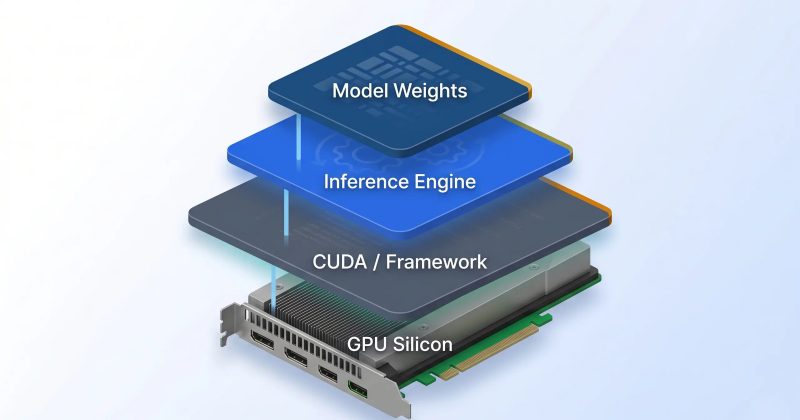
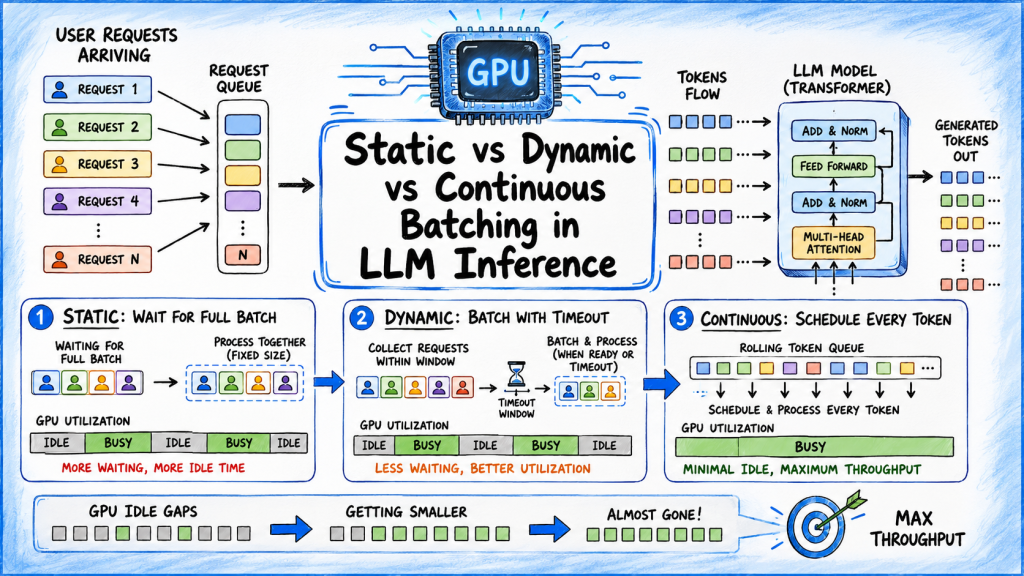
vLLM attacks this problem from multiple angles: PagedAttention for memory efficiency, continuous batching for throughput, and optimized CUDA kernels for speed.
PagedAttention: The Key Innovation