Economics Editor
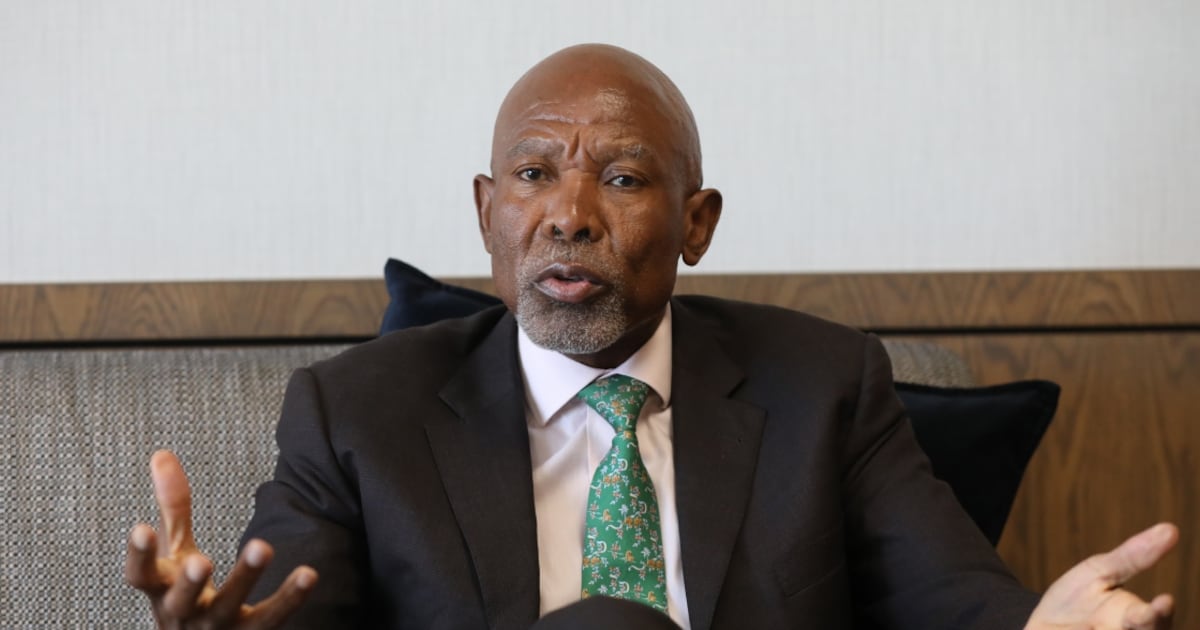
South Africa has so far been spared food inflation stemming from the Middle East war because the conflict erupted after the domestic summer planting season, limiting the impact of higher fertiliser prices, but an extended conflict and the El Niño weather phenomenon still pose upside risks, Reserve Bank governor Lesetja Kganyago said on Thursday.
Despite consumer inflation accelerating to 5% in June from about 3% before the war erupted earlier this year, food price inflation has remained largely contained, Stats SA data show.
“The war in the Middle East has had an impact on fuel prices [and] on fertiliser prices and the availability of fertiliser [but] for South Africa these shocks came after our planting season,” Kganyago told a media briefing to explain the work of the Bank in pursuing its inflation-targeting mandate.
“Fertiliser prices have been elevated. They seem to be coming down, but … what you are going to have is that it’s going to be varied. Some farmers might have decided to order fertiliser ahead of the [next] planting season. Others might be ordering later. It’s going to have a different impact, and that would feed into food prices at some point.”