Story audio is generated using AI
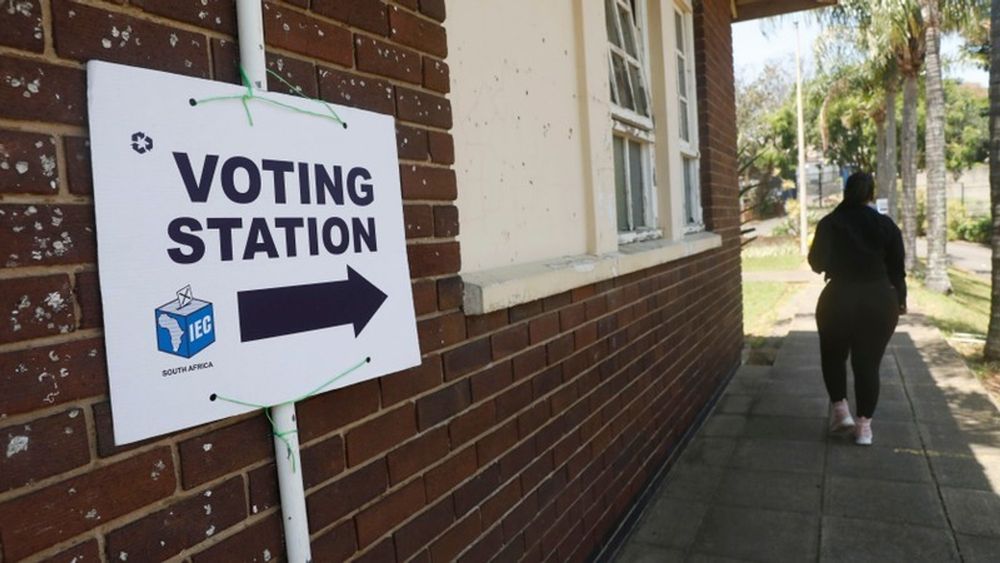
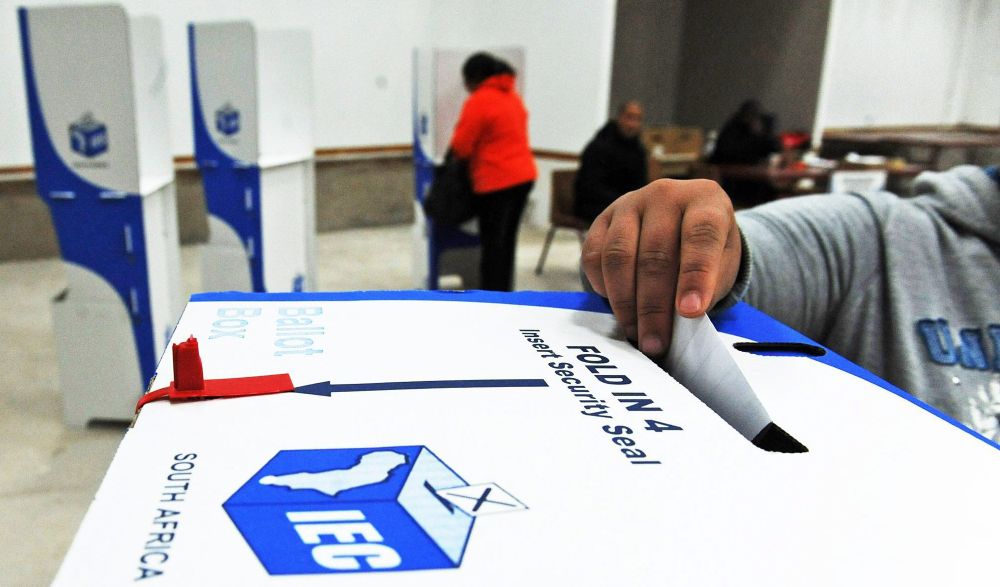
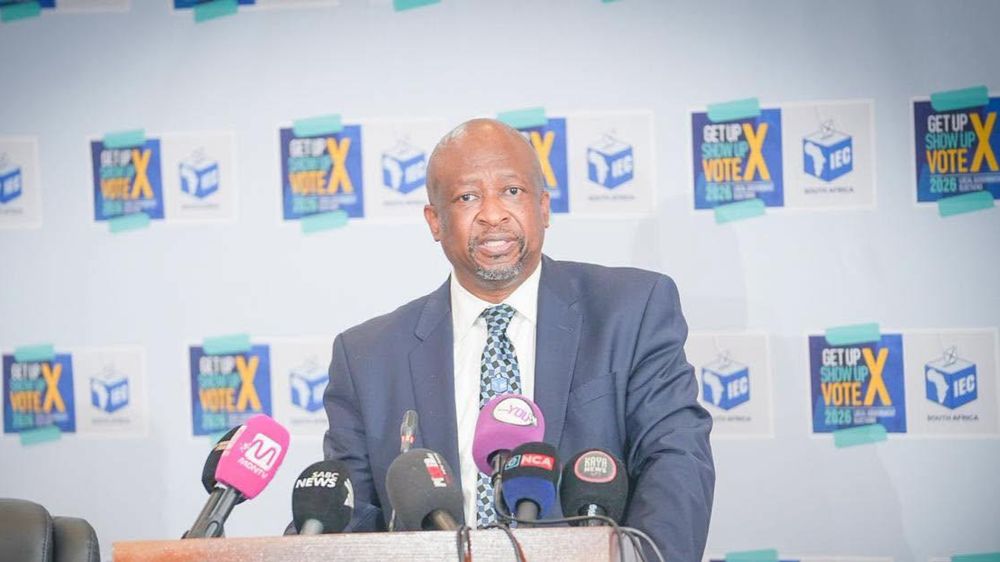
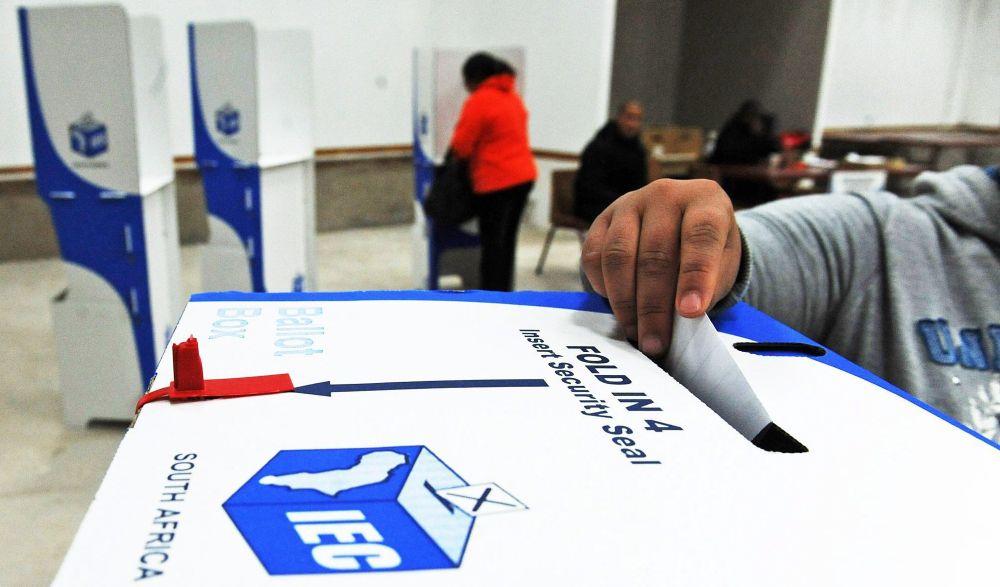
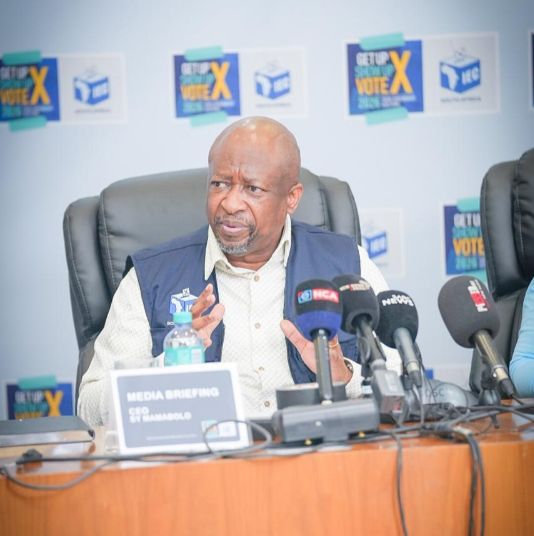
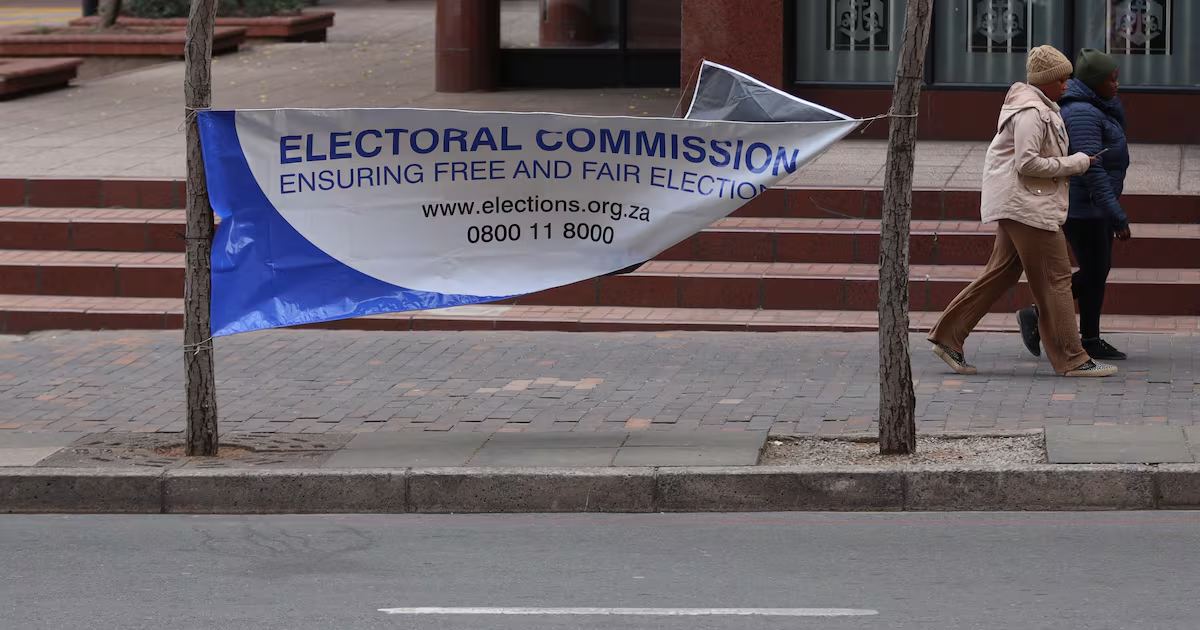
South Africa’s voters’ roll for the November 4 local government elections has closed and the election date is expected to be gazetted on Friday. The Electoral Commission of SA’s (IEC’s) final in-person registration weekend added more than 290,000 first-time voters, part of a two weekend drive that brought more than 750,000 new names onto the roll and more than 1.7-million people through voting stations to register or update their details.Nationally, the voters’ roll barely moved in 2016-21, down less than 0.5%. The roll was never the problem. Every one of South Africa’s nine provinces, however, lost 11%-25% of its valid votes over the same five years. Gauteng and Mpumalanga each shed roughly a quarter of their 2016 turnout. In absolute terms, 3,216,029 fewer South Africans cast a valid vote in 2021 than in 2016, from an almost identical pool of people eligible to do so. National turnout fell from 56.80% of registered voters in 2016 to 44.81% in 2021, a 12 percentage point drop in a single electoral cycle and the lowest local government turnout South Africa’s democracy has recorded. The IEC held its side of the bargain but the electorate did not reciprocate. (Brandan Reynolds) Getting people to actually cast their ballots is a large part of this year’s campaigning. The country is on a concerning trajectory of low voter turnout in recent elections. Further declines would be regrettable to anyone invested in the democratic project.The fundamental mission must be to get people to the polls. The practical task for voters, however, goes beyond that. The engaged voter looks beyond the headlines and understands what each party is promising their specific municipality, not just the national headline. They check that promise against what the incumbent, wherever applicable, has delivered on comparable commitments before and ask whether the numbers behind a promise ― more clinics, more housing units, debt relief for indigent households ― are consistent with a municipality’s revenue base.Local government elections are frequently treated as the undercard to national politics, a lower-turnout affair fought over potholes and refuse trucks rather than grand ideology. Municipalities in South Africa control water and electricity distribution, refuse and sanitation, local roads and increasingly the budgets that determine whether informal settlements get connected to basic services at all. A council’s political composition shapes procurement decisions, coalition stability and whether service delivery protests spiral into the kind of unrest that has periodically rattled investor confidence in specific metros. Voters who treat manifestos as background noise are effectively delegating decisions about their own water pressure and electricity reliability to whoever shouts loudest in the final week of the campaign.The EFF has already used its 13th anniversary rally in Limpopo to unveil a manifesto built around ward level health committees, expanded municipal services and a list of metros, including Ekurhuleni, Tshwane and Nelson Mandela Bay, that the party points to as evidence it can govern locally. The DA follows on August 8 with a launch in Johannesburg itself, a deliberate choice given the city’s governance troubles, built around a message that 32 years of ANC dominated local government has failed residents and that the DA’s own record in the Western Cape offers a working alternative. The ANC closes the sequence on August 15 in Alexandra amid polling that suggests that it could shed about 500 council seats nationally. It is imperative that South Africans take ownership of South Africa’s democracy, come out en masse on election day and decide on how the landscape of our constitutional democracy is shaped.Business Day