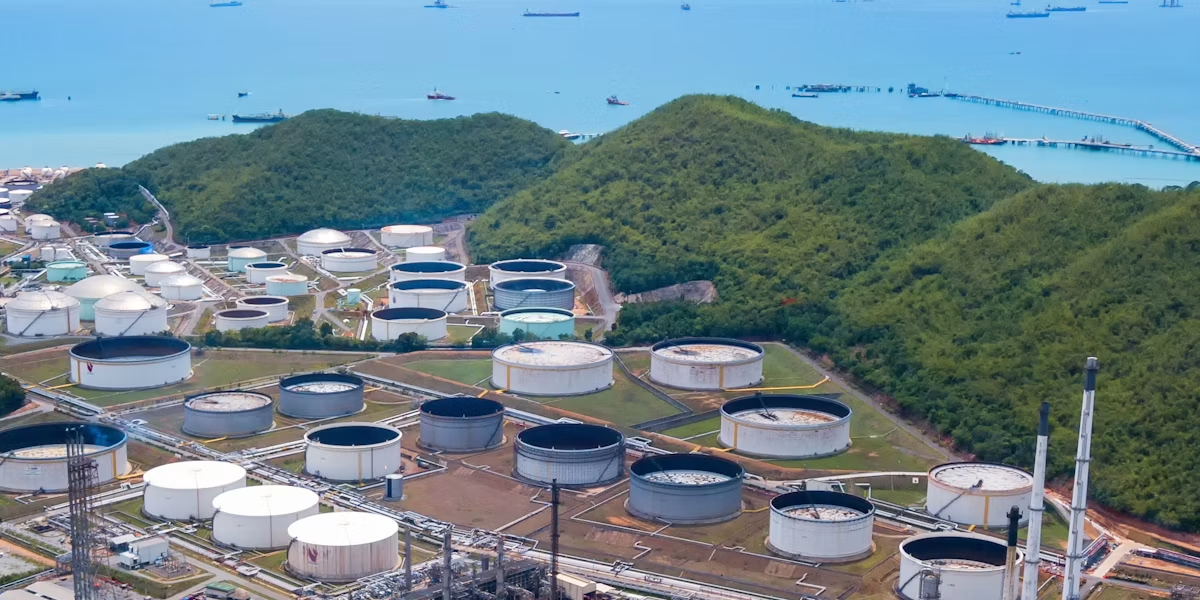
Asia’s energy security depends on the Strait of Hormuz, a waterway it doesn’t control, and the fallout from the return of conflict would extend well past fuel pumps.
If Asia doesn’t build deeper, more liquid electricity networks now, it risks losing its slice of the AI value chain. Nearly every major Asian economy now has a formal national AI masterplan. Japan recently announced a 370 trillion yen ($2.3 trillion) budget, with more than a quarter of that sum earmarked for spending on artificial intelligence and chips alone over the next 15 years.
Training a frontier AI model concentrates enormous computing power into a handful of locations, while inferencing pushes low-latency facilities into dense urban hubs. Data center power demand across Asia-Pacific is expected to increase by an estimated 165% in 2023-30.
Much of the region’s headline megawatt figures, though, are “bragawatts”—announcements that look impressive on paper but are far slower to turn into real energy.
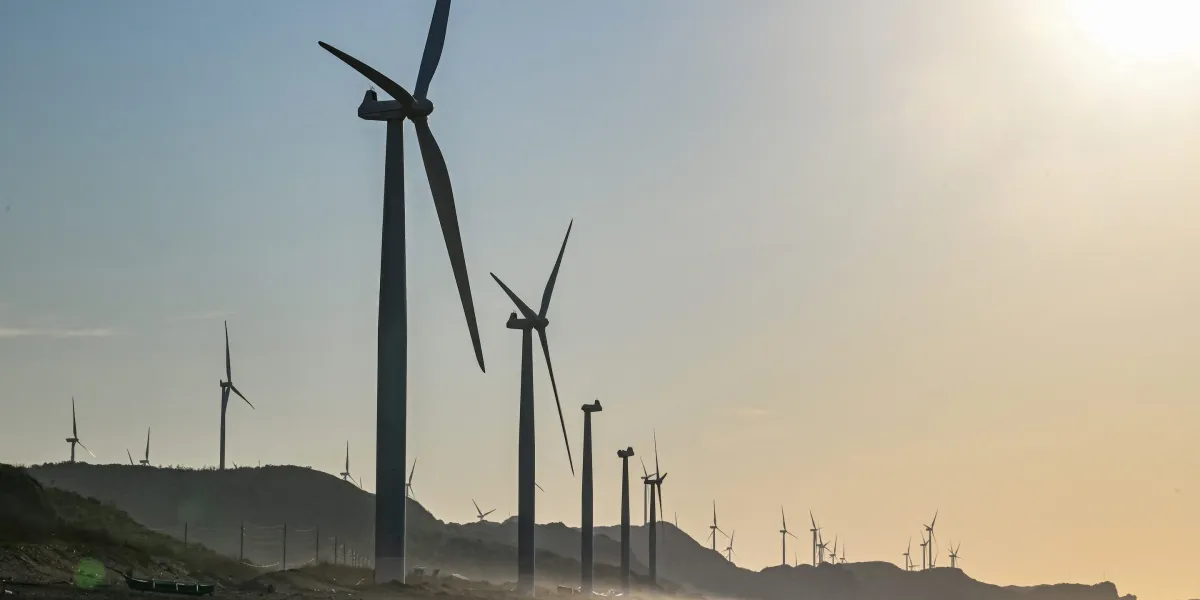
Why? Despite the rapid progress in developing renewable energy generation, reliable systems require major grid upgrades. Renewables are typically built far from demand centers and generate power intermittently. Without new transmission and storage, server racks will therefore struggle to operate at full capacity. According to the International Energy Agency’s Southeast Asia Outlook, grid and storage investment in 2025 was just $13 billion, far lower than the $50 billion needed annually till 2050.