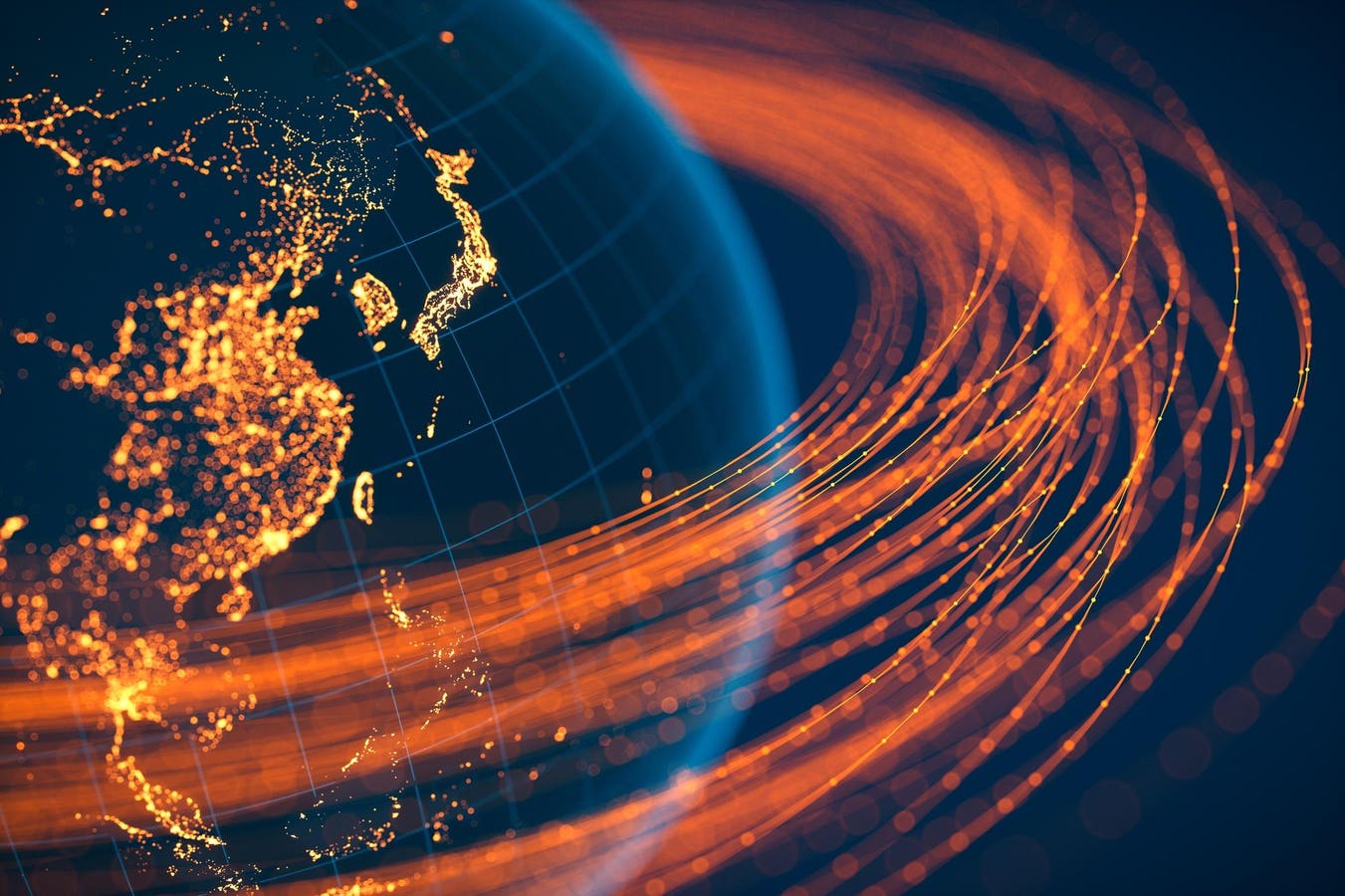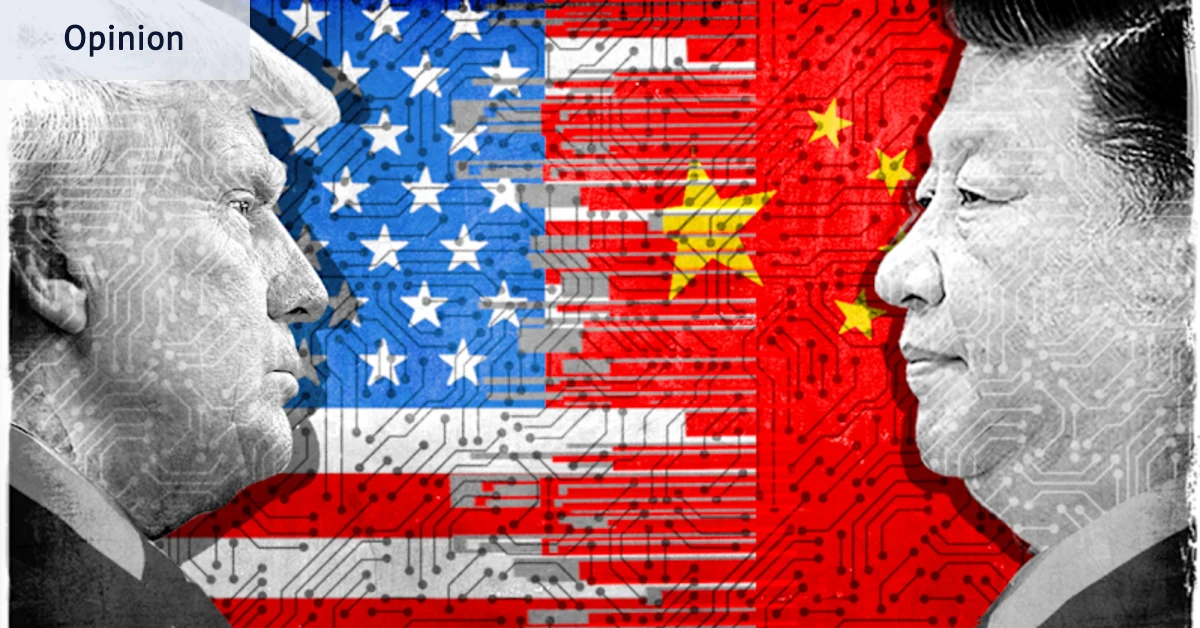
The global AI race is usually portrayed as a contest between the US and China. But another story is unfolding across east Asia, where countries such as Taiwan, South Korea, Japan and Vietnam are looking to command key parts of the AI value chain.
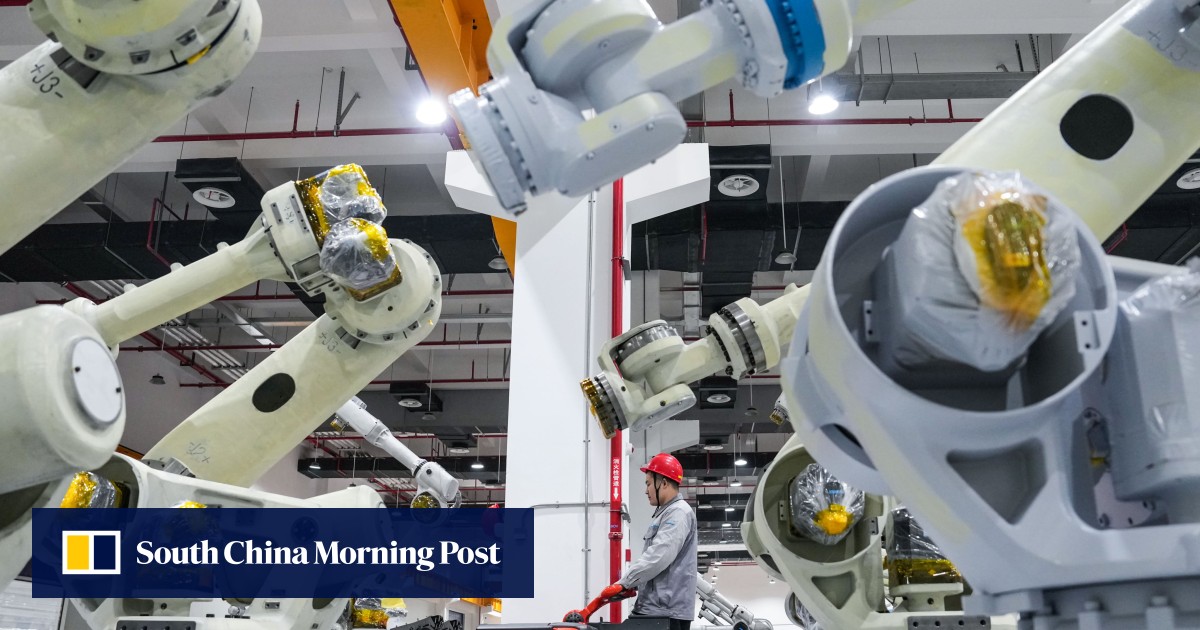
Here, sovereignty is the desired outcome. These governments are trying to secure enough control over critical AI capabilities such as chipmaking, computing infrastructure and physical AI applications like robotics to avoid becoming rule-takers in the next technological era.
While their intentions are similar, each country starts from a distinct point and has chosen a different path.
Taiwan already occupies perhaps the strongest strategic position. Home to Taiwan Semiconductor Manufacturing Company (TSMC), it dominates production of the world’s most advanced semiconductors – the hardware upon which cutting-edge AI systems depend. These include AI processors, which are chips designed to handle AI tasks.
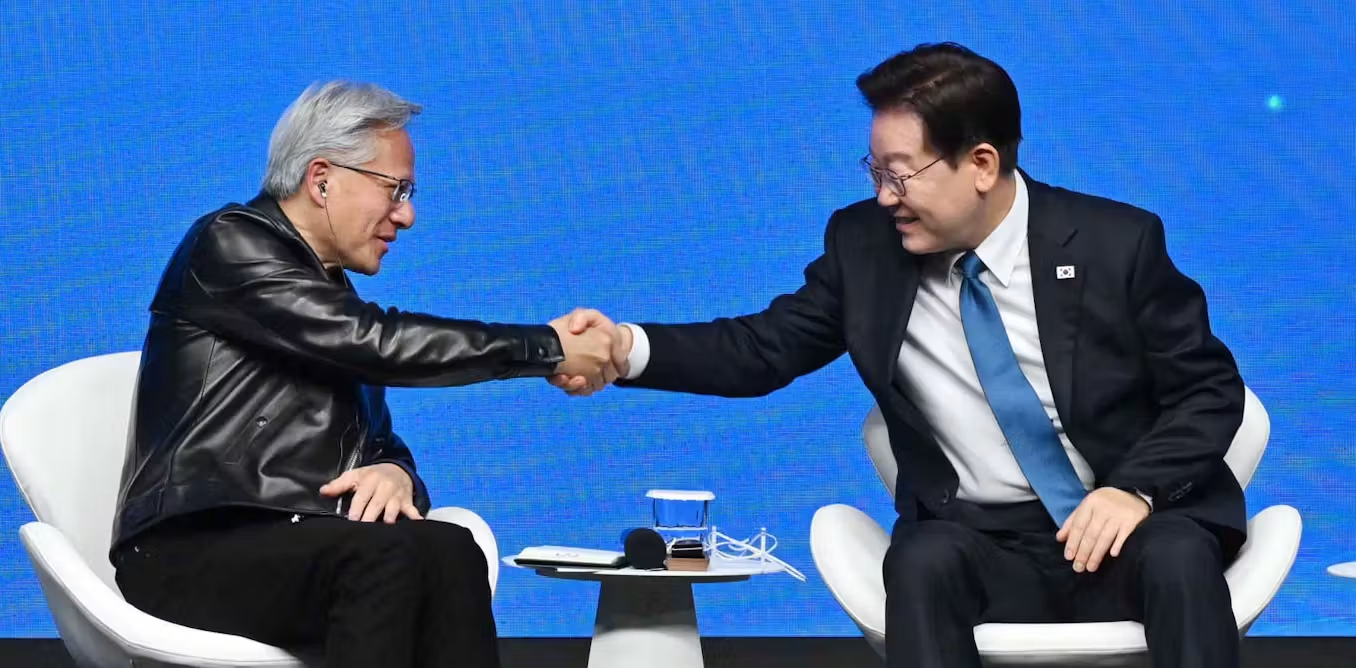
Jensen Huang, the founder and CEO of US tech firm Nvidia, is Taiwanese and on a recent visit to Taiwan exclaimed that the island is at the “epicentre” of the AI revolution. While Nvidia is the leading designer of AI processors, the physical manufacturing of these chips is outsourced primarily to Taiwan.