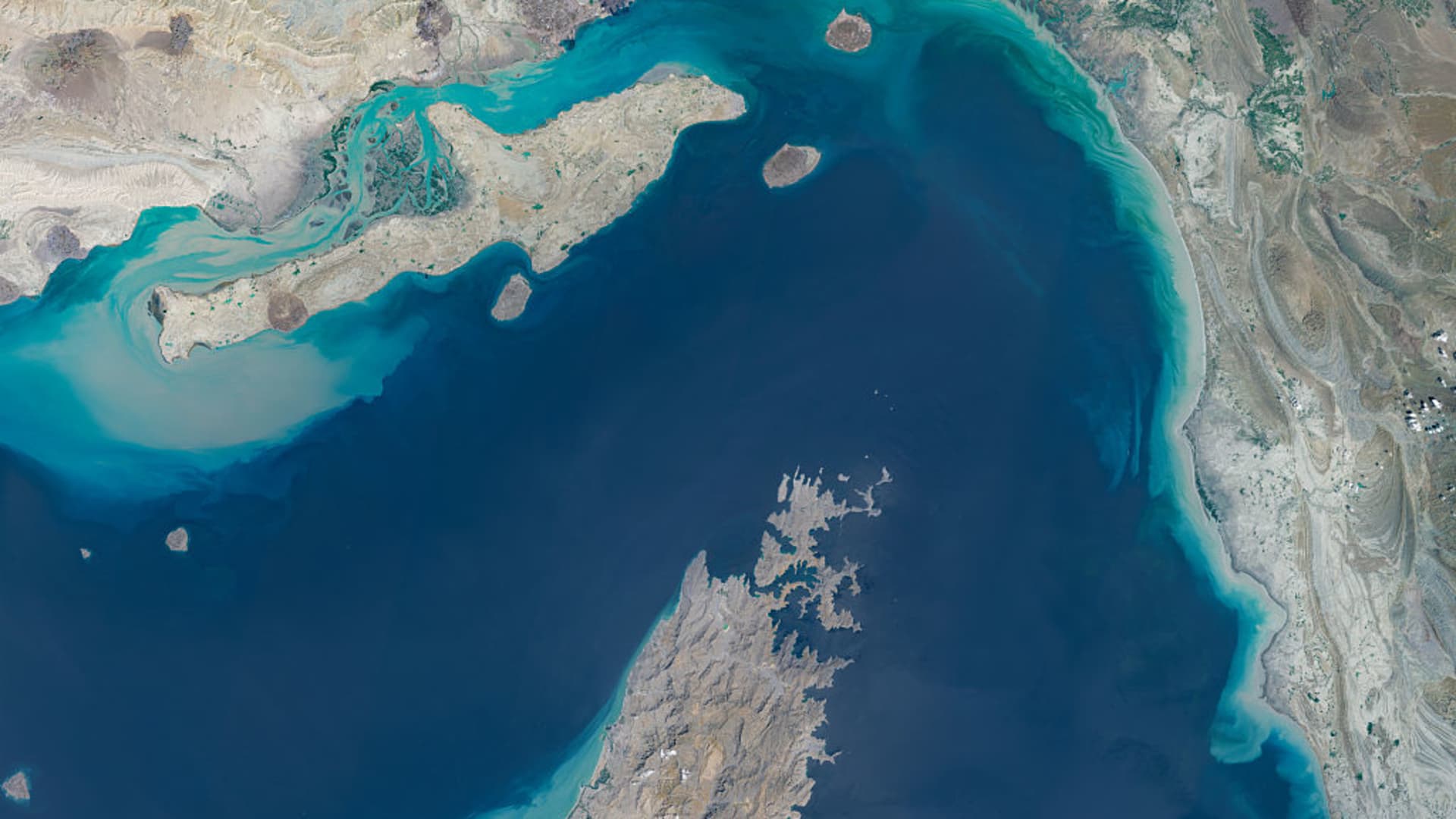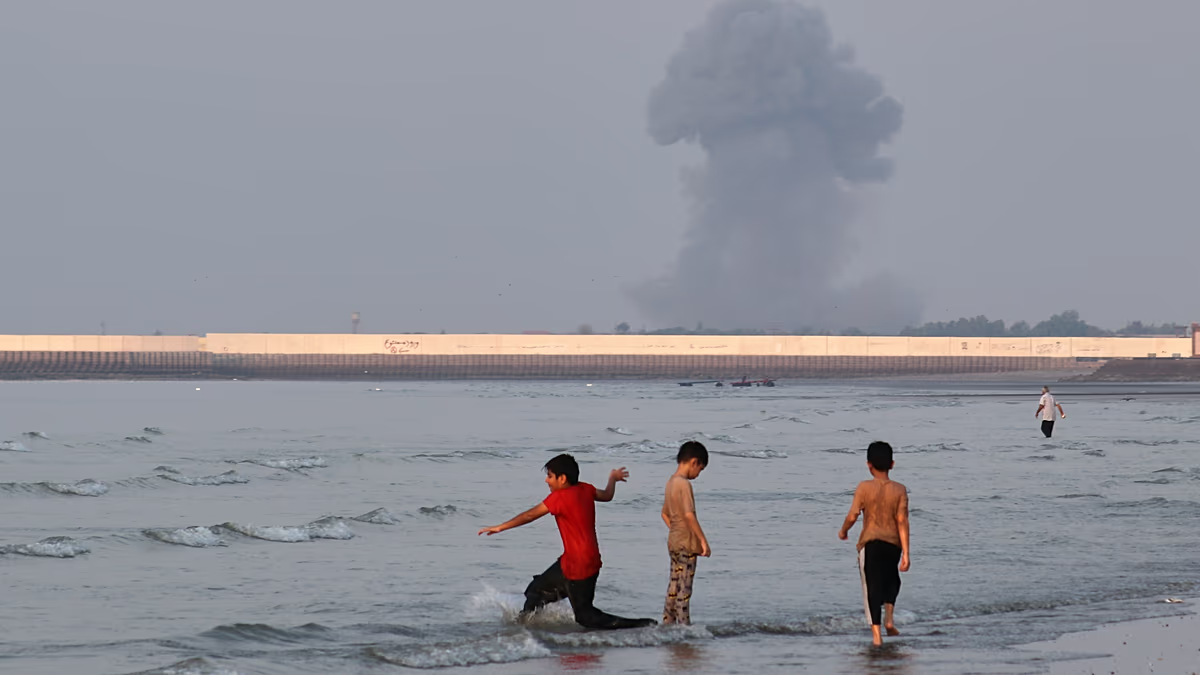
Logistical challenges in getting oil-field supplies to worksites in the Middle East continue to weigh on the region's upstream recovery. With the Strait of Hormuz remaining effectively impassible to most marine traffic, oil-field services firms and engineering, procurement and construction (EPC) contractors have managed to find alternative routes for supply delivery, often with the assistance of their national oil company clients. But that adds cost and delays, and congestion is increasing along those alternate routes. After five full months of restricted passage through Hormuz, companies are shifting to a longer-term view of how the Mideast conflict will impact operations. The pace of recovery in upstream activity has been "mixed" across the Mideast Gulf, executives say. Oman, for one, has been largely "untouched" by the conflict, and activity there remains steady, SLB CEO Olivier Le Peuch told analysts on a quarterly earnings call last month. Others, like the UAE and Saudi Arabia, are "in between," with some activity able to resume to some level of normalcy, while Bahrain, Iraq and Kuwait are "severely damaged" and will be slower to recover, Le Peuch said. After a brief pause in hostilities following a now-broken Iran-US peace agreement in June, "Conditions stabilized, and customers adapted their operations to what seemed to become a new normal," said Jose Bayardo, CEO of equipment supplier NOV. "Even so, logistics remains less predictable and more costly." In April, NOV had flagged freight costs that were sometimes up to "three to four times normal levels." Weatherford CEO Girish Saligram said freight and logistics costs in the Mideast "remain elevated" but started to moderate after peaking in May.
Upstream Players Navigate Mideast Logistics Challenge
Oil-field services firms and their clients have developed alternative supply routes that keep many oil and gas projects moving but also add costs and delays.
268 words~1 min read