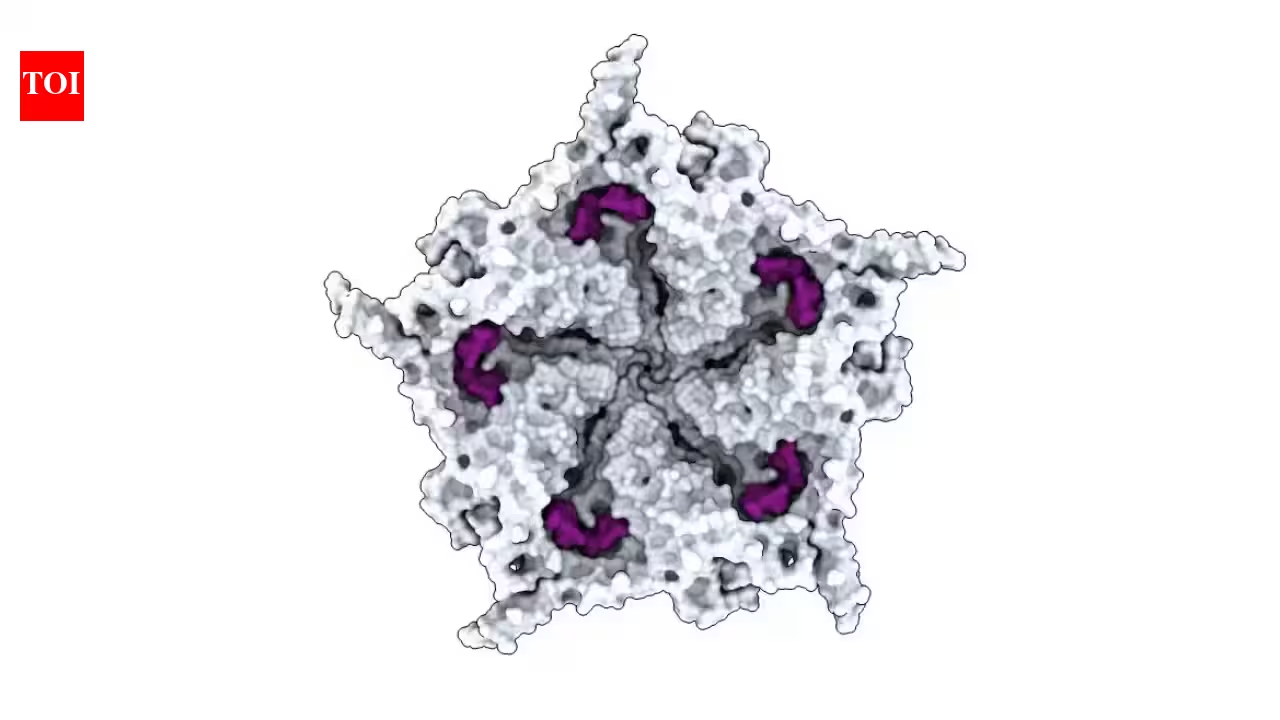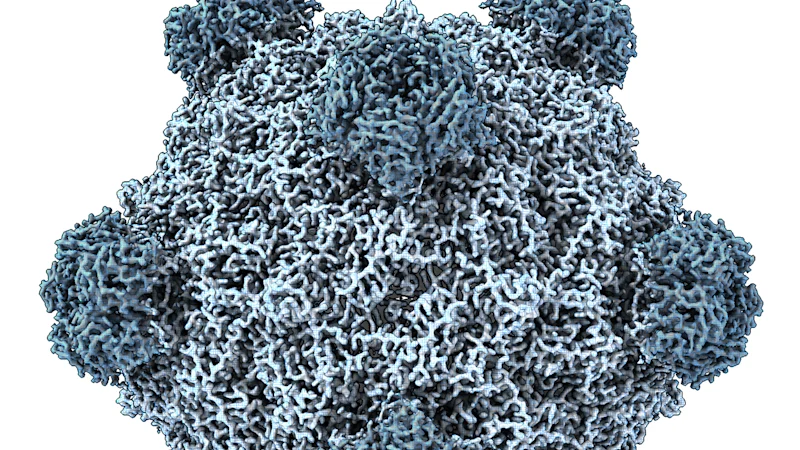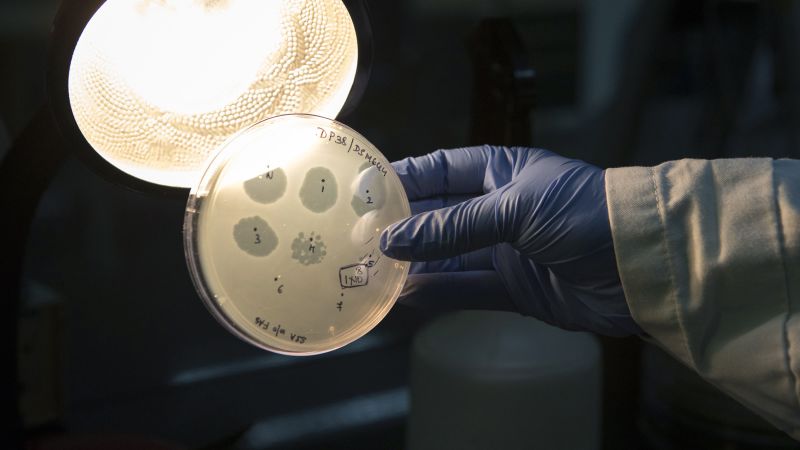
One of the great promises of artificial intelligence was that it would help to cure diseases that have thus far stumped humanity. It hasn’t gotten there yet, but it has now created a new, viable virus not found in nature—which is one of those technical achievements that is both impressive and unnerving. Researchers at the Palo Alto, California-based Arc Institute believe they have accomplished a new first by using AI to manufacture new viral genomes by first teaching a model how to recognize the DNA structure of different viruses found in nature and then tasking it to create recipes for new, novel viruses. Once the model—a genome language model called Evo—whipped up some options, the scientists created those molecules and loaded them up with bacteria to see what would happen. According to the researchers, who detailed the experiment in a study published Thursday in Science, the bacteria produced viruses capable of infecting other bacteria and spreading.
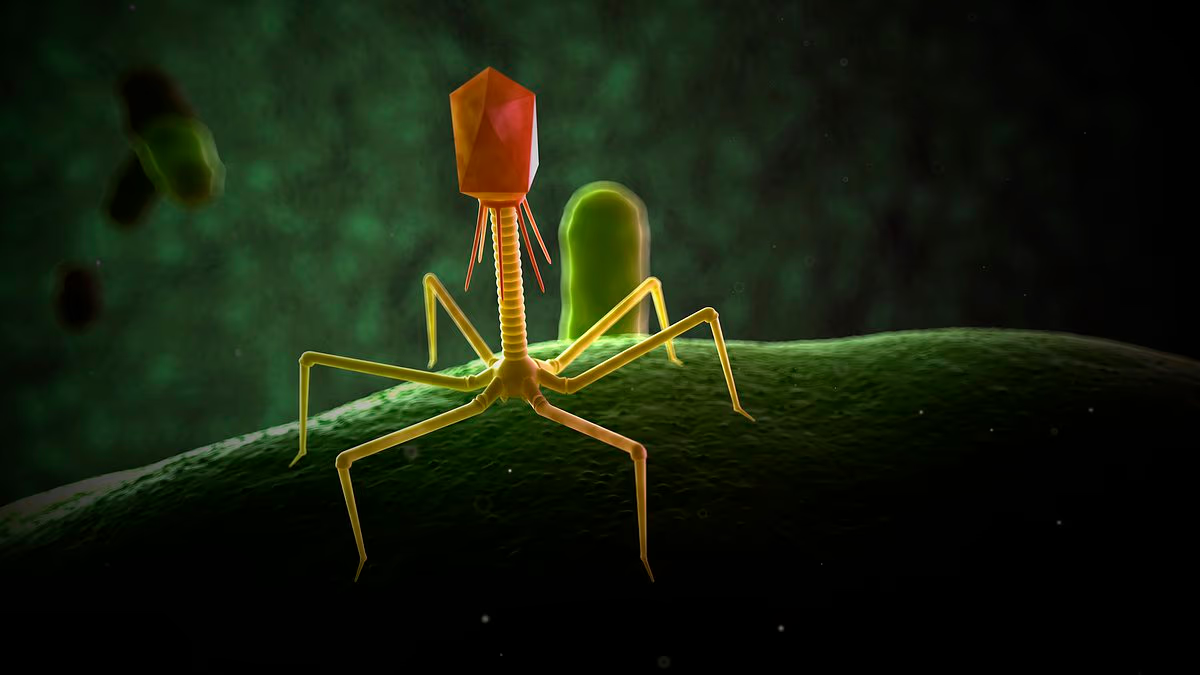
This experiment comes with a couple of anti-doomer caveats. The first is that the process of synthesizing viruses existed long before AI showed up on the scene, so part of this experiment is just an existing tool in the toolkit of viral researchers. The second is that this particular virus is not a threat to humans and can only infect bacteria. That’s by design, as the DNA the AI model was pulling from was a relatively harmless virus known as Phi X-174.