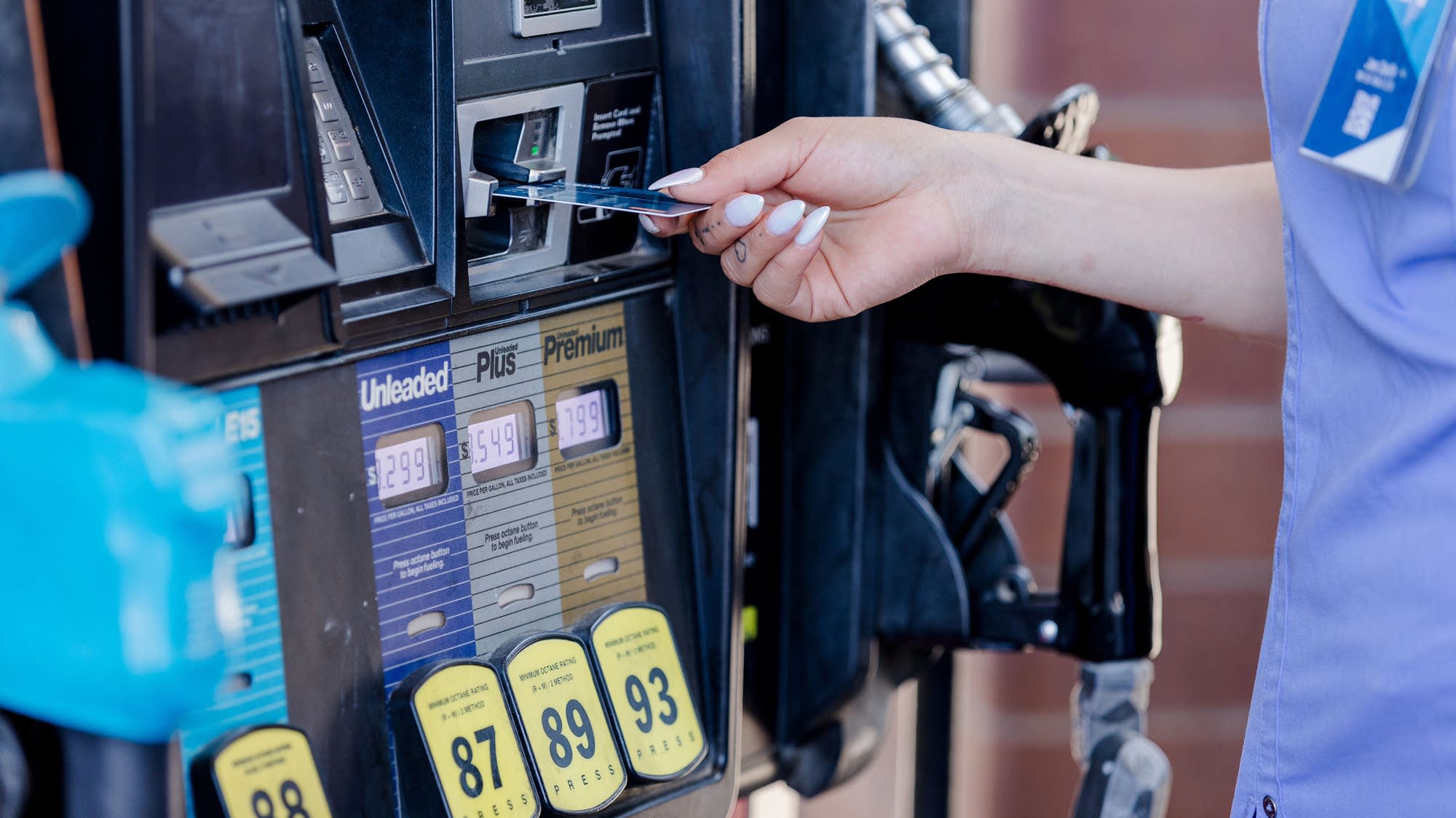
Credit cards are becoming more accessible. The number of credit cards issued went up nearly 12% in the first quarter from the same time a year ago, according to new research out Thursday from the credit bureau TransUnion. One area of growth has been subprime borrowers, or people with less than stellar credit. In years past, lenders were not so keen to give credit cards to people with poor credit histories, according to Michele Raneri, vice president of research and consulting at TransUnion. So, this expansion of credit to them is new. “Now we're seeing that even people who have a 550 credit score, which is pretty low, are getting credit cards,” she said.Raneri said lenders are putting relatively low limits on what those subprime borrowers can spend on their new credit cards — say, around $500. But that’s still useful at a time when prices for everyday things are going up.“The costs are just higher, and so that extension of credit, I think, reflects that they're needing this for their cash flow in order to get through the month,” Raneri said. “Gas is now over $4 a gallon, so the money has to come from somewhere,” said Aaron Klein, a senior fellow in economic studies at the Brookings Institution.He said this need for funds also creates an opportunity for credit card issuers. “They think they can make money. They're charging high interest rates. There are a lot of fees. They think it’s profitable.”The fact that subprime borrowers are turning more to credit cards shows the broader economy isn’t working that well for lower-income people, said Klein. Life is more expensive, and they are not getting paid enough to keep up.
Credit cards are becoming easier to access for subprime borrowers
According to a report from credit bureau TransUnion, the number of credit cards issued increased nearly 12% in the first quarter of 2026 compared to a year before.
281 words~1 min read