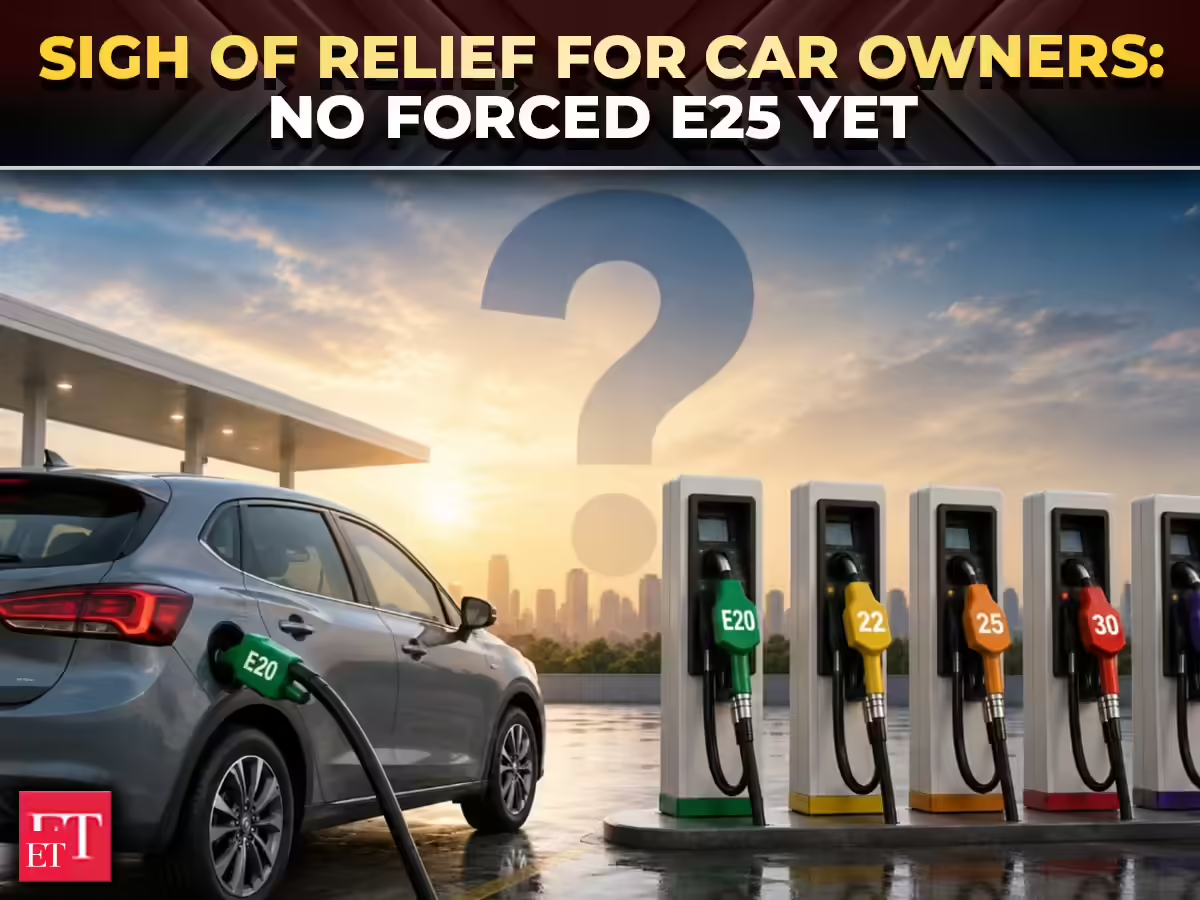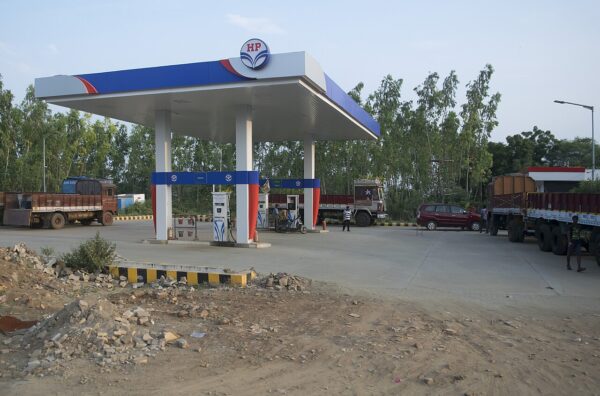
While debates continue to swirl about the safety and efficacy of E20, India putting flex-fuel vehicles (FFVs) on the road and opening retail sales of E85 in June went almost unnoticed. Beyond the din, this development deserves a patient hearing.Blending went up from under 1.5% in 2013-14 to 20% in 2025-26, by-now famously 5 yrs ahead of schedule. Ethanol procurement went from about 38 cr litres in 2013-14 to 1,040 cr litres today. Production capacity grew nearly 5x. That represents a decade-long steady progression, not a hurried experiment.An FFV runs on anything between E20 and E100. That single capability opens a market for ethanol far larger than what blending alone can reach. Blending is capped by what an ordinary engine can tolerate, while a flex engine isn't so constrained.Read more: No policy formulated to incentivize vehicles blended with over 20% ethanol: Heavy Industries MinistryGoI estimates that if even 50% of new 2- and 4-wheeler sales shifted to FFVs, additional ethanol demand would run into 311.8 cr litres, put an extra ₹12,403 cr into farming communities, and cut 66.4 lakh metric tonnes of CO2. Against annual passenger vehicle sales of nearly 37 lakh units, even a partial shift multiplies the programme's impact several times over.E85 has been identified as the single fuel standard for FFVs under BIS specifications. It will commence with an initial rollout of 50-100 ready outlets across Delhi-NCR and Mumbai-Pune-Nagpur corridors. The plan is to scale it up to around 500 outlets by this December and to about 5,000 by end-2027 - infrastructure laid out corridor by corridor, slightly ahead of demand.Read more: Fueling Demand: Inside India’s ethanol mobility revolution in reverseMuch of the recent anxiety has centred on the claim that higher blends such as E25 are being imposed without adequate testing of the possible impact higher ethanol content might have on the engines of vehicles. But the evolving nature of ethanol use in combination with petrol is testimony to the cautious stance of GoI towards mixing increasing amounts of ethanol in gasoline.ET Bureau
Scrutiny isn't suspicion: India accelerates flex-fuel vehicle push as ethanol blending surpasses targets - The Economic Times
India has quietly advanced flex-fuel vehicle adoption and E85 fuel sales. Ethanol blending has significantly increased, exceeding initial targets ahead of schedule. This expansion opens a larger market for ethanol beyond simple fuel blending. Government estimates project substantial economic and environmental benefits from flex-fuel vehicle uptake. Public confidence will grow with independent verification of emission reduction claims.
757 words~3 min read