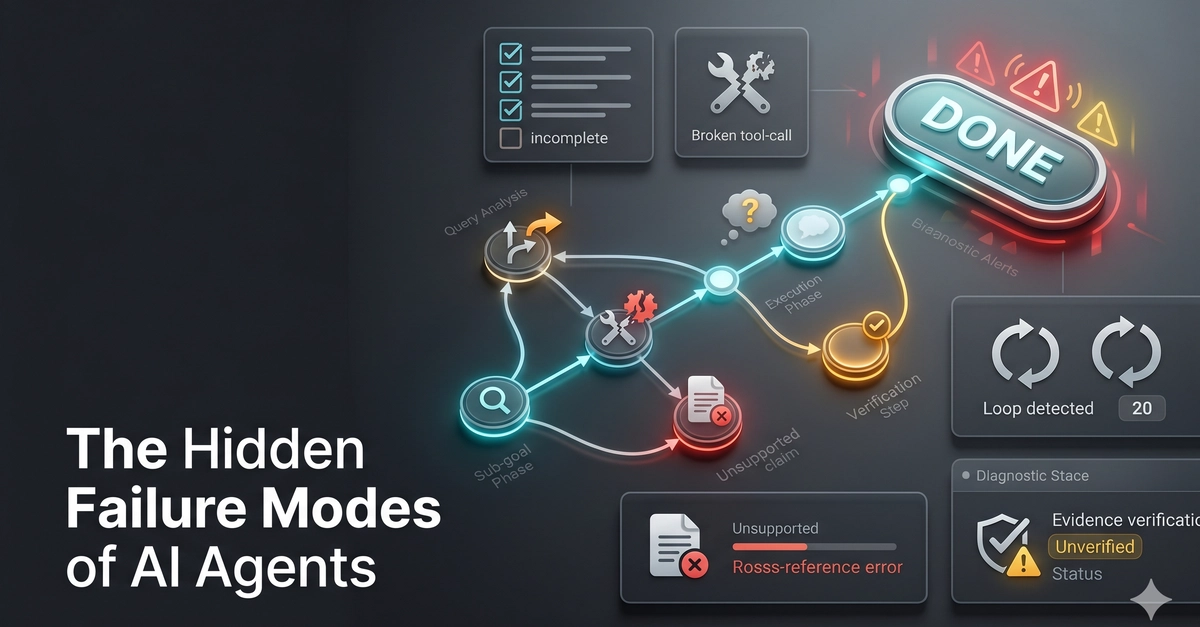
The core reliability challenge in AI systems stems from unnoticed gaps between how well a model performs and what happens in the real world. Silent failures, such as data drift, label skew, or model degradation, can diminish accuracy without immediate alerts; therefore, detecting them is genuinely difficult. These issues frequently emerge because the training data fails to represent the operational environment for which the model was designed, yet their resulting impact often remains subtle, blending into routine operational noise. Because traditional monitoring tools typically focus solely on metrics like accuracy or latency, they often overlook these critical shifts, leaving underlying flaws unaddressed. (The Quiet Failures: How AI Breaks Without Anyone Noticing)
Data quality metrics offer a crucial lens for identifying hidden vulnerabilities. By tracking input data integrity, which includes feature distributions, missing values, or outliers, organizations can uncover patterns that signal model instability. For example, a gradual shift in feature correlations might indicate a growing disconnect between the training data and live inputs; however, this change won’t necessarily trigger conventional alert thresholds. Monitoring these metrics requires an approach integrating statistical analysis with deep domain-specific knowledge. (The Quiet Failures: When AI Acts Without Proof)