AI automation failures are often difficult to spot because a model can return an answer that looks plausible, arrives in the expected format, and moves through downstream systems without an obvious technical error. n8n’s newly published guidance argues that these hallucination-driven failures cannot be solved reliably through better prompts alone. Instead, production workflows need an architecture designed to make inaccurate AI outputs easier to prevent, detect, and contain.
In its official guide to AI hallucinations and pipeline accuracy, n8n describes hallucinations as incorrect model outputs that may be delivered with confidence. The practical risk is not only a bad response in a chat interface. In an automated workflow, an unsupported classification, extraction, summary, or decision can appear valid to later steps and be acted upon before anyone notices.
That distinction matters for teams using AI in operational processes. A pipeline can be technically healthy while its output is semantically wrong. Successful execution, an HTTP 200 response, or valid JSON do not establish that the underlying model conclusion is accurate.
A layered architecture for more reliable AI workflows
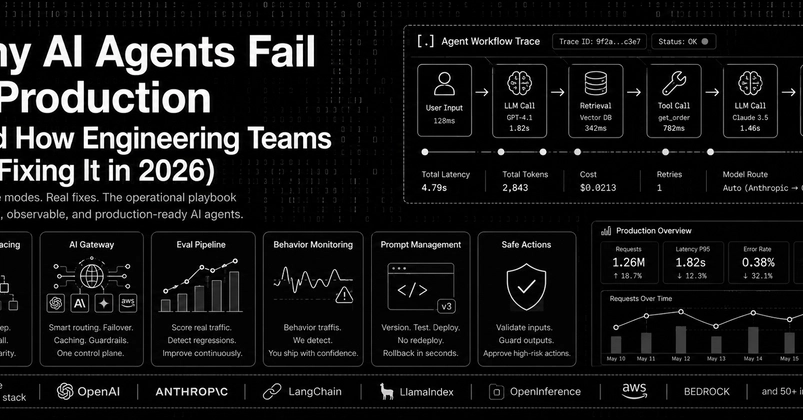
n8n frames accuracy as a set of complementary controls rather than a single safeguard. Its proposed design spans five layers, beginning with the information supplied to the model and extending to ongoing testing after a workflow is deployed.