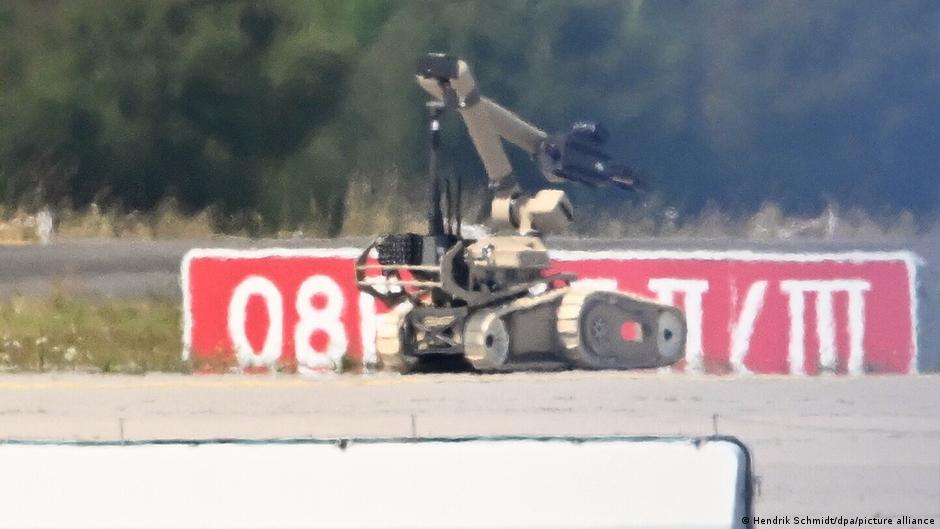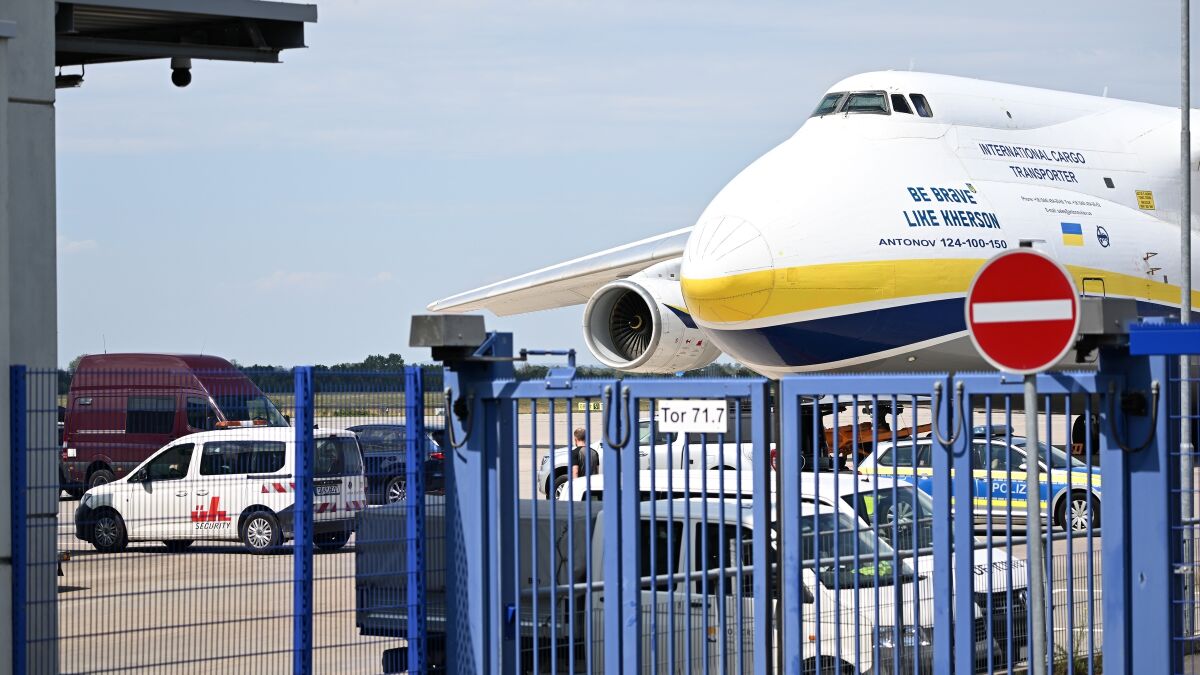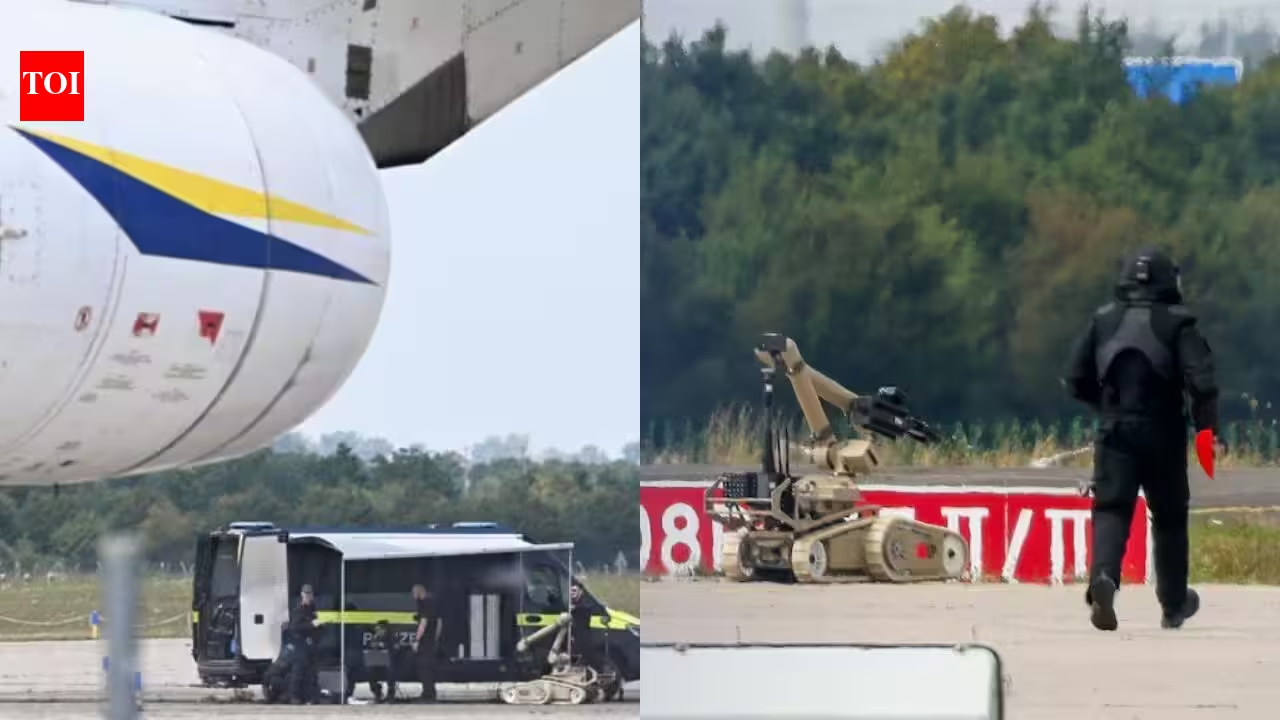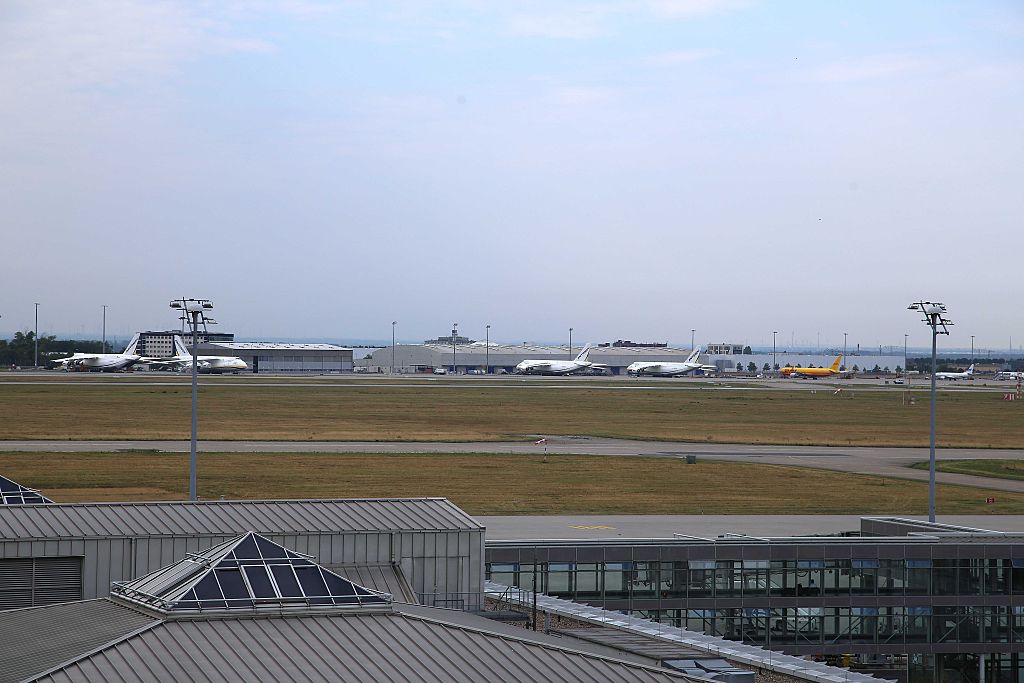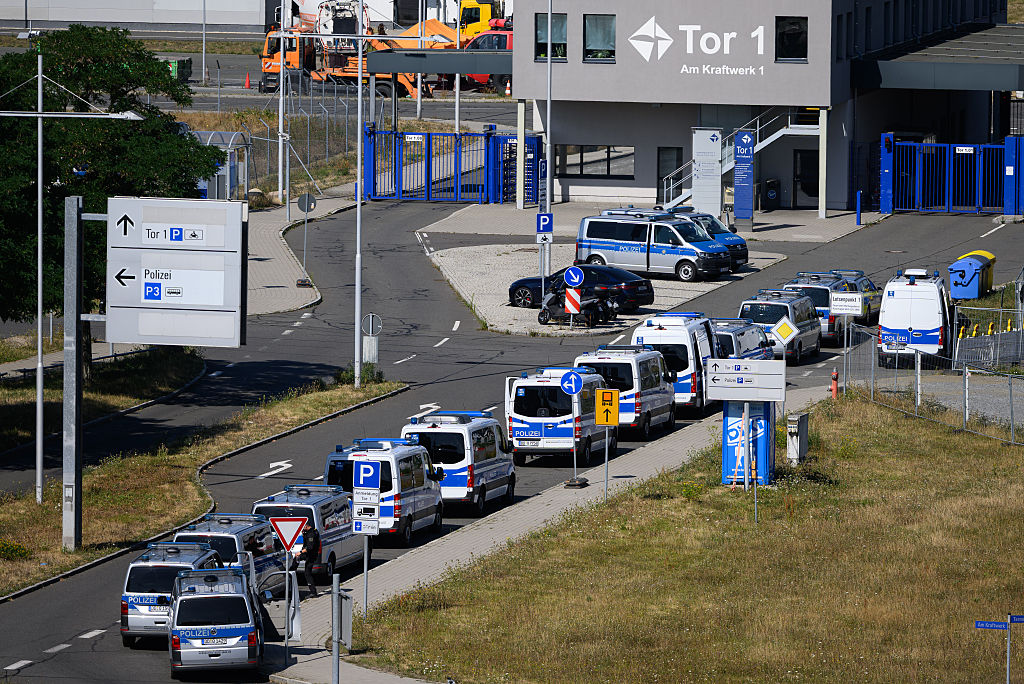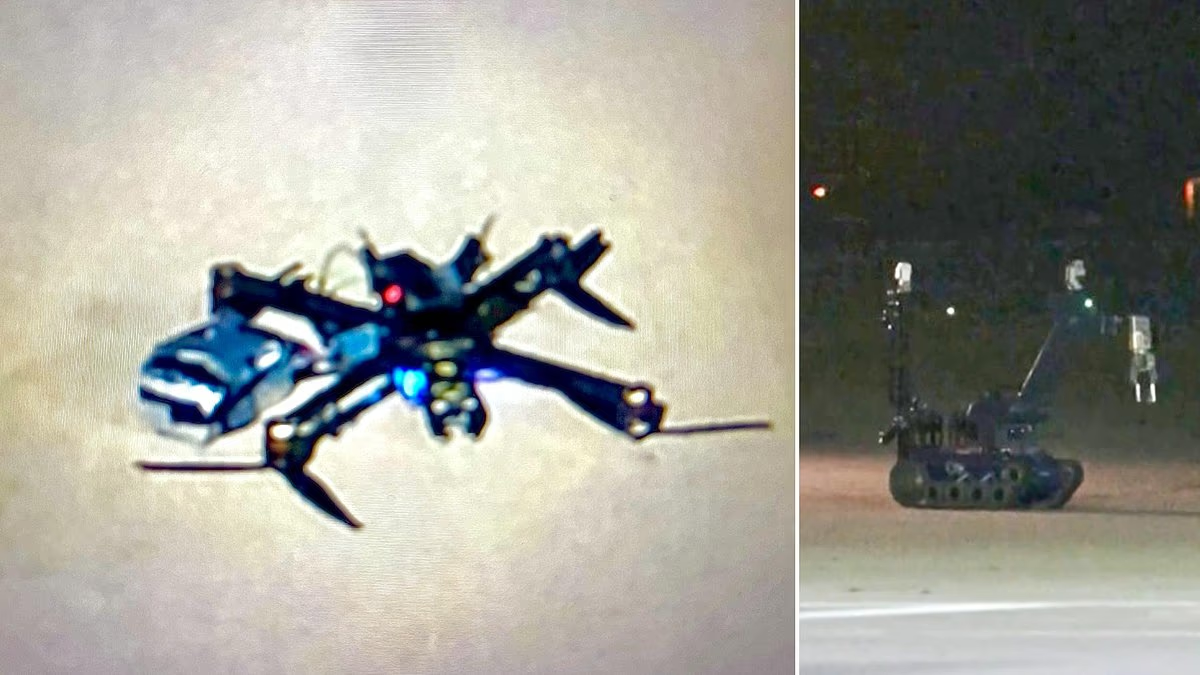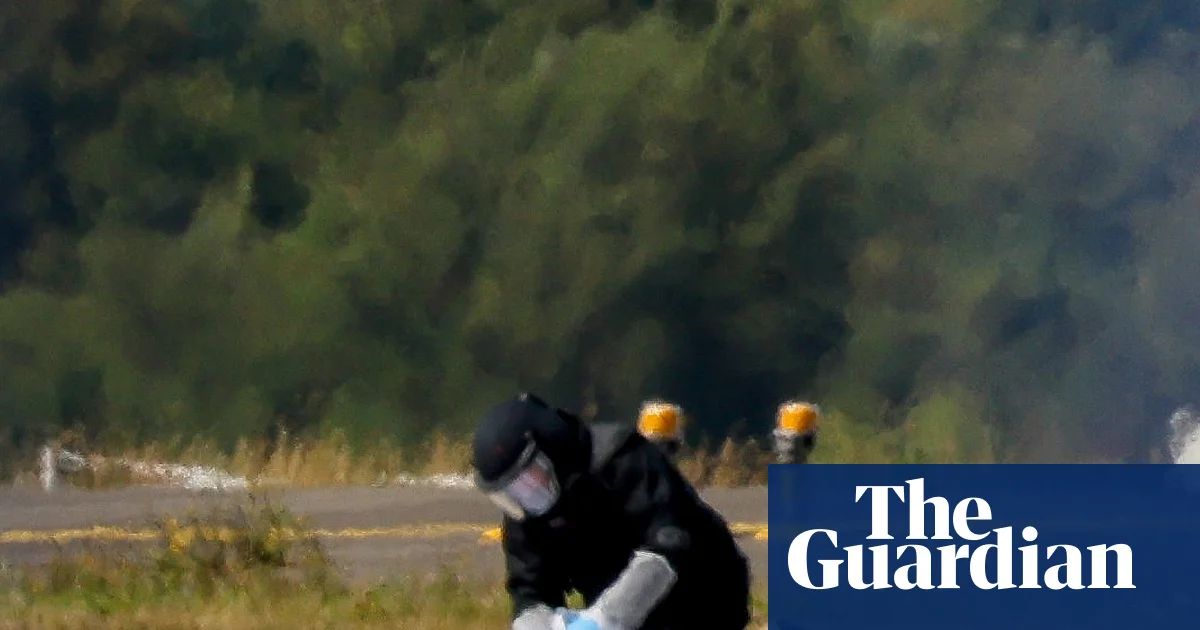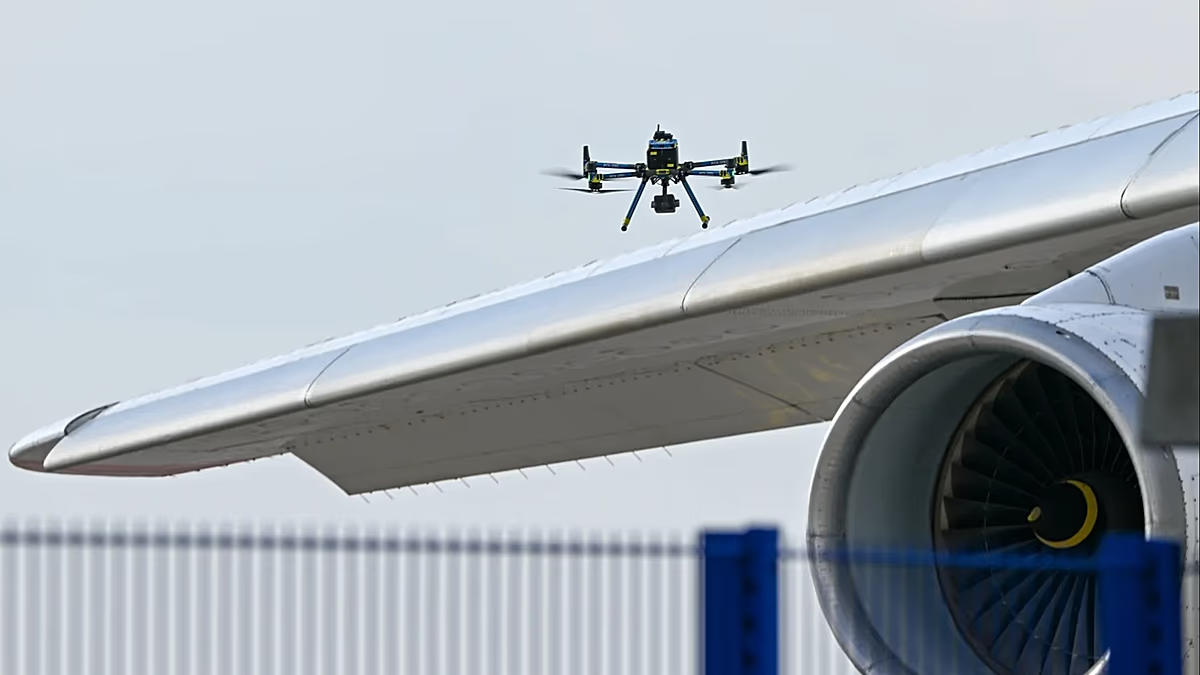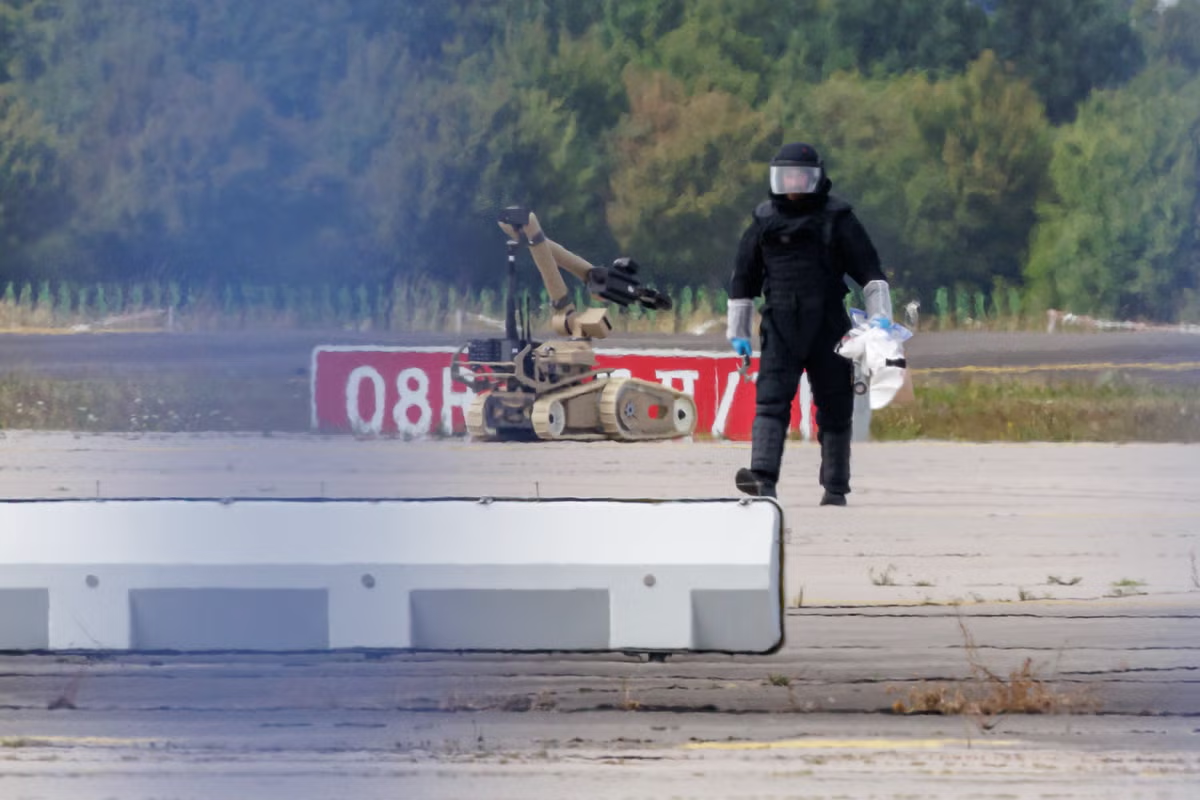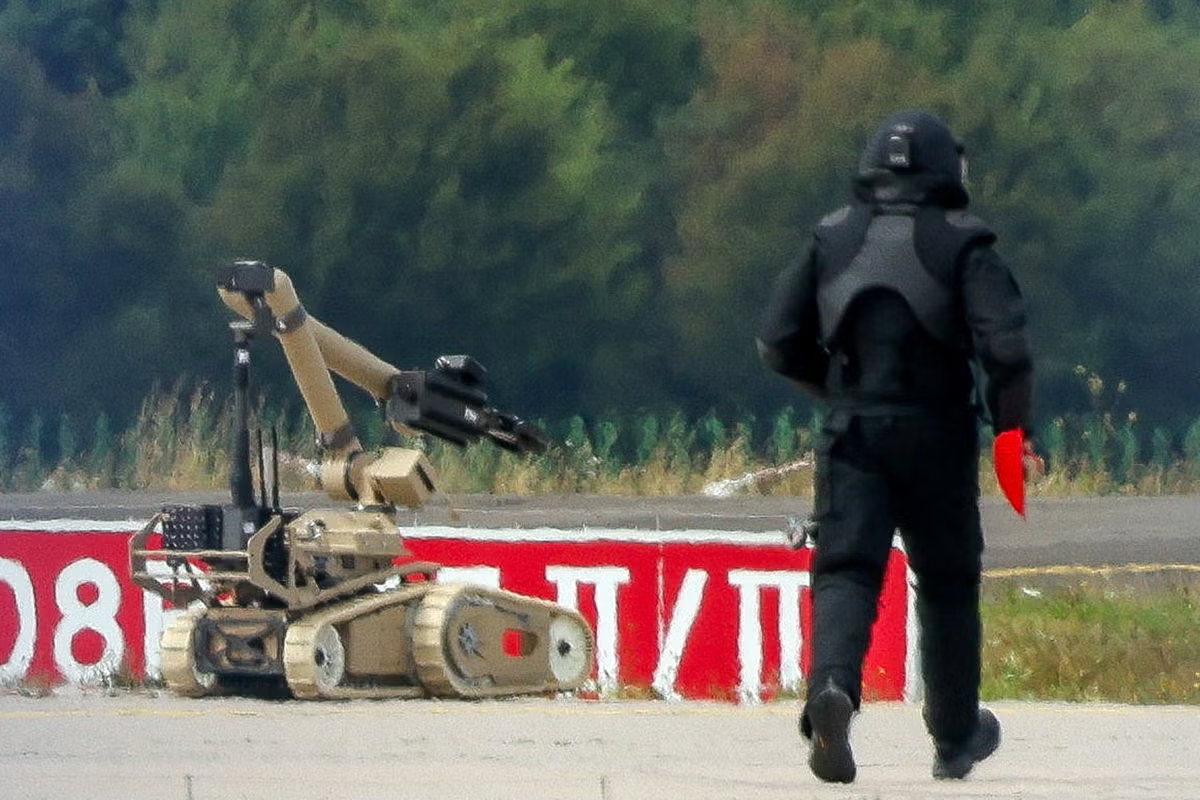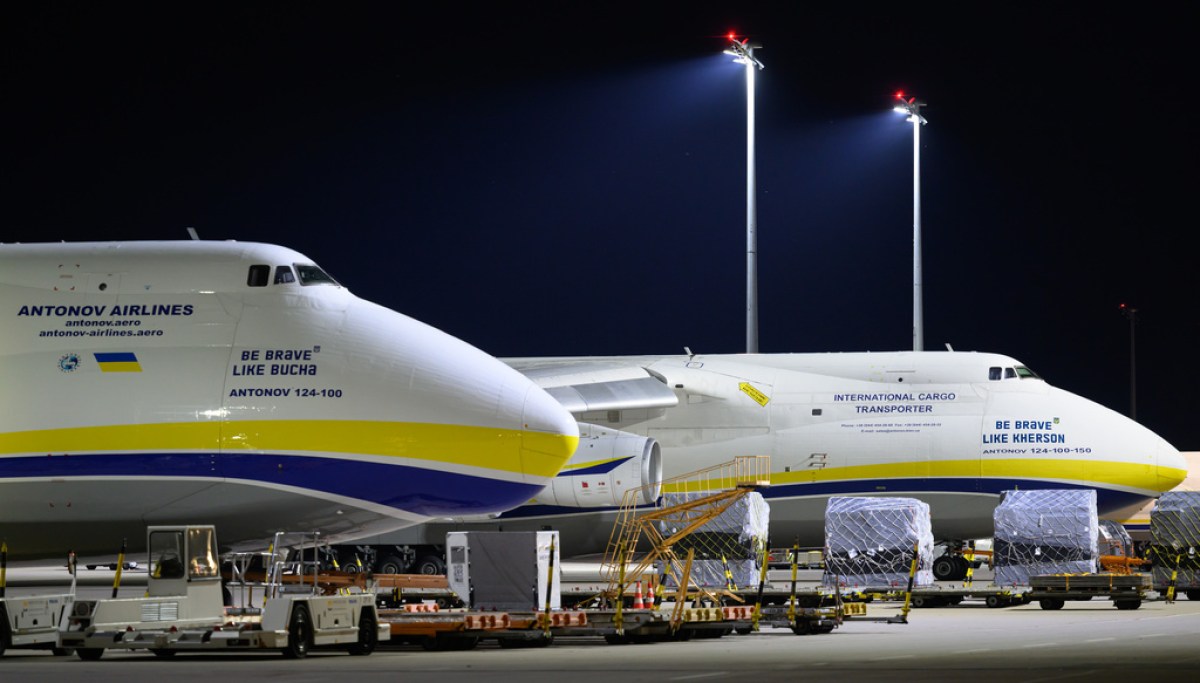
On Tuesday, workers at Germany’s Leipzig/Halle airport discovered a drone in a cordoned cargo zone near a runway. The drone carried a detonator and military-grade Semtex explosives, and it had landed beside a Ukrainian cargo aircraft. Around the same time, a second flying object apparently struck a diverted DHL cargo plane, which landed in Hanover with minor damage. The freight hub suspended operations, flights were directed to other cities, and Germany opened a counterterrorism investigation. Interior Minister Alexander Dobrindt described a hybrid attack scenario, while leaving questions of origin and authorship to investigators.German prosecutors have yet to name a suspect, and it will take time for them to do so. Still, the incident matches, in method and in target selection, a campaign of sabotage across Europe that Western security services have repeatedly traced back to the Russian intelligence services. It’s a campaign with a long history. GRU military intelligence operatives blew up ammunition depots at Vrbetice in the Czech Republic in 2014, destroying stocks bound for Ukraine and killing two workers. The same unit has been linked to a series of explosions at Bulgarian arms depots and to the 2015 poisoning of arms dealer Emilian Gebrev, followed by the 2018 nerve agent attack on Sergei Skripal in the United Kingdom.
German airport attack reeks of Russian intelligence
A suspected Russian drone attack on Germany's Leipzig airport underlines Russia's growing asymmetric threat to Europe.
633 words~3 min read