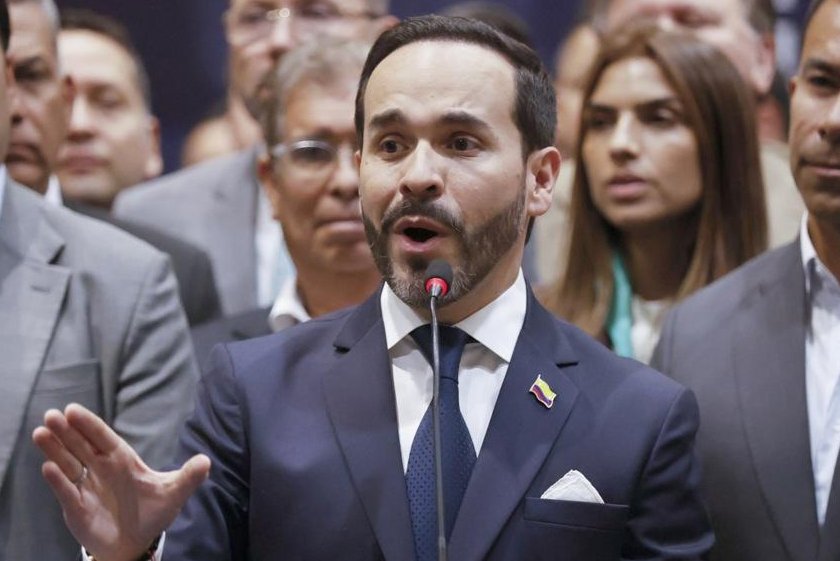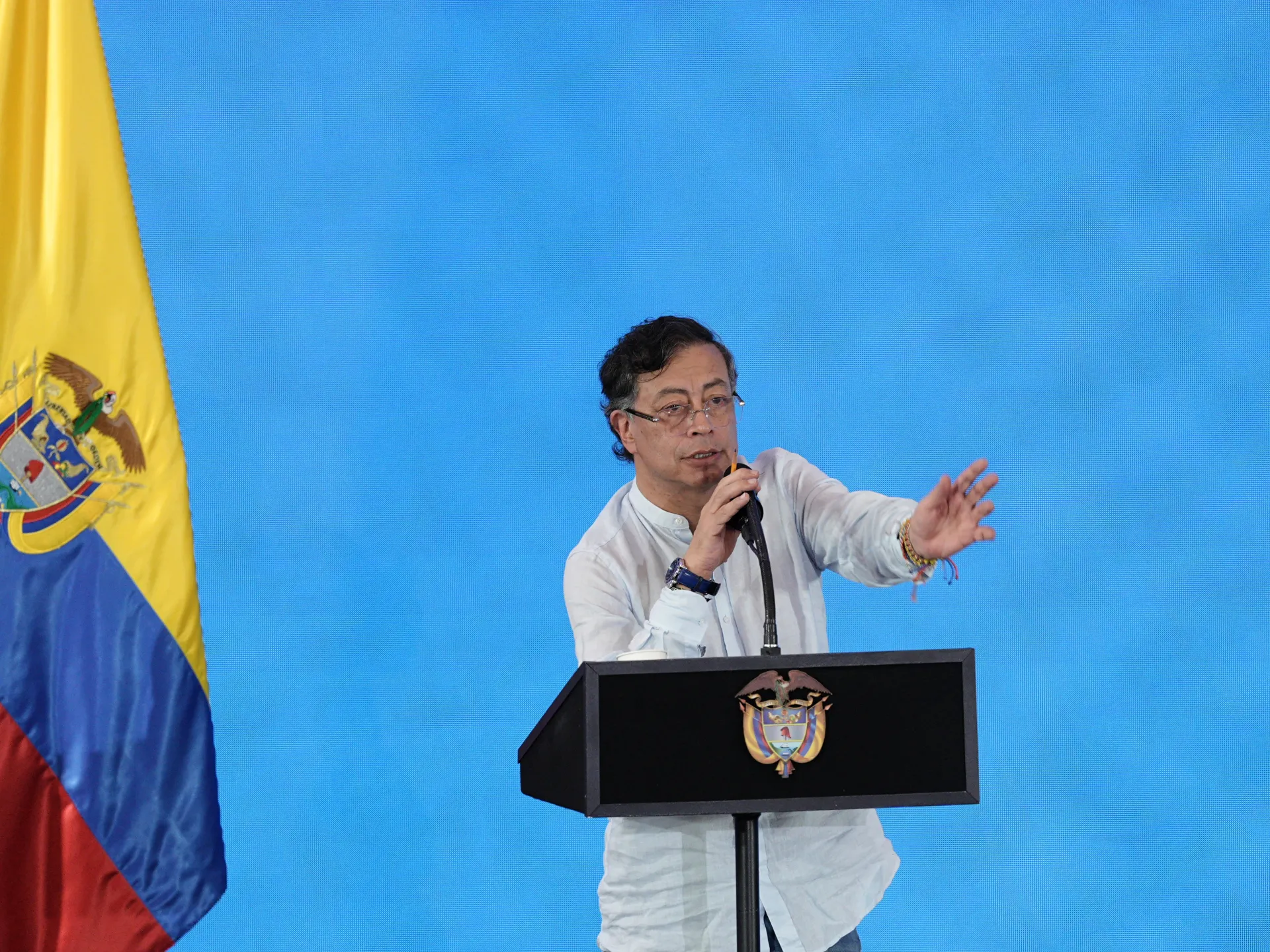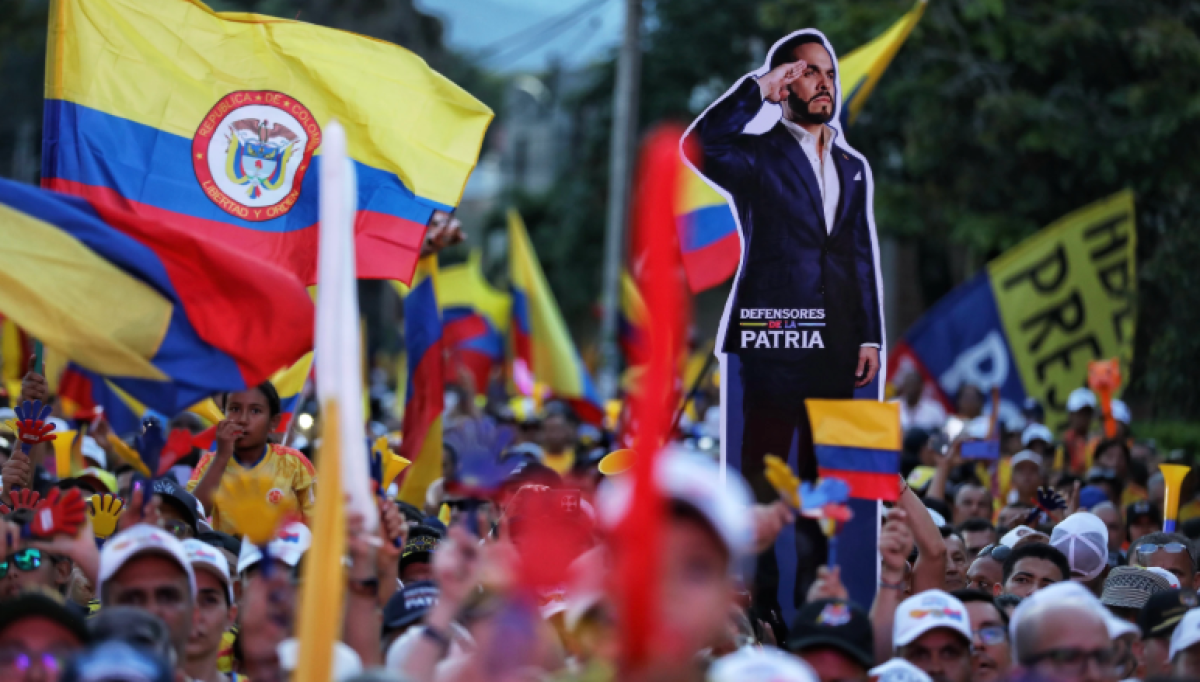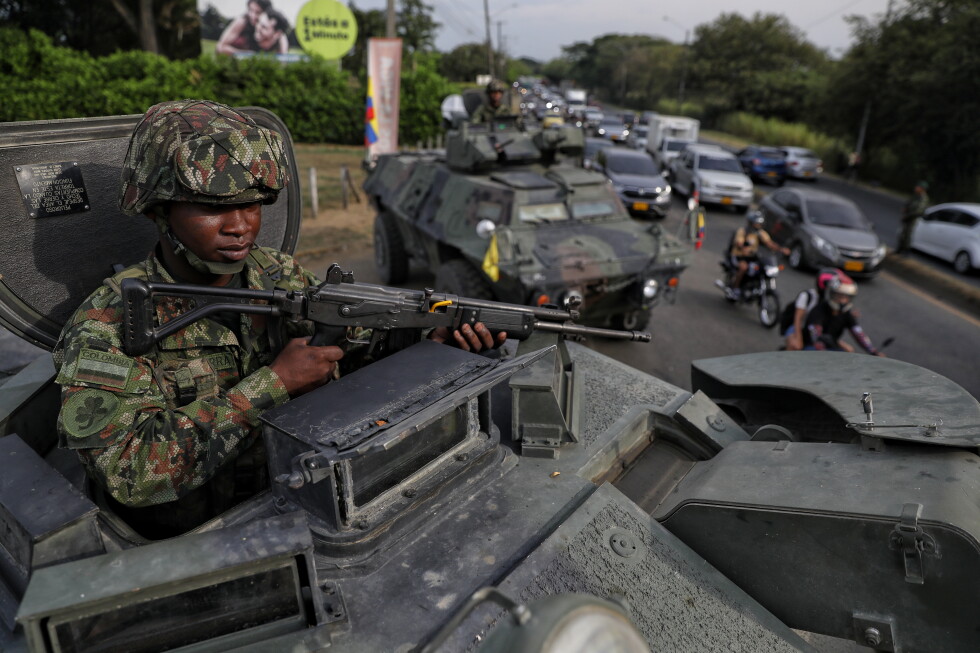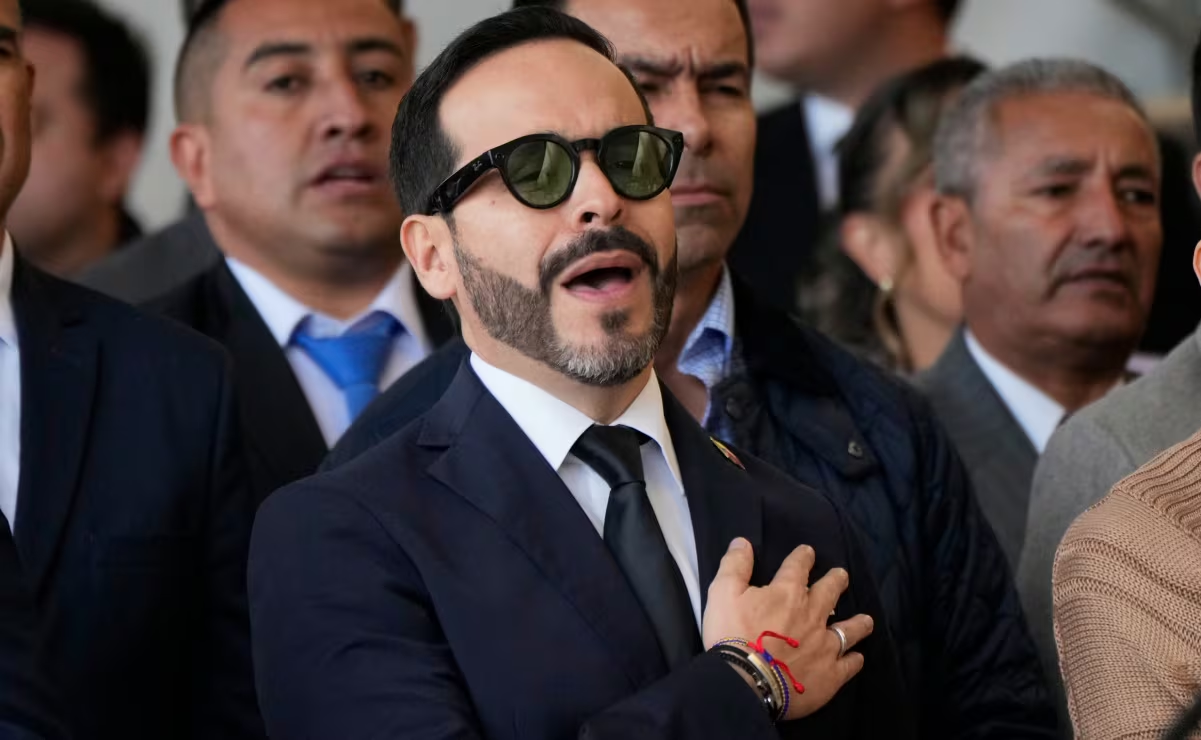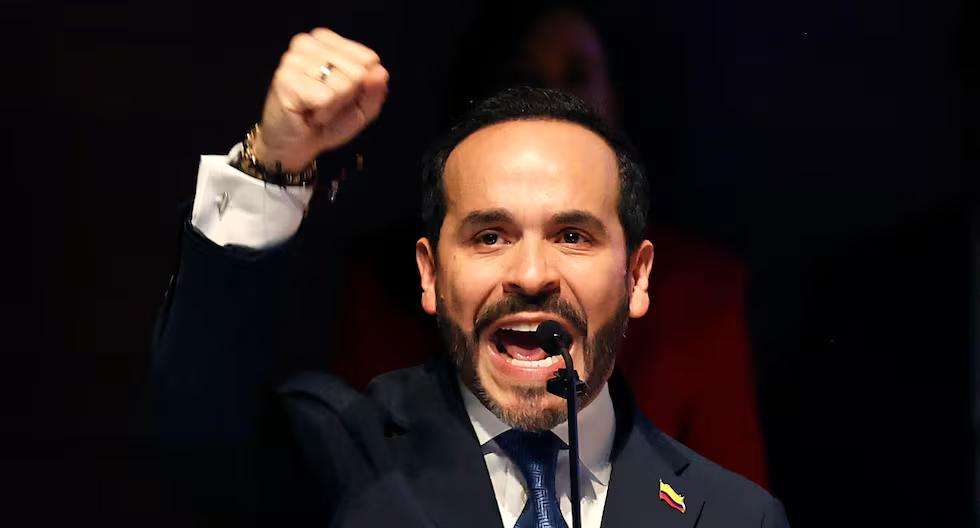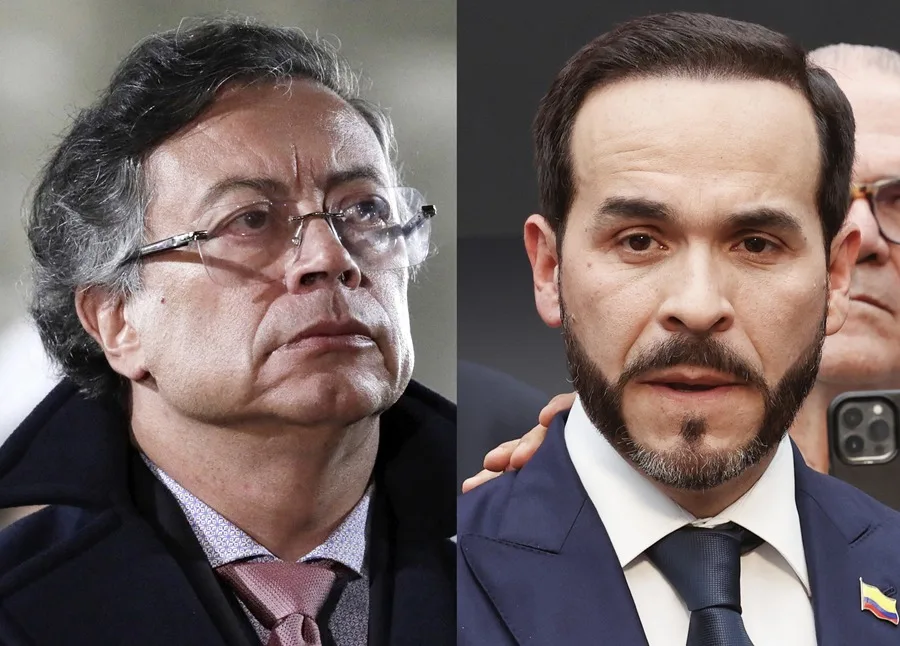
Conservative outsider Abelardo de la Espriella is about to be sworn in as Colombia’s new president. Gustavo Petro, the soon to be former leftist president, began his own term hoping to bring peace to the country by negotiating with a wide array of criminal and ideological armed groups under his “total peace” strategy. That approach failed. In contrast, de la Espriella has promised peace and security through a vigorous campaign of law and order, including constructing megaprisons similar to those in El Salvador.
Big swings in the approach to conflict are nothing new for Colombia, which faces multiple challenges from groups such as the Ejercito de Liberación Nacional, a longtime ideological guerrilla group that has never signed a peace accord, and the Clan del Golfo, a major cartel. The country has shown deep ambivalence between social justice and law and order approaches before. Following years of then-President Álvaro Uribe’s hard-line approach, the Colombian government painstakingly negotiated a Peace Accord with the Revolutionary Armed Forces of Colombia (FARC), then the country’s main Marxist-Leninist insurgent group, which was then initially rejected by voters by a small margin in 2016 before being approved by the Colombian Congress.