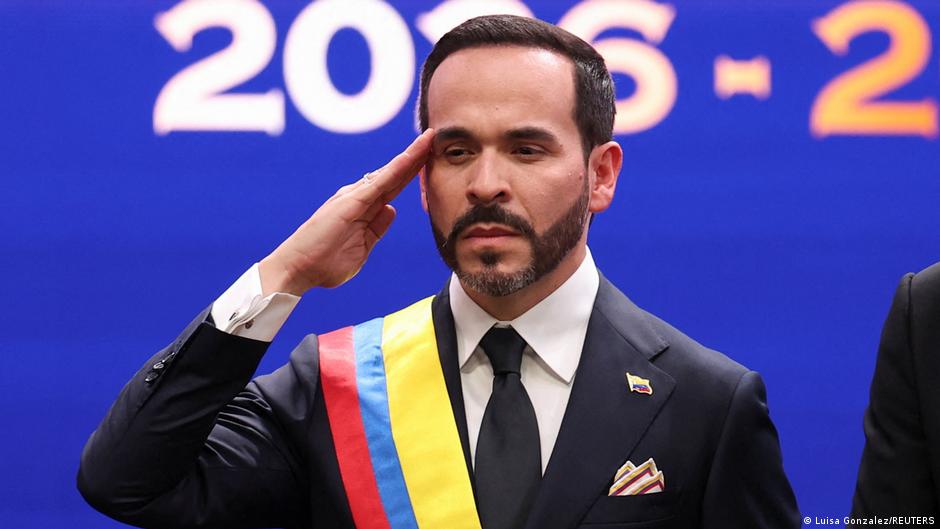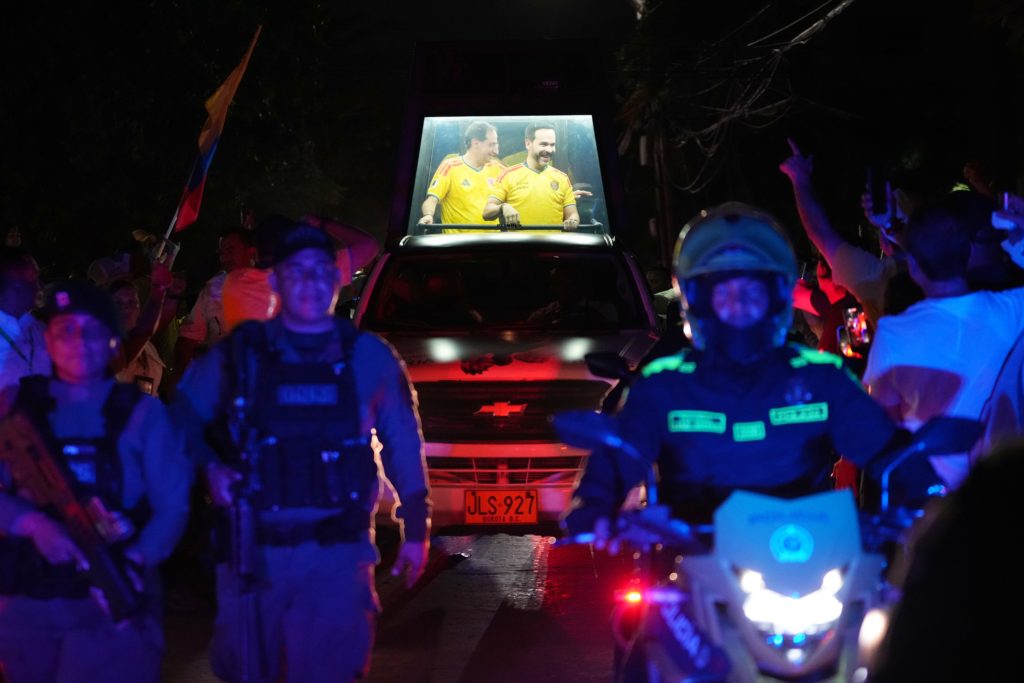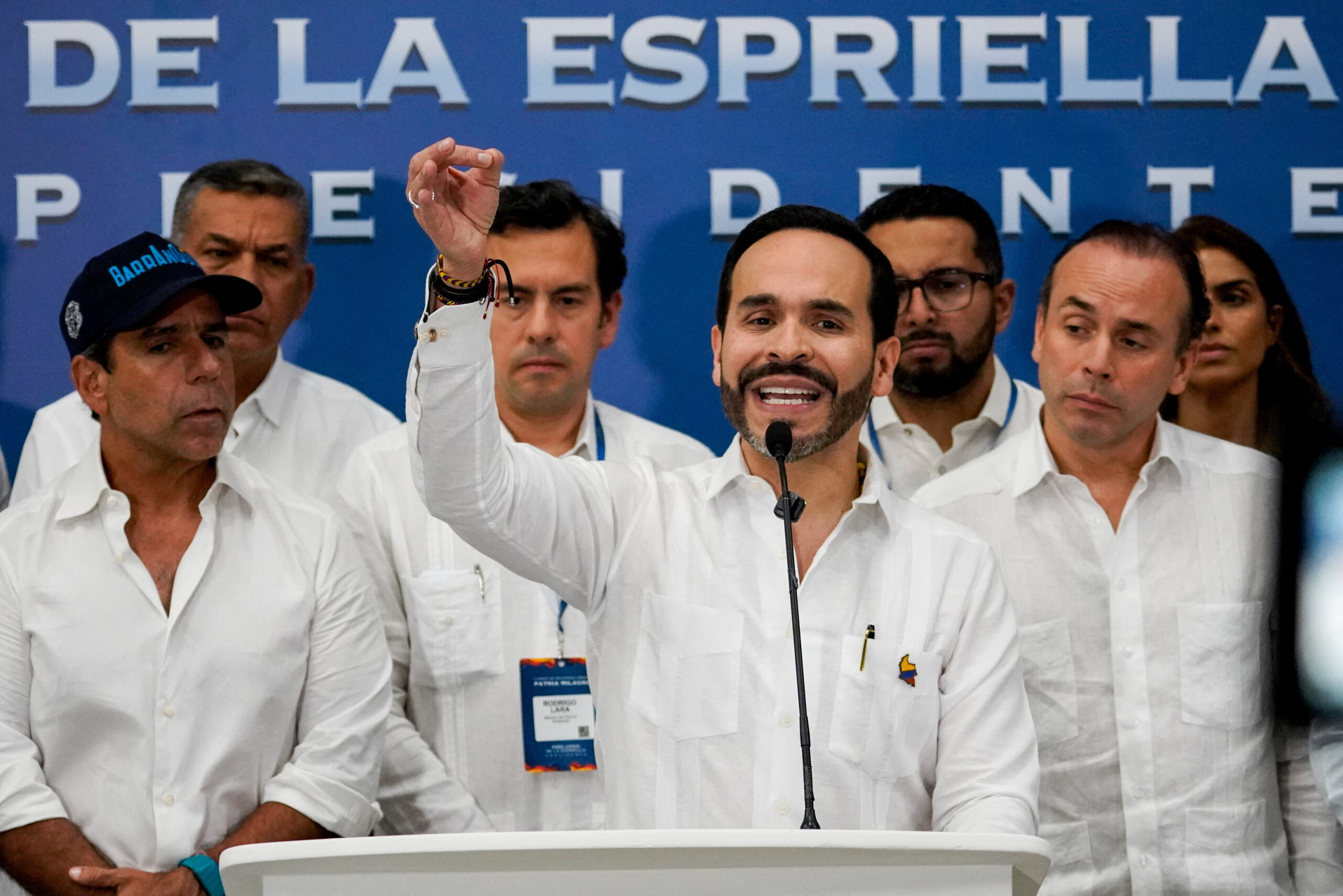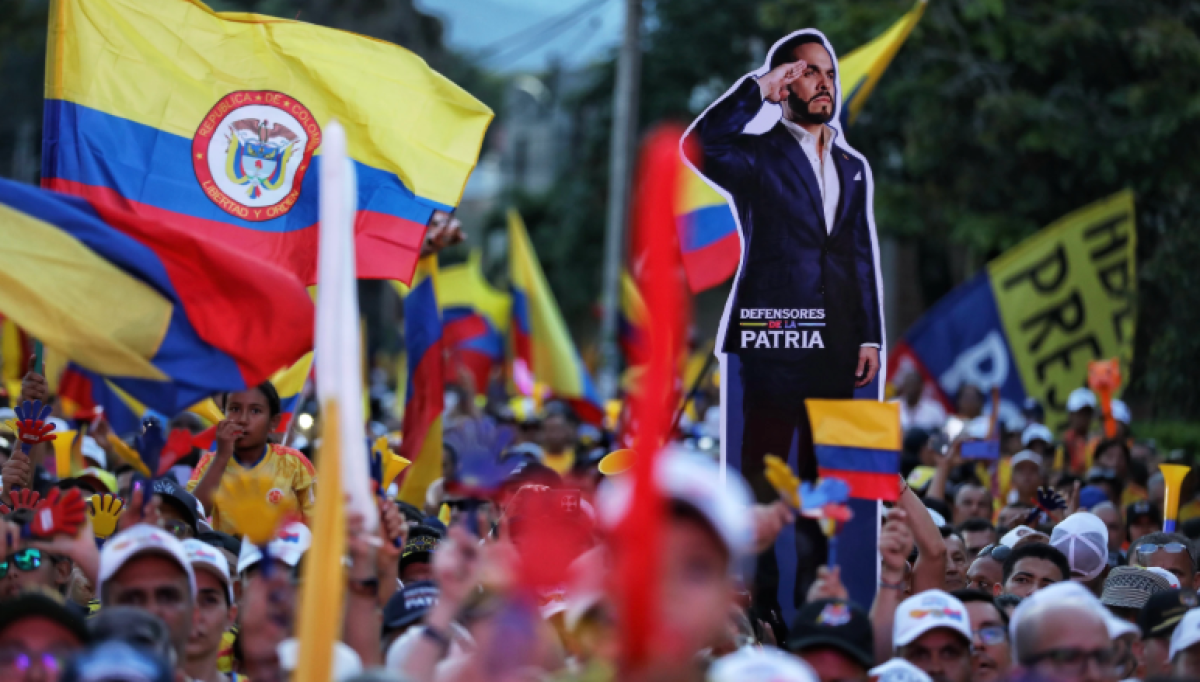
Conservative outsider Abelardo De La Espriella recently prevailed in the second round of Colombia’s presidential election. De La Espriella campaigned on confronting narco-terrorist groups, reviving the economy, and curbing corruption and runaway government spending. His narrow victory over Ivan Cepeda, Colombian President Gustavo Petro’s ideological ally and preferred successor, hands Washington a rare chance to revitalize one of its most important partnerships in the Western Hemisphere.The U.S.-Colombia partnership has atrophied under Petro. The country is South America’s third-largest economy and one of the few on the continent that still counts America, not China, as its largest trading partner. Yet amid slowing growth, Petro has actively sought closer ties with Beijing, joining the Belt and Road Initiative in 2025. Colombian security forces are some of the most capable in the hemisphere after significant U.S. investments in training and security assistance under Plan Colombia. But under Petro, security has worsened significantly.Since the 2016 peace accord with the Fuerzas Armadas Revolucionarias de Colombia, successive Colombian governments have failed to bring state control to every corner of the country and fill the vacuum left by the demobilization of the FARC and paramilitary groups. FARC dissidents, the Ejército de Liberación Nacional, the Clan del Golfo, and other armed groups have stepped into that gap. Petro’s Total Peace policy, which attempted to negotiate peace accords with each of the armed groups at once and abandoned coca eradication, supercharged their rise.
Colombia elections present major opportunity for the US
When Abelardo De La Espriella takes office, he will lead a deeply polarized country with a narrow mandate. The U.S. should help him succeed.
764 words~3 min read