Listen
/
1.0x
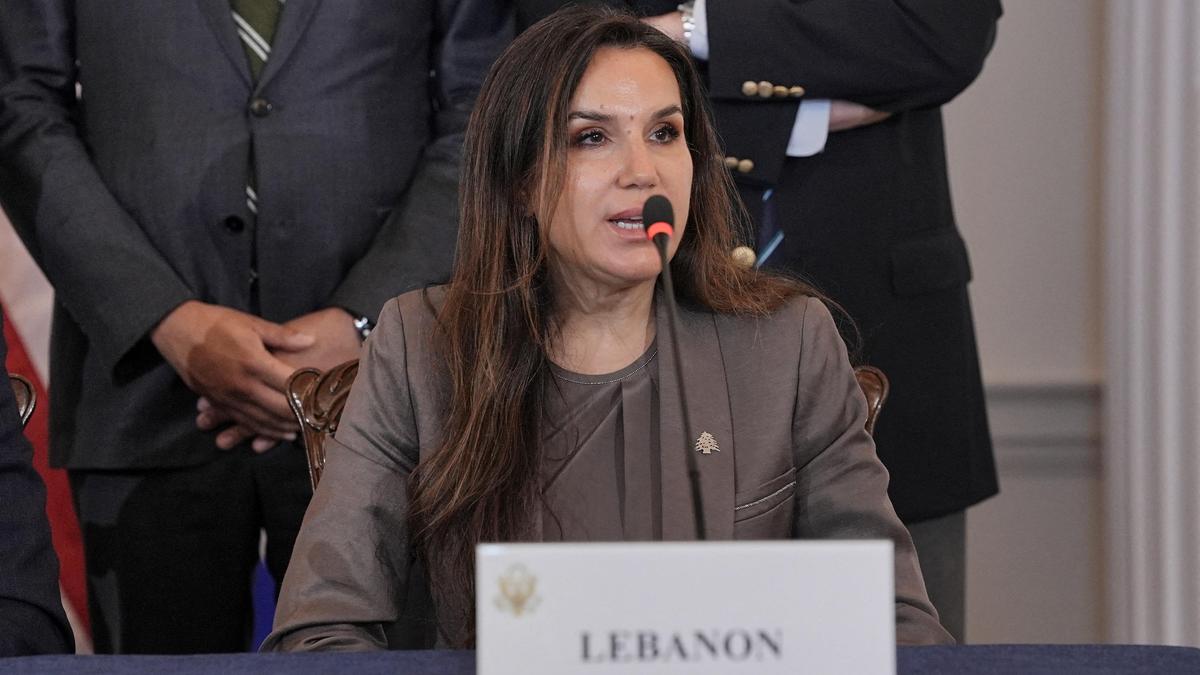
The Washington framework agreement is discussed as a product of executive consensus. President Aoun signed. Prime Minister Salam endorsed. The cabinet approved. The institutional surface presents a unified Lebanese state negotiating with Israel under American sponsorship. The institutional reality is different. The framework was negotiated without the prime minister. Salam was not in Washington. He was not in Rome. The Minister of Foreign Affairs was not present at either venue. The Lebanese civilian government was excluded from the negotiations entirely. Salam’s later endorsement was not consent. It was capitulation to a fait accompli.
Understanding this requires understanding the structural position of the Lebanese prime minister within the confessional system. The presidency, reserved for a Maronite Christian, commands the armed forces. The speaker of parliament, reserved for a Shia Muslim, controls the legislative agenda. The prime minister, reserved for a Sunni Muslim, occupies the space between them: he leads the cabinet, manages international relationships, and provides the state with its diplomatic credibility. His authority depends on the cooperation of the president, the acquiescence of the speaker, and the compliance of the sectarian blocs whose ministers sit in his cabinet.