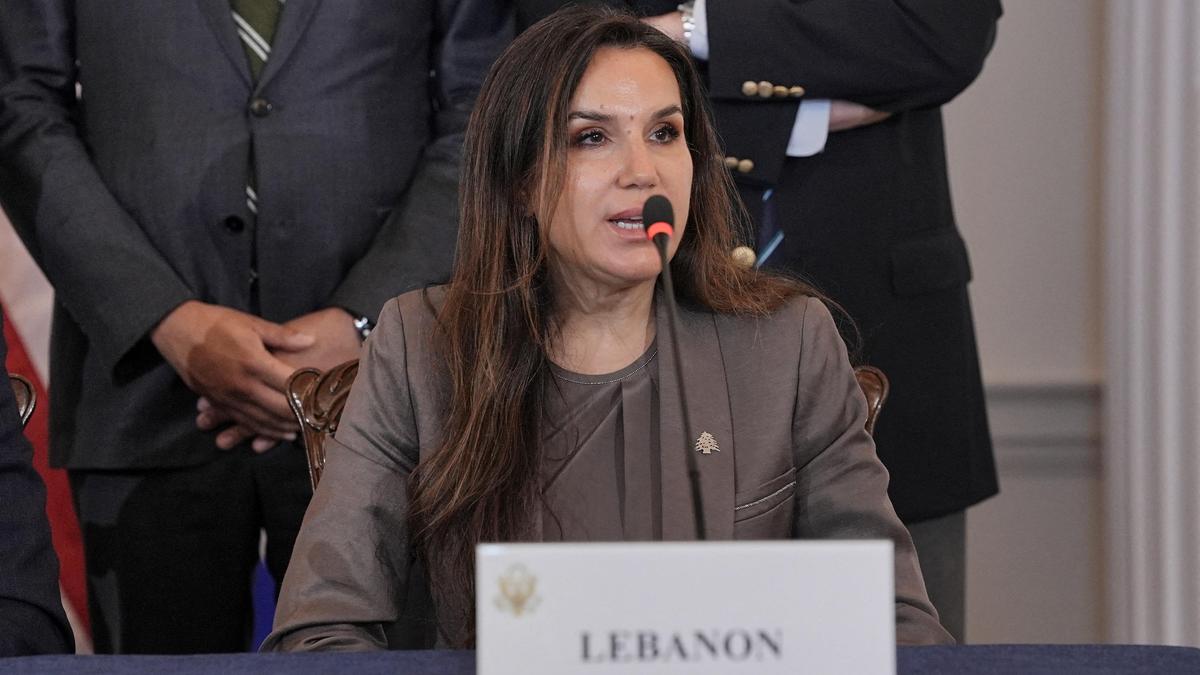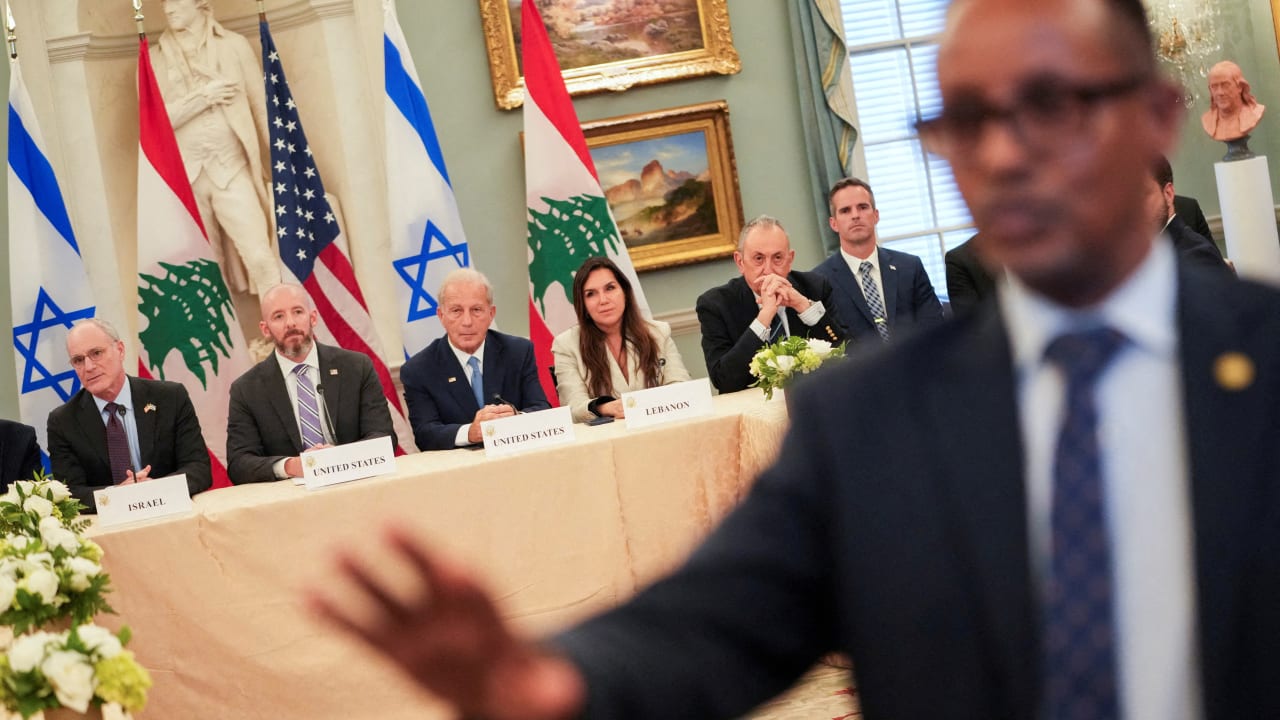
On June 26, the fifth round of U.S.-mediated negotiations between Lebanon and Israel concluded with a new framework agreement. U.S. Secretary of State Marco Rubio and his team appear to be the primary architects, having likely pressured the parties into acceptance. Designed similarly to the U.S.-Iran Memorandum of Understanding (MoU), this 14-point document reveals a major strategic objective for Washington: to decouple the U.S.-Iran diplomatic track from the Lebanese crisis, thereby creating an alternative diplomatic path in the region.
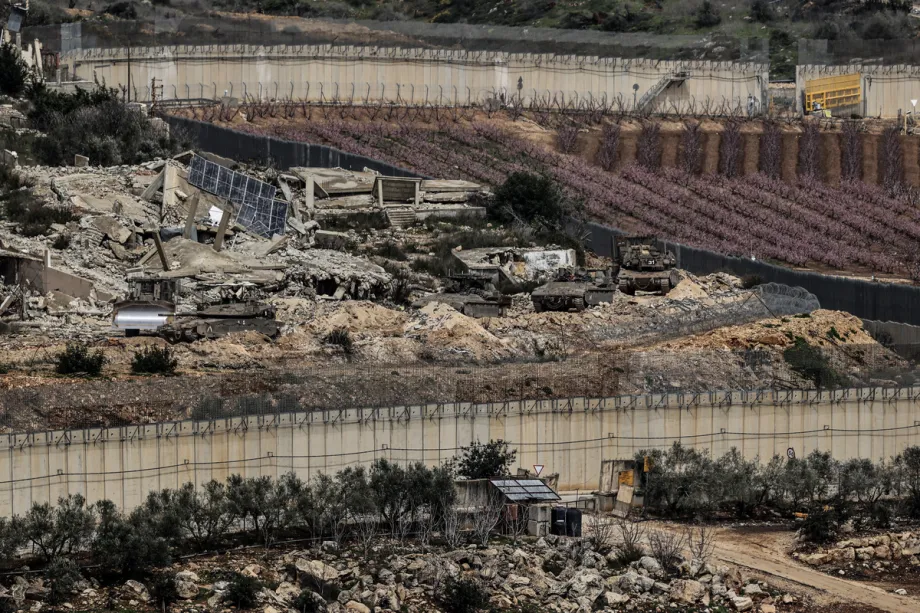
While officially trilateral, positioning the United States as the sole mediator, facilitator and ultimate verifier, the agreement establishes a bilateral framework of reciprocal responsibilities between Lebanon and Israel. The core objective is to ensure the right of both states to exist peacefully as sovereign neighbors. This is envisioned as a phased process: Lebanon will extend state authority across its territory by disarming non-state armed groups and dismantling their infrastructure, while Israel will gradually redeploy from Lebanese territory, affirming a structural link between the security of southern Lebanon and northern Israel.
Crucially, however, there is no direct U.S. role in executing this phased process. Responsibility falls directly on the Lebanese Armed Forces (LAF). This highlights an obvious flaw: The agreement’s reciprocity is profoundly asymmetrical. Israel’s commitment is neither guaranteed nor assured. Lebanon must first deliver on disarmament before Israel decides how to respond. This explains why the document lacks geographical timelines, opting instead for pilot zones. Even Beirut’s request to declare immediate pilot zones along the southern border to facilitate the return of displaced populations was ignored.