Listen
/
1.0x
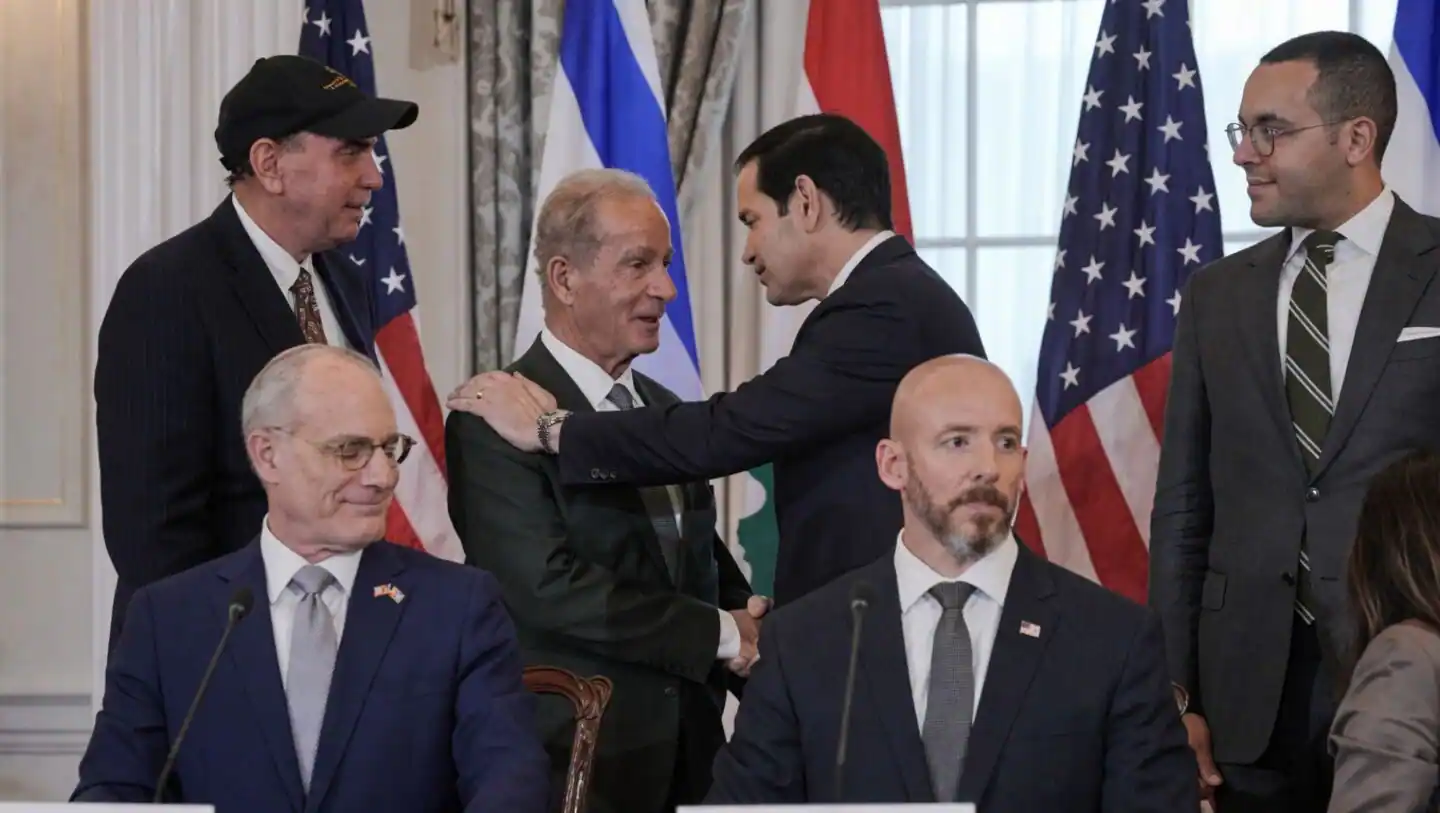
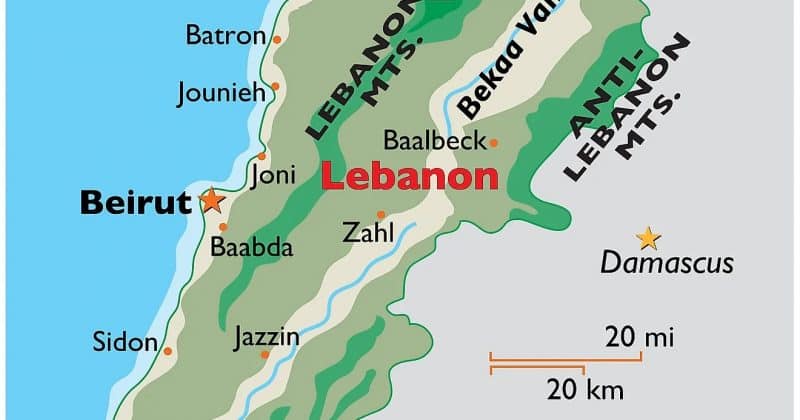
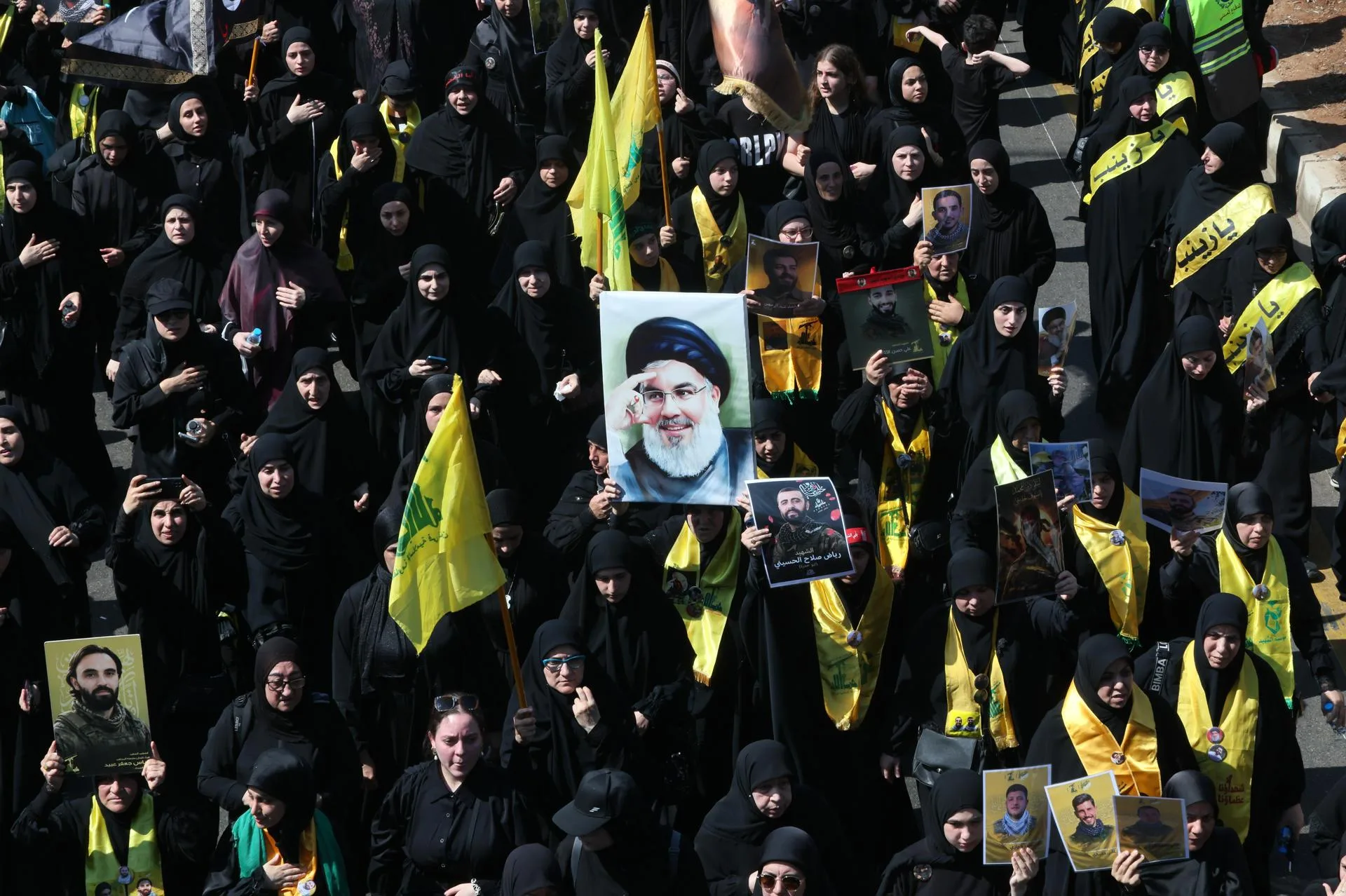
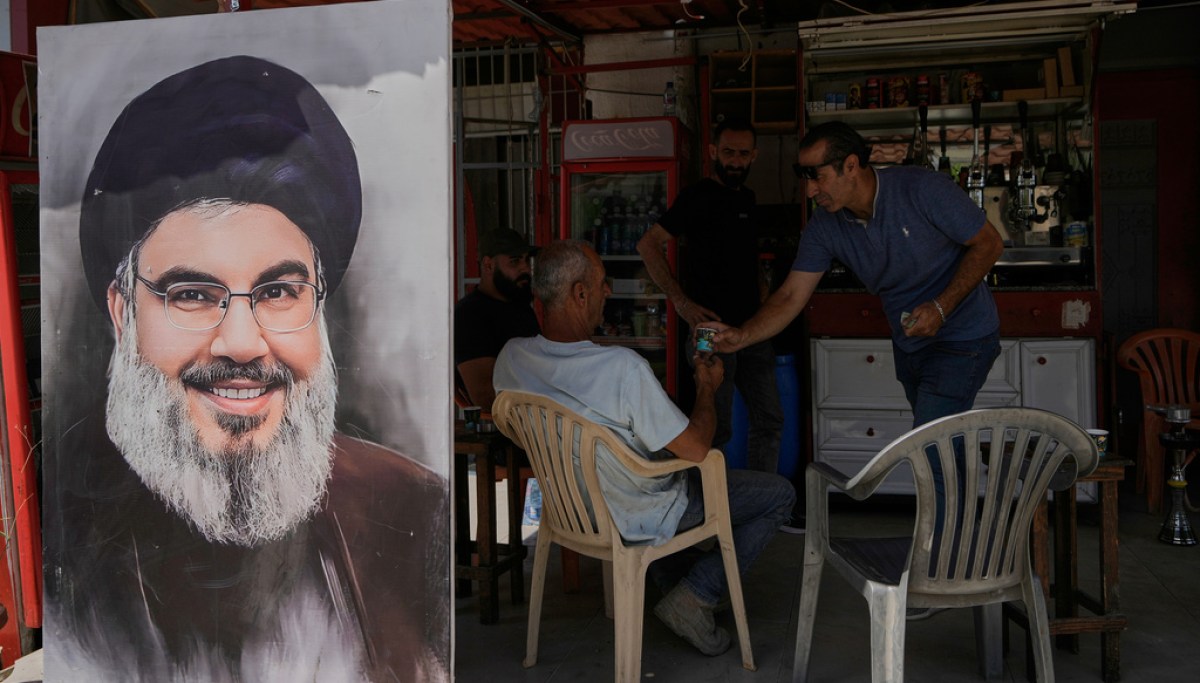
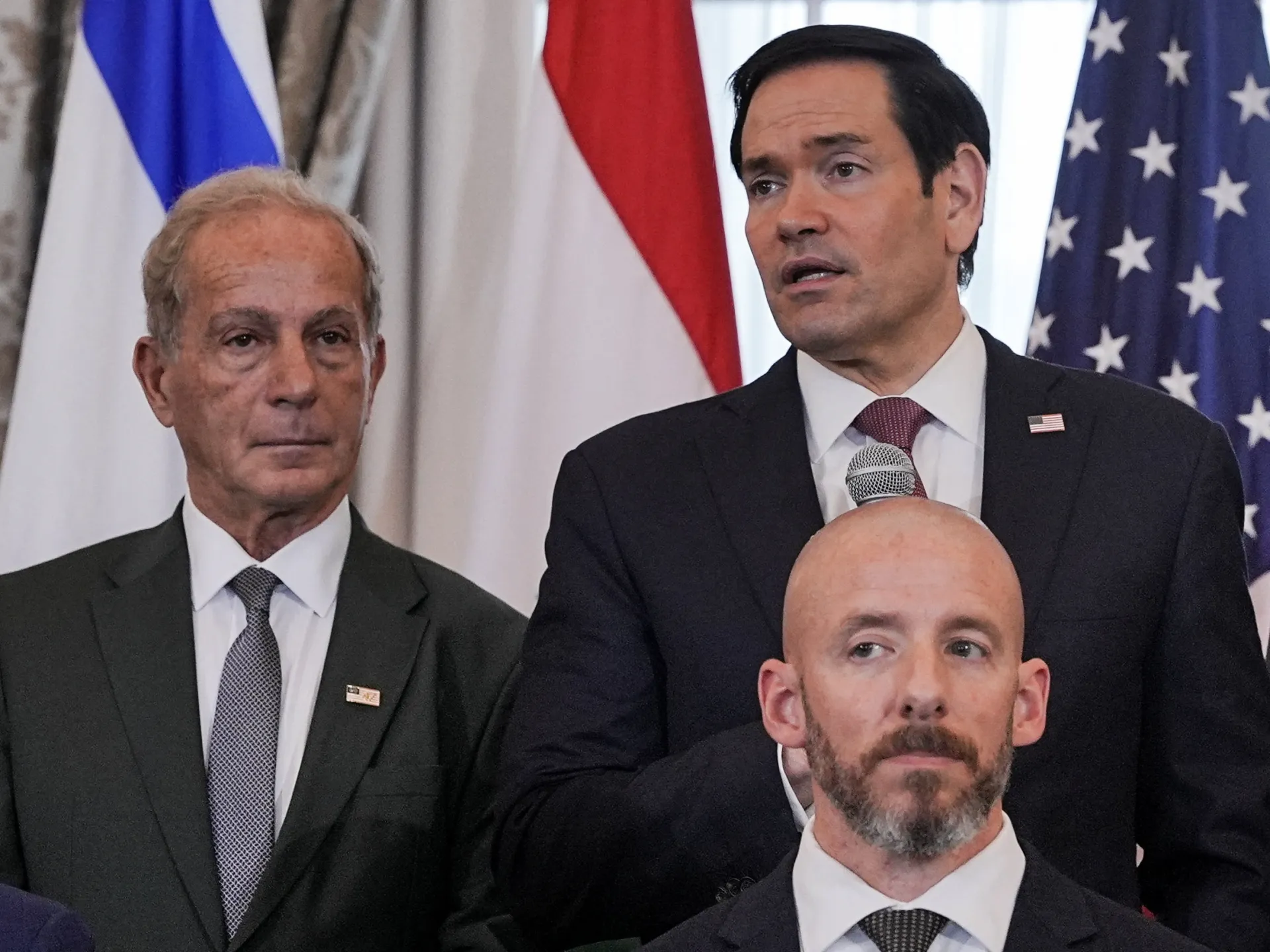
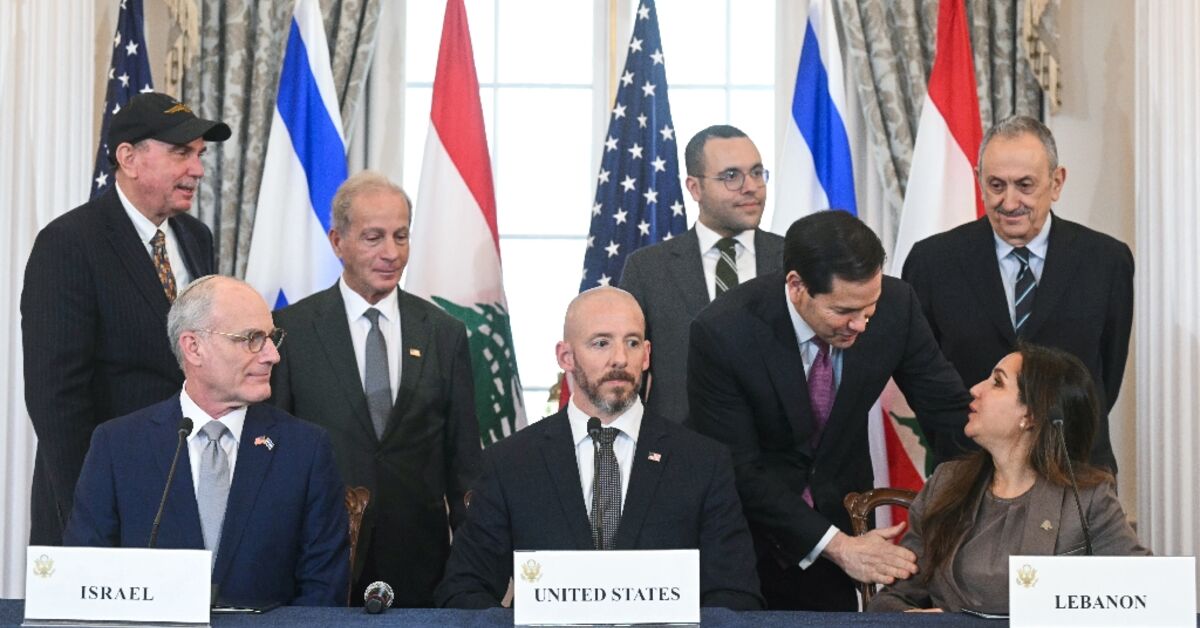
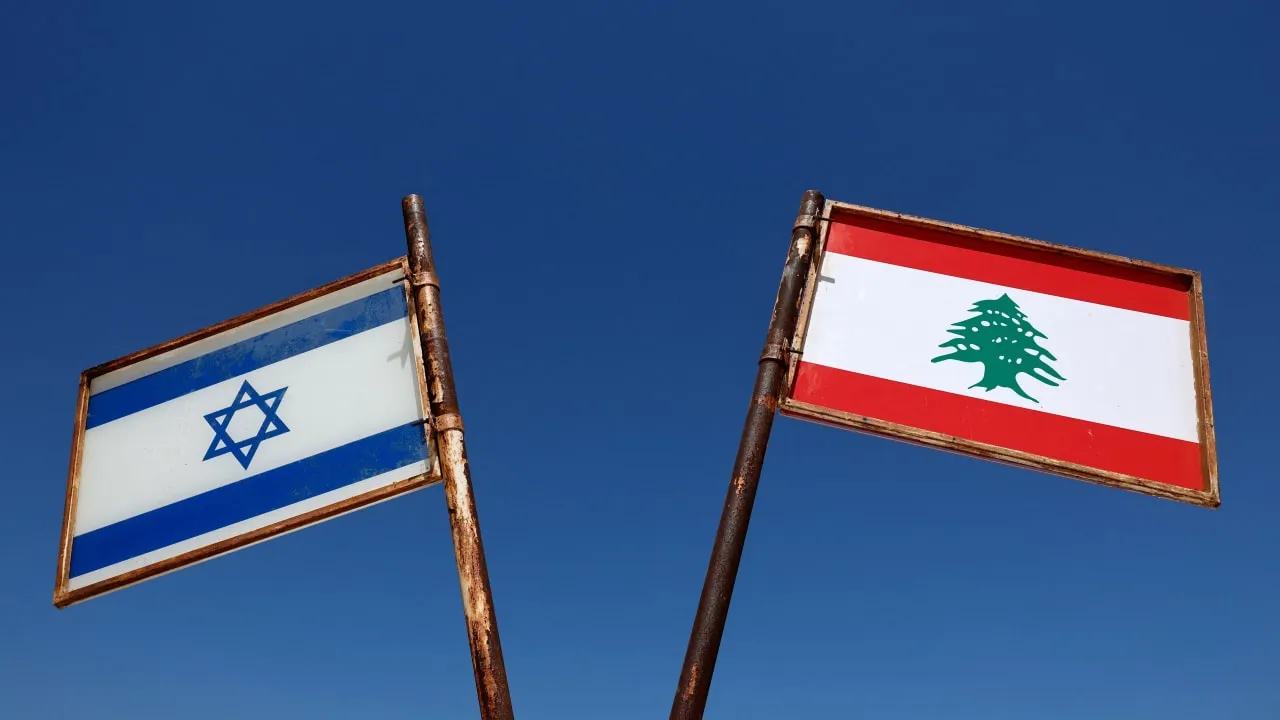
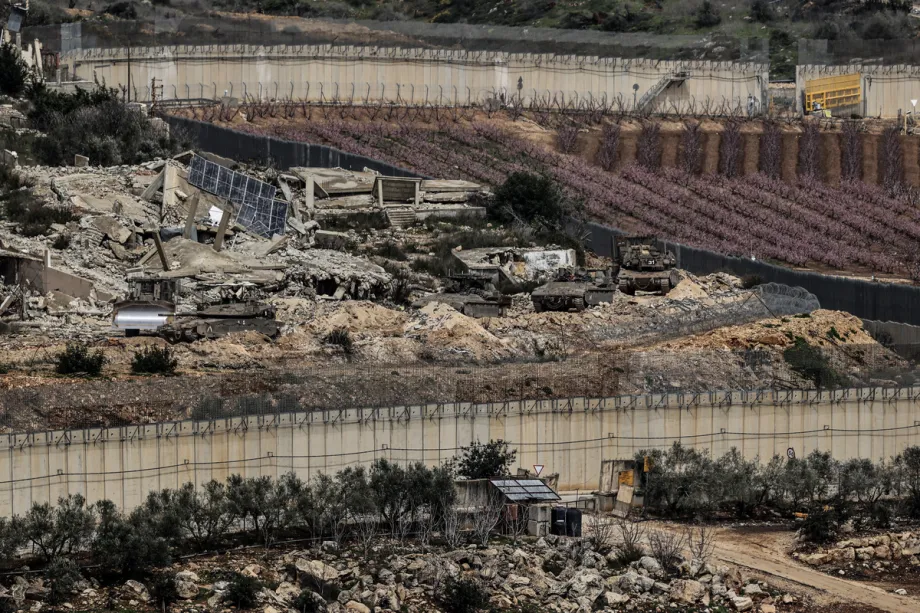
The 14-point U.S.-brokered framework signed in Washington on June 26 is being presented as a way to end the immediate fighting between Lebanon and Israel. Yet its own language points to a much broader ambition. The agreement is not simply designed to stop fire across the border. It seeks to establish a new security order in southern Lebanon in which the Lebanese state becomes the sole authority entitled to use force, Hezbollah loses its military role, and direct Lebanese-Israeli engagement begins to move toward a fuller political settlement.
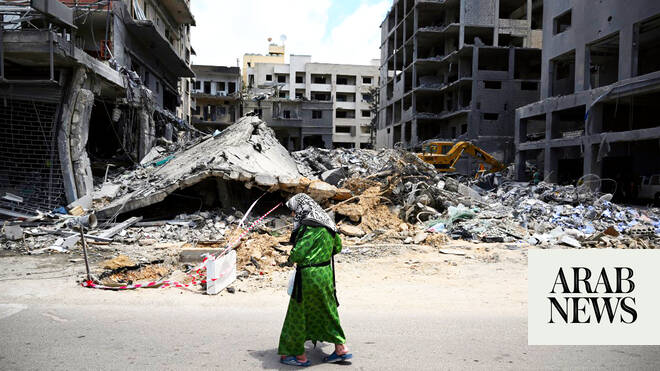
That is what makes the framework more consequential, and more precarious, than an ordinary ceasefire. It ties three processes together: Israeli redeployment, the disarmament of non-state armed groups, and international reconstruction aid. Each has appeared in previous diplomacy. Joining them in a single sequence, however, turns a border arrangement into an effort to redistribute power inside Lebanon.