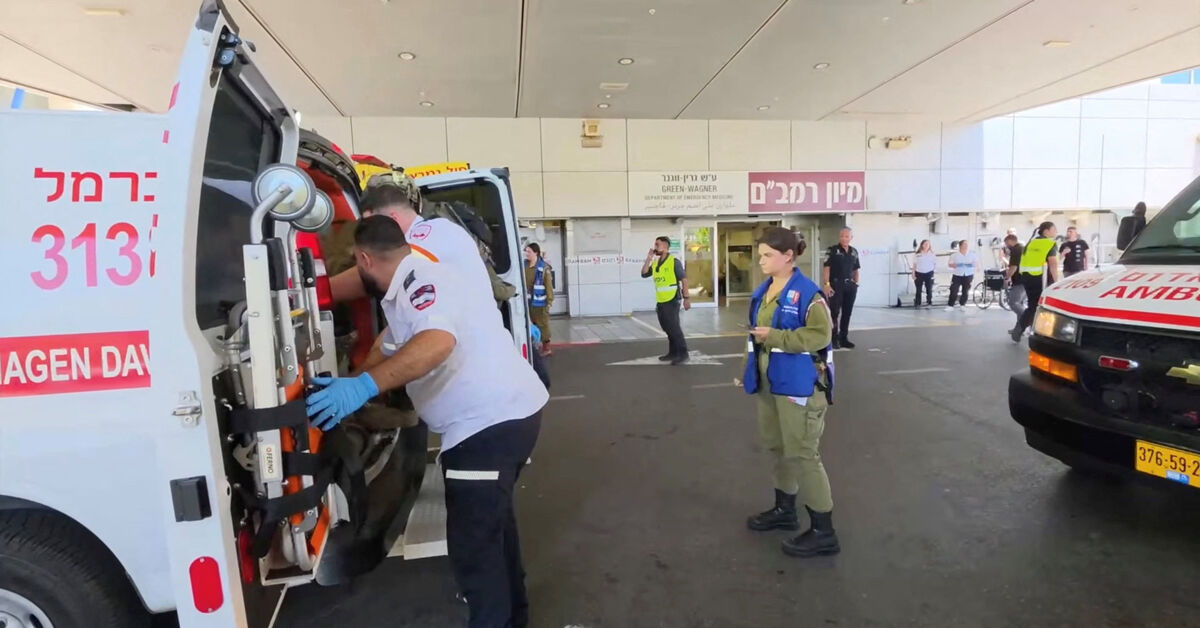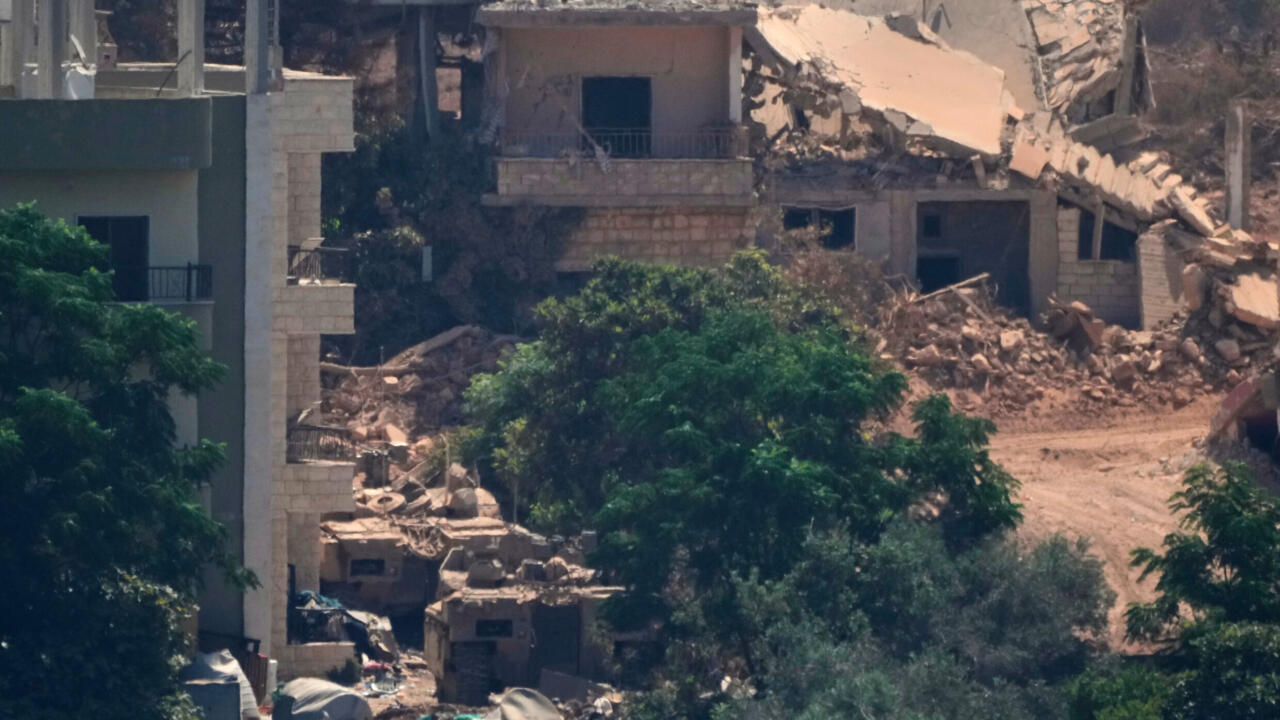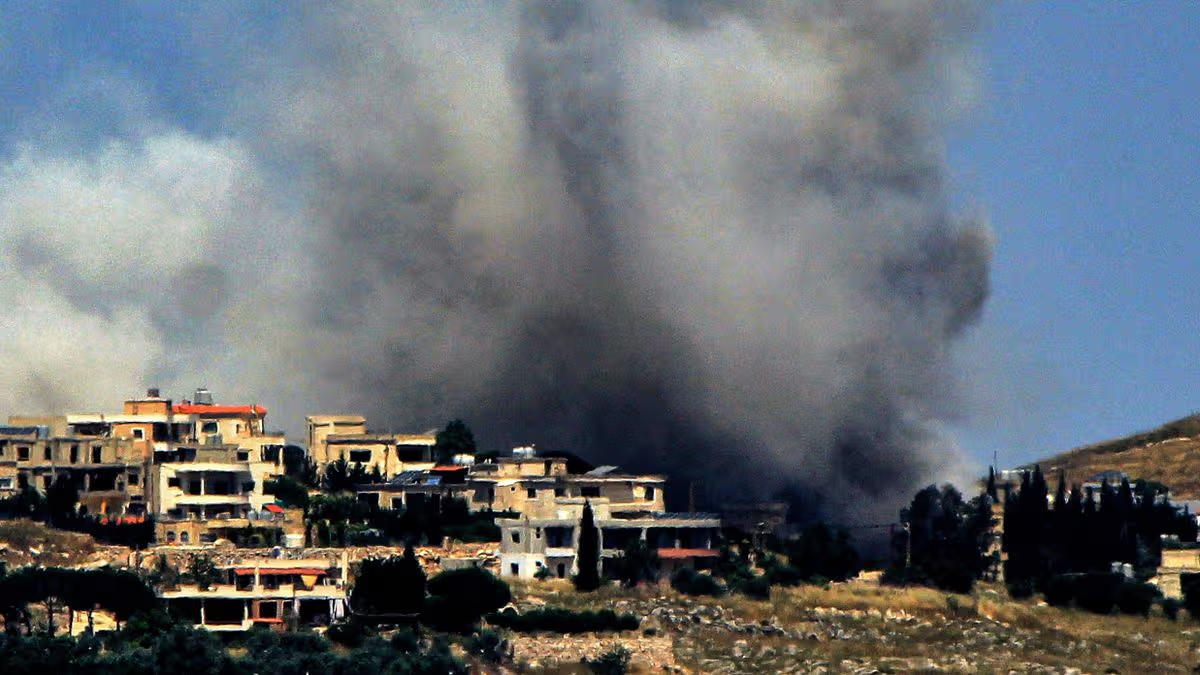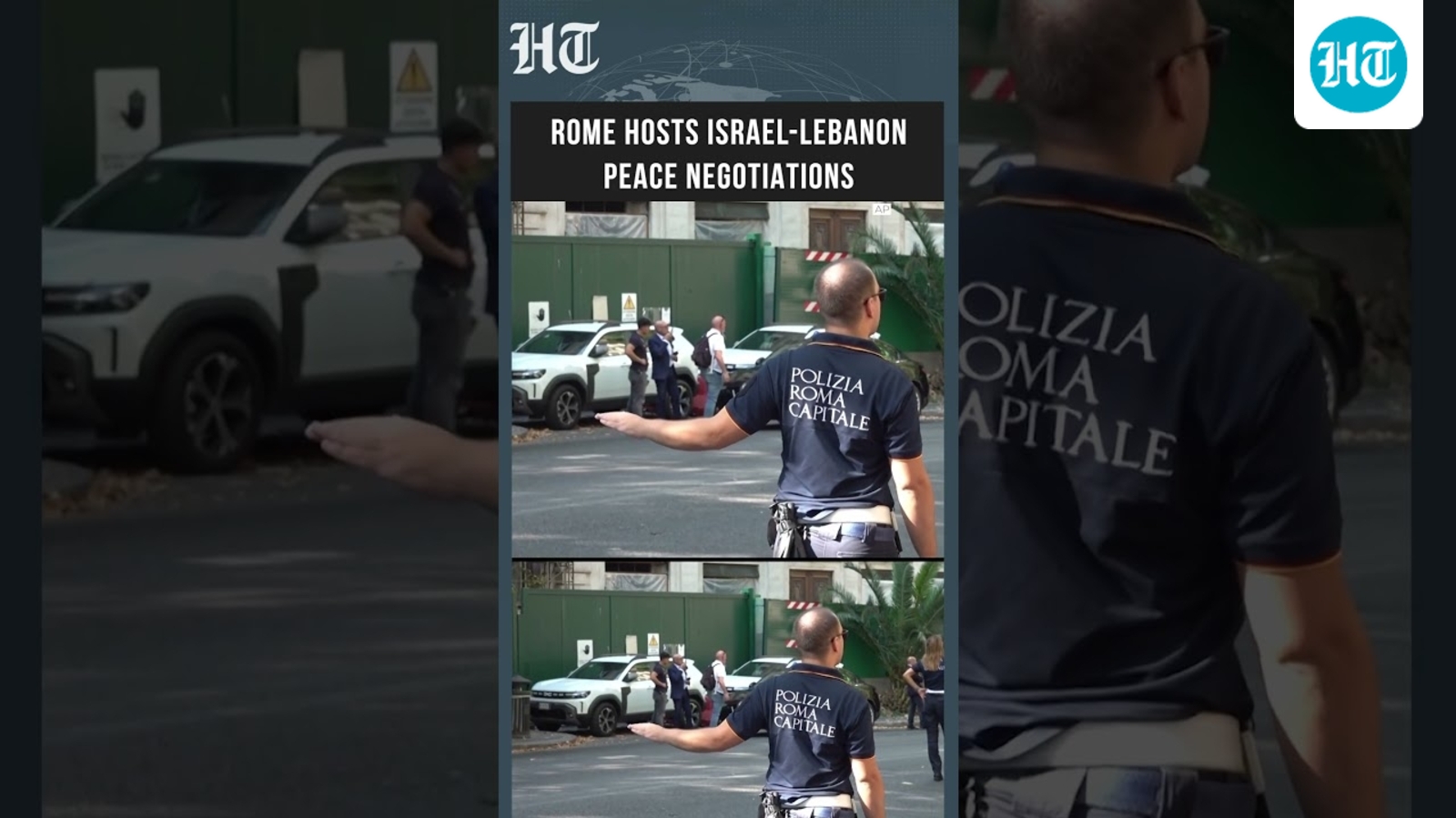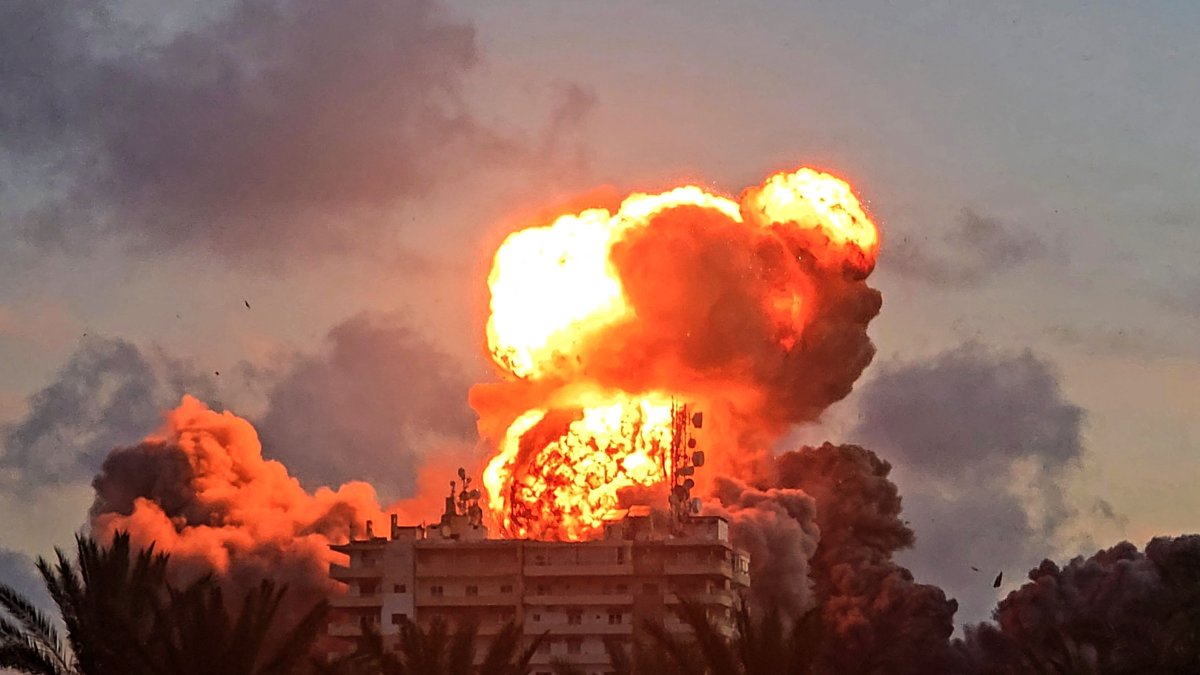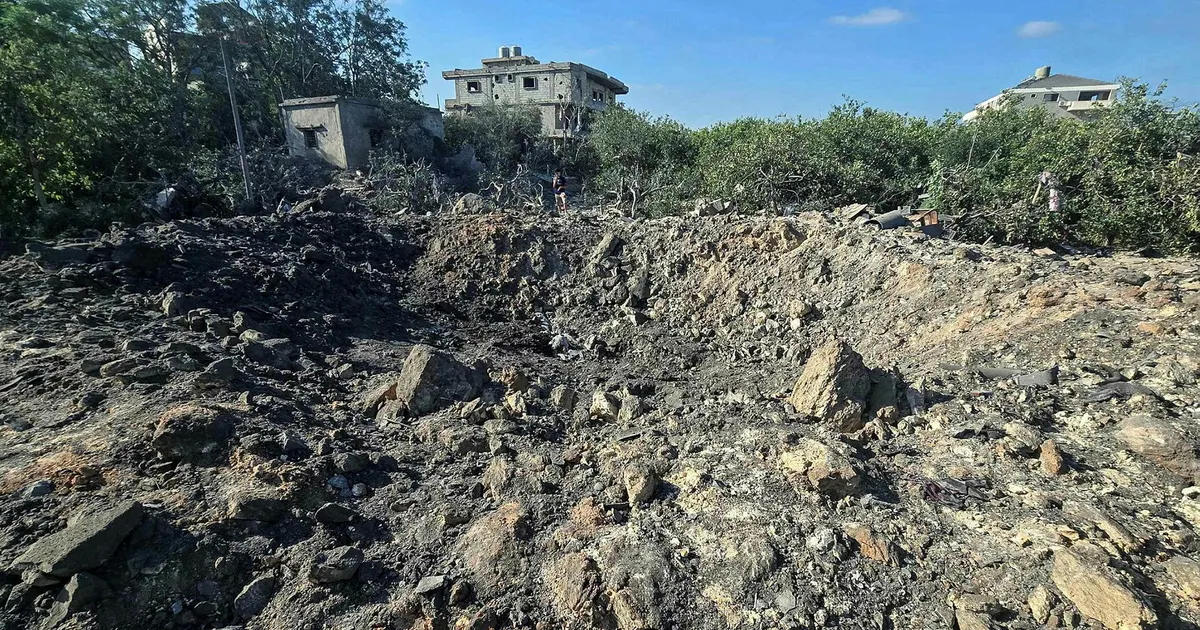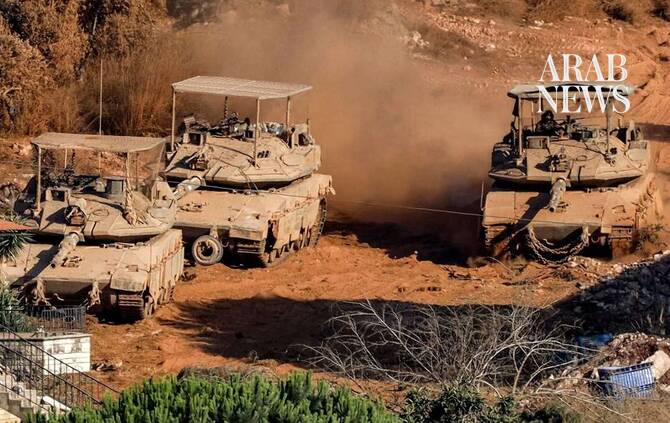
As fighting raged again in southern Lebanon, it remained to be seen if the latest flare-up would derail the peace talks taking place in Rome between Israel and Lebanon aimed at ensuring the gradual withdrawal of the Israeli military from the area.A few weeks of relative quiet came to an end on Wednesday when two Israeli soldiers were killed and four seriously hurt when troops entered a booby-trapped building in the southern Lebanese village of Majdal Zoun. The Israel Defense Forces (IDF) were investigating whether the device had been left in the building when Hizbullah fighters left the area or had been planted recently by militants entering the village. Israel says this would mark a serious violation of the ceasefire and a clear attempt to torpedo the ongoing peace talks.Israel responded with attacks on various targets in south Lebanon, again issuing evacuation orders to residents. According to Israeli sources, the IDF wanted a much more powerful response in order to deter Hizbullah from carrying out future attacks. However, according to Lebanese sources, Washington, which is mediating the diplomatic track, moved to contain a potential escalation between Israel and Hizbullah that could have derailed the Rome talks.At negotiations in Washington in June, Israel and Lebanon agreed to a framework deal centred on the disarmament of Hizbullah, a gradual withdrawal of the IDF from Lebanon’s south and the deployment of the Lebanese army to the region.Two initial pilot zones were agreed on and the Rome talks – the seventh round between the sides – are focusing on mapping out additional pilot zones and agreeing on an international force to monitor the implementation on the ground. This is because the mandate of Unifil, the UN peacekeeping force, expires at the end of this year.Hizbullah launched rockets at Israel in March in response to the US-Israeli attacks on Iran, its backer. Israel responded with heavy airstrikes and a ground invasion that Lebanon says has killed more than 4,300 people. Hizbullah opposes the negotiations with Israel and is refusing to disarm. Its leader Naim Qassem said the talks would bring Lebanon “nothing but shame, humiliation, and successive compromises”.Israeli tanks in Zawtar al Sharqiyah, southern Lebanon. Photograph: EPA Lebanese prime minister Nawaf Salam blamed the powerful Shia group for dragging the country into war. “The greatest support for Israel was provided by the one who distinguished himself by dragging Lebanon into futile war adventures and giving it pretexts to commit aggressions against our country,” he said.The Beirut government seeks to avoid a direct confrontation with Hizbullah, fearing a new Lebanese civil war. The success of the ceasefire agreement will rest on whether Lebanon can exert its full sovereignty over the designated pilot zones and restore quiet to the south.
Israel-Lebanon truce a rare bright spot in the Middle East, but now it’s under threat
Deadly clashes raise fears of escalation as negotiators seek agreement on Israeli withdrawal
453 words~2 min read