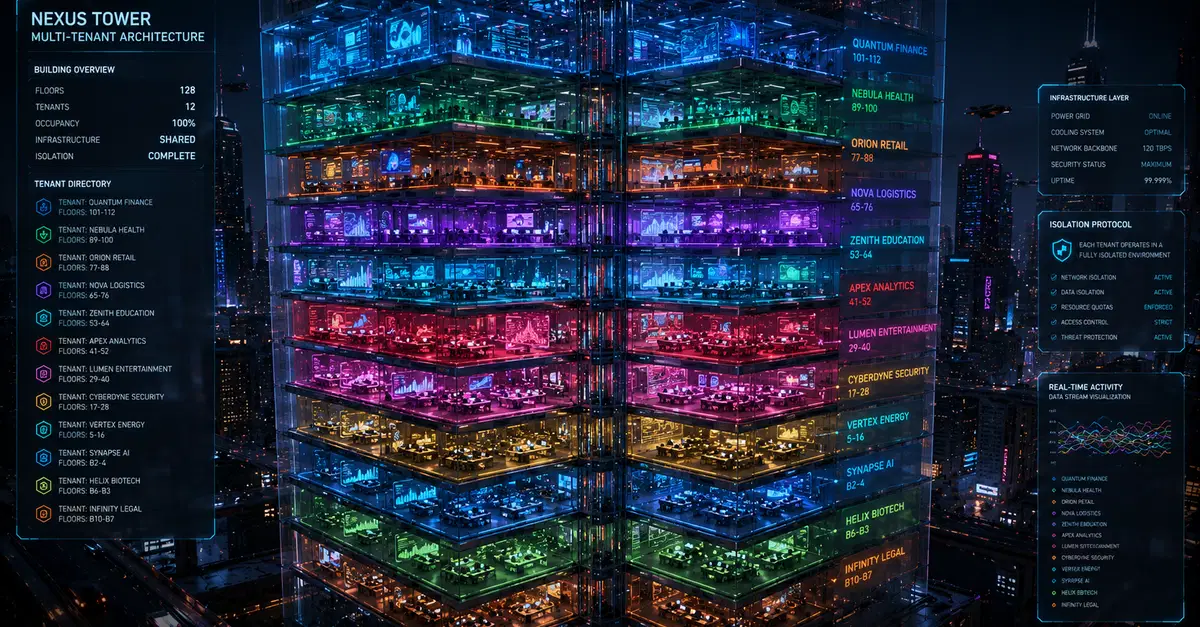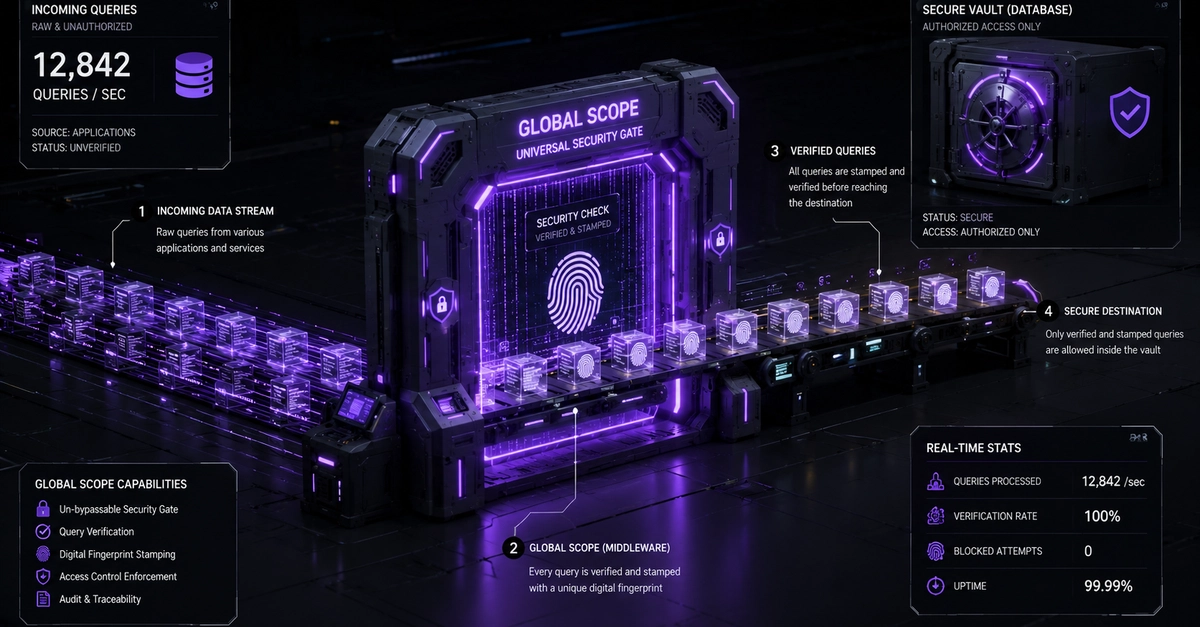
Every Laravel SaaS product hits the same fork in the road once it has more than one paying customer: how do you keep Tenant A's data from ever touching Tenant B's, while still shipping features at a reasonable pace? The answer isn't "add a tenant_id column and move on" — that works until it doesn't, usually right when a query is missed and one customer sees another customer's invoices in a support ticket. Multi-tenancy in Laravel comes down to three real strategies, each with a different failure mode, and picking the wrong one for your growth stage costs real engineering time later.
The Three Strategies
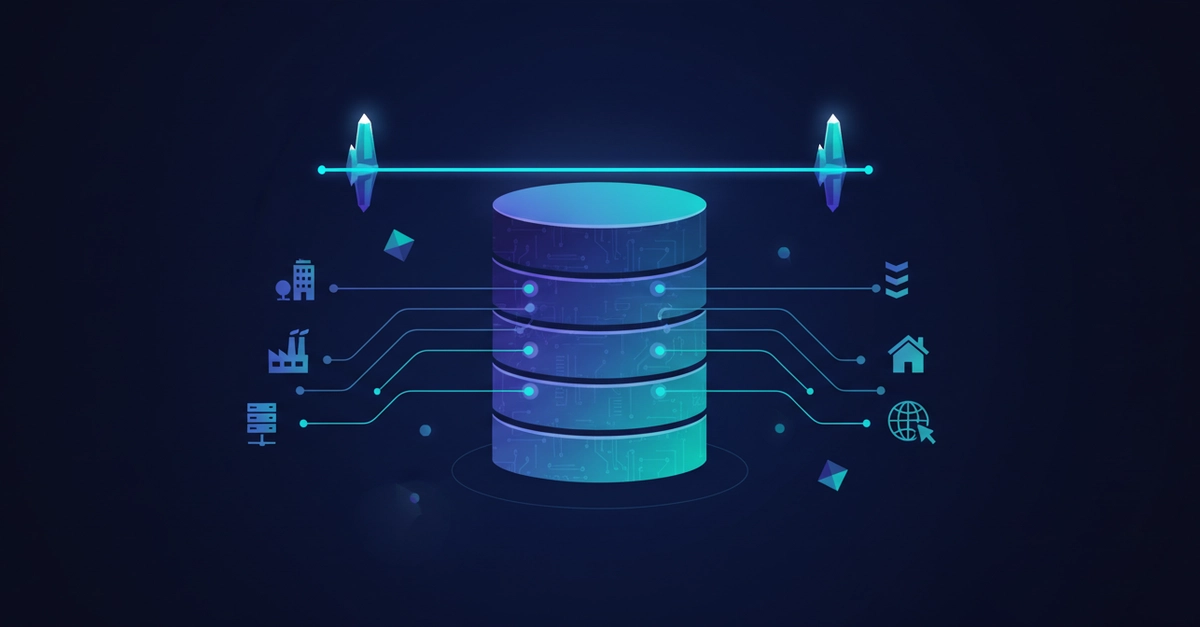
Shared database, shared schema (row-level tenancy). Every tenant's data lives in the same tables, distinguished by a tenant_id foreign key. This is the default starting point for almost every Laravel SaaS product, and for good reason — one set of migrations, one connection, and standard Eloquent relationships work exactly like a single-tenant app.
Shared database, separate schemas. Each tenant gets their own PostgreSQL schema (or, less commonly, a MySQL database) within the same server. Queries are automatically scoped by schema rather than by an explicit WHERE clause, which removes an entire category of "forgot the tenant filter" bugs.