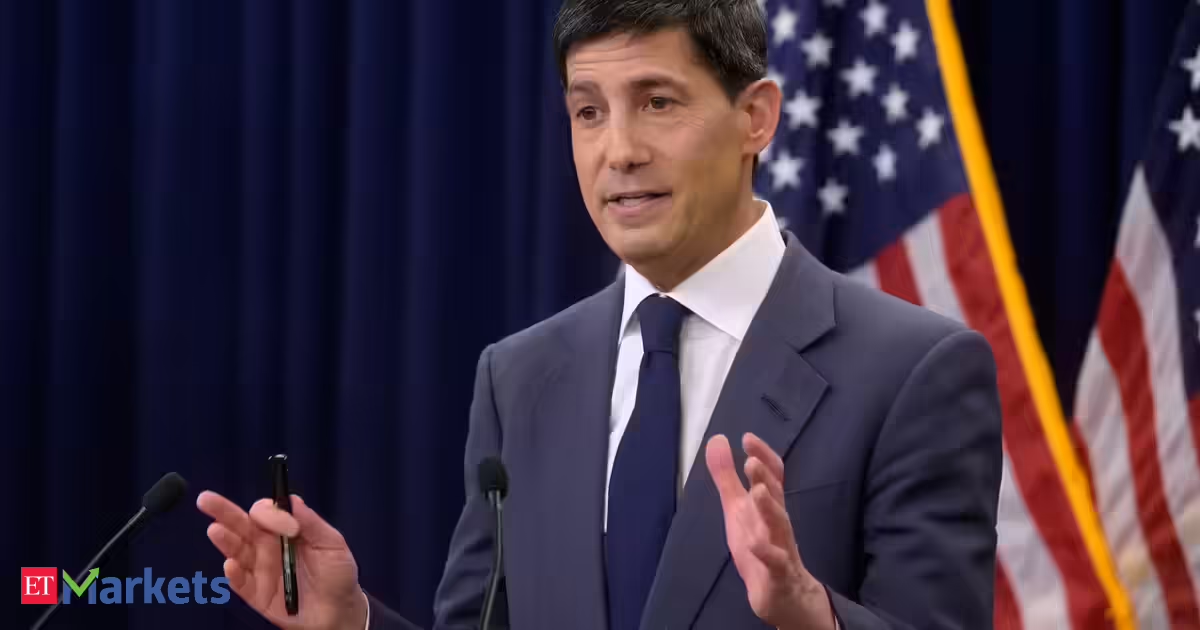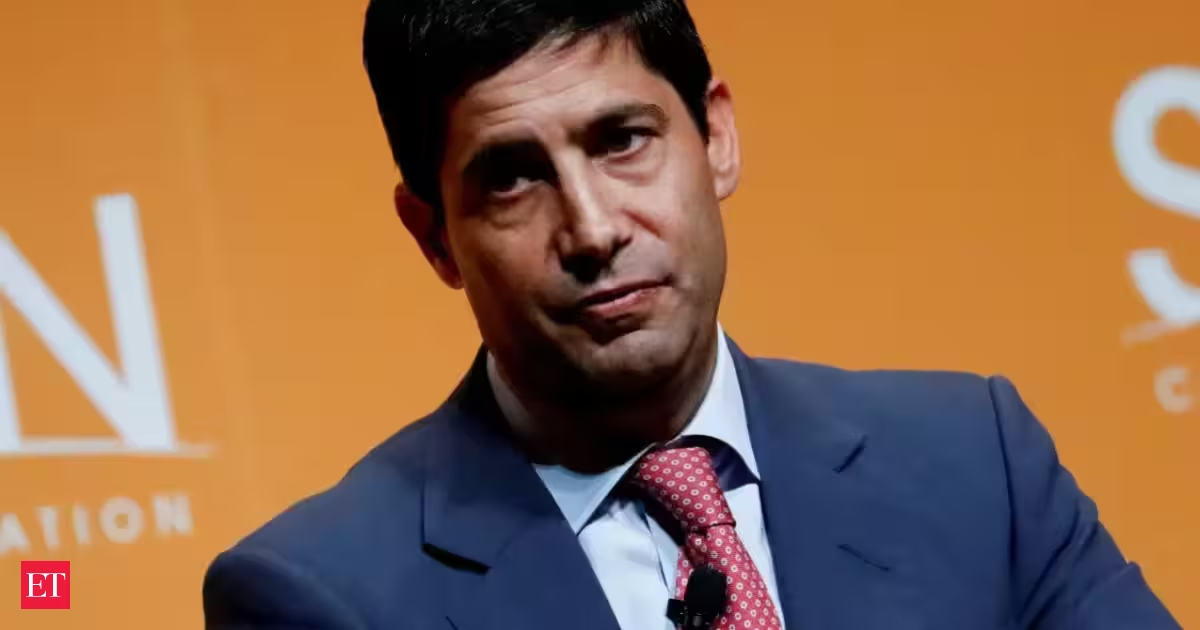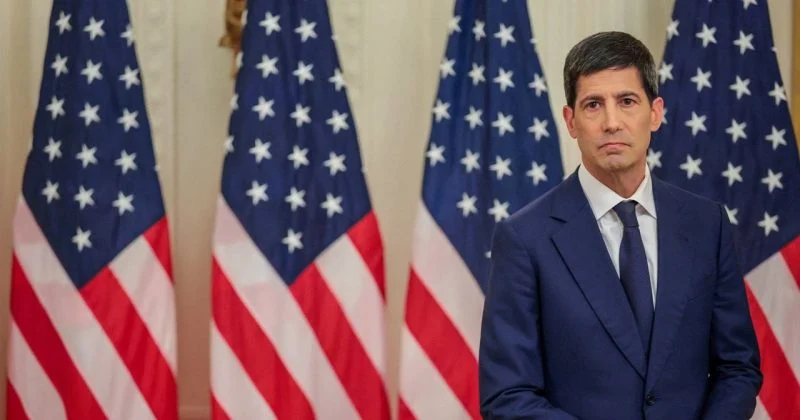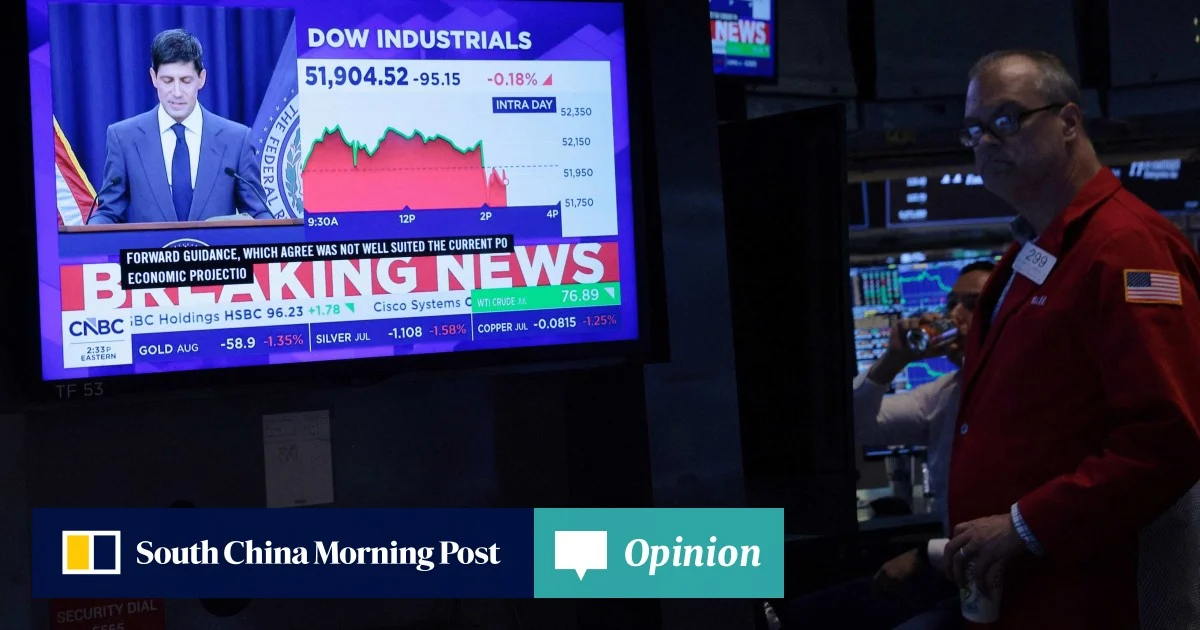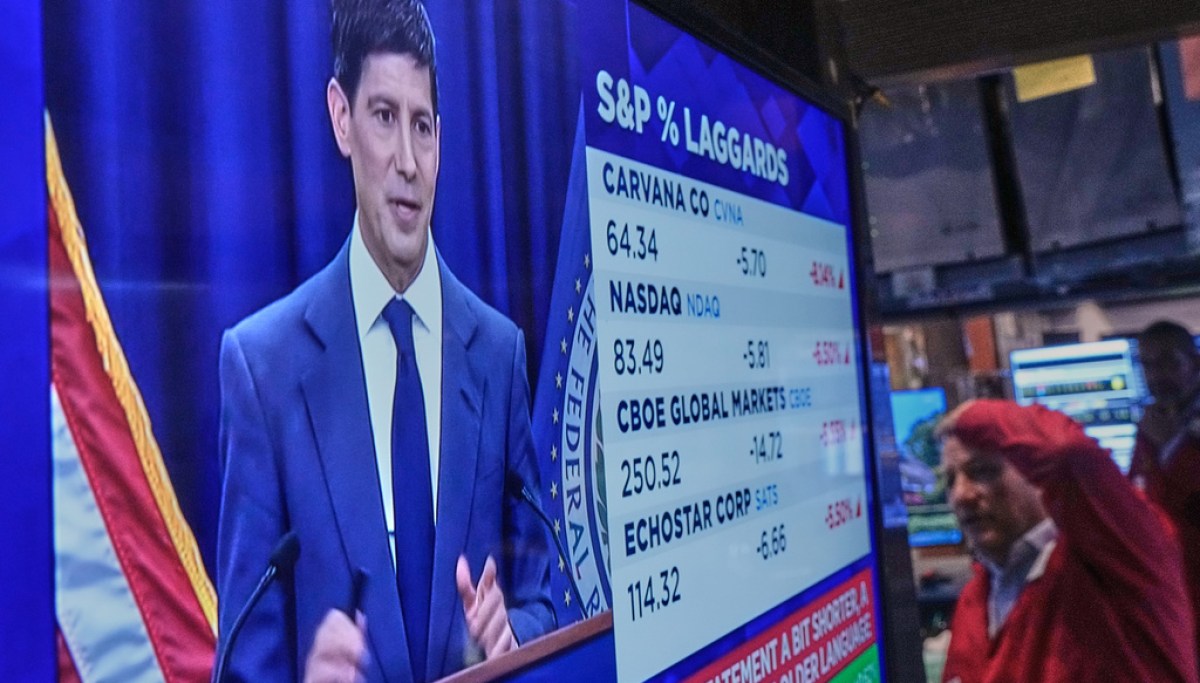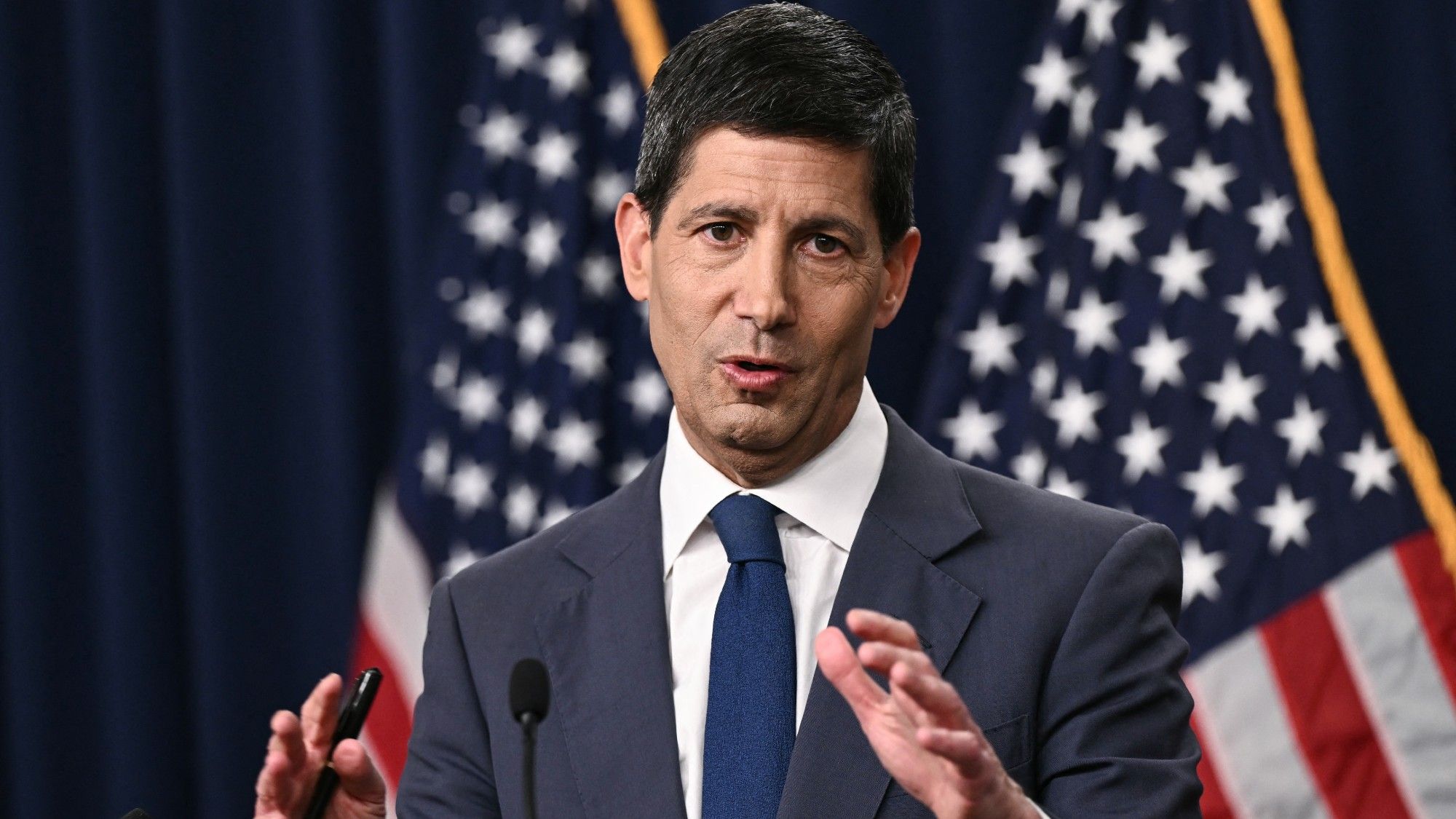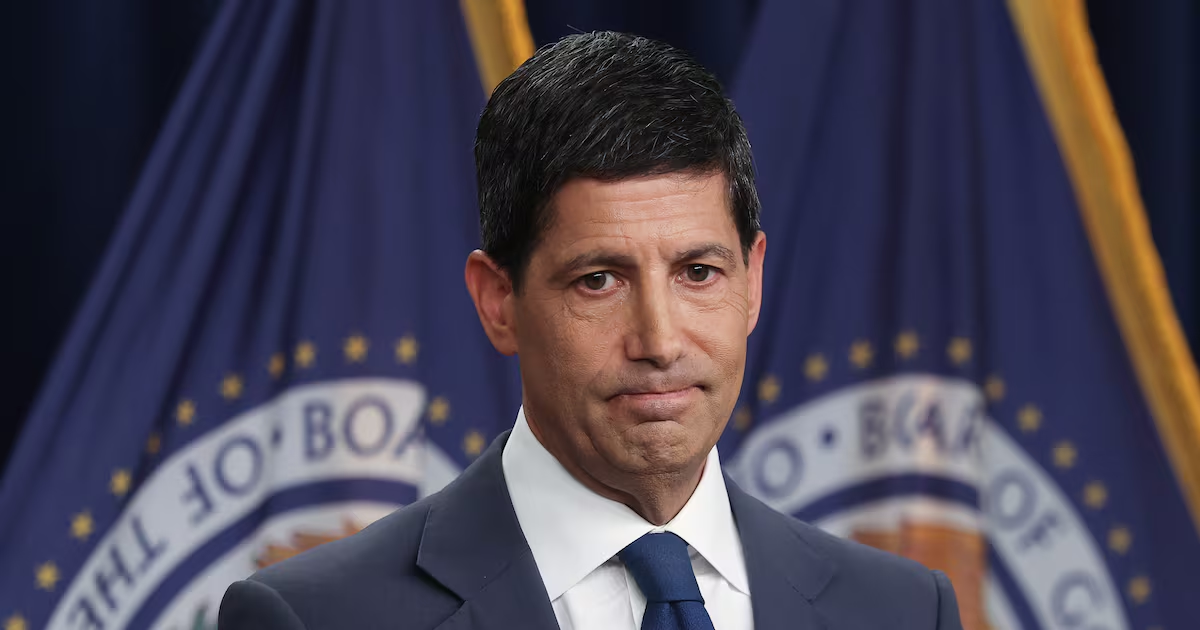
Kevin Warsh is set to stick to his stripped-back communications style even after the Federal Reserve chairman’s decision to offer scant details of his strategy on interest rates fuelled a powerful sell-off in treasury bonds.Long-term US borrowing costs soared after last week’s Fed meeting as investors said Warsh failed to offer sufficient guidance on how he would contain the bout of inflation triggered by Donald Trump’s Iran war.People close to Warsh said he acknowledged that he had made mistakes in his first 10 weeks at the helm of the world’s most important central bank, including failing to reinforce his key messages on price stability and sowing confusion over whether his longer-term plans to reform the Fed could affect near-term policy decisions.But they insist those errors do not warrant reversing course on his shake-up of the Fed, which has missed its 2 per cent inflation goal for more than five years. A pillar of Warsh’s strategy is drastically reducing policymakers’ guidance to markets, a plan he has repeatedly emphasised following last Wednesday’s Fed meeting.US 30-year treasury yields shot up to the highest level since 2007 last week, in a rise many investors said partly reflected concerns that Warsh’s limited communications had undercut his credibility in quelling inflation at a time when elevated energy prices risk pushing up costs more broadly.However, people close to Warsh noted that market-based measures of inflation expectations remain low and have fallen back in recent days, suggesting investors think the Fed remains committed to hitting its 2 per cent price stability goal.Inflation swaps, which are closely monitored by the Fed, show investors expect inflation to average 2.4 per cent over a five-year period beginning in five years.Warsh has maintained publicly that the “trigger pullers” in bond markets – meaning fund managers making investment decisions – understand his approach, even as commentators have become more critical.In an environment where price pressures have been too strong for half a decade, some think Warsh’s credibility was bound to be tested, with concerns not likely to be fully alleviated until inflation is back at 2 per cent. The Fed’s preferred inflation gauge was 3.7 per cent in June.President Trump’s repeated attacks on Warsh’s predecessor, Jay Powell, for not slashing borrowing costs have also complicated the new Fed chairman’s efforts to convince investors that he is a committed inflation fighter.Warsh would be prepared to raise interest rates at September’s meeting if inflation readings released in coming weeks are hot, and markets ratchet up their expectations for increases in borrowing costs, the people familiar with his thinking said. Futures markets currently assess a roughly 55 per cent chance of a quarter-point rise in September, CME Group data shows.While the Fed chairman has raised the prospect of shrinking the central bank’s $6.7 trillion (€5.8 trillion) balance sheet to tighten monetary policy, interest rates remain the primary tool for now – and would be used at forthcoming meetings, if needed, the people added.Any major overhaul of the monetary policymaking process is on hold until at least next year, by which time the task forces Warsh unveiled during his first press conference as Fed chairman in June will have reported back to the rate-setting Federal Open Market Committee.Warsh’s pared-back communications strategy has been the biggest change the former Fed governor has made since rejoining the US central bank.While the former financier has been tight-lipped, his predecessors Powell, Janet Yellen and Ben Bernanke had sought to give comprehensive guidance on their economic outlook and clues on policy moves.Since leaving the Fed in 2011 after a five-year stint, Warsh repeatedly expressed the view that “forward guidance” by previous Fed chairpersons left them trapped by their own words and overpromising action.Heading into last week’s decision, investors were pricing in a 33 per cent chance of a rate rise – an unusual degree of uncertainty that analysts had anticipated could lead to market volatility.By breaking the feedback loop between the Fed and investors, the new chairman has said that he hopes markets will spend less time scrutinising officials’ clues and focus more on economic data.“I don’t see where all the negativity on Warsh stems from, in terms of market pricing,” said Eric Wallerstein, chief macro strategist at Clocktower Group and a former adviser to Fed governor, Stephen Miran. “The loudest critics are those without investment responsibilities, who succeeded only when everything was choreographed.”Warsh believes this leaner communications strategy will give officials a clearer read on what investors think about the health of the world’s largest economy and lead to fewer policy mistakes.“He was unfairly treated last week. There was already an emerging consensus that forward guidance was not a good idea and gave central banks too little flexibility,” said Torsten Sløk, chief economist at Apollo Global Management. But he said Warsh could do more to explain the Fed’s plan to bring inflation down.Warsh is expected to use his first speech at the Kansas City Fed’s Jackson Hole symposium this month – a blockbuster event for markets – to explain the intellectual framework behind his quiet revolution, including clarifying areas where he believes his own messaging has fallen short.“The speech will take the shape of him saying he’s here to leave his mark,” said Wallerstein. “It’s been a tough period for central banking. There’s been a lot of missteps – including at the Fed. Warsh wants to take stock of that and try to right the ship.” – Copyright The Financial Times Limited 2026
Kevin Warsh to stick with lean Fed messaging despite market backlash
US central bank chair remains confident that sweeping reforms will win over key investors
903 words~4 min read